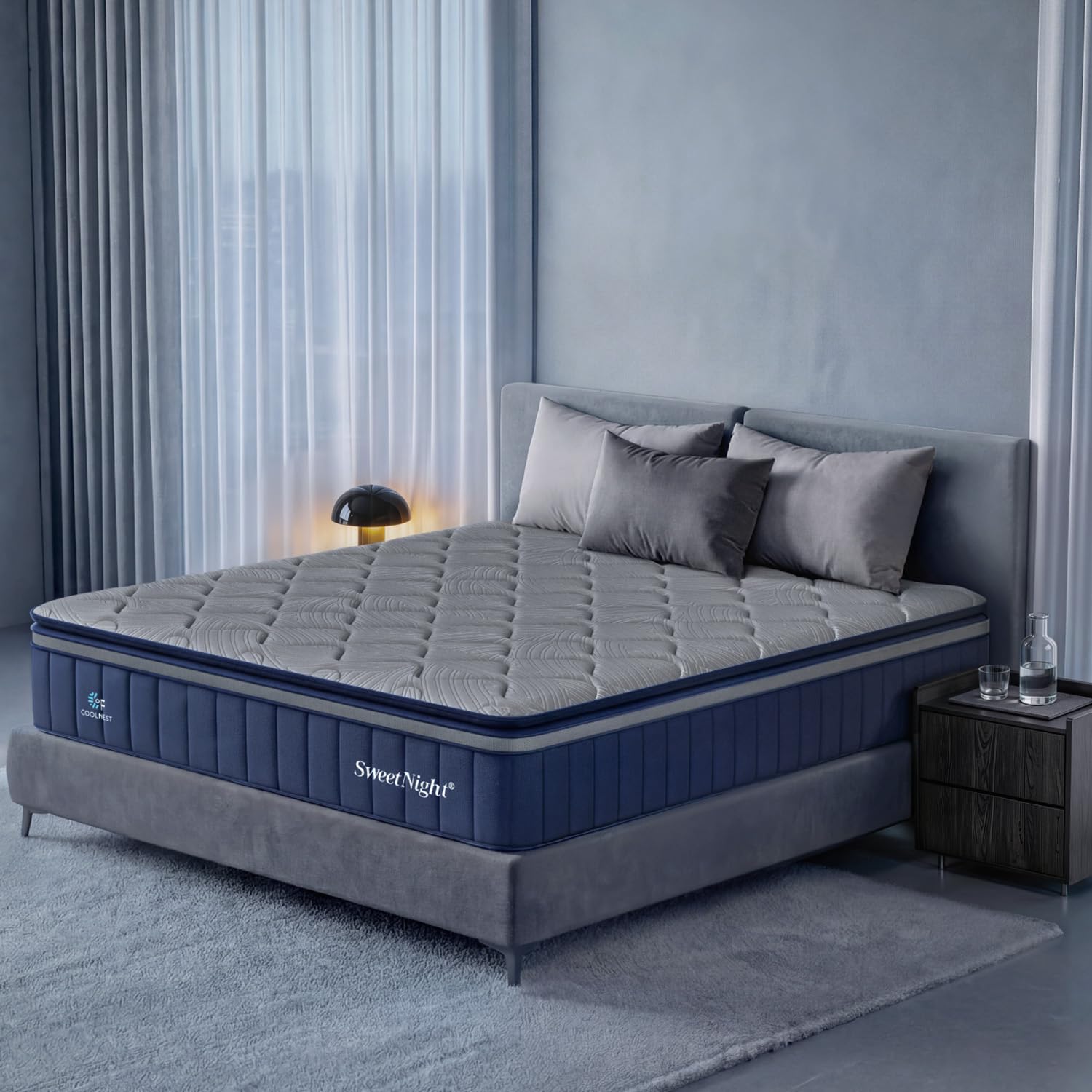
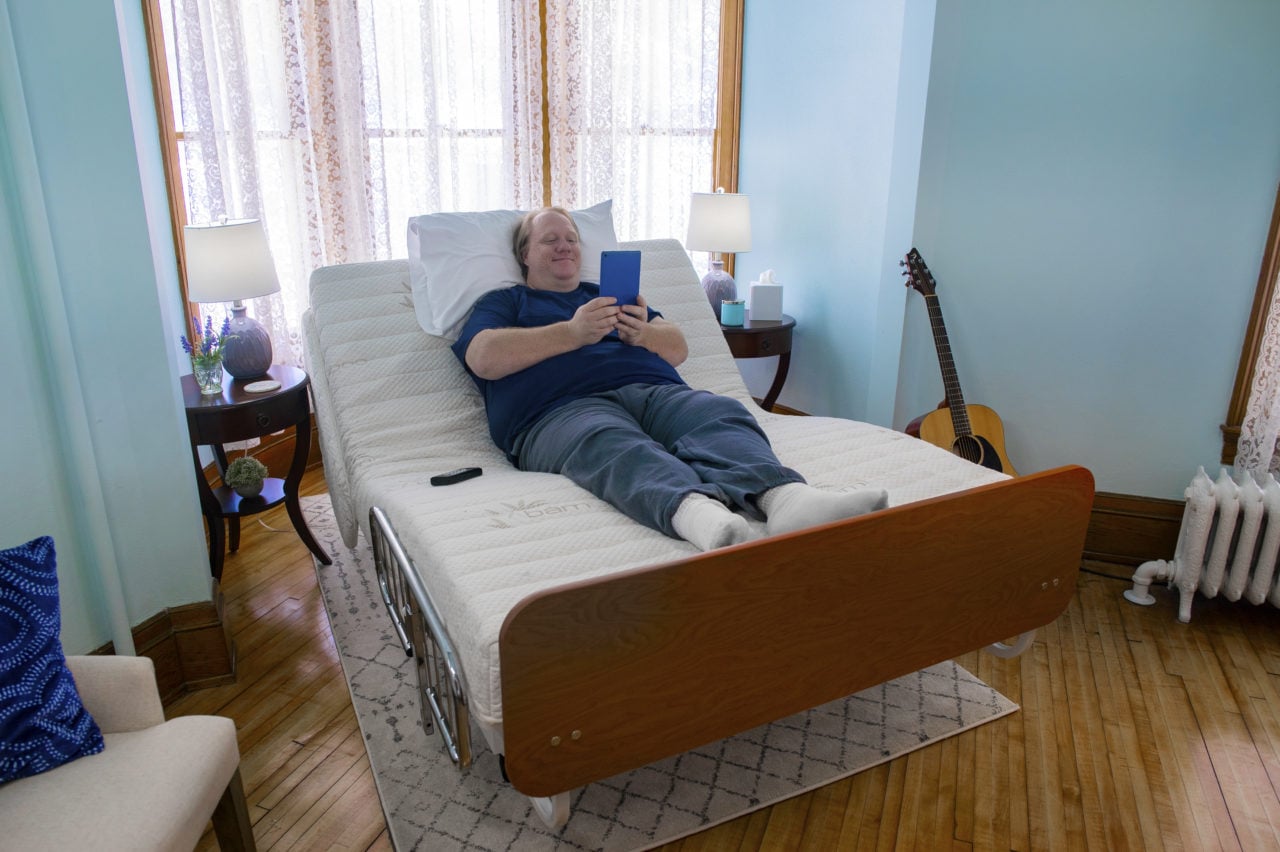
Selecting the ideal bed for an individual with a higher body weight requires careful evaluation of structural integrity, material density, and edge support to prevent premature sagging and chronic back pain. High-capacity mattresses and heavy-duty bed frames are specifically engineered to distribute weight evenly, maintain proper spinal alignment, and withstand high-pressure loads over years of nightly use, ensuring restorative sleep without compromising comfort or durability.
Understanding the Unique Sleep Needs of Higher-Weight Individuals
When shopping for a bed as an obese or heavy-duty sleeper, standard consumer ratings and conventional mattress marketing can often be misleading. Most mainstream mattresses are designed with average-weight sleepers in mind, typically ranging from 130 to 230 pounds. When subjected to higher sustained pressure, these standard mattresses tend to bottom out rapidly, causing the sleeper to sink past the comfort layers and rest directly on a hard, unyielding foundation. This phenomenon not only leads to acute lower back and hip pain due to poor spinal alignment, but it also causes the mattress materials to degrade within months rather than years.
The fundamental requirements for a heavy-duty bed involve a synthesis of robust materials, reinforced framing, and deep-compression support. Higher-weight sleepers require a thicker comfort layer to cushion pressure points such as the shoulders and hips, paired with an exceptionally dense core support layer that prevents excessive sinkage. Furthermore, edge support becomes a critical safety and comfort feature. Individuals who sit on the edge of the bed to put on shoes or who utilize the entire surface area of the mattress need reinforced perimeters that do not collapse under localized weight.
Key Engineering Criteria for Heavy-Duty Mattresses
Evaluating what makes a mattress truly suitable for heavy individuals involves examining several distinct technical specifications. Ignoring these factors almost invariably leads to a short product lifespan and a subpar sleeping experience.
1. Coil Gauge and Count
Innerspring and hybrid mattresses rely on steel coils for core support. The thickness of these coils is measured by gauge—the lower the gauge number, the thicker and stronger the steel wire. For heavy-duty mattresses, a coil gauge between 12.5 and 14 is generally recommended. Additionally, pocketed coils that operate independently allow for targeted contouring while maintaining heavy structural integrity.
2. High-Density Foam and Latex Layers
Polyurethane foam and memory foam are graded by density, measured in pounds per cubic foot (PCF). Low-density foams (under 1.5 PCF) break down quickly under heavy loads. High-density foams (1.8 to 2.5 PCF or higher) and natural latex foam provide the necessary resilience and pushback. Natural latex, in particular, offers a responsive, cooling surface that resists permanent body impressions better than traditional memory foam.
3. Mattress Thickness and Profile
Beds for obese sleepers should generally be at least 12 to 14 inches thick. This extra height allows manufacturers to incorporate substantial support cores alongside deep comfort layers, ensuring the sleeper never hits the bottom of the mattress structure.
Essential Features of Heavy-Duty Bed Frames
A high-capacity mattress is only as good as the foundation supporting it. Placing a heavy mattress and sleeper on a standard wooden slat frame or a cheap metal bed frame often leads to bowed slats, squeaking joints, or catastrophic structural failure.
- Reinforced Steel Construction: Heavy-duty frames utilize heavy-gauge steel rather than hollow, thin-walled tubing. Look for weight capacities that explicitly exceed the combined weight of the mattress, occupants, and bedding.
- Center Support Legs: A sagging center beam will compromise even the best mattress. Frames must feature multiple vertical center support legs that make direct contact with the floor to distribute downward force evenly.
- Solid Foundation Slats: If using a platform bed or slatted base, the slats should be made of solid hardwood (such as birch or maple), spaced no more than 2 to 3 inches apart, and reinforced with a center vertical support rail.
Overview of Top-Rated Heavy-Duty Sleep Systems
While individual preferences for firmness and sleeping positions vary, certain sleep systems have established strong reputations in the heavy-weight category based on verified construction quality, warranty terms, and ergonomic support. The following selection highlights diverse approaches—ranging from hybrid construction to pure latex and adjustable systems—tailored to support higher body weights safely and comfortably.
| Model Category | Core Construction | Ideal Sleeping Position | Primary Advantage |
|---|---|---|---|
| Hybrid Luxury Heavy-Duty | Thick pocketed coils + High-density foam | Combination / All positions | Balanced contouring with industrial support |
| Natural Latex Hybrid | Talalay/Dunlop latex + Heavy coils | Back / Stomach sleepers | Superior cooling, responsiveness, and longevity |
| All-Foam High-Density | High-density polyfoam + Gel memory foam | Side sleepers | Exceptional pressure relief on shoulders and hips |
| Reinforced Innerspring | Continuous steel coils + Tufted top | Back sleepers | Traditional bounce with maximum airflow |
| Adjustable Ergonomic Base | Heavy-duty steel actuators + Zero-clearance | Back / Upright reading | Pressure relief via elevation and customized positioning |
| Heavy-Duty Platform Bed | Solid American steel / Hardwood slats | All mattresses | Eliminates box spring sag with high weight limits |
| Modular Heavy-Duty Foundation | Commercial-grade modular steel grid | Heavy latex / Hybrid beds | Unyielding support platform prevents edge roll-off |
Detailed Breakdown of the 7 Best Bed Solutions for Obese Sleepers
1. High-Capacity Hybrid Mattresses with Thick Coil Cores
Hybrid mattresses combine the pressure-relieving qualities of foam or latex with the robust support of an innerspring base. For heavier sleepers, models specifically engineered for high-capacity use feature reinforced edge-support coils and high-density transition layers. These mattresses prevent the feeling of rolling off the bed while maintaining spinal alignment throughout the night, regardless of whether the user sleeps on their side, back, or stomach.
2. Natural Latex Hybrid Beds
Latex is naturally denser, cooler, and more resilient than synthetic polyurethane memory foam. A heavy-duty latex hybrid utilizes thick layers of Dunlop or Talalay latex over a sturdy pocketed coil base. This construction provides an active, buoyant bounce that makes changing sleeping positions effortless, mitigating the "stuck" sensation often reported by heavier individuals on deep memory foam beds.
3. High-Density All-Foam Specialized Mattresses
For side sleepers carrying higher body weight, pressure points on the shoulders and hips can become severe. Specialized all-foam beds built for heavy sleepers replace cheap base foams with high-density support cores (often 2.0 PCF or higher) topped with cooling gel-infused memory foam. This ensures that while the top layers cushion the joints, the underlying foam structure prevents excessive sinking and spinal bowing.
4. Heavy-Duty Traditional Innerspring Beds with Continuous Coils
Traditional innerspring mattresses that utilize heavy-gauge continuous coils or Bonnell coils offer exceptional airflow and a firm, responsive surface. When reinforced with edge-support perimeter framing, these beds provide a classic, bouncy feel that accommodates active sleepers and resists the heat retention commonly associated with dense foam mattresses.
5. Heavy-Duty Steel Platform Foundations
A supportive mattress requires a dependable base. Heavy-duty steel platform beds replace traditional wooden frames and box springs with welded steel grids or closely spaced wooden slats designed to hold thousands of pounds. These platforms prevent the center sagging that ruins high-end mattresses and eliminate the annoying squeaks and groans associated with lightweight consumer bed frames.
6. Adjustable Bed Bases with High-Capacity Motors
Adjustable bases offer therapeutic benefits by allowing users to elevate their head and feet, which can alleviate symptoms of acid reflux, sleep apnea, and lower back tension. Heavy-duty adjustable frames incorporate dual, high-torque motors and reinforced steel frames capable of lifting heavy mattress and sleeper combinations smoothly without straining the mechanical gears.
7. Modular Heavy-Duty Box Foundations
For individuals who prefer a traditional mattress height or wish to use existing aesthetic bed frames, a heavy-duty modular box foundation provides a rigid, non-flexing surface. Unlike traditional box springs containing flexing wooden grids or cheap wire springs, heavy-duty foundations use rigid steel grids that ensure the mattress above remains completely flat and evenly supported.
Evaluating Comfort Preferences and Sleeping Positions
Determining which of these bed solutions fits an individual lifestyle requires analyzing physical dimensions, sleeping postures, and thermal regulation needs.
Side Sleepers
Side sleeping concentrates body weight onto a smaller surface area, specifically the shoulders and hips. Heavier side sleepers require a mattress thickness of at least 13 to 14 inches with a plush or medium-firm comfort layer that yields enough to cushion these joints, preventing numbness and circulatory restriction. However, the underlying support layers must still be firm enough to keep the spine straight horizontally.
Back and Stomach Sleepers
Back and stomach sleepers require a firmer surface to prevent the hips from sinking lower than the shoulders, a misalignment that places immense strain on the lumbar vertebrae. Latex hybrids, reinforced innersprings, or firm high-density hybrid mattresses are ideal for these positions because they provide a level surface that resists gravitational pull on the body's heaviest midsection.
Temperature Regulation
Obese individuals frequently generate and retain more body heat during sleep due to insulating mass. Mattresses constructed with dense, closed-cell memory foam without cooling gel infusions or open-air channels can trap heat and cause night sweats. Opting for hybrid models with open coil networks, natural latex, or phase-change material (PCM) covers helps dissipate body heat throughout the night.
Cost Considerations and Long-Term Value
Investing in a heavy-duty bed system involves a higher upfront cost than purchasing standard, mass-market bedding, but it represents a sound economic decision over time. Standard mattresses purchased by heavy individuals often fail within 12 to 24 months, requiring frequent replacements that add up rapidly.
High-capacity beds, conversely, are built with commercial-grade materials designed to endure significant wear and tear for a decade or more. When shopping, buyers should carefully examine manufacturer warranties. Reputable brands offering heavy-duty products typically provide comprehensive warranties ranging from 10 to 20 years, often defining structural failure (such as permanent body impressions exceeding 1 inch) clearly and fairly.
Note: For individuals managing specific medical conditions such as severe sleep apnea, chronic orthopedic disorders, or lymphedema, consulting with a physical therapist or physician can provide personalized ergonomic requirements before purchasing specialized sleep equipment.
Common Mistakes to Avoid When Buying a Bed for Higher Weight
- Purchasing Low-Density Foam: Buying a budget memory foam mattress online without checking foam density specifications almost always results in rapid sagging and back pain.
- Ignoring Foundation Limits: Placing a heavy mattress on a weak, slatted frame voids most mattress warranties and compromises structural safety. Always verify the weight capacity of both the bed frame and the mattress.
- Choosing Excessively Soft Surfaces: While soft mattresses feel cozy initially, lack of core support causes unnatural spinal curvature, leading to severe morning stiffness and fatigue.
- Overlooking Edge Support: Failing to prioritize edge support leads to compromised usable surface area and difficulty getting in and out of bed safely.
Frequently Asked Questions
What is the most important feature to look for in a mattress for an obese person?
The single most important feature is a high-density support core—either high-density polyfoam, natural latex, or heavy-gauge pocketed coils—paired with a robust thickness of at least 12 to 14 inches. This prevents bottoming out and maintains proper spinal alignment.
Do heavy-duty beds require special bed frames?
Yes. Heavy-duty mattresses and higher-weight sleepers exert significant downward force. Standard wooden or lightweight metal frames can bend, crack, or collapse. A reinforced steel frame with center support legs or a solid heavy-duty platform is essential.
Are memory foam mattresses suitable for heavy people?
Traditional low-density memory foam is generally unsuitable because it traps heat and lacks sufficient support. However, high-density memory foam when paired with a strong support core or gel-cooling infusions can work well for side sleepers needing pressure relief.
How often should a heavy-duty mattress be replaced?
Quality heavy-duty mattresses built with high-density foams, latex, or thick steel coils typically last between 8 to 12 years, significantly outperforming standard consumer mattresses under similar weight loads.
Can adjustable beds support higher body weights?
Specialized heavy-duty adjustable bases equipped with high-torque motors and reinforced steel frames can easily support heavy loads. However, standard consumer adjustable bases often have strict weight limits around 500 to 600 pounds combined.
Final Recommendation
When investing in a sleep system designed for higher body weight, prioritize structural durability, high-density materials, and reinforced foundational support over temporary promotional discounts. Selecting a hybrid or latex mattress of at least 13 inches in thickness, paired with a heavy-duty steel platform or reinforced frame, ensures long-term spinal health, superior comfort, and a safe, durable sleep environment for years to come.