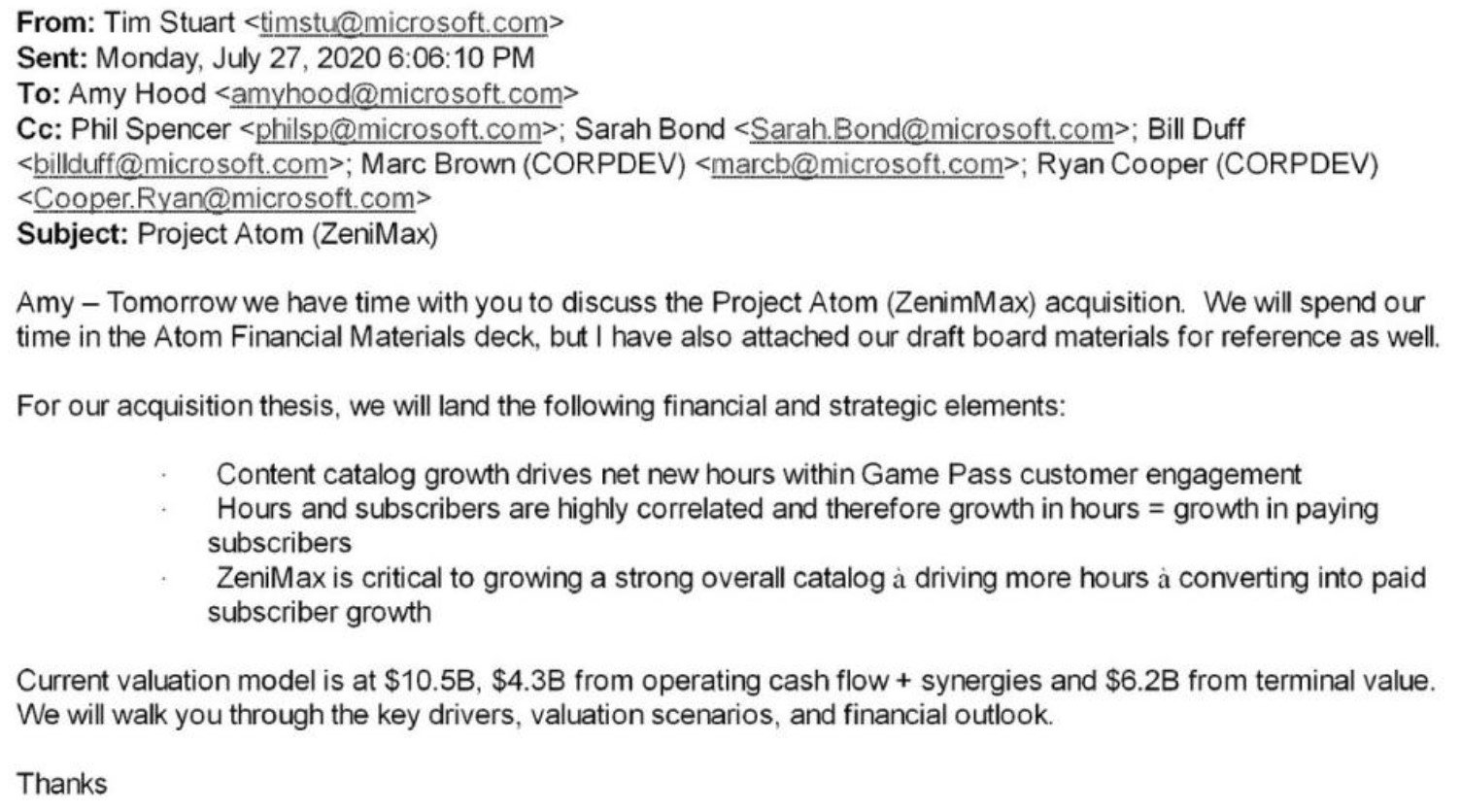
In September 2020, Microsoft’s announcement that it was acquiring ZeniMax Media for $7.5 billion in cash marked one of the most monumental milestones in modern video game history, fundamentally reshaping the competitive landscape of the interactive entertainment industry. This transaction brought iconic franchises like The Elder Scrolls, Fallout, Doom, Wolfenstein, and Dishonored under the Xbox umbrella, dramatically expanding Microsoft's first-party studio ecosystem and laying the strategic foundation for the modern Xbox Game Pass subscription model.
Historical Context and Evolution of ZeniMax Media
Founded in 1999 by Robert Altman and American journalist and businessman Christopher Weaver, ZeniMax Media began as a holding company for Bethesda Softworks, a developer and publisher that had established itself in the 1990s with pioneering role-playing games. Over the subsequent two decades, ZeniMax transformed from a boutique PC game publisher into a global publishing powerhouse. The company achieved this through strategic internal studio development, targeted acquisitions, and a commitment to high-budget, single-player cinematic experiences.
The expansion accelerated in the late 2000s and 2010s. Bethesda Game Studios, led by Todd Howard, released The Elder Scrolls IV: Oblivion (2006) and The Elder Scrolls V: Skyrim (2011), the latter of which became a cultural phenomenon and commercial juggernaut, selling tens of millions of copies across multiple console generations. Simultaneously, ZeniMax acquired id Software in 2009, bringing legendary developer John Carmack and foundational properties like Doom and Quake into the corporate fold. Subsequent acquisitions and studio formations included MachineGames (developers of the modern Wolfenstein series), Tango Gameworks (founded by Resident Evil creator Shinji Mikami, responsible for The Evil Within and Ghostwire: Tokyo), and Arkane Studios (creators of Dishonored and Prey).
By 2020, ZeniMax Media controlled multiple world-class development studios spread across North America and Europe, employing thousands of developers and managing a portfolio of intellectual properties that defined critical segments of the gaming market. This sprawling corporate structure, combined with its independent publishing apparatus, made ZeniMax an exceptionally valuable asset in an era where platform holders were aggressively consolidating studio talent to secure platform exclusivity and subscription value.
Financial Dynamics of the 7.5 Billion Valuation
When Microsoft announced the acquisition price of $7.5 billion in cash in September 2020, it represented the largest video game acquisition in industry history up to that point, a record that would only be surpassed by Microsoft's subsequent agreement to acquire Activision Blizzard for nearly $69 billion. To understand the economics of the $7.5 billion valuation, financial analysts examined ZeniMax’s revenue streams, profit margins, capital expenditure, and future growth projections, particularly regarding upcoming titles like Starfield and The Elder Scrolls VI.
Evaluating a private company of ZeniMax's scale involves complex financial modeling. Unlike publicly traded publishers such as Electronic Arts or Take-Two Interactive, ZeniMax’s precise quarterly revenues, development budgets, and profit margins were largely private prior to the acquisition. However, industry estimates and regulatory filings provided clear indicators of the company's financial weight:
- Recurring Revenue Streams: Titles like The Elder Scrolls Online, managed by ZeniMax Online Studios, generated substantial, steady microtransaction and subscription revenue over many years.
- Blockbuster Release Cycles: Major single-player releases historically generated massive spikes in revenue during launch quarters, followed by long tail sales.
- Intellectual Property Equity: The enduring market value of universally recognized franchises provided long-term security and merchandise potential.
- Production Costs: AAA game development required nine-figure budgets, meaning ZeniMax required significant liquidity and balance sheet strength to fund multiple simultaneous projects across its subsidiaries.
| Studio / Property | Acquired / Formed | Key Franchises / Contributions | Strategic Value to Microsoft |
|---|---|---|---|
| Bethesda Game Studios | Founded 2001 (Bethesda Softworks est. 1986) | The Elder Scrolls, Fallout, Starfield | Massive commercial draw; system-seller RPG developer. |
| id Software | Acquired 2009 | Doom, Quake, Rage | Technological leadership; premier first-person shooter heritage. |
| Arkane Studios | Acquired 2010 | Dishonored, Prey, Deathloop | Critical acclaim; immersive sim design pedigree. |
| MachineGames | Acquired 2010 | Wolfenstein series, Indiana Jones | Reliable action-adventure narrative development. |
| Tango Gameworks | Acquired 2010 | The Evil Within, Ghostwire: Tokyo, Hi-Fi Rush | Japanese market presence and horror/action expertise. |
| ZeniMax Online Studios | Formed 2007 | The Elder Scrolls Online | Live-service multiplayer revenue generation and operations. |
The cash transaction structure ensured that ZeniMax shareholders—including founders Robert Altman and Christopher Weaver, private equity firm Providence Equity Partners (which invested $300 million in ZeniMax in 2007), and key executives—received immediate liquidity. For Microsoft, deploying $7.5 billion of its massive cash reserves was a calculated capital allocation strategy aimed at neutralizing competitive threats from rival platform holders like Sony and filling a perceived gap in its first-party Western RPG portfolio.
Strategic Motivation for Microsoft
The primary driver behind Microsoft's acquisition of ZeniMax Media was the rapid scaling of Xbox Game Pass, a subscription service that Microsoft positioned as the cornerstone of its gaming business model. In 2020, subscription services relied heavily on day-one availability of high-profile titles to drive subscriber acquisition and retention. By acquiring ZeniMax, Microsoft ensured that future Bethesda releases—most notably Starfield and The Elder Scrolls VI—would launch directly into Xbox Game Pass on day one.
Furthermore, the acquisition addressed a historic vulnerability for the Xbox brand: a shortage of critically acclaimed, exclusive first-party role-playing games and single-player narrative experiences. While Xbox had long dominated the first-person shooter space through Halo and Gears of War, PlayStation had established a formidable lead in prestige single-player cinematic adventures. Absorbing Bethesda and its sister studios immediately leveled the playing field, providing Xbox with world-class talent capable of producing system-selling software across multiple genres.
The deal also carried defensive and offensive market implications. In the streaming and subscription era, content exclusivity is paramount. Had ZeniMax remained independent or been acquired by a competitor, Microsoft risked being shut out of some of the industry's most popular franchises or facing delayed platform access. By securing ownership, Microsoft insulated its ecosystem and established complete control over IP distribution rights.
Regulatory Scrutiny and Approval Process
Because of its multi-billion-dollar scale, the acquisition required rigorous antitrust and regulatory review across multiple international jurisdictions, most notably in the United States and the European Union. Regulators examined whether the merger would substantially lessen competition in the video game market or result in anti-competitive exclusive practices that would harm consumers.
In March 2021, both the United States Securities and Exchange Commission (SEC) and the European Commission cleared the acquisition without imposing behavioral remedies or structural conditions. The European Commission concluded that the transaction would not pose competition concerns, noting that Microsoft would still face significant competition from established rivals such as Sony, Nintendo, and various PC gaming giants. Following regulatory clearance, Microsoft officially finalized the acquisition on March 9, 2021, absorbing ZeniMax Media into a newly formed subsidiary named Vault Integration, effectively completing the transition.
Long-Term Industry Ramifications
The $7.5 billion valuation of ZeniMax Media set a new high-water mark for industry consolidation, signaling to Wall Street and Silicon Valley that video game intellectual property commanded premium valuations comparable to major Hollywood studios. This transaction established a precedent that directly influenced subsequent market movements, including Sony's acquisition of Bungie and Microsoft's subsequent attempted acquisition of Activision Blizzard.
For consumers, the acquisition transformed the accessibility of major franchises. While pre-existing multi-platform agreements (such as timed console exclusives for Deathloop and Ghostwire: Tokyo) were honored, subsequent major releases from Bethesda Softworks shifted to an Xbox-exclusive and PC-first publishing strategy. This shift sparked widespread debate within the gaming community regarding platform exclusivity, market consolidation, and the future availability of iconic franchises on competing hardware platforms.
Frequently Asked Questions
Why was ZeniMax Media valued at $7.5 billion in 2020?
The $7.5 billion valuation reflected the immense market value of ZeniMax's proprietary intellectual properties, including The Elder Scrolls, Fallout, and Doom, alongside its stable of acclaimed development studios and the proven recurring revenue of The Elder Scrolls Online.
Did the acquisition include all Bethesda Softworks games?
Yes, the acquisition encompassed all of ZeniMax Media's publishing labels, development studios, and intellectual property portfolio, giving Microsoft full ownership of Bethesda Game Studios, id Software, Arkane, MachineGames, Tango Gameworks, and ZeniMax Online Studios.
How did the acquisition affect PlayStation owners?
While games already under specific multi-platform contracts were released on PlayStation as planned, subsequent new titles developed by acquired studios—such as Starfield—were published exclusively for Xbox consoles, PC, and cloud streaming services, with future platform availability determined on a case-by-case basis.
What role did Xbox Game Pass play in the acquisition?
Xbox Game Pass was the primary strategic driver for the deal. Microsoft aimed to secure a steady stream of blockbuster day-one releases to increase subscriber growth, boost service retention, and strengthen the overall value proposition of the Xbox ecosystem.
Were there any regulatory hurdles for the ZeniMax purchase?
The acquisition underwent standard antitrust reviews in the United States and the European Union. Both regulatory bodies approved the transaction in March 2021 without conditions, determining that the merger did not violate anti-competition laws.
Conclusion and Next Actions
The 2020 valuation and subsequent acquisition of ZeniMax Media for $7.5 billion stands as a watershed moment that accelerated the corporate consolidation of the interactive entertainment industry. For industry observers, financial analysts, and market researchers studying this transaction, the key takeaway is the paramount importance of proprietary intellectual property and subscription-driven business models in modern tech economics. To further examine this topic, review official regulatory filings from the European Commission's merger registry and Microsoft's fiscal year earnings reports from 2021 to trace the financial integration of Bethesda Softworks into the Xbox business unit.