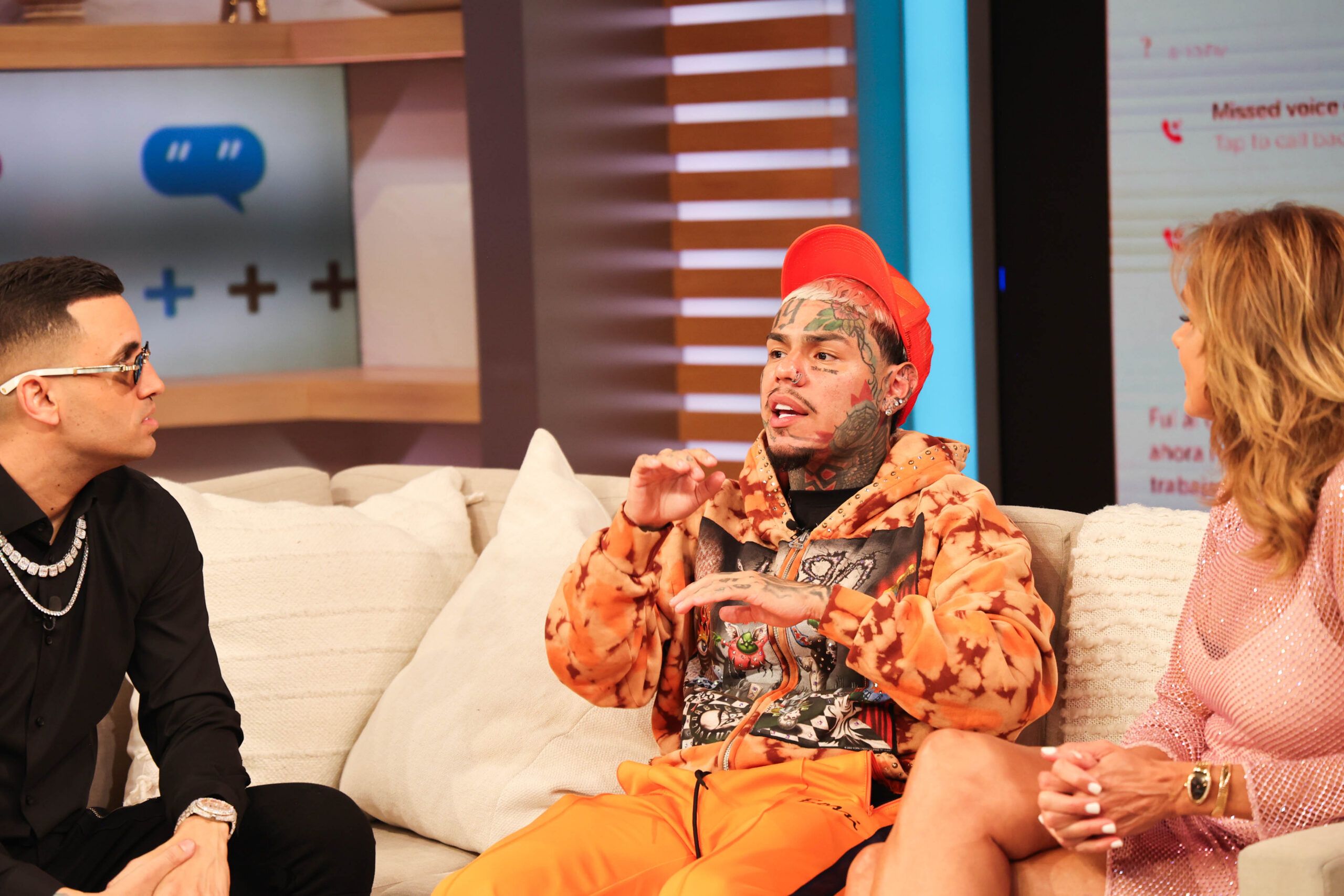
Tekashi 6ix9ine faced intense backlash and was labeled a "rat" by numerous rap artists and industry figures after cooperating with federal prosecutors, testifying against his former gang associates in exchange for a reduced sentence. This pivotal legal maneuver shattered street credibility codes deeply embedded in hip-hop culture, transforming him from a chart-topping Billboard artist into one of the most ostracized figures in modern music history.
The Genesis of the Controversy: Arrest and Cooperation
The turning point in Daniel Hernandez's, known professionally as Tekashi 6ix9ine, career and personal life occurred in November 2018. Federal agents arrested the rapper alongside high-ranking members of the Nine Trey Gangsta Bloods, a violent street gang operating in New York City. The charges against 6ix9ine were severe, including racketeering, conspiracy, firearms offenses, and armed robbery. Legal analysts initially predicted that the artist would face a mandatory minimum prison sentence of 47 years, with the possibility of spending the rest of his life behind bars due to the sheer weight of the federal indictment.
Facing decades in federal custody, 6ix9ine made a decision that fundamentally violated the unwritten code of the streets, often referred to as "stop snitching." In early 2019, he entered into a cooperation agreement with the United States Department of Justice. By pleading guilty to multiple charges and agreeing to testify truthfully against his former associates, he sought to secure a substantially lighter sentence. This legal strategy is common in federal racketeering cases, where prosecutors leverage lesser participants to dismantle entire criminal organizations. However, in the context of commercial hip-hop—a genre historically intertwined with street culture, real or projected—cooperating with law enforcement is viewed as the ultimate betrayal.
During the high-profile federal trial later that year, 6ix9ine took the stand as a prosecution witness. He detailed the inner workings of Nine Trey, identified specific gang members, and admitted to his own participation in various criminal acts to implicate others. His testimony directly contributed to the convictions of several individuals, including high-profile figures within his former entourage. While the legal maneuver achieved its immediate objective—resulting in a significantly reduced sentence of two years, much of which was later served in home confinement due to health concerns during the COVID-19 pandemic—it permanently severed his standing within the broader music community.
Hip-Hop Culture and the "Rat" Label
To understand why 6ix9ine being called a rat resonated so powerfully across the entertainment industry, one must examine the intersection of hip-hop culture and street codes. For decades, the foundational ethos of gangsta rap and street-oriented hip-hop has been rooted in anti-establishment defiance, loyalty, and a strict adherence to the code of silence when dealing with law enforcement. Informing, or "ratting," undermines the collective security of a community that operates outside or parallel to traditional legal systems.
When an artist commercializes a lifestyle associated with criminality, street violence, and defiance of authority, audiences and peers hold them to a higher standard of authenticity. 6ix9ine built his entire brand on shock value, hyper-aggressive confrontational behavior, and ostentatious displays of gang affiliation. He frequently used gang terminology in his lyrics, featured real gang members in his music videos, and projected an image of untouchable street dominance.
Consequently, when he immediately cooperated with federal authorities upon facing genuine legal jeopardy, the hip-hop community viewed his actions as the ultimate hypocrisy. Artists argued that he weaponized street culture for financial gain and personal fame, only to abandon its core principles the moment personal sacrifice was required. This hypocrisy catalyzed a universal backlash from veteran rappers, independent artists, and fans alike, who viewed him not merely as an individual who made a survival choice, but as a cultural fraud who permanently compromised the integrity of the genre.
Industry Backlash: Reactions from Prominent Artists
The public condemnation from fellow musicians was swift, widespread, and relentless. Almost every major figure in contemporary rap distanced themselves from 6ix9ine, utilizing social media, interviews, and their own music to denounce his actions.
- Snoop Dogg: The legendary West Coast rapper frequently criticized 6ix9ine on social media platforms, questioning why media outlets and fans continued to give him attention after he cooperated with federal authorities. Snoop Dogg famously contrasted modern internet culture with traditional street accountability.
- Meek Mill: Known for his own high-profile battles with the criminal justice system, Meek Mill engaged in public social media altercations with 6ix9ine, labeling him a government informant and arguing that his behavior endangered the lives of people connected to him.
- Lil Durk and Chicago Rap Scene: Artists from the Chicago drill scene, where 6ix9ine had previously collaborated with local figures before experiencing a falling out, were among his most vocal critics. They emphasized the danger that cooperating witnesses pose to communities affected by urban violence.
- The Game, 50 Cent, and Others: Even industry veterans who had previously maintained business or social associations with 6ix9ine—such as 50 Cent, who helped launch his early career—publicly severed ties, stating that his cooperation crossed an unforgivable line.
This collective ostracization manifested in tangible ways. Record labels became hesitant to collaborate with him, streaming platforms faced pressure regarding his releases, and major concert venues repeatedly canceled his scheduled performances due to security concerns and industry boycotts.
| Artist | Primary Critique | Reaction Type |
|---|---|---|
| Snoop Dogg | Hypocrisy of promoting gang culture while cooperating with federal authorities | Public social media commentary and interviews |
| Meek Mill | Danger posed to community members and betrayal of street loyalty | Direct online confrontations and industry distancing |
| Lil Durk | Compromising safety and violating foundational street codes | Lyrical references and public dismissals |
| 50 Cent | Severing prior mentorship and business associations | Public statements ending professional relationship |
6ix9ine's Response and Media Strategy
Rather than retreating from the spotlight or attempting to rebuild his career quietly, 6ix9ine adopted an aggressive, contrarian media strategy upon his release from federal custody. He leaned directly into the villain persona assigned to him by the industry, embracing the "rat" moniker as a form of shock marketing.
Upon launching his comeback single "Gooba" in 2020, which broke streaming records initially, he wore rainbow-colored hair and custom jewelry shaped like cartoon rats. In interviews, social media livestreams, and music videos, he routinely mocked his critics, flaunted private security details, and boasted about his financial success despite being blackballed by the mainstream music industry. He argued that his former associates had betrayed him first by plotting against his life and financial assets, thereby justifying his decision to cooperate with the government.
This calculated provocation temporarily sustained high levels of online engagement and viral visibility, but it ultimately limited his long-term commercial viability. While his core digital fanbase remained active, major radio stations, streaming playlists, and global brand partnerships remained closed to him. His later musical releases experienced diminishing returns, demonstrating that shock value and online notoriety could not indefinitely replace genuine industry collaboration and cultural acceptance.
Legal and Ethical Implications of Informing in Hip-Hop
The discourse surrounding 6ix9ine extends beyond pop culture gossip into serious discussions regarding the justice system, mass incarceration, and community survival. Legal scholars often point to the 6ix9ine case as a prime example of how federal racketeering statutes (RICO) pressure defendants into cooperation. Prosecutors utilize mandatory minimum sentences to compel low- or mid-level participants to testify against higher-ranking figures, fundamentally altering the dynamics of criminal organizations and street subcultures.
From an ethical standpoint, critics argue that glorifying street violence while condemning cooperation creates a dangerous paradox. However, within the insular ecosystem of hip-hop, the aversion to informing is deeply tied to historical systemic distrust of law enforcement in marginalized communities. When an artist profits from the aesthetic of lawlessness and subsequently collaborates with the state to mitigate personal consequences, it highlights a profound disconnect between manufactured rap personas and the harsh realities of street life.
Frequently Asked Questions
Why did Tekashi 6ix9ine cooperate with federal prosecutors?
He cooperated with federal prosecutors to secure a substantially reduced prison sentence. Facing multiple RICO charges and a potential mandatory minimum sentence of 47 years, he entered a plea agreement to testify against former gang associates in exchange for leniency from the judge.
How did other rap artists react to 6ix9ine being a cooperating witness?
Prominent artists across the industry—including Snoop Dogg, Meek Mill, Lil Durk, and 50 Cent—publicly condemned him. They argued that his actions violated foundational hip-hop codes of loyalty and integrity, leading to a widespread industry boycott and permanent social ostracization.
Did 6ix9ine try to hide the fact that he testified?
No. While he initially attempted to defend his actions immediately following his trial, he later leaned entirely into the controversy. He used the "rat" moniker as a marketing tool, incorporating rat imagery into his music videos, merchandise, and social media presence to generate viral attention.
How did cooperating affect 6ix9ine's career and safety?
Cooperating resulted in a drastically shortened prison sentence, but it severely damaged his long-term career prospects. Major radio stations, streaming playlists, and festival promoters largely blackballed him, and he continues to require extensive private security due to ongoing threats to his physical safety.
Conclusion and Next Actions
The labeling of Tekashi 6ix9ine as a rat by other artists represents a defining collision between the legal realities of federal prosecution and the unwritten codes of hip-hop culture. For readers examining this topic, understanding the nuances requires looking past tabloid headlines to analyze the structural pressures of RICO indictments, the economics of shock marketing, and the strict cultural boundaries governing authenticity in modern music. When evaluating similar entertainment controversies, always examine the underlying legal documentation, industry response, and the distinction between manufactured public personas and genuine cultural impact.