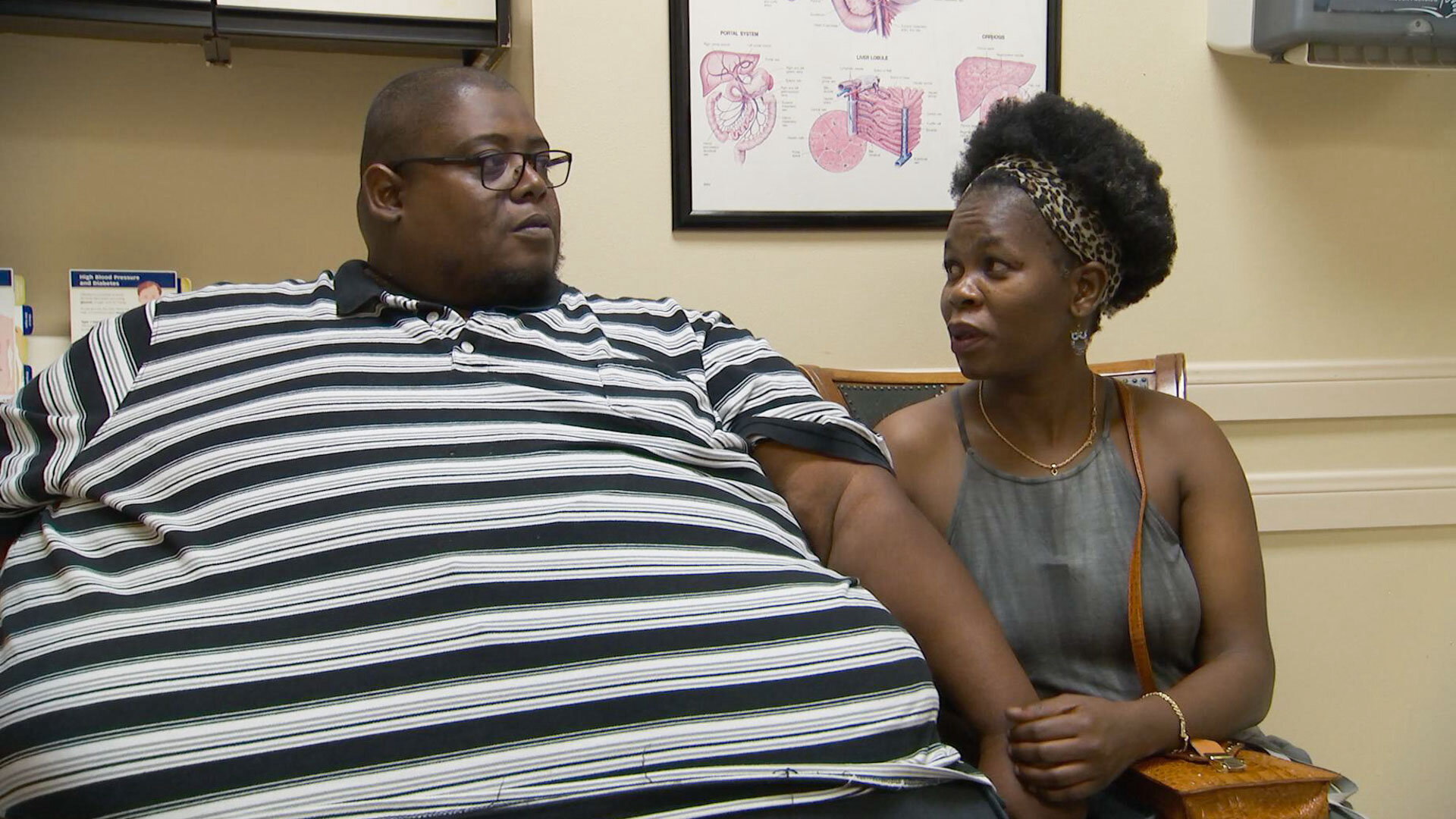
Severe obesity is frequently complicated by chronic swelling, skin breakdown, and massive adipose and fluid accumulation, a clinical reality regularly highlighted on media programs like My 600-lb Life. Lymphedema in patients with extreme body weights is a progressive, debilitating lymphatic disorder driven by mechanical overload, adipose tissue hypertrophy, and chronic inflammation that requires specialized bariatric and vascular management.
Defining Lymphedema in the Context of Severe Obesity
Lymphedema is a chronic condition characterized by the accumulation of protein-rich fluid in the interstitial spaces, leading to swelling, tissue fibrosis, and chronic inflammation. While primary lymphedema stems from congenital malformations of the lymphatic system, secondary lymphedema arises when external factors damage, obstruct, or overwhelm normally functioning lymphatic vessels. In individuals dealing with class III or extreme obesity—such as those featured on My 600-lb Life—secondary lymphedema is remarkably common and presents distinct clinical challenges.
The physiological link between extreme weight and lymphedema involves a combination of mechanical compression and metabolic dysfunction. As adipose tissue expands subcutaneously, it exerts intense pressure on the delicate, thin-walled lymphatic capillaries and collecting vessels underlying the skin. This chronic mechanical compression impedes the normal transit of lymph fluid, causing it to pool in the extremities, abdomen, or grotesque hanging folds of tissue known as panniculi. Furthermore, the chronic systemic inflammation associated with severe adiposity alters endothelial function and promotes fibrosis within the lymphatic channels, creating a compounding cycle where fat accumulation damages the lymphatic system, and lymphatic stasis further promotes localized fat and fluid deposition.
Clinical Presentation and Progression Stages
In patients with body weights approaching or exceeding 600 pounds, lymphedema rarely presents as mild ankle swelling. Instead, it typically manifests as massive, disfiguring lymphedematous masses, particularly in the lower extremities, calves, feet, and the abdominal panniculus. Understanding how the condition advances helps contextualize the medical urgency often depicted in clinical documentaries.
Medical professionals generally stage lymphedema using a four-stage system, ranging from Stage 0 (latent, where transport capacity is impaired but no swelling is visible) to Stage 3 (lymphostatic elephantiasis, characterized by severe skin thickening, deep skin folds, fat deposition, and wart-like papillomatous growths). Patients with severe obesity frequently present in advanced Stage 2 or Stage 3. Key clinical features include:
- Non-pitting Edema: Unlike standard fluid retention from heart or kidney failure, lymphedema fluid is rich in proteins, meaning pressing a finger into the skin typically leaves no indentation (non-pitting).
- Fibrotic Tissue Changes: Over time, the protein-rich fluid stimulates fibroblast proliferation, turning soft tissue into hard, woody, fibrotic masses.
- Skin Vulnerability and Infections: The stretched, compromised skin is highly susceptible to chronic weeping, maceration, and recurrent episodes of cellulitis or lymphangitis—serious bacterial infections that can lead to sepsis.
- Mobility Impairment: Massive lymphedematous legs or abdominal overhangs can weigh dozens or even hundreds of pounds, severely restricting a patient's ability to walk, stand, or perform basic activities of daily living.
The Interplay Between Bariatric Surgery and Lymphedema Management
A central theme in clinical management—and in the journeys of individuals undergoing massive weight loss—is whether shrinking the body cures lymphedema. The relationship between bariatric procedures, such as gastric bypass or sleeve gastrectomy, and lymphedema reduction is complex and requires a multi-disciplinary approach.
When a patient achieves substantial weight loss through bariatric surgery, the mechanical pressure exerted on the lymphatic system by surrounding adipose tissue decreases significantly. This reduction can lead to a marked decrease in fluid volume and soft tissue congestion, particularly in the early stages of lymphedema. However, once chronic lymphedema progresses to late-stage fibrosis and irreversible tissue hypertrophy, bariatric surgery alone is rarely sufficient to restore the limb or tissue fold to a normal size. The damaged lymphatic vessels do not magically regenerate simply because weight is lost. Therefore, comprehensive lymphedema therapy must be integrated alongside or following bariatric intervention.
| Treatment Modality | Primary Mechanism | Limitations in Extreme Obesity |
|---|---|---|
| Bariatric Surgery | Restricts caloric intake/absorption to induce systemic weight loss, relieving pressure on lymphatic vessels. | Does not repair damaged lymphatic vessels or reverse advanced tissue fibrosis. |
| Complete Decongestive Therapy (CDT) | Combines manual lymphatic drainage, compression wrapping, exercise, and skin care. | Difficult to apply due to patient size, mobility limitations, and lack of specialized bariatric wrap supplies. |
| Panniculectomy / Excisional Surgery | Surgically removes massive hanging folds of skin and fibrotic lymphedematous tissue. | Carries high surgical risks in super-obese patients; often deferred until substantial weight loss is achieved. |
| Intermittent Pneumatic Compression | Uses pump devices to mechanically drive fluid out of congested limbs. | Standard devices may not fit limbs with massive circumferences; requires custom equipment. |
Comprehensive Decongestive Therapy (CDT) and Practical Barriers
The gold standard for conservative management of lymphedema is Complete Decongestive Therapy (CDT). Administered by certified lymphedema therapists, CDT consists of two phases: an intensive reduction phase and a long-term maintenance phase. Executing CDT in patients with extreme obesity introduces severe logistical and physiological hurdles.
Phase one of CDT involves manual lymphatic drainage (a specialized massage technique designed to redirect fluid around blocked areas), multi-layer short-stretch compression bandaging, meticulous skin care to prevent infections, and tailored remedial exercises. In patients weighing 600 pounds or more, standard commercial compression bandages and garments simply do not fit. Custom-made compression systems must be fabricated, which can be costly and difficult to apply correctly due to the sheer geometry of the limbs and tissue folds. Furthermore, manual lymphatic drainage requires significant physical exertion from the therapist to move heavy, fibrotic tissues, often necessitating specialized mechanical assistance or multiple practitioners.
Phase two focuses on self-management, utilizing custom compression garments, ongoing exercise, self-massage, and skin hygiene. For an individual with limited mobility, adhering to a rigorous daily self-care routine is exceptionally challenging without caregiver support. Without consistent maintenance, fluid quickly reaccumulates, reversing any progress made during the intensive phase.
Surgical Options for Advanced Lymphedema
When conservative measures like CDT and bariatric-induced weight loss fail to adequately reduce massive lymphedema, surgical interventions are evaluated. These procedures generally fall into two categories: reductive surgeries and physiological (reconstructive) surgeries.
Reductive surgeries, such as a panniculectomy, radical reduction of the extremities (the Charles procedure), or liposuction combined with excision, physically remove excess adipose and fibrotic tissue. In the context of severe obesity, removing a massive abdominal panniculus or heavy leg tissue can instantly relieve weight strain and reduce infection risks. However, these surgeries are major operations carrying elevated risks of poor wound healing, infection, and hemorrhage, particularly in patients with compromised microvascular circulation.
Physiological procedures, such as vascularized lymph node transfer (VLNT) and lymphoovenous anastomosis (LVA), aim to restore lymphatic drainage by bypassing blockages or introducing healthy lymphatic tissue. LVA connects tiny lymphatic vessels directly to adjacent venules, allowing lymph fluid to drain into the venous bloodstream. VLNT involves harvesting healthy lymph nodes from one part of the body and transplanting them into the affected, congested area. While these techniques are highly effective in early-to-moderate lymphedema, their utility in patients with massive, chronic, end-stage fibrotic lymphedema combined with extreme obesity is often limited, meaning reductive options are more frequently utilized.
Common Management Mistakes and Clinical Risks
Managing lymphedema in the presence of extreme obesity is fraught with potential pitfalls. Misdiagnosing the condition or applying inappropriate treatments can accelerate tissue damage and lead to life-threatening complications.
- Relying Solely on Diuretics: A frequent error is treating lymphedema with standard water pills (diuretics). Because lymphedema fluid is protein-rich and trapped in the interstitium rather than circulating freely in the vascular system, diuretics are generally ineffective and can cause dangerous electrolyte imbalances or dehydration.
- Using Improper Compression: Applying high-pressure, rigid, or long-stretch bandages without professional guidance can cut off arterial blood supply, cause severe skin necrosis, or worsen lymphatic obstruction.
- Ignoring Skin Hygiene: The deep folds characteristic of obesity-associated lymphedema create warm, moist environments ideal for fungal and bacterial proliferation. Neglecting daily cleaning and drying of these crevices frequently leads to severe, recurrent cellulitis that can cause systemic sepsis and further scar the lymphatic channels.
- Delaying Multidisciplinary Care: Waiting until mobility is entirely lost before addressing lymphedema drastically reduces the efficacy of interventions. Early consultation with bariatric surgeons, vascular specialists, and certified lymphedema therapists is essential to preserve functional independence.
Conclusion and Next Practical Steps
Lymphedema in individuals with extreme obesity is a formidable medical condition requiring coordinated, long-term specialized care rather than isolated interventions. If you or a loved one are navigating severe obesity accompanied by chronic swelling, skin breakdown, or mobility-limiting tissue masses, the primary course of action is to seek a comprehensive evaluation from a bariatric multidisciplinary team. Request referrals to a vascular specialist and a certified lymphedema therapist (CLT) who have experience handling bariatric populations. Establishing an integrated treatment plan that combines weight management, customized compression therapy, meticulous skin care, and infection surveillance is vital to improving mobility, reducing health risks, and enhancing overall quality of life.