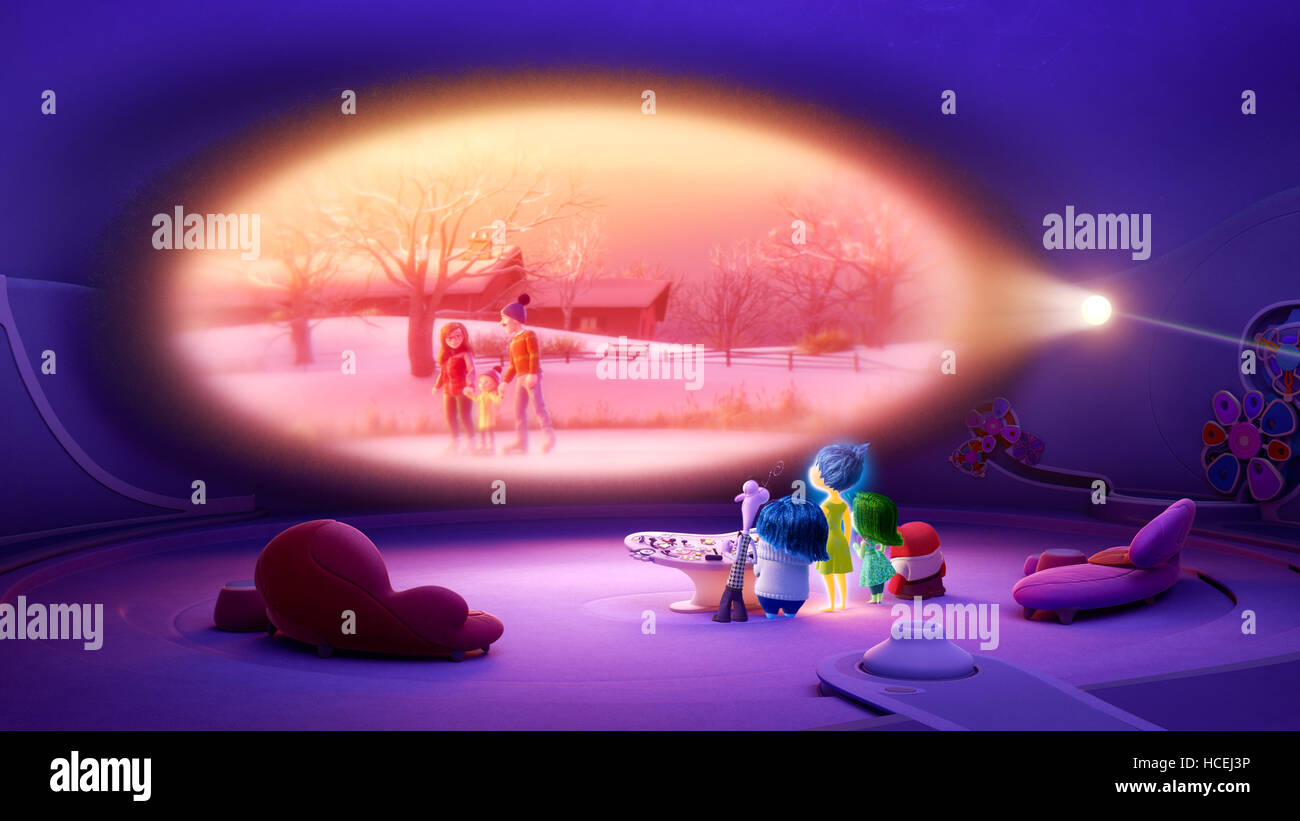
While Inside Out 2 achieved massive commercial success following its 2024 release, the absence of Bill Hader as Fear created a noticeable shift in comedic rhythm and character depth that still resonates with audiences in 2026. For many, the replacement of a core cast member due to a high-profile salary dispute undermined the emotional continuity and the specific, manic energy that Hader originally brought to the personification of Riley’s cautiousness.
The Legacy of Bill Hader as "Fear"
When Inside Out premiered in 2015, Bill Hader’s portrayal of Fear was cited as a masterclass in neurotic voice acting. Hader, known for his incredible range of impressions and vocal contortions on Saturday Night Live, didn't just provide a voice; he provided a specific kind of high-strung, improvisational energy. Fear was more than just a cowardly character; he was a frantic, jittery, and oddly charismatic presence who acted as a perfect foil to the more grounded emotions like Joy and Sadness.
As we look back from 2026, the transition to Tony Hale in the sequel remains a point of contention among Pixar purists. While Hale is an accomplished actor—famous for his work in Arrested Development and as Forky in Toy Story 4—the change felt jarring for those who had lived with the original film for nearly a decade. The reasons why this change "didn't deliver" for a significant portion of the audience are multifaceted, ranging from the technical nuances of voice acting to the behind-the-scenes business decisions that shaped the production.
1. The Disruption of the Vocal "Uncanny Valley"
In animation, the voice is the soul of the character. When a voice actor is replaced, the audience often experiences a form of the "uncanny valley." Even if the replacement actor is talented and attempts to match the original pitch and cadence, the subtle differences in timing, breath-work, and emotional "weight" can feel "off" to the viewer.
Bill Hader’s Fear was characterized by sharp, jagged vocal spikes. His screams were legendary, often transitioning from a deep rumble to a high-pitched squeal in a way that felt organic to Hader’s specific physical comedy background. Tony Hale’s approach to Fear, while technically proficient, leaned more into a consistent, whimpering anxiety. Because the sequel also introduced the character Anxiety (voiced by Maya Hawke), the distinction between "Fear" and "Anxiety" became muddled. Hader’s Fear had a distinct "doom-and-gloom" comedic flair that separated him from general nervousness; without that specific Hader spark, Fear often felt like a secondary version of the newer, more prominent Anxiety.
2. The Narrative Shift Toward "Anxiety"
One of the primary reasons Hader’s absence was so acutely felt is that the script for Inside Out 2 naturally de-prioritized the original "Legacy Emotions." As Riley entered her teenage years, the story focused heavily on the new emotions: Anxiety, Envy, Ennui, and Embarrassment.
For viewers who loved the original five, the reduction in screen time for Fear, Disgust, and Anger was already a hurdle. However, when the screen time for a character like Fear is reduced and the voice has changed, the character loses its anchor. Fans of Hader’s work felt that the character became a background extra rather than a core component of Riley’s psyche. In the 2015 original, Fear had several standout sequences—such as his reaction to the "Subconscious" or his constant monitoring of Riley’s safety—that were built around Hader’s ability to "riff." In the sequel, the dialogue for Fear felt more functional and less inspired, leading many to believe that the writers may have struggled to write for the character without Hader’s specific comedic voice in mind.
3. The Shadow of the Salary Dispute
It is impossible to discuss why Inside Out 2 failed to deliver for some without mentioning the business reality of its production. Reports emerged during the film’s development that Bill Hader and Mindy Kaling (the original Disgust) were offered significantly less than Amy Poehler (Joy). While Poehler was reportedly offered $5 million plus bonuses, Hader and Kaling were allegedly offered $100,000 without the same back-end incentives.
This disparity became a public talking point that colored the perception of the film before it even hit theaters. For many viewers, knowing that a favorite actor was "lowballed" out of a role creates a psychological barrier to enjoying the replacement. It shifts the viewer’s focus from the art to the industry’s labor practices. By 2026, this event is often cited in discussions about voice actor compensation and the perceived "expendability" of non-lead talent in major franchises. When audiences see a character they love and know the original actor isn't there because of a pay gap, it can leave a "bad taste" that prevents them from fully engaging with the movie’s emotional themes.
4. Loss of the "SNL" Ensemble Synergy
The original Inside Out cast featured a unique synergy, particularly between Hader, Poehler, and the rest of the ensemble. Many of these actors had worked together or moved in the same comedic circles for years. There is a specific kind of comedic shorthand that exists between veteran improvisers, and that energy was palpable in the first film’s recording sessions (even if they were recorded separately, the editors could play off their established rhythms).
Tony Hale is a brilliant comedic actor, but he brings a different "frequency." Hale’s comedy is often rooted in awkward silences and internalised panic (as seen in Veep). Hader’s comedy is more "loud" and transformative. By removing Hader, the chemistry of the "Original Five" was fundamentally altered. In the sequel, the interactions between Fear and Anger (Lewis Black) or Fear and Joy lacked the same "sparky" back-and-forth that defined the first film. For viewers who re-watch the original frequently, the change in the ensemble's "music" was the most noticeable disappointment.
5. The "Replacement Effect" and Character Evolution
In the world of sequels, audiences expect characters to grow. However, when a character is recast, the focus often shifts from "How is Fear growing?" to "Does the new guy sound like the old guy?" This creates a stagnation in character development.
In Inside Out 2, Fear’s role was largely to be a victim of the new emotions' takeover. Because Pixar had to establish a new actor in the role, they seemed to play it "safe" with Fear’s characterization. They leaned into his most recognizable traits—shaking, screaming, and being scared—without giving him the nuanced evolution that Joy or Sadness received. For Hader fans, it felt like the character was reduced to a caricature. Had Hader returned, there might have been more room to explore how "Fear" adapts to the onset of "Anxiety," perhaps through a mentor-protégé relationship or a more complex rivalry. Instead, the recast version of Fear felt like a placeholder in his own story.
Performance Comparison: Fear in 2015 vs. 2024
To better understand the differences that viewers noted, the following table breaks down the performance characteristics of Fear across both films.
| Feature | Bill Hader (Inside Out, 2015) | Tony Hale (Inside Out 2, 2024) |
|---|---|---|
| Primary Vocal Tone | Manic, high-pitched spikes, gravelly screams. | Breathier, consistent whimper, "nervous" undertone. |
| Comedic Style | Improvisational, loud, physical (vocal) slapstick. | Methodical, deadpan anxiety, reactionary. |
| Character Presence | Actively drove sub-plots and provided "riff" energy. | Supportive role, largely reacting to new emotions. |
| Audience Perception | "Essential" part of the original ensemble. | Competent replacement, but distinct from the original. |
| Chemistry | Strong "SNL-style" timing with Joy/Sadness. | Functional interaction, less rhythmic "ping-pong." |
Technical Challenges of Voice Recasting
Recasting a character in a major animated franchise is a technical minefield. When Pixar’s sound team and directors worked on Inside Out 2, they had to decide whether Tony Hale should do a direct imitation of Bill Hader or bring his own interpretation to the role.
Choosing a direct imitation often leads to a "flat" performance because the actor is focused on mimicry rather than acting. Choosing a new interpretation, as Hale largely did, risks alienating the fanbase. This is a classic "no-win" scenario in animation. Furthermore, the 2024 production had to contend with the fact that Hader’s Fear was deeply ingrained in the "soundscape" of the Inside Out world. Every sound effect associated with Fear—his footsteps, his gasps—was designed around Hader’s performance. When those were paired with a different voice, the "audio-visual" cohesion was slightly fractured.
The Industry Context of 2024–2026
By 2026, the discussion around Inside Out 2 has become a case study for the "Age of the Sequel." It highlights the tension between creative continuity and corporate budgeting. While the film was a massive hit, it also marked a turning point where fans began to scrutinize the "behind-the-scenes" drama as much as the on-screen content.
The decision not to meet Hader’s salary requirements may have saved Disney/Pixar several million dollars, but it cost the film a portion of its "creative soul" in the eyes of many. In an era where audiences are increasingly savvy about production details, these choices have long-tail consequences on brand loyalty and the perceived "magic" of a studio like Pixar, which was once thought to prioritize creative integrity above all else.
FAQ: Frequently Asked Questions
Why didn't Bill Hader return for Inside Out 2?
Bill Hader did not return for the sequel primarily due to a salary dispute. Reports indicated a significant pay gap between the lead voice (Amy Poehler) and the supporting cast (Hader and Mindy Kaling). Despite the first film's success, the offer made to Hader was reportedly not commensurate with his contribution to the franchise.
Did Tony Hale do a good job as Fear?
Tony Hale is widely regarded as a talented voice actor, and most critics agreed his performance was "fine" or "serviceable." However, the consensus among many fans was that it lacked the specific manic energy that Hader originally established. The performance was different in "flavor," which felt like a loss for those who preferred Hader’s specific comedic timing.
Was Mindy Kaling also replaced in Inside Out 2?
Yes, Mindy Kaling was replaced by Liza Lapira as the voice of Disgust. Similar to Hader, Kaling’s absence was attributed to the same salary negotiation issues. This meant that 40% of the original "Emotion" cast was changed for the sequel.
Did the change in voice actors affect the box office?
In the short term, no. Inside Out 2 became one of the highest-grossing films of all time. However, in the long term (as of 2026), the "recast" issue is often cited as a reason why the sequel is viewed by some as slightly less "magical" or "evergreen" than the original film.
How does Fear's role change in the sequel?
In Inside Out 2, Fear takes a backseat to the new emotion, Anxiety. While Fear in the first film was a primary protector of Riley, in the sequel, he is largely overwhelmed by the more complex, future-oriented worries that Anxiety represents. This shift in narrative focus made the change in voice actors even more noticeable to some, as the character felt "diminished."
Moving Forward: The Future of Pixar Casting
For viewers who felt that Inside Out 2 didn't quite deliver the same experience as the original, the Bill Hader situation serves as a reminder of the importance of ensemble chemistry. When watching sequels in the future, it is helpful to look at the cast list early. If key members are missing, it often signals a shift in the film’s priorities—from character-driven storytelling to brand-driven expansion.
If you are a fan of the original "Fear," the best way to experience that character remains the 2015 film and the various shorts produced during that era. While the sequel offers a new chapter in Riley’s life, it also serves as a testament to the fact that some performances are truly singular and cannot be easily replicated, regardless of the studio's resources.