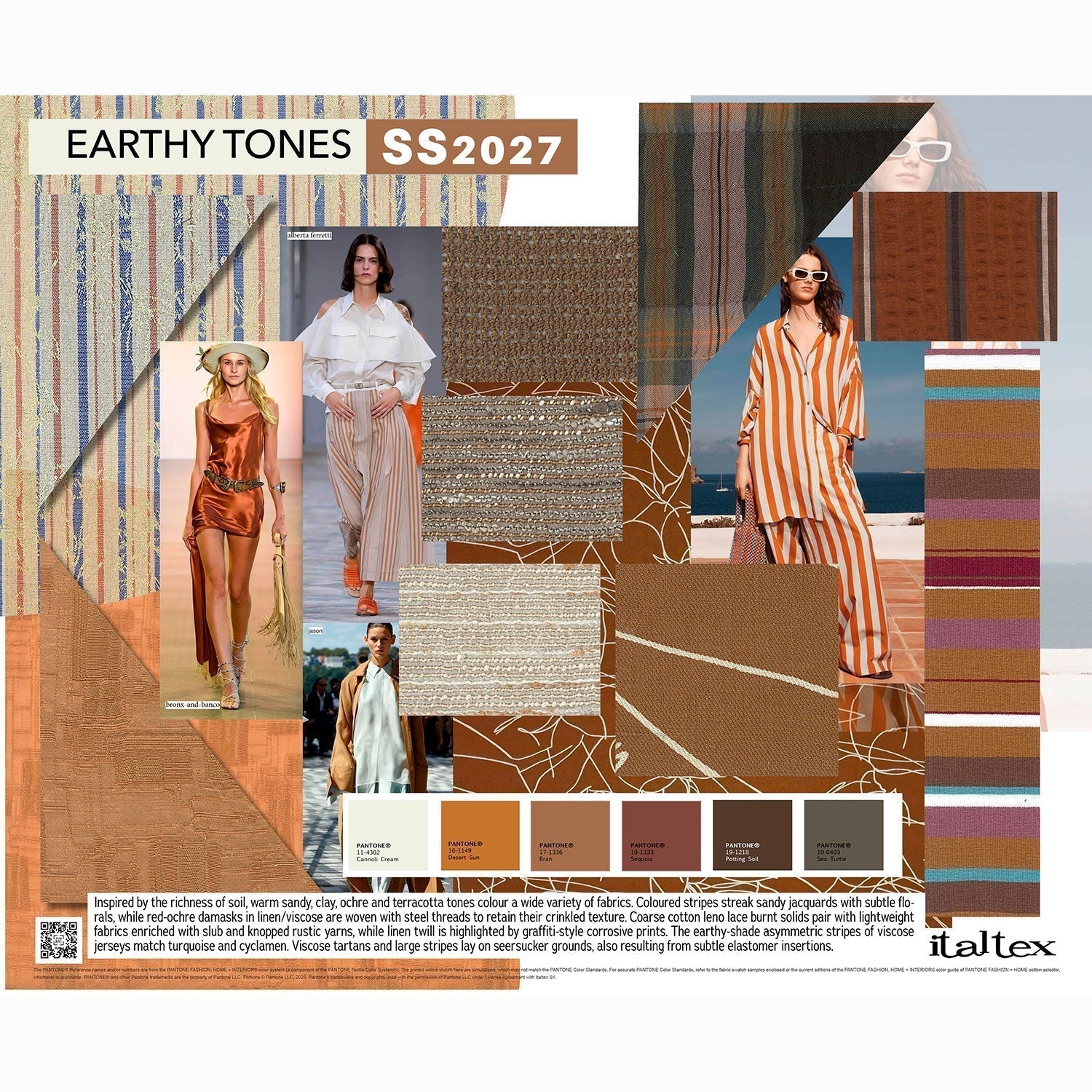
The concept of "max season outfit trends" centers on high-impact, statement-driven styling choices that maximize visual interest, structural volume, and seasonal versatility. Rather than relying on fleeting micro-trends, mastering these five distinct aesthetic movements allows dressers to build cohesive, high-turnover capsules that balance comfort, maximalist silhouettes, and contemporary tailoring.
Understanding the Evolution of Max-Season Styling
The modern approach to seasonal dressing has evolved past rigid wardrobe swaps between summer and winter. Instead, contemporary fashion cycles focus on transitional, high-impact pieces that transcend standard calendar boundaries. When evaluating max-season outfit trends, the objective is to prioritize garments that offer maximum silhouette drama, superior fabric integrity, and multi-season layering capability.
Navigating these trends requires an understanding of how proportion, texture, and color theory intersect. By anchoring a wardrobe with structured outerwear, fluid tailoring, statement knitwear, sculptural accessories, and high-impact footwear, dressers can curate looks that feel intentional and visually striking. The following sections break down the five defining trends shaping the landscape, offering a roadmap for practical execution, technical evaluation, and wardrobe integration.
Trend 1: Architectural Outerwear and Sculptural Silhouettes
The first major trend revolves around architectural outerwear. Traditional coats and jackets have been reimagined through the lens of sculpture, featuring exaggerated shoulders, asymmetrical closures, and cinched, corseted waists that redefine the human silhouette.
Structural Integrity and Fabric Weight
Achieving this look relies heavily on heavy-weight textiles. Materials such as structured wool-melton, heavy gabardine, boiled wool, and stiffened leather provide the necessary rigidity to maintain exaggerated proportions without collapsing.
- Shoulder Engineering: Look for dropped shoulders with internal padding or sharply pointed power shoulders that echo 1980s tailoring without feeling dated.
- Fastening Systems: Concealed plackets, oversized horn buttons, and dramatic wrap-belts allow the wearer to alter the garment's silhouette from boxy to fitted instantly.
Practical Integration and Layering
Architectural coats are inherently statement pieces. Because of their volume, they dictate the proportions of the entire outfit. To maintain balance, pair oversized structured coats with slim-fitting base layers—such as ribbed turtlenecks or straight-leg trousers—to create a deliberate contrast between fitted elements and structural outerwear.
Trend 2: Liquid Tailoring and Fluid Proportions
While outerwear focuses on rigidity, the second trend moves in the opposite direction: liquid tailoring. This approach abandons stiff, boxy office wear in favor of trousers, blazers, and vests cut from fluid, high-drape fabrics that move organically with the body.
Fabric Selection and Drape
The success of liquid tailoring depends entirely on textile selection. Fabrics like satin-backed crepe, silk-wool blends, cupro, and fluid viscose offer a heavy drape that pools gracefully at the hem.
- Trousers: Extra-long, wide-leg trousers that break over footwear create an uninterrupted vertical line, elongating the frame.
- Blazers: Unlined or lightly structured blazers with extended lengths can be worn loose or belted tightly at the waist to alternate between relaxed and tailored aesthetics.
Color Palettes and Monochromatic Styling
Liquid tailoring thrives in cohesive, monochromatic palettes. Styling a fluid silk-blend trouser with a matching duster jacket in deep charcoal, rich espresso, or minimalist ivory creates a seamless, elongated look suitable for both professional environments and formal evening settings.
Trend 3: Elevated Texture Play and Dimensional Knitwear
Max-season dressing relies heavily on tactile engagement. The third trend focuses on elevated texture play, moving away from flat knits and smooth surfaces to embrace heavy-gauge cables, brushed mohair, tactile bouclé, and intricate open-work stitching.
| Texture Type | Ideal Garment Application | Best Styling Pairings | Care & Maintenance Requirements |
|---|---|---|---|
| Heavy-Gauge Cable Knit | Oversized sweaters, chunky cardigans | Sleek leather trousers or midi skirts | Hand wash cold, dry flat to prevent stretching |
| Brushed Mohair & Alpaca | Crewneck sweaters, fluffy coats | Tailored wool trousers, denim | Professional dry cleaning or gentle hand wash |
| Textured Bouclé | Structured blazers, matching sets | Silk slip dresses, fine cotton basics | Dry clean only to preserve loop integrity |
| Ribbed Cashmere | Fitted turtlenecks, sweater dresses | Wide-leg trousers, trench coats | Hand wash with specialized wool detergent |
Balancing Bulk and Proportion
Because textured and chunky knitwear adds physical and visual weight, proportion balance is critical. Pairing an oversized, heavy-gauge cable knit sweater with a sleek, minimalist satin skirt or razor-sharp trousers prevents the outfit from looking shapeless.
Trend 4: Bold Statement Footwear as a Foundation
Footwear in a max-season rotation is rarely an afterthought; it serves as the anchor of the outfit. The fourth trend highlights bold, character-driven footwear that transforms a simple ensemble into an intentional fashion statement.
Key Footwear Silhouettes
- Extended-Shaft Riding Boots: Tall leather boots with structured shafts tucked under wide-leg trousers or worn visibly with midi hemlines.
- Sculptural-Heel Ankle Boots: Minimalist leather or suede boots featuring curved, metallic, or architectural heels that add subtle artistry to the lower half of the look.
- Utility-Infused Loafers: Chunky-soled lug-sole loafers constructed from polished calfskin, bridging the gap between utilitarian durability and refined elegance.
Practical Considerations for Seasonal Footwear
When investing in statement footwear, verify the sole construction and leather treatment. Water-resistant finishes and rubber-injected outsoles extend the lifespan of luxury footwear, ensuring they withstand varied weather conditions without compromising their aesthetic finish.
Trend 5: Maximalist Accessories and Hardware Integration
The final trend centers on maximalist accessories and prominent hardware. This approach rejects minimalist subtlety in favor of oversized jewelry, statement belts with sculptural buckles, and structured top-handle bags featuring heavy metallic accents.
Strategic Hardware Placement
Hardware acts as the punctuation mark of an outfit. Integrating oversized metallic elements—such as hammered gold cuffs, chunky chain-link necklaces, or industrial grommet belts—draws the eye and creates focal points across the body.
- Layering Metals: Mixing polished brass with brushed silver breaks traditional styling rules and adds modern depth.
- Bag Selection: Opt for structured, boxy top-handle bags with heavy turn-lock closures or metallic framing to echo the hardware present in belts and jewelry.
Comparing the 5 Max Season Outfit Trends
To help visualize how these trends intersect within a functional wardrobe, the comparison matrix below outlines their core characteristics, primary garments, and styling difficulty.
| Trend Name | Primary Aesthetic Focus | Essential Garment Examples | Styling Difficulty | Best For |
|---|---|---|---|---|
| Architectural Outerwear | Structural volume & silhouette definition | Sculptural wool coats, corseted blzers | Moderate | Transition seasons, formal outerwear |
| Liquid Tailoring | Fluid drape & elongated lines | Wide-leg crepe trousers, unlined blazers | Easy | Professional wear, evening events |
| Dimensional Knitwear | Tactile contrast & heavy textures | Cable knits, mohair cardigans, bouclé | Easy | Cold-weather styling, layered casual |
| Statement Footwear | Grounding proportions & visual impact | Lug-sole loafers, sculptural-heel boots | Moderate | Elevating everyday basics |
| Maximalist Accessories | Hardware integration & focal points | Chunky metal jewelry, structured bags | Advanced | Polishing monochromatic outfits |
Frequently Asked Questions
How can I wear max-season trends without looking overwhelmed by oversized silhouettes?
The key to wearing oversized silhouettes is the rule of contrast. If you are wearing an architectural coat or wide-leg liquid trousers (Trend 1 or Trend 2), pair it with a fitted base layer, such as a ribbed turtleneck or a tucked-in silk shirt. This ensures your body shape remains defined while still embracing voluminous trends.
Are these max-season trends suitable for professional office environments?
Yes, several of these trends integrate seamlessly into professional dress codes. Liquid tailoring (Trend 2) and structured architectural outerwear (Trend 1) are exceptionally well-suited for corporate settings when executed in neutral color palettes like navy, charcoal, or black.
How do I care for delicate textured knits and mohair garments?
Textured and brushed knitwear (Trend 3) requires careful maintenance to prevent matting and pilling. Always hand wash using lukewarm water and specialized wool detergent, or opt for professional dry cleaning. Store these garments folded in drawers rather than hanging them on hangers, as hanging stretches the shoulder seams.
Can I mix multiple max-season trends in a single outfit?
While mixing trends is possible, it requires a restrained hand to avoid visual clutter. If you are wearing architectural outerwear and statement footwear, keep your accessories understated. When styling maximalist accessories (Trend 5), let them shine against a minimalist backdrop of liquid tailoring or monochromatic knitwear.
Practical Next Steps for Your Wardrobe
Curating a wardrobe around these five max-season outfit trends does not require a complete overhaul. Begin by auditing your existing closet to identify gaps in your outerwear and tailoring categories. Invest in one foundational architectural coat or a pair of fluid, wide-leg trousers that fit your daily lifestyle. From there, introduce tactile knitwear and statement footwear to build depth, ensuring every new addition enhances both comfort and longevity.