A 12-month auto insurance policy provides a guaranteed premium rate for a full year, protecting drivers from the mid-year price increases common with standard 6-month policies. While most major carriers default to semi-annual renewals to adjust for inflation and risk, 12-month terms offer superior financial predictability and administrative simplicity for qualified policyholders.
In the current 2026 insurance landscape, where vehicle repair costs and medical expenses continue to fluctuate, securing a year-long rate lock has become a strategic priority for many households. Most drivers are accustomed to the traditional 6-month renewal cycle, but shifting to an annual policy requires an understanding of how these contracts differ in terms of underwriting, payment structures, and long-term savings.
Below are five comprehensive insights into the mechanics, benefits, and availability of 12-month auto insurance policies.
1. Rate Stability and Protection Against Economic Volatility
The primary advantage of a 12-month policy is the "rate lock" feature. In a standard 6-month policy, the insurance company re-evaluates its pricing every half-year. This gives the insurer two opportunities per year to raise your premiums based on regional inflation, increased accident rates in your zip code, or changes in their corporate loss ratios.
By contrast, a 12-month policy legally binds the insurer to the agreed-upon rate for 365 days, provided you do not make significant changes to the policy. In 2026, as the industry grapples with the rising costs of advanced driver-assistance systems (ADAS) and expensive EV battery repairs, these mid-year adjustments can be substantial. A 12-month term serves as a hedge against these market-wide price hikes.
However, it is important to distinguish between a rate lock and a fixed premium. While the base rate is locked, your premium can still change if you trigger an "endorsement" or "mid-term adjustment." Common triggers include:
- Adding or removing a vehicle.
- Adding a new driver (such as a teenager getting their license).
- Moving to a new primary residence with a different risk profile.
- Changing your coverage limits or deductibles.
2. Carrier Availability and the Niche Market Strategy
12-month policies are not the industry standard; they are a specialized product used by specific carriers to attract low-risk, loyal customers. Because insurers take on more "pricing risk" by not being able to adjust rates for a year, they are often selective about who they offer these terms to.
Several prominent carriers have historically led this space, though availability often depends on your state of residence:
- The Hartford: Known primarily for its partnership with AARP, The Hartford is the most prominent provider of 12-month auto insurance policies. They use the year-long term as a selling point for retirees and mature drivers who value budget consistency.
- Liberty Mutual: While they offer 6-month terms, Liberty Mutual frequently provides 12-month options to specific segments or through certain employer-sponsored programs.
- MetLife (now part of Farmers): Some legacy MetLife policies offered 12-month terms, a practice that has occasionally been maintained in specific group insurance contexts.
- National General: This carrier often caters to diverse risk profiles and sometimes utilizes annual terms to simplify the billing process for high-value or specialty accounts.
Independent agents are often the best resource for finding 12-month policies, as they have access to regional carriers (like Erie Insurance or various mutual companies) that may use annual terms to compete with national giants.
3. The Relationship Between Policy Length and "Paid in Full" Discounts
One of the most significant financial insights regarding 12-month policies involves the payment structure. Most 12-month policies offer a "Paid in Full" discount that is significantly more impactful than the discount on a 6-month policy.
When you pay for 12 months upfront, you eliminate the insurer’s administrative costs for monthly billing and credit card processing for an entire year. In 2026, many carriers offer a discount ranging from 5% to 12% for paying the annual premium in one lump sum.
Furthermore, 12-month policies help drivers avoid "installment fees" or "convenience fees." Many companies charge between $1 and $5 per month just to process a payment. Over a year, those fees add up. By locking into a 12-month term and paying upfront, you are essentially "buying down" your insurance cost twice: once through the rate lock and once through the elimination of financing fees.
| Feature | 6-Month Policy | 12-Month Policy |
|---|---|---|
| Rate Certainty | Short-term (180 days) | Long-term (365 days) |
| Renewal Frequency | Twice per year | Once per year |
| Administrative Fees | Potential for 12 fees/year | Potential for 1 fee/year (if monthly) |
| Lapse Risk | Higher (2 renewal deadlines) | Lower (1 renewal deadline) |
| Flexibility | Easier to switch carriers | Potential for pro-rated refund issues |
| Target Audience | General population | High-stability, low-risk drivers |
4. Eligibility Requirements and Underwriting Rigor
Insurers view 12-month policies as a commitment. Consequently, the underwriting process for an annual policy can be more stringent than for a semi-annual one. Carriers are essentially betting that your risk profile will stay the same for a whole year.
To qualify for the best 12-month rates in 2026, insurers typically look for the following:
- Continuous Coverage: Carriers prefer applicants who have had no lapses in insurance for at least three to five years.
- Credit-Based Insurance Scores: In states where it is legal, a high credit score is often a prerequisite for a 12-month offer, as it correlates with policy longevity and reliable payment.
- Clean Driving Records: Drivers with multiple at-fault accidents or major violations in the last three years are rarely offered 12-month terms, as the insurer needs the flexibility of a 6-month window to surcharge for new incidents.
- Homeownership: Statistically, homeowners are seen as more stable and are more likely to be offered annual terms, especially if they bundle their home and auto insurance.
If you have a 12-month policy and experience a significant "life event" (like a DUI or a series of speeding tickets), the insurer cannot raise your rate until the annual renewal. However, be prepared for a non-renewal notice or a massive price hike once that 12-month term expires.
5. Administrative Simplicity and Reduced Risk of Lapses
The final insight is the psychological and administrative "peace of mind" factor. Managing an insurance policy requires tracking expiration dates, verifying new ID cards, and ensuring that payment methods are updated.
With a 12-month policy, you only have to deal with the "insurance headache" once a year. This reduces the statistical probability of a "lapse in coverage." A lapse occurs if you forget to renew or if a payment fails, and even a one-day lapse can lead to:
- Immediate loss of coverage (leaving you personally liable for accidents).
- Higher future premiums (as you are now a "high-risk" driver).
- Legal penalties and registration suspension in many states.
In 2026, automated systems have made renewals easier, but the 12-month cycle remains the gold standard for avoiding "renewal fatigue." It aligns better with annual household budgeting and tax planning, allowing you to treat auto insurance as a fixed annual expense rather than a fluctuating monthly bill.
Common Misconceptions About 12-Month Policies
- "I am locked in and cannot switch carriers." This is false. You can cancel a 12-month policy at any time. If you find a better rate six months in, you can cancel your current policy and receive a pro-rated refund for the unused months. However, check your contract for "short-rate" cancellation fees, which some companies charge to cover administrative costs if you leave early.
- "My rate will never go up during the year." As mentioned, the rate is locked, but the premium can change if you change the risk. If you add an expensive new SUV to the policy in month three, your total bill will increase to reflect that new vehicle's value.
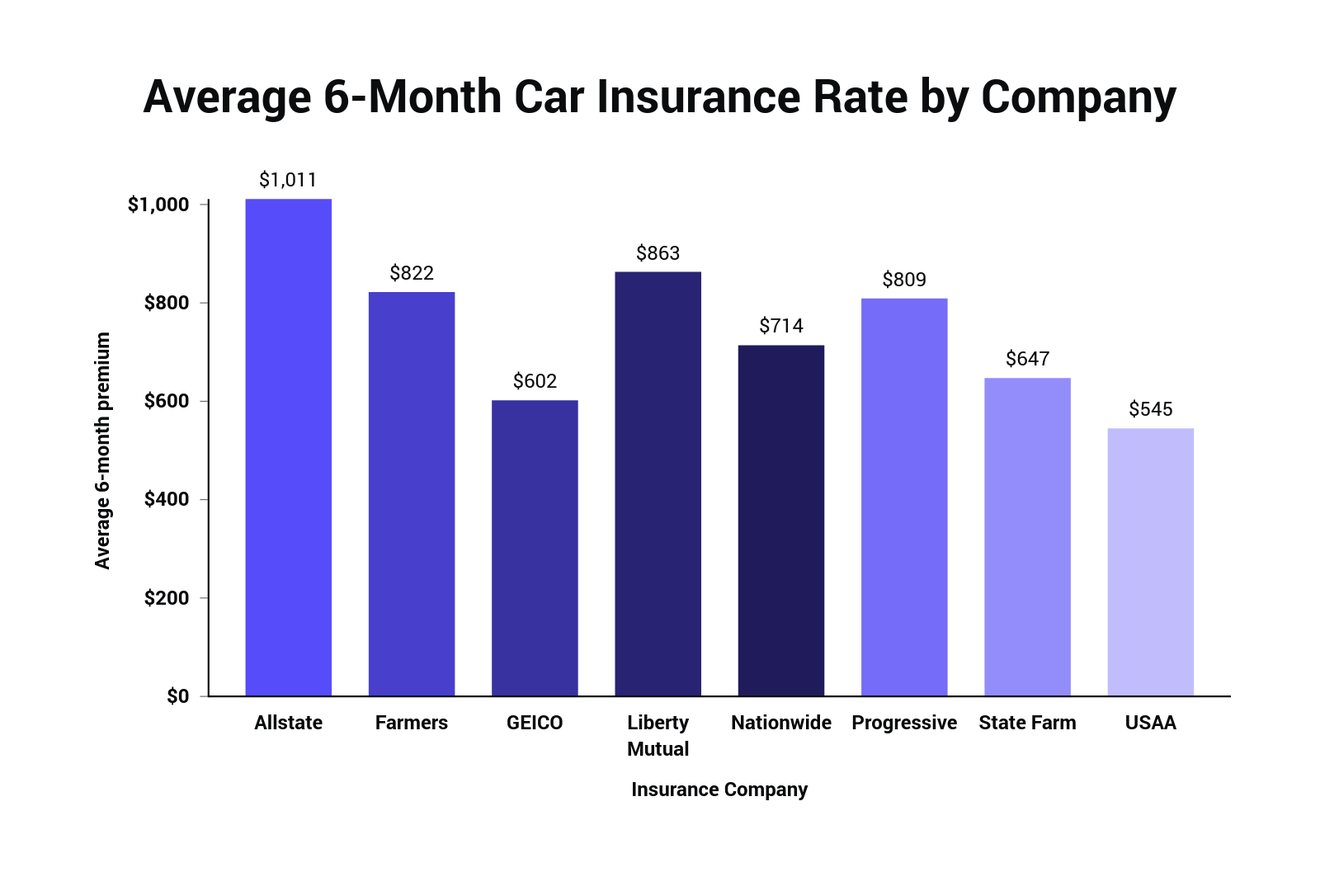
- "Every company offers them if you ask." Unfortunately, many of the largest direct-to-consumer insurers (like Geico or State Farm) have built their entire infrastructure around 6-month cycles. It is often a structural limitation of their software and actuarial models, not just a choice.
Frequently Asked Questions
Can I get a 12-month policy if I am a high-risk driver? It is very difficult. High-risk drivers (those with recent DUIs or multiple accidents) are almost exclusively placed on 6-month or even 3-month policies. This allows the insurer to monitor the driver's behavior closely and adjust premiums or terminate coverage as soon as legally possible.
Does a 12-month policy cost more upfront? Not necessarily. While the total annual premium might look daunting, the per-month cost is often lower than a 6-month policy because of the reduced administrative overhead and the lack of a mid-year rate hike. If you choose a monthly payment plan for a 12-month policy, your monthly payment will be consistent for a year.
What happens if I move to a different state during a 12-month policy? Insurance is regulated at the state level. If you move across state lines, you will likely need to "rewrite" the policy to comply with the new state's laws and minimum coverage requirements. This effectively ends the 12-month term and starts a new one based on the new location's rates.
Are 12-month policies available for commercial vehicles? Yes, 12-month terms are actually more common in commercial and business insurance. Businesses require annual budget certainty, so commercial auto policies are almost always written on an annual basis.
Why did my 12-month policy renewal offer go up so much? Because the insurer couldn't raise your rates for an entire year, they may "catch up" at the 12-month renewal. If inflation was 5% annually, a 6-month policyholder might have seen two 2.5% increases. You will see one 5% (or higher) increase all at once.
Summary of Next Actions
If you are looking to stabilize your 2026 household budget, follow these steps to secure an annual policy:
- Check your AARP eligibility: If you are over 50, The Hartford’s 12-month program is widely considered the industry benchmark for stability.
- Consult an independent agent: Ask specifically for "carriers that write annual terms." They can filter out the standard 6-month companies.
- Prepare for a "Paid in Full" payment: To maximize the value of a 12-month term, save enough to pay the premium annually to capture the highest possible discounts.
- Audit your coverage before signing: Since you will be locked into this rate for a year, ensure your limits (Liability, Uninsured Motorist, etc.) are sufficient for your current net worth.