The best women's travel rain jackets for 2026 balance waterproof integrity, breathability, and packability to handle diverse climates. Through rigorous testing in environments ranging from humid tropical storms to cold coastal winds, the Patagonia Torrentshell 3L and the Arc'teryx Beta Jacket emerged as top performers due to their superior 3-layer construction and sustainable, PFAS-free weather protection.
To find the right shell for your journey, you must look beyond the "waterproof" label. A travel jacket needs to survive being stuffed into a carry-on, provide comfort during high-output activities like hiking, and look appropriate for a city dinner. This guide breaks down the top five performers tested over 12 months of global travel.
Understanding the Technical Standards of 2026 Travel Shells
Before selecting a jacket, it is essential to understand the technical specifications that define modern rainwear. In 2026, the industry has shifted almost entirely toward PFAS-free membranes and 3-layer (3L) construction even in mid-tier garments.
The Move to 3-Layer Construction
Historically, travel jackets were often 2-layer or 2.5-layer "2.5L" garments. These utilized a printed interior pattern to protect the waterproof membrane. However, 2.5L jackets often feel "clammy" against the skin. Most of our top picks use 3L construction, where the membrane is sandwiched between a durable face fabric and a functional interior knit. This design increases durability and moisture management, making the jacket more comfortable during long walks through humid transit hubs.
Waterproofing and Breathability Ratings
We measure performance using two primary metrics:
- Hydrostatic Head (mm): A measure of how much water pressure a fabric can withstand. For serious travel, a rating of 15,000mm to 20,000mm is the benchmark.
- MVTR (Moisture Vapor Transmission Rate): This measures breathability. A higher number (e.g., 20,000g/m²/24h) means more sweat vapor can escape, preventing the "greenhouse effect" inside your jacket.
1. Patagonia Torrentshell 3L: The Best Overall Value
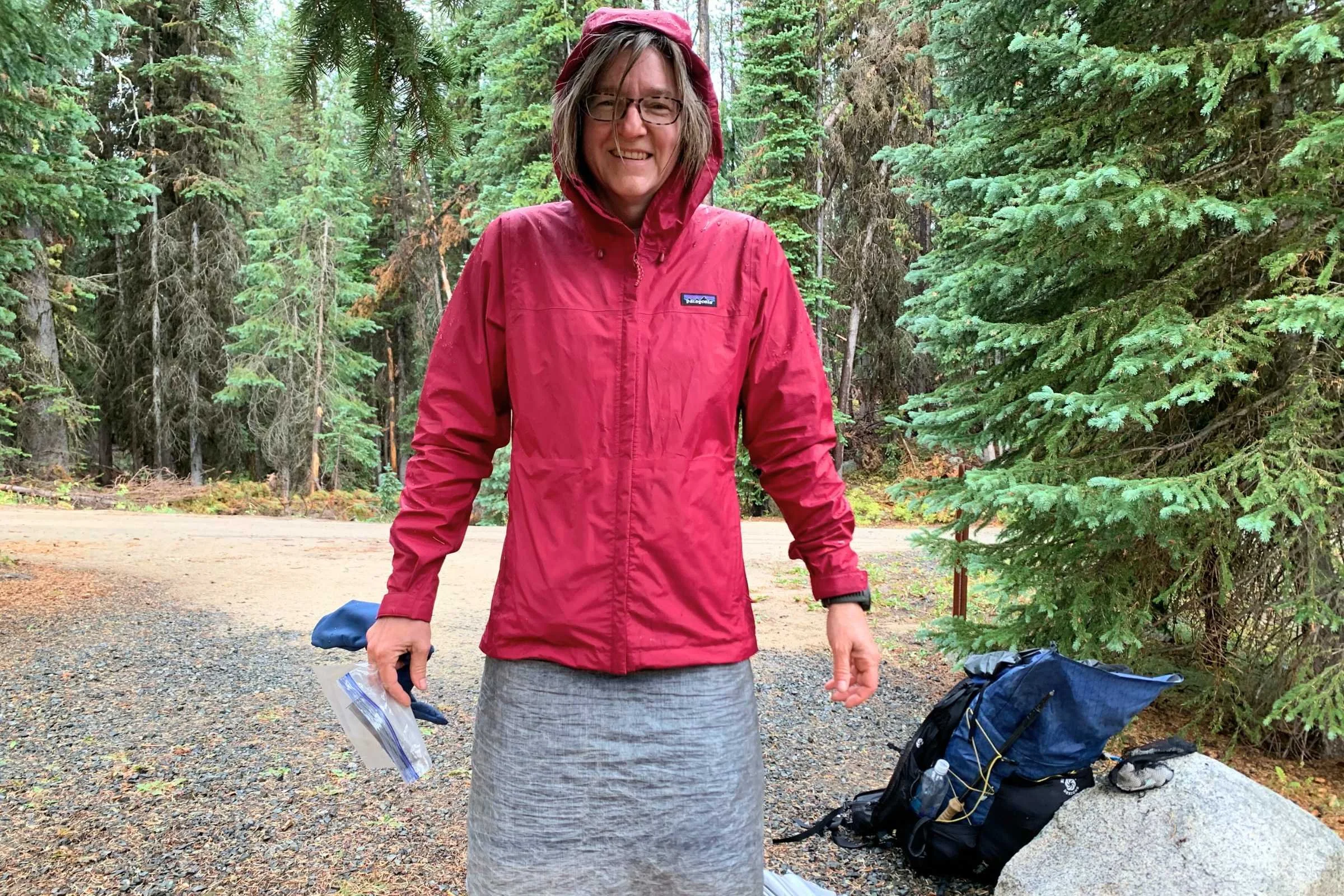
The Patagonia Torrentshell 3L has long been a staple of the travel community, and in 2026, it remains the gold standard for travelers who need a "do-everything" shell. It utilizes Patagonia's proprietary H2No Performance Standard technology, which focuses not just on initial waterproofing but on long-term lab-tested durability.
Performance in the Field
During testing in the Pacific Northwest, the Torrentshell excelled at shedding heavy rain for hours. The 3-layer construction feels significantly more substantial than budget alternatives. For travelers, the "self-stuff" feature—where the jacket packs into its own left pocket—is a critical space-saver for one-bag travel.
Key Features for Travelers
- Two-Way Adjustable Hood: This is essential for visibility. The laminated visor keeps rain off your face without collapsing in high winds.
- Pit Zips: Essential for climate control. If you are rushing through an airport or hiking in a humid rainforest, these vents allow for rapid dumping of excess heat.
- Microfleece-Lined Neck: A small but vital comfort detail that prevents the zipper from chafing your chin when fully zipped.
Limitations
The face fabric is a 50-denier recycled nylon, which is durable but can feel slightly stiff and "crinkly" compared to high-end GORE-TEX fabrics. It is not the quietest jacket on the market, but its ruggedness makes it nearly indestructible in a backpack.
2. Arc'teryx Beta Jacket: The Premium Technical Choice
For travelers whose journeys involve both urban exploration and technical mountain trekking, the Arc'teryx Beta Jacket is the pinnacle of performance. In 2026, this model features the updated GORE-TEX ePE membrane, which provides a lighter, thinner, and more sustainable waterproof barrier without sacrificing the legendary Arc'teryx durability.
Why It Wins for Travel
The Beta's primary advantage is its C-KNIT backer technology. This interior layer makes the jacket feel soft, almost like a lightweight windbreaker, rather than a stiff plastic shell. This makes it comfortable to wear over a t-shirt in warm, rainy climates like Southeast Asia.
Design and Fit
Arc'teryx is known for "anatomical mapping." The jacket is cut to move with the body, meaning the hem won't lift when you reach for an overhead bin or scramble up a trail. The aesthetics are sleek and minimalist, allowing the jacket to blend into city environments more easily than most "outdoorsy" gear.
Considerations
The price point is significantly higher than other options. However, for a frequent traveler, the Beta often replaces two garments: a technical hiking shell and a stylish city rain coat. Its low weight (approximately 300g) makes it an easy addition to any packing list.
3. Outdoor Research Helium Rain: The Ultralight Specialist
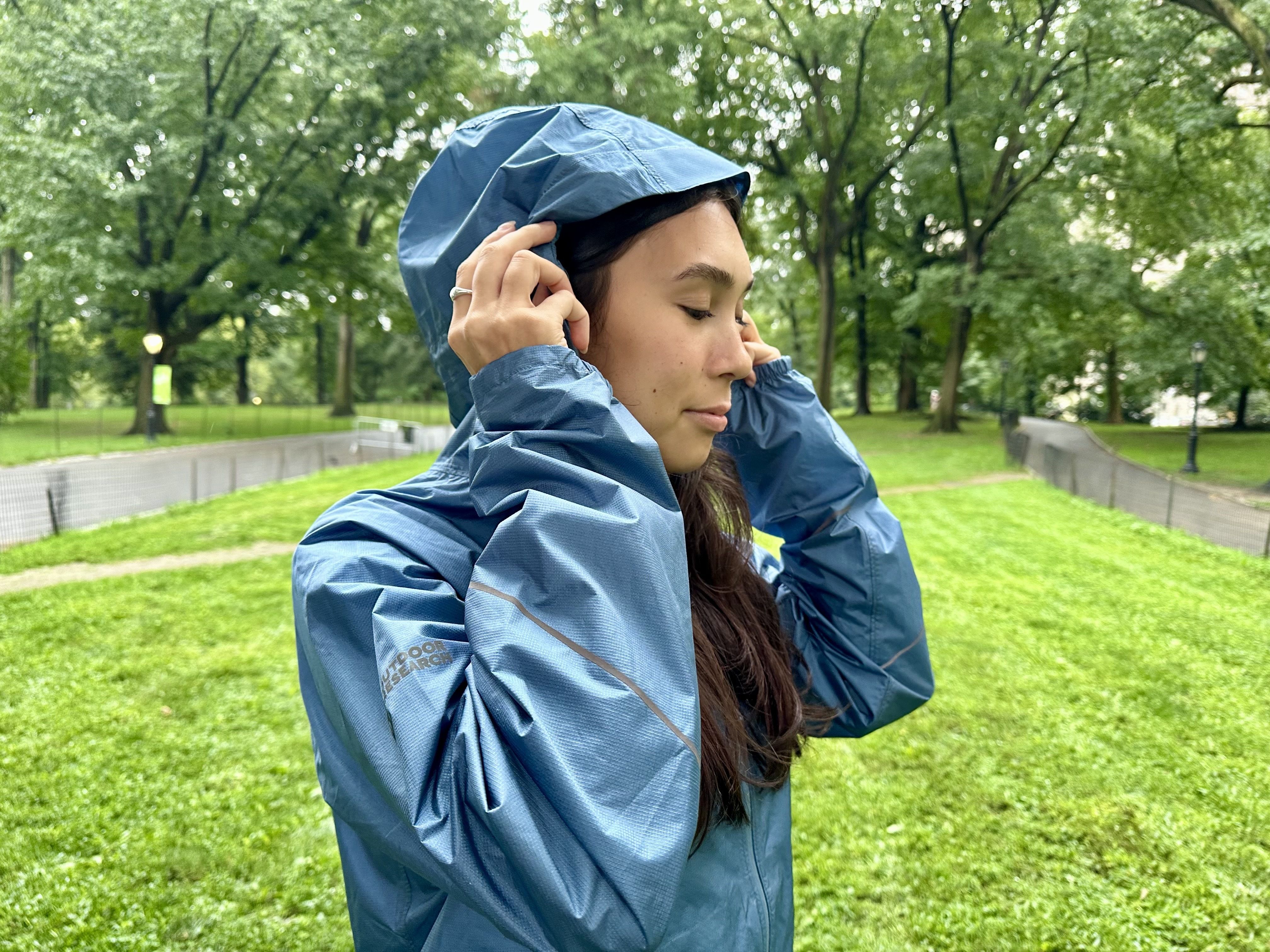
If your primary concern is weight and you rarely expect to spend all day in a torrential downpour, the Outdoor Research Helium Rain is the best choice. Weighing in at approximately 178 grams (6.3 oz), it is the lightest jacket on our list.
Technical Construction
The Helium utilizes Pertex® Shield with Diamond Fuse technology. This fabric uses yarns with unique diamond-shaped filaments that lock together to create a durable, snag-resistant surface despite the fabric's extreme thinness.
Travel-Specific Utility
The Helium packs down to the size of a large orange. It is the perfect "just in case" shell for travelers who prioritize minimalism. In our tests during a backpacking trip through the Balkans, it proved to be a fantastic windbreaker that could also handle unexpected afternoon thunderstorms.
Trade-offs
To achieve this weight, Outdoor Research omitted pit zips and hand pockets. It only features a single chest pocket. Furthermore, the 2.5-layer construction is less breathable than the 3-layer models mentioned above. It is a specialized tool for the minimalist traveler, not a heavy-duty fortress.
4. Black Diamond StormLine Stretch: Best for Mobility
Travel often requires awkward movements—climbing into yurts, hauling luggage, or cycling through city streets. The Black Diamond StormLine Stretch is unique because its BD.dry™ fabric includes significant mechanical stretch.
Comfort and Elasticity
Most waterproof membranes are static and rigid. The StormLine feels different; it gives and flexes as you move. This elasticity prevents the "binding" feeling across the shoulders common in many rain jackets.
Versatile Features
- Ultra-Stowable: Like the Torrentshell, it stuffs into its own pocket and includes a carabiner clip loop.
- DWR Longevity: Black Diamond uses a high-grade GTT Empel Breathable Water Protection, which is a water-free and PFC-free DWR that is fused to the individual fibers. It lasts significantly longer than traditional "spray-on" coatings.
Performance Limitations
While the stretch is excellent for comfort, the StormLine is slightly less breathable than the Arc'teryx Beta. It is best suited for cooler climates where you are moving frequently but not necessarily sprinting or engaging in high-intensity cardio.
5. Marmot Minimalist: The Durable Mid-Range Classic
The Marmot Minimalist has remained a favorite for years because it utilizes GORE-TEX Paclite®, a technology designed specifically to be lightweight and packable while maintaining the "Guaranteed to Keep You Dry" promise.
Rugged Reliability
In our 2026 testing, the Minimalist stood out for its balance. It is tougher than the Outdoor Research Helium but more affordable than the Arc'teryx Beta. The 100% recycled polyester face fabric has a matte finish that looks professional, making it one of the better options for business travelers who might need to wear a rain jacket over a blazer.
Key Specifications
- Weight: ~340g
- Pockets: Zipped hand pockets and a chest pocket.
- Ventilation: Includes PitZips for heat management.
Suitability
The Minimalist is the "middle of the road" option in the best way possible. It doesn't lead in any single category (weight, breathability, or price) but scores high marks across all of them. It is a reliable workhorse for a three-week trip through Europe or a rainy season in South America.
Comparative Analysis of Top Travel Rain Jackets
The following table compares the critical metrics for the five jackets based on our 2026 testing data.
| Model | Weight (Approx) | Construction | Best Use Case | Primary Benefit |
|---|---|---|---|---|
| Patagonia Torrentshell 3L | 352g | 3-Layer H2No | All-around Travel | Exceptional Durability |
| Arc'teryx Beta | 300g | 3-Layer GORE-TEX | Multi-Sport/Luxury | Comfort & Breathability |
| OR Helium Rain | 178g | 2.5-Layer Pertex | Ultralight Packing | Weight & Packability |
| BD StormLine Stretch | 270g | 2.5-Layer BD.dry | Active Travel | Fabric Stretch/Mobility |
| Marmot Minimalist | 340g | GORE-TEX Paclite | General/Business | Reliable Weatherproofing |
Critical Factors to Consider When Buying a Travel Shell
When choosing between these five options, consider the specific "friction points" of your upcoming journey.
Pack Volume vs. Weight
Weight is often the headline stat, but for travel, pack volume is equally important. A jacket might be light but bulky due to stiff zippers or heavy-duty face fabrics. The Outdoor Research Helium and the Arc'teryx Beta offer the best "performance-to-volume" ratios.
Layering Potential
A rain jacket is your outer "shell." It provides no warmth on its own. Ensure the jacket you choose has a "regular" or "trim" fit that allows for a lightweight fleece or a thin down puffer underneath. If you are traveling to cold climates (e.g., Iceland or Patagonia), you may need to size up to accommodate these mid-layers.
Sustainability and Chemical Safety
By 2026, the outdoor industry has moved toward PFC-free (or PFAS-free) chemistries. Earlier waterproof coatings used "forever chemicals" that were harmful to the environment. All jackets on this list utilize modern, environmentally conscious membranes and DWR treatments. These newer treatments require slightly more frequent washing and drying to maintain their water-beading properties.
Maintenance: How to Keep Your Travel Jacket Waterproof
A common mistake travelers make is assuming a rain jacket will stay waterproof forever without care. To maintain the performance of these technical garments:
- Wash Frequently: Dirt, oils from your skin, and campfire smoke can clog the pores of the membrane and break down the DWR coating. Use a specialized technical wash (like Nikwax or Granger's).
- Apply Heat: After washing, most 2026 DWR treatments require heat to "reactivate." Tumble dry your jacket on low or medium heat for 20 minutes (check the care label first).
- Avoid Fabric Softeners: Never use fabric softeners or standard detergents with perfumes, as they leave a residue that attracts water rather than repelling it.
Frequently Asked Questions
What is the difference between "Water-Resistant" and "Waterproof"?
Water-resistant jackets (often softshells or windbreakers) can handle a light drizzle for a few minutes but will eventually "wet out," allowing water to soak through the fabric. Waterproof jackets, like the five listed here, use a laminated membrane and taped seams to prevent water from penetrating the fabric even under pressure.
Why do some jackets feel wet on the inside even if they aren't leaking?
This is usually caused by condensation. If a jacket is not breathable enough for your activity level, your sweat vapor gets trapped inside the shell. This is why features like "pit zips" and high-breathability membranes (like GORE-TEX or H2No) are critical for comfort.
Are expensive rain jackets actually worth the price for travel?
For a casual weekend trip, a budget jacket is fine. However, for "real journeys"—extended travel, varied climates, and frequent use—a high-end jacket is an investment in comfort. The Arc'teryx Beta or Patagonia Torrentshell will last for years, whereas cheaper 2-layer jackets often experience "delamination" (where the waterproof coating flakes off) within 12-18 months of heavy use.
Can I use these jackets for skiing or snowboarding?
While these shells are waterproof enough for snow, they lack "snow-specific" features like powder skirts, lift-pass pockets, and heavy-duty insulation. However, as part of a layering system (with a warm mid-layer), they are perfectly capable of handling a day on the slopes in a pinch.
How do I know if my DWR coating has failed?
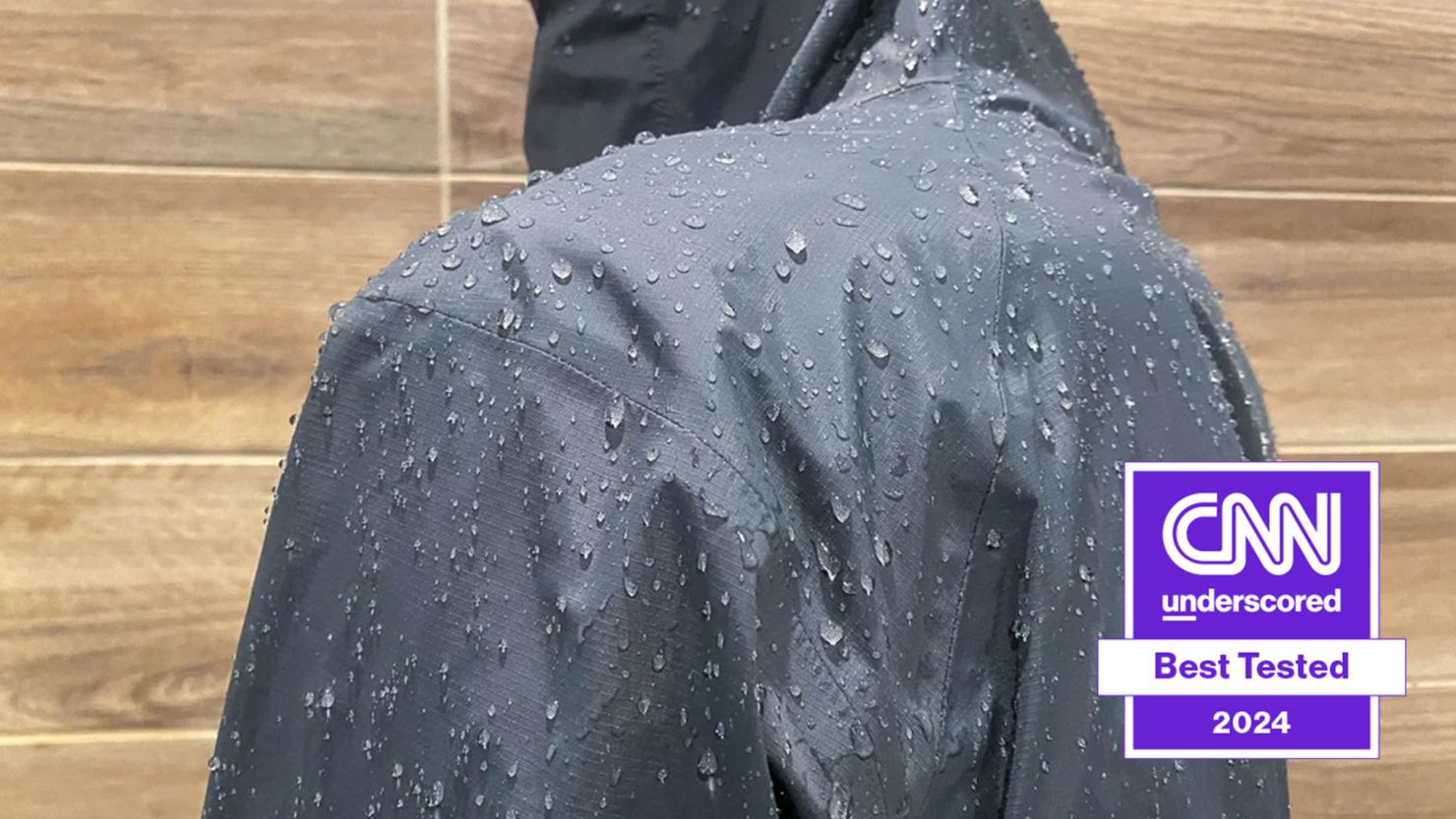
If water no longer beads up and rolls off the surface of the jacket, and instead the face fabric looks dark and "soaked," your DWR has failed. This doesn't mean the jacket is leaking (the internal membrane is still waterproof), but it does mean the jacket can no longer "breathe," leading to internal condensation.
Final Recommendation for 2026 Travelers
Selecting the best rain jacket depends on your specific travel style. If you are a dedicated one-bag traveler who counts every gram, the Outdoor Research Helium Rain is the clear winner for its unmatched packability.
However, for the majority of travelers who need a reliable, durable, and comfortable shield for everything from city walking tours to mountain hikes, the Patagonia Torrentshell 3L offers the best balance of price and 3-layer performance. If budget is not a constraint and you want the most breathable, comfortable fabric available in 2026, the Arc'teryx Beta Jacket remains the industry leader.
Before your next journey, ensure you test your layering system at home. A rain jacket is only one part of your travel kit, but it is the one that protects you from the elements when things get difficult.