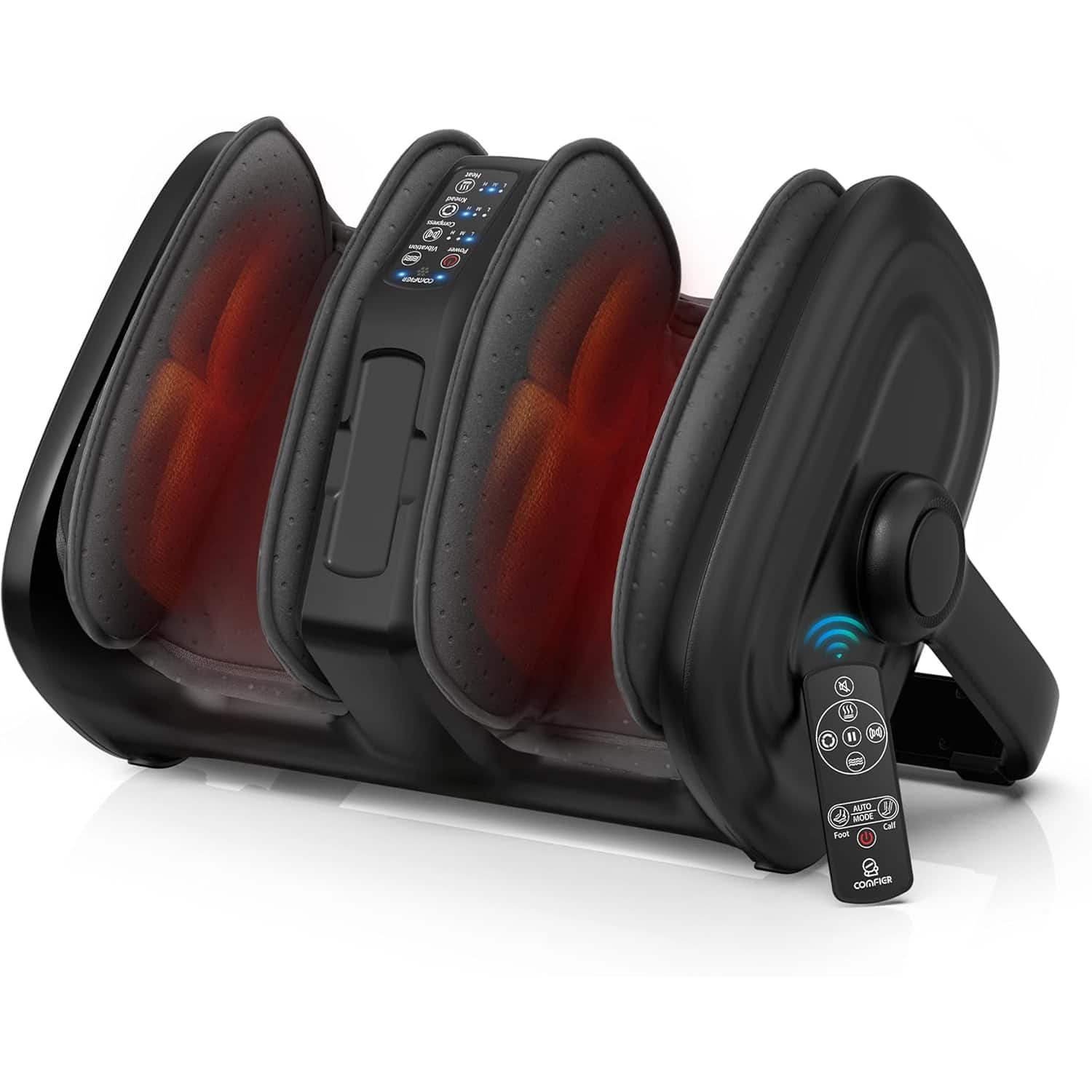
Finding relief from structural foot deformities like bunions often requires targeted supportive therapies, and using the right mechanical foot massager can significantly reduce daily tension, manage soft-tissue tightness, and soothe inflammation around the joint. While massagers cannot physically reverse structural bone changes, they provide essential non-invasive comfort for overworked muscles.
Managing a hallux valgus—commonly known as a bunion—involves addressing the chronic muscular tension and compensatory strain that develop across the arch, heel, and forefoot. When the big toe joint drifts outward, the surrounding soft tissues, tendons, and ligaments work overtime to stabilize the foot during walking and standing. This biomechanical imbalance frequently results in localized cramping, arch fatigue, and deep-seated soreness. Incorporating a dedicated foot massager into your daily routine can dramatically improve localized circulation, loosen stiff plantar fascia, and provide immediate relief from the heavy, aching sensation that often accompanies structural foot deformities.
Understanding Foot Massagers and Bunion Care
Before choosing a foot massager, it is vital to understand how these therapeutic devices interact with sensitive bunion areas. A bunion is a bony bump that forms on the joint at the base of your big toe (the metatarsophalangeal or MTP joint). The pressure of tight shoes, genetics, and altered gait mechanics can inflame the bursa sac surrounding this joint, causing sharp pain and tenderness.
Traditional mechanical massage tools generally fall into two categories: motorized electric massagers and manual rollers. Electric models often combine kneading nodes, air compression, and optional heat therapy, while manual devices rely on user-controlled pressure using wooden rollers, textured silicone balls, or contoured tracks.
When evaluating these devices for bunion management, the primary objective is targeted relief without aggressive friction directly on the prominent bone. Direct, high-pressure grinding on an inflamed MTP joint can exacerbate bursitis and increase pain. Therefore, the best devices for bunions focus heavily on relaxing the arch, heel, and lateral edges of the foot, thereby reducing overall tension that pulls on the forefoot.
Key Features to Look For in a Bunion-Friendly Foot Massager
Selecting a therapeutic foot device requires careful attention to specific structural and functional attributes. Not all massagers are designed with sensitive forefoot regions in mind.
Adjustable Intensity and Gentle Nodes
Aggressive Shiatsu rollers can bruise or irritate a sensitive bunion. Look for machines that feature adjustable intensity settings or soft silicone kneading heads rather than hard plastic spikes. The ability to lower the pressure ensures that you can stimulate blood flow to the arch and heel without overloading the tender big toe joint.
Air Compression Technology
Airbags that inflate and deflate rhythmically provide a soothing, hugging sensation across the entire foot. This gentle compression helps reduce swelling and improves circulation without applying harsh, pinpoint friction directly to the bunion area.
Targeted Heat Therapy
Incorporate warmth to loosen stiff tendons and tight plantar fascia before deep tissue work begins. Controlled thermal therapy helps relax the intrinsic muscles of the foot, making subsequent massage more effective and comfortable for those with chronic foot strain.
Open-Toe or Open-Back Design
For individuals with pronounced bunions or wider feet, closed-pocket electric massagers can sometimes feel restrictive or press uncomfortably against the side of the foot. Open designs or spacious foot chambers prevent lateral pinching and allow you to adjust your foot placement easily.
Reviewing the Top 5 Foot Massagers
To help you navigate the market, here is a detailed breakdown of five leading foot massagers well-suited for individuals managing bunion discomfort, evaluated based on performance, versatility, and user comfort.
1. CloudMassager Shiatsu Foot Massager Machine
The CloudMassager stands out due to its versatile open-ended design, which accommodates various foot sizes and shapes without cramping the forefoot.
- Type: Electric (Shiatsu rollers and air compression with heat)
- Design: Open-back hybrid design
- Performance: This machine utilizes a combination of deep-kneading rollers under the sole and adjustable air compression that squeezes the top and sides of the foot. For bunion sufferers, the open design is a major advantage because it allows the toes and forefoot to rest comfortably without being compressed sideways against rigid plastic walls.
- Pros: Highly adjustable air pressure levels, soothing heat function, open design prevents lateral pinching of bunions.
- Cons: May feel bulky to store; the lowest roller setting can still feel intense for exceptionally sensitive feet.
2. Renpho Shiatsu Foot Massager Machine with Remote
Renpho offers a popular, enclosed-chamber electric massager equipped with multiple rotating nodes and soothing heat.
- Type: Electric (Kneading, rolling, and air compression)
- Design: Enclosed foot pockets with removable, washable cloth linings
- Performance: The Renpho unit targets the arch, heel, and ball of the foot with precision. While the enclosed chamber requires you to slide your foot inside, the independent air compression bags gently cradle the foot. Users should utilize a lighter touch setting if the side-to-side squeeze places too much pressure on the MTP joint.
- Pros: Excellent value for money, easy-to-clean zippered cloth inserts, convenient remote control.
- Cons: Enclosed space can feel restrictive for wider feet or large bunions; heat function takes a few minutes to warm up fully.
3. TheraFlow Dual Foot Massager Roller
For those who prefer a manual, user-controlled approach, the TheraFlow wooden roller is a classic and effective tool.
- Type: Manual wooden roller
- Design: Dual independent wooden tracks with textured ridges and nubs
- Performance: You control the exact speed and pressure by moving your feet back and forth over the device. This makes it exceptionally safe for bunion management, as you can effortlessly steer your big toe away from aggressive ridges and focus strictly on massaging the arch and heel.
- Pros: Inexpensive, completely silent, portable, and puts 100% pressure control in your hands.
- Cons: Requires physical leg movement; provides no heat therapy or automated kneading.
4. MedMassager MMF06 11 Speed Foot Massager
The MedMassager is a robust, oscillation-based machine designed with a therapeutic incline and a large surface area.
- Type: Electric oscillating massager
- Design: Flat platform with an active surface area and arch bar
- Performance: Unlike rolling node massagers that squeeze the foot, the MedMassager uses therapeutic vibration and oscillation to stimulate blood circulation throughout the lower extremities. The foot rests on a textured surface without being squeezed laterally, making it exceptionally friendly for individuals whose bunions make side pressure painful.
- Pros: Heavy-duty medical-grade build, extensive speed range (11 settings), no lateral squeezing forces.
- Cons: Higher price point; lacks enclosed air compression or targeted heat pockets.
5. Humanscale Foot Machine
A minimalist, ergonomic option designed primarily for daily posture and mild foot relief while seated at a desk.
- Type: Manual rocking footrest
- Design: Ball-bearing steel rollers mounted on a sturdy platform
- Performance: The Humanscale allows you to gently rock your feet, stretching the calves and rolling the arches over built-in steel cylinders. It is ideal for continuous, low-intensity movement during work hours, helping prevent the stiffness that accumulates from prolonged sitting.
- Pros: Sleek office-friendly design, encourages healthy movement, durable construction.
- Cons: Not a deep-tissue massager; offers minimal relief for severe, acute foot pain.
Comprehensive Comparison of Top Bunion-Friendly Massagers
| Product Name | Type | Primary Mechanism | Heat Therapy | Best For |
|---|---|---|---|---|
| CloudMassager | Electric | Air compression & rollers | Yes | Avoiding lateral forefoot pinching |
| Renpho Shiatsu | Electric | Kneading & compression | Yes | Comprehensive sole and heel relief |
| TheraFlow Roller | Manual | Wooden textured rollers | No | Complete manual pressure control |
| MedMassager MMF06 | Electric | Rapid oscillation | No | Improving circulation without squeezing |
| Humanscale Machine | Manual | Rocking steel cylinders | No | Desk use and gentle active stretching |
Practical Guidelines and Safety Considerations
Using a foot massager safely requires an understanding of your body's limits, especially when dealing with orthopedic conditions.
- Avoid Direct Pressure on the Bunion: Always position your foot so that mechanical rollers target the thick muscles of the arch, heel, and ball of the foot rather than grinding directly against the protruding bone.
- Limit Session Length: Start with short, 10-to-15-minute sessions to monitor how your soft tissues and joints respond. Over-massaging can sometimes cause temporary inflammation in sensitive areas.
- Consult a Professional: If you experience sharp, shooting pain, numbness, or severe chronic inflammation, consult a podiatrist or orthopedic specialist before starting a home massage regimen.
Frequently Asked Questions
Can a foot massager cure or reverse a bunion?
No. Foot massagers cannot structurally correct or reverse bone deformity (hallux valgus). However, they are highly effective at relieving secondary muscle tension, reducing plantar fascia tightness, and soothing the soft-tissue fatigue associated with bunions.
Are electric massagers safe for sensitive feet?
Yes, provided you select a model with adjustable intensity settings and use a gentle touch. If an electric massager features a tight enclosed chamber that presses against your forefoot, look for open-ended alternatives to prevent aggravating the joint.
How often should I use a foot massager for bunion pain?
Most users benefit from daily or alternating-day sessions lasting 10 to 15 minutes. Listen to your foot's response; if soreness increases, reduce the frequency or switch to a manual roller with lower pressure.
Is heat therapy safe for inflamed bunions?
Mild heat helps relax tight tendons and improve blood circulation before activity. However, if your bunion is acutely inflamed, red, and hot to the touch (signs of acute bursitis), skip the heat function and consult a physician.
Conclusion and Next Actions
Investing in a quality foot massager can transform your daily comfort by alleviating the muscular strain and fatigue caused by structural foot imbalances. To choose the right device, assess your personal sensitivity: if you dislike lateral pressure on your forefoot, prioritize open-design electric massagers or manual wooden rollers that keep you in total control of pressure. Combine your home massage routine with supportive footwear, custom orthotics or toe spacers where recommended, and professional guidance from a foot care specialist for comprehensive bunion management.