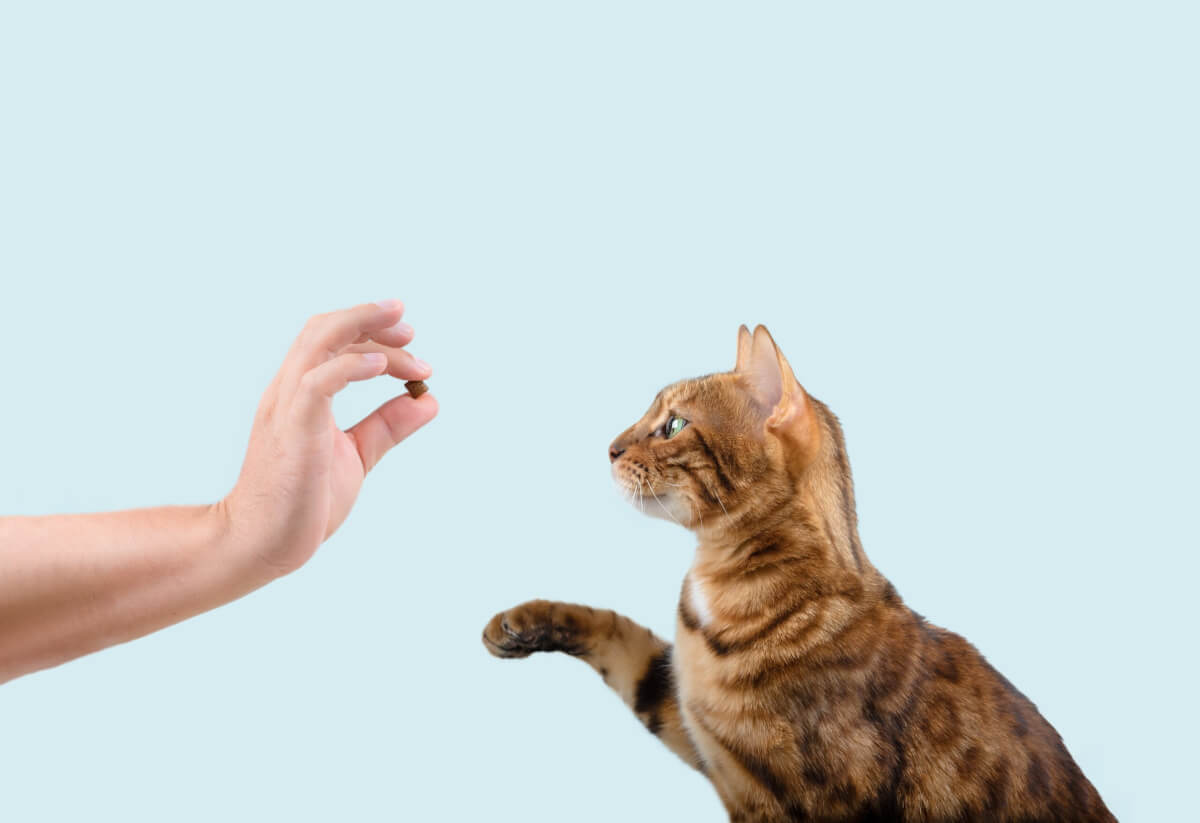
Choosing the right cat treats involves balancing feline dietary preferences, nutritional quality, and specific health needs, ranging from single-ingredient freeze-dried proteins to functional dental bites. Selecting options tailored to your cat's age, weight, and sensitivities ensures that treating remains a healthy component of daily care rather than a source of nutritional imbalance or weight gain.
Feline nutrition has evolved significantly, moving away from heavily processed, filler-heavy snacks toward transparent, high-protein formulations. Whether you are managing a sensitive stomach, trying to clean your cat's teeth, or simply looking to reward good behavior during training sessions, the modern pet market offers specialized choices. This guide examines five of the best cat treat brands available, breaking down their formulations, nutritional profiles, and suitability for different types of felines.
Understanding Feline Nutritional Needs and Treat Selection
Before exploring specific brands, it is essential to understand how treats fit into a cat's overall diet. Cats are obligate carnivores, meaning their bodies are biologically designed to thrive on animal protein and fat while requiring very few carbohydrates. Unlike dogs, who can metabolize a wider variety of plant-based nutrients, felines need specific amino acids like taurine, arginine, and arachidonic acid, which are found almost exclusively in animal tissues.
When selecting commercial cat treats, veterinarians generally recommend that treats make up no more than 10 percent of a cat's daily caloric intake. Exceeding this threshold can lead to nutritional deficiencies if the cat fills up on empty calories, or weight gain, which is a growing epidemic in domestic felines. Obesity in cats is linked to secondary health complications such as feline diabetes, hepatic lipidosis, and joint degradation.
Furthermore, reading ingredient labels requires vigilance. Premium brands list a named animal protein (such as chicken, salmon, or beef) as the first ingredient. Low-quality options often rely heavily on plant proteins, corn, wheat, or soy gluten as binding agents and cheap bulk fillers. Understanding these baseline requirements helps owners navigate the market and select products that genuinely benefit their pets.
1. Churu (Inaba): The Gold Standard for Hydration and Medication Delivery
Inaba Churu has revolutionized the cat treat market with its unique, lickable purée texture. Packaged in squeeze tubes, these treats are designed to be fed by hand, fostering bonding time between pet and owner while providing a highly palatable experience that virtually no cat can resist.
Nutritional Profile and Ingredients
Churu treats are grain-free, preservative-free, and exceptionally low in calories—typically containing around six calories per tube, compared to dry crunchy treats that can pack two to three calories per single piece. The primary ingredients usually consist of farm-raised chicken or wild-caught tuna, water, tapioca, natural flavors, and vitamin E.
Practical Applications
Beyond acting as a standard reward, Inaba Churu is widely praised by veterinarians and behaviorists for two primary reasons:
- Medication Administration: The thick, savory texture makes it an ideal vehicle for crushing pills or mixing liquid medications. Most cats will eagerly consume bitter medicines when they are masked inside a Churu tube.
- Hydration Support: Because many domestic cats do not drink enough standing water, the high moisture content (around 88% to 90%) in Churu treats provides a valuable secondary source of daily hydration, supporting kidney and urinary tract health.
2. Orijen: Biologically Appropriate Freeze-Dried Powerhouses
Orijen is renowned for applying its "WholePrey" philosophy to feline nutrition, and its cat treats reflect the natural diet of wild felines. These treats consist of raw meat, organs, and cartilage, which are gently freeze-dried to lock in vital nutrients and natural flavors without the need for artificial preservatives.
Nutritional Profile and Ingredients
Orijen treats feature single-source or closely related animal proteins, such as free-run chicken and turkey, wild-caught flounder, or ranch-raised beef and wild boar. Because they undergo a freeze-drying process rather than high-heat extrusion, the protein structure remains largely intact, offering high bioavailability.
Benefits for Sensitivities and Training
- Limited Ingredients: For cats with food allergies or inflammatory bowel disease (IBD), finding a safe treat can be challenging. Orijen's single-protein options minimize the risk of triggering adverse immune responses.
- High-Value Reward: The intense aroma of freeze-dried meat makes these treats extremely enticing, making them ideal high-value rewards for clicker training, nail-trimming cooperation, or counter-conditioning nervous behavior.
- Low Carbohydrate Load: With virtually zero carbohydrates, these treats align perfectly with strict species-appropriate dietary requirements.
3. Greenies Feline Dental Treats: Clinically Proven Oral Hygiene
Dental disease is one of the most common medical conditions diagnosed in adult cats, often leading to painful gingivitis, tooth resorption, and systemic bacterial infections. While daily tooth brushing remains the gold standard, many cats tolerate it poorly. Greenies Feline Dental Treats offer a palatable, mechanical alternative designed to help manage plaque and tartar buildup.
How They Work
Greenies dental treats are formulated with a unique texture that is crunchy on the outside and designed to scrape against the tooth surface as the cat chews, rather than shattering immediately upon contact.
Accreditations and Safety
Greenies are notable for earning the Veterinary Oral Health Council (VOHC) seal of acceptance for tartar reduction in cats. This independent verification provides scientific backing to the manufacturer's claims. However, pet owners should monitor portions carefully, as these treats are denser in calories than pure protein flakes and contain grains and plant proteins necessary to achieve their specific mechanical texture.
4. Blue Buffalo Wilderness: High-Protein Crunch for Active Cats
For cats that prefer a traditional crunchy texture over lickable purées or freeze-dried meats, Blue Buffalo Wilderness offers a grain-free, protein-dense option that satisfies the predatory crunch instinct without relying on low-cost grain fillers.
Nutritional Profile and Ingredients
Modelled after the ancestral diet of wild felines, these treats feature real meat as the first ingredient—such as chicken, salmon, or duck—combined with wholesome vegetables and fruits like potatoes and blueberries for antioxidant support. They contain no chicken (or poultry) by-product meals, corn, wheat, or soy.
Suitability
These treats are particularly well-suited for indoor cats who need an engaging snack that satisfies their chewing instincts, as well as active or younger cats that burn through energy quickly. However, owners of senior cats or felines with missing teeth may need to soften them or choose alternative textures.
5. Vital Essentials: Single-Ingredient Raw Perfection
For purists seeking the absolute minimum processing and ingredient list, Vital Essentials offers freeze-dried raw meat treats derived from ethically sourced livestock and fish. These treats cater to pet owners practicing species-appropriate raw diets (BARF) who want consistency when rewarding their companions.
Nutritional Profile and Ingredients
The ingredient list on a bag of Vital Essentials cat treats typically contains exactly one word: the protein source. Whether it is minnows, chicken hearts, rabbit, or ahi tuna, there are no added binders, synthetic vitamins, flavor enhancers, or chemical preservatives.
Pros and Cons
- Pros: Unmatched purity, excellent for elimination diets, highly digestible, and rich in natural micronutrients found in organ meats.
- Cons: Premium pricing reflects the cost of sourcing high-grade raw meat. Additionally, the dry, brittle texture can crumble easily at the bottom of the bag, though these crumbs can be repurposed as a meal topper for picky eaters.
Comprehensive Comparison of Top Cat Treat Brands
| Brand | Primary Texture | Key Advantage | Best Suited For | Caloric Density |
|---|---|---|---|---|
| Inaba Churu | Lickable Purée | High moisture & palatability | Hydration support & pill administration | Very Low (~6 kcal/tube) |
| Orijen | Freeze-Dried Raw | WholePrey animal ingredients | Training & food-sensitive cats | High |
| Greenies | Crunchy Bite | VOHC accepted for tartar control | Daily dental maintenance | Moderate |
| Blue Buffalo Wilderness | Crunchy Kibble | Grain-free, protein-forward | Traditional crunch lovers & active cats | Moderate |
| Vital Essentials | Single-Ingredient Freeze-Dried | Zero additives or fillers | Elimination diets & raw-fed felines | High |
Frequently Asked Questions
How many treats should I give my cat per day?
As a general rule, treats should account for no more than 10 percent of your cat's daily caloric intake. Check the back of the treat packaging for manufacturer guidelines, which usually specify a maximum number of pieces per pound of body weight per day. Subtract these calories from their main meal if your cat is prone to weight gain.
Can kittens eat adult cat treats?
Kittens have higher caloric and nutritional demands relative to their body weight to support rapid growth, and their digestive systems can be sensitive. While most high-protein, natural treats are safe in moderation, look for treats specifically formulated for kittens or stick to single-ingredient freeze-dried options until your cat reaches one year of age.
Are grain-free treats necessary for all cats?
Grain-free treats are not strictly necessary unless your cat has been diagnosed with a specific grain allergy or sensitivity. However, many commercial grain-free treats substitute grains with higher protein or quality fats, which align more closely with an obligate carnivore's natural metabolic needs.
What is the best way to store freeze-dried cat treats?
Freeze-dried treats should be kept in a cool, dry place in an airtight container or their original resealable packaging. Exposure to humidity and moisture can compromise the texture and introduce mold growth, as freeze-dried products lack chemical preservatives.
Can cat treats replace regular cat food in an emergency?
No. Commercial cat treats are formulated as complementary foods, meaning they lack the complete and balanced vitamin and mineral profile required for long-term survival. Relying on treats instead of nutritionally complete cat food will quickly result in severe nutritional deficiencies, particularly taurine deficiency, which causes irreversible heart and eye damage in felines.
Conclusion and Next Actions
Selecting the ideal treat brand depends heavily on your cat's individual health status, age, and personal preferences. If your cat struggles with hydration or medication compliance, stock up on lickable purées like Inaba Churu. For dental maintenance, incorporate a VOHC-accepted crunchy option like Greenies, while monitoring daily portions. Always introduce new treats gradually over the course of a week to monitor for any gastrointestinal upset or allergic reactions, and consult your veterinarian if your cat has complex medical requirements.