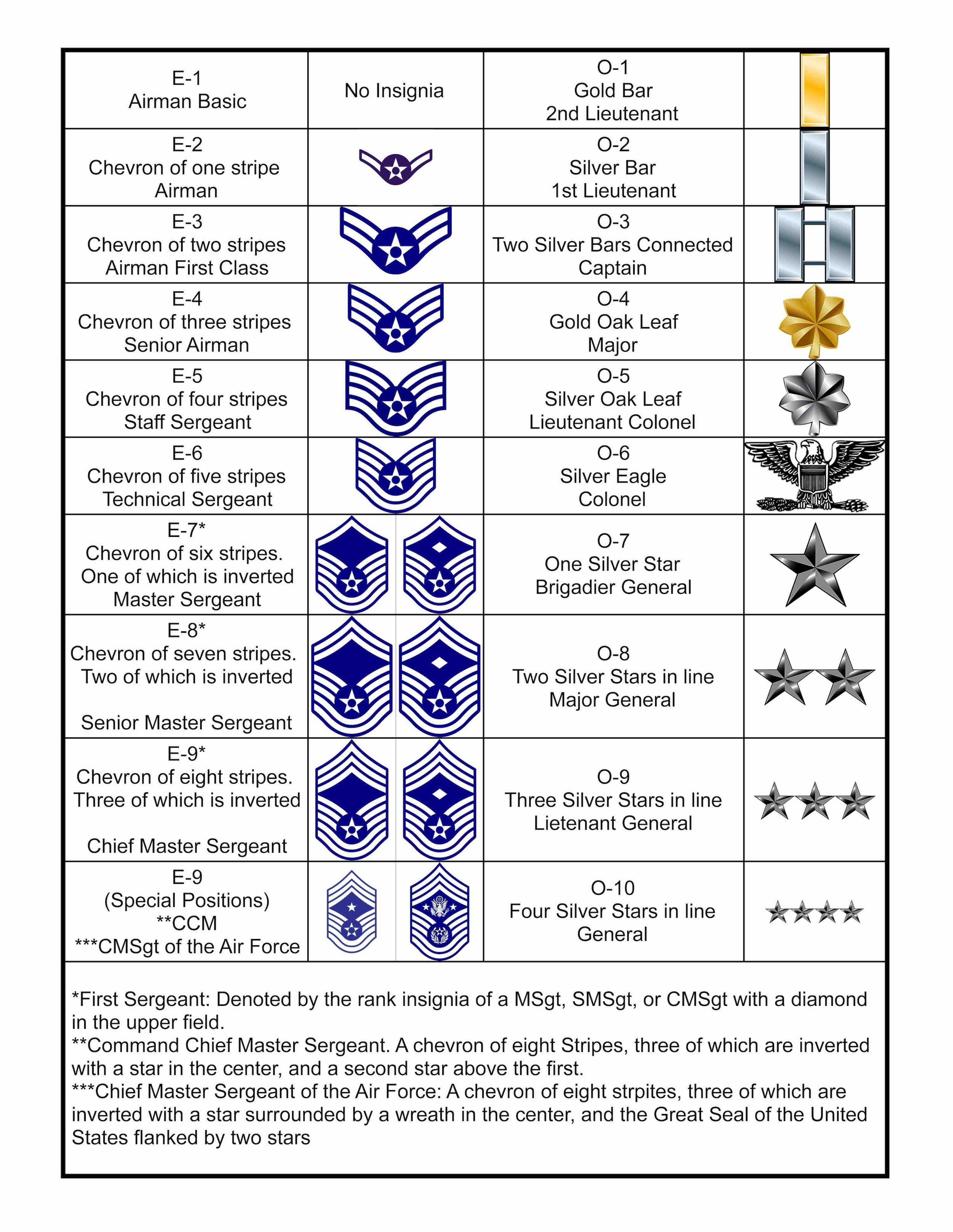
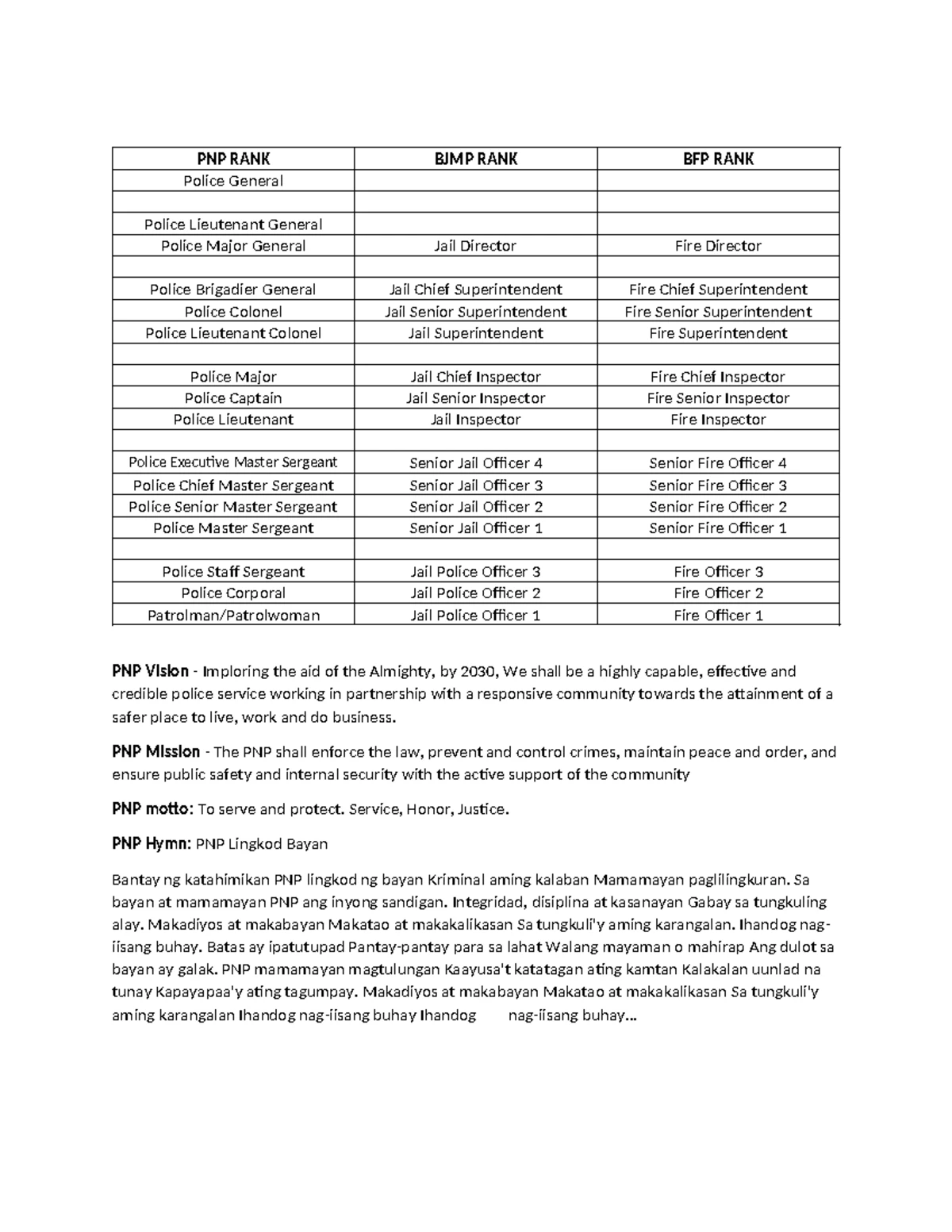
The 4-star police rank typically represents the highest level of leadership within a law enforcement agency, most commonly known as the Chief of Police, Commissioner, or Superintendent. Holding this rank signifies that the officer has reached the pinnacle of the department’s hierarchy, wielding ultimate authority over operations, budgeting, personnel, and policy implementation.
In 2026, the 4-star rank continues to be a focal point for both admiration of leadership and intense scrutiny regarding the militarization of civil services. While the insignia—four gold or silver stars—is borrowed from military traditions, the role is uniquely tied to municipal governance, community relations, and public safety. Understanding this rank requires looking beyond the uniform to the complex web of political, social, and operational responsibilities it entails.
Defining the 4-Star Rank: Symbols and Titles
In the United States and several other jurisdictions, law enforcement agencies utilize a quasi-military rank structure to maintain a clear chain of command. The 4-star insignia is the highest level of this system for individual departments. While a 5-star rank is occasionally discussed or used in highly specific, often honorary or historical contexts, the 4-star tier remains the practical ceiling for career law enforcement officers.
The specific title associated with four stars varies by the type and size of the agency:
- Chief of Police: The most common title for the head of a municipal police department.
- Commissioner: Frequently used in very large cities, such as New York (NYPD) or Boston (BPD), where the role may have a more civilian or administrative focus.
- Superintendent: Common in cities like Chicago (CPD) or in certain state-level agencies.
- Director/Colonel: Often used by state police or highway patrol agencies to denote the top executive.
Regardless of the title, the 4-star rank indicates that the individual reports directly to a mayor, a city manager, or a board of police commissioners. They are the face of the department, responsible for its successes and accountable for its failures.
The Path to 4-Star Leadership: Qualifications and Appointment
Reaching the 4-star level is rarely the result of a standard civil service promotion. While lower ranks—such as Sergeant or Lieutenant—are often achieved through competitive testing and seniority, the transition to executive leadership is a political and administrative process.
Professional Prerequisites
By 2026, the standards for a 4-star executive have evolved to require a blend of field experience and high-level academic training. Most candidates for this rank possess:
- Advanced Education: A Master’s degree in Criminal Justice, Public Administration, or Business Administration (MBA) is increasingly viewed as a minimum requirement for major metropolitan departments.
- Executive Training: Completion of programs like the FBI National Academy or the Police Executive Research Forum (PERF) Senior Management Institute for Police.
- Diverse Experience: A record that includes time in patrol, investigations, and significant administrative roles, such as overseeing a precinct or a specialized bureau.
The Appointment Process
Unlike a General in the military, who is promoted within a rigid federal structure, a 4-star police chief is typically an "at-will" employee appointed by a civilian leader. This process usually involves a nationwide search, public forums, and interviews with city councils or oversight boards. The goal is to find a leader whose philosophy aligns with the current administration’s goals, whether that be aggressive crime reduction, community-oriented policing, or systemic reform.
Roles and Responsibilities of a 4-Star Executive
The day-to-day life of a 4-star police leader is less about "catching criminals" and more about managing a massive, high-stakes organization. Their responsibilities can be categorized into three primary domains.
1. Administrative and Fiscal Oversight
In 2026, the budget for a major city police department can reach into the billions of dollars. The 4-star chief is responsible for:
- Budget Allocation: Deciding how to distribute funds between patrol, specialized units (like SWAT or K9), and technology (such as AI-driven forensics or drone programs).
- Labor Relations: Negotiating with powerful police unions regarding contracts, disciplinary procedures, and officer benefits.
- Resource Management: Ensuring the department has the necessary fleet, equipment, and facilities to function efficiently.
2. Policy and Strategy
The 4-star rank is where the "vision" of the department is set. The chief determines the policing philosophy of the agency. For example, a chief might emphasize "broken windows" policing or, conversely, shift resources toward mental health crisis teams and social service partnerships. They are responsible for implementing state and federal mandates, such as those regarding use-of-force standards or body-camera transparency.
3. Public and Political Relations
The 4-star chief is the primary liaison between the department and the public. They must maintain the trust of the community while also defending their officers. This often involves high-pressure press conferences, testimony before legislative bodies, and meetings with community activists. In times of crisis, the chief's ability to communicate effectively can determine whether a city remains calm or descends into unrest.
Comparative Rank Structure in Modern Law Enforcement
To understand where the 4-star rank sits, it is helpful to view it in the context of the broader command staff. While nomenclature varies, the following table represents a typical hierarchy for a large metropolitan department in 2026.
| Rank Insignia | Common Title | Primary Responsibility |
|---|---|---|
| 4 Stars | Chief of Police / Commissioner | Full departmental authority; reports to Mayor. |
| 3 Stars | Assistant Chief / Bureau Chief | Oversees a major division (e.g., Detectives or Patrol). |
| 2 Stars | Deputy Chief | Manages a specific geographical region or specialized function. |
| 1 Star | Commander / Assistant Deputy Chief | High-level administrative support or precinct oversight. |
| Eagle | Colonel / Inspector | Senior staff officer; often leads a large precinct or division. |
| Silver Oak Leaf | Lieutenant Colonel / Deputy Inspector | Mid-to-high level management; second-in-command of a division. |
The Debate: Militarization vs. Professionalism
The use of 4-star insignia in policing is a subject of significant debate. Critics and proponents offer starkly different views on what these stars represent in a civilian society.
Arguments Against the 4-Star System (Militarization)
Critics argue that adopting military ranks and insignia fosters a "warrior" rather than a "guardian" mentality. By using the same 4-star designation as a high-ranking General, police leaders may inadvertently view the communities they serve as occupied territory or a battlefield.
Key points of contention include:
- Psychological Distance: Critics suggest that the rigid hierarchy of "generals" and "soldiers" creates a barrier between the police and the public, making the department feel like an outside force rather than a community service.
- Accountability Issues: The military model emphasizes "following orders" and "protecting the unit," which can sometimes conflict with the transparency and individual accountability required in civilian policing.
- Visual Optics: In 2026, as cities continue to evaluate police reform, many advocate for a return to civilian-style uniforms (such as blazers and ties for executives) to de-escalate the visual presence of the department.
Arguments For the 4-Star System (Structure and Clarity)
Proponents of the 4-star rank argue that the military structure is the most effective way to manage a high-stress, high-risk organization where split-second decisions are necessary.
Key defenses include:
- Clear Command and Control: During a mass casualty event or a natural disaster, a clear, recognizable hierarchy is essential for coordinating thousands of officers and multiple agencies. The 4-star insignia instantly identifies the ultimate decision-maker.
- Professionalization: Supporters argue that the rank system reflects the rigorous training and standards of the profession. It provides a clear career ladder and motivates officers to pursue excellence and leadership.
- Tradition and Respect: For many in law enforcement, the stars represent a hard-earned legacy of service. They argue that the insignia is a symbol of the weight of responsibility the chief carries.
The Controversy of Political Appointments
Another significant point of debate involving the 4-star rank is the nature of the appointment itself. Because the 4-star chief is often appointed by a politician (the Mayor), the rank is inherently tied to the political cycle.
In 2026, this has led to discussions about "Chief tenure." The average tenure of a 4-star chief in a major US city is often less than three to five years. This turnover is frequently cited as a barrier to long-term reform. When a new Mayor is elected, they often want "their own" 4-star chief, leading to a cycle of changing policies that can frustrate both the rank-and-file officers and the community.
Furthermore, the "at-will" status of the 4-star rank means a chief can be fired for political reasons—such as a single controversial incident—even if they are performing well administratively. This creates a high-pressure environment where the 4-star leader must constantly balance the needs of the department with the political whims of city hall.
Future Trends: The 4-Star Rank in 2026 and Beyond
As we move through 2026, the 4-star rank is undergoing a transformation in response to technological and social shifts.
- The "Civilianized" Executive: Some jurisdictions are experimenting with splitting the role. A civilian Commissioner (4-star equivalent) handles the politics and budget, while a sworn Chief of Department (3 or 4-star) handles tactical operations. This aims to insulate the operational side of policing from political pressure.
- Emphasis on Data and Tech: The 4-star leader of 2026 is expected to be as comfortable with data analytics and AI ethics as they are with street tactics. The debate now includes how much "stars" should represent technical expertise versus traditional "cop" experience.
- Increased Oversight: The 4-star rank no longer operates in a vacuum. Permanent oversight boards, federal consent decrees, and real-time social media scrutiny have changed the nature of the rank’s authority. The 4-star chief is now more of a "consensus-builder" than an "absolute commander."
FAQs
Is a 4-star police chief higher than a General in the military?
No. They are different systems. A 4-star police chief has authority only within their specific jurisdiction (the city or state). A 4-star General in the military is a federal officer with national and international command authority. They use the same insignia (four stars) to denote they are at the top of their respective hierarchies, but their legal powers do not overlap.
Can there be more than one 4-star officer in a single police department?
Generally, no. The 4-star rank is reserved for the head of the agency to ensure a single, final point of accountability. In extremely rare cases involving massive agencies or transition periods, there may be temporary overlaps, but standard practice is "one chief, four stars."
Do all police departments use the star system?
No. While many US departments use stars, some use "stripes" (similar to the Navy) on their sleeves, or "crowns and pips" (common in the UK and Commonwealth countries). However, in the US, the star system remains the dominant visual language for executive rank.
Does a 4-star chief still carry a gun and make arrests?
Yes, in almost all cases. A 4-star chief is a sworn peace officer with full arrest powers. While they rarely perform patrol duties or make routine arrests due to their administrative workload, they maintain their certification and are typically armed while in uniform.
What is the 5-star police rank?
The 5-star rank is largely symbolic or historical. It is not a standard rank in modern US policing. Some very large departments might have used it in the past for a "General Superintendent," or it may be used in honorary contexts, but it carries no standard operational definition in 2026.
Practical Recommendations for Engaging with Police Leadership
For community leaders, journalists, or students of criminal justice looking to interact with or study 4-star police leadership, consider the following:
- Analyze the Appointment Clause: Check the city charter to see if the chief is an at-will employee or has a set contract. This determines how much independence they actually have.
- Review the Strategic Plan: Most 4-star executives are required to publish an annual strategic plan. This document is the best way to see the chief’s priorities beyond the headlines.
- Monitor the Budget Hearings: To see a 4-star chief's real influence, watch city council budget hearings. This is where the theoretical "vision" meets the reality of fiscal constraints.
- Distinguish Between Title and Rank: Remember that a "Commissioner" may be a civilian appointee without a background in law enforcement, whereas a "Chief" is almost always a sworn officer who rose through the ranks. This distinction significantly impacts their perspective on the "militarization" debate.