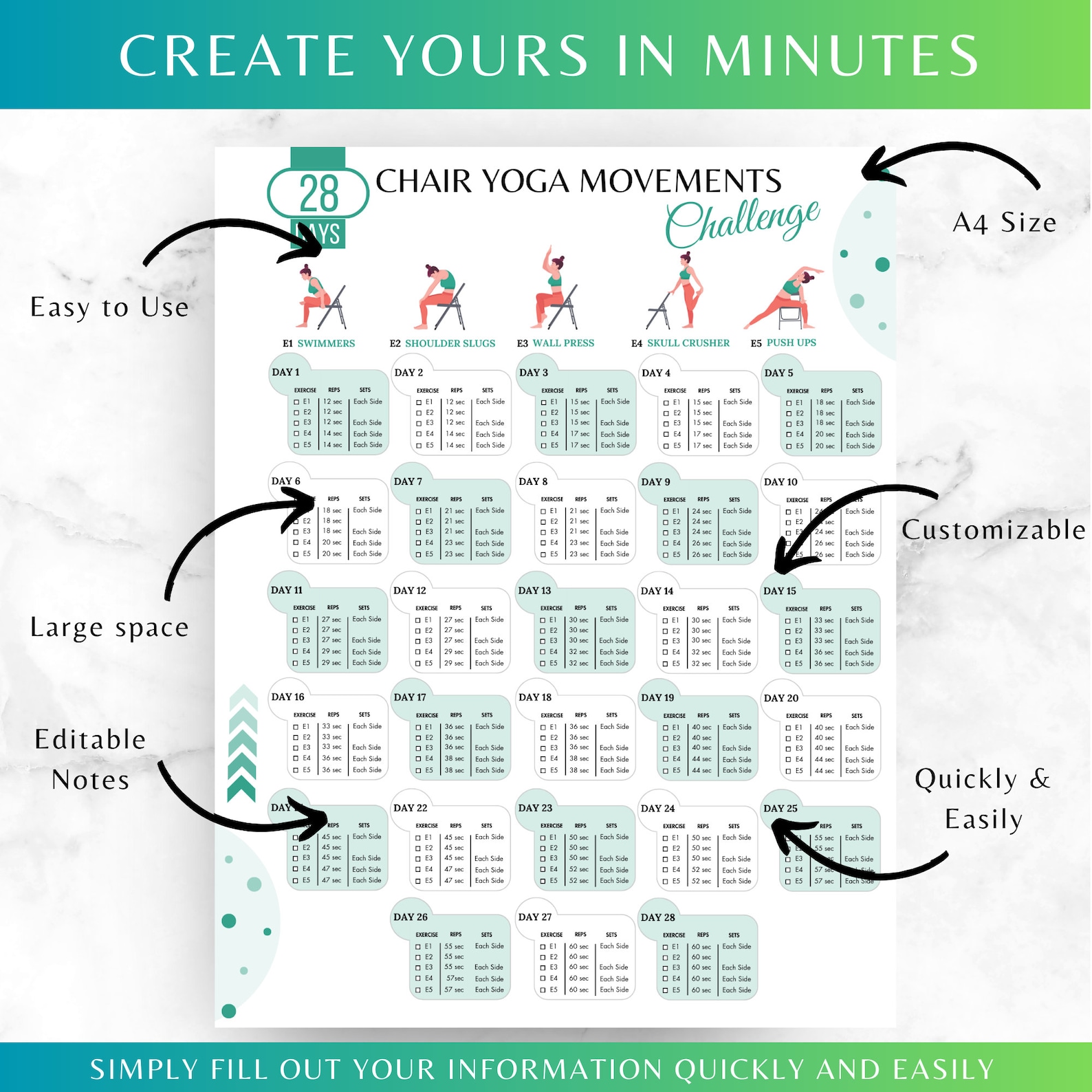
A 28-day fitness challenge is a structured four-week program designed to kickstart physical conditioning, establish sustainable healthy habits, and improve overall body composition. By utilizing principles of progressive overload and balanced nutritional strategies, these challenges provide a clear, time-bound roadmap for individuals seeking measurable results in weight loss, strength gains, or cardiovascular endurance.
Understanding the Framework of a 28-Day Fitness Challenge
The concept of a 28-day challenge is rooted in both physiological adaptation and behavioral psychology. From a biological perspective, four weeks is the minimum duration required for the human body to exhibit noticeable structural and metabolic changes, such as increased mitochondrial density and improved neuromuscular efficiency. Psychologically, the 28-day timeframe aligns with modern habit-formation theories, which suggest that while the "21-day rule" is a myth, a month of consistent effort is sufficient to move a new behavior from conscious effort to a more automatic state.
In 2026, the landscape of these challenges has evolved from generic "one-size-fits-all" PDF guides to highly integrated experiences. Current standards prioritize functional movement, metabolic flexibility, and recovery, moving away from the high-impact, injury-prone "boot camp" styles of previous decades. A professional-grade overview of such a challenge must account for the individual’s starting point, available equipment, and specific physiological goals.
Core Pillars of a Successful 28-Day Program
To maximize the efficacy of a 28-day window, a program must be built upon three non-negotiable pillars: structured resistance, cardiovascular conditioning, and nutritional alignment.
Structured Resistance and Progressive Overload
Resistance training is the cornerstone of body recomposition. Whether using body weight, resistance bands, or free weights, the program must incorporate progressive overload. This means gradually increasing the stress placed upon the body during exercise. In a 28-day context, this doesn't always mean lifting heavier weights every day; it can involve increasing the number of repetitions, shortening rest intervals, or improving the tempo and form of each movement.
Focusing on compound movements—such as squats, deadlifts, presses, and rows—ensures that multiple muscle groups are engaged simultaneously. This not only increases caloric expenditure during the workout but also triggers a more significant hormonal response, conducive to muscle preservation and fat loss.
Cardiovascular Metabolic Conditioning
Cardio in a 28-day challenge serves two purposes: improving heart health and increasing the daily caloric deficit. The modern approach in 2026 favors a mix of High-Intensity Interval Training (HIIT) and Low-Intensity Steady State (LISS) cardio.
HIIT sessions, typically performed once or twice a week, boost the "afterburn effect," technically known as Excess Post-exercise Oxygen Consumption (EPOC). LISS, such as brisk walking or light cycling, is utilized on "active recovery" days to promote blood flow and aid in the removal of metabolic waste products without overtaxing the central nervous system.
Nutritional Strategy and Caloric Management
Exercise alone is rarely sufficient for significant transformation within 28 days. A successful challenge requires a nutritional plan that supports the increased physical demand. This involves calculating one's Total Daily Energy Expenditure (TDEE) and adjusting caloric intake based on the primary goal—typically a slight deficit for fat loss or a slight surplus for muscle gain.
In 2026, nutrition science emphasizes the importance of protein leverage—ensuring adequate protein intake (typically 1.6g to 2.2g per kilogram of body weight) to protect lean muscle mass while in a caloric deficit. Furthermore, hydration and micronutrient density are prioritized to maintain energy levels and immune function throughout the four-week period.
The 28-Day Progression: A Week-by-Week Breakdown
A well-designed challenge is not a linear path of maximum intensity. Instead, it follows a periodized approach to prevent burnout and injury.
Week 1: The Foundation and Adaptation Phase
The first seven days are dedicated to establishing form and routine. During this phase, the body undergoes neural adaptations. You aren't necessarily getting "stronger" in terms of muscle fiber size yet; rather, your brain is becoming more efficient at recruiting existing muscle fibers. This is also the period where "delayed onset muscle soreness" (DOMS) is most prevalent as the body adjusts to new physical stressors. The focus here is on consistency over intensity.
Week 2: The Momentum Phase
By the second week, the initial soreness should begin to subside, and the routine becomes more familiar. This is the time to increase the intensity slightly. In 2026, many participants use wearable technology to track their heart rate variability (HRV), ensuring they are recovered enough to push harder. Week 2 is often where the first "scale victories" or "non-scale victories" (like improved sleep or energy) appear.
Week 3: The Peak Intensity Phase
Week 3 is the most demanding portion of the challenge. The volume and intensity reach their zenith. This phase is designed to push the body’s limits to trigger the maximum amount of physiological change. Because the workload is at its highest, attention to sleep hygiene and recovery protocols (like foam rolling or deliberate stretching) is critical. This is typically the "make or break" week where discipline replaces waning initial motivation.
Week 4: The Optimization and Transition Phase
The final week focuses on finishing strong while preparing for life after the challenge. The intensity remains high for the first few days, followed by a slight "taper" or reduction in volume toward the end of the 28 days. This allows the body to fully recover and display the results of the month’s hard work. It is also the time to evaluate the next steps to ensure that the progress made is not lost once the formal challenge ends.
Comparison of Common 28-Day Challenge Types
| Challenge Type | Primary Focus | Ideal For | Typical Weekly Commitment |
|---|---|---|---|
| Bodyweight/Home | Functional mobility & fat loss | Beginners, those with limited equipment | 3-4 hours |
| Hypertrophy/Gym | Muscle growth & definition | Intermediate lifters with gym access | 5-7 hours |
| Metabolic Reset | Cardiovascular health & endurance | Those breaking a weight-loss plateau | 4-6 hours |
| Flexibility/Core | Posture & injury prevention | Individuals with sedentary jobs | 2-3 hours |
Safety, Prerequisites, and Injury Prevention
Before embarking on any 28-day fitness challenge, a medical consultation is recommended, particularly for individuals with pre-existing cardiovascular or orthopedic conditions. According to the World Health Organization, adults should aim for 150–300 minutes of moderate-intensity aerobic physical activity per week, and a challenge should help meet these guidelines safely.
The Importance of the Warm-Up
A dynamic warm-up is essential to increase core temperature and synovial fluid circulation in the joints. Static stretching (holding a stretch) should be reserved for the end of the workout. In 2026, specific "corrective exercises" are often integrated into the warm-up to address common postural imbalances caused by modern lifestyle habits, such as "tech neck" or tight hip flexors from prolonged sitting.
Listening to Biofeedback
While a challenge encourages pushing boundaries, it is vital to distinguish between "productive discomfort" (muscle burning, heavy breathing) and "injury pain" (sharp, stabbing, or localized joint pain). Utilizing the RPE (Rate of Perceived Exertion) scale—ranging from 1 (rest) to 10 (maximal effort)—helps participants self-regulate their intensity. Most challenge workouts should hover between RPE 7 and 9.
Psychological Strategies for Completion
The primary reason individuals fail to complete a 28-day challenge is not physical inability, but psychological fatigue. To combat this, experts suggest several strategies:
- Micro-Goals: Instead of focusing on day 28, focus entirely on completing the current day's workout and nutritional targets.
- Environment Design: Prepare workout gear the night before and remove "friction" that might lead to skipping a session.
- Community Accountability: Engaging in a challenge with a partner or an online community significantly increases adherence rates.
- Data Tracking: Documenting sets, reps, and feelings provides a tangible sense of progress that the bathroom scale often fails to reflect in the short term.
Beyond the 28 Days: Sustainability and Maintenance
The ultimate goal of a 28-day challenge is not just the results achieved within the month, but the foundation laid for a permanent lifestyle change. A common mistake is the "rebound effect," where individuals return to sedentary habits and poor nutrition immediately after the challenge concludes.
In 2026, the most successful participants use the 28-day mark as a "re-entry point" to evaluate what worked and what didn't. This might mean transitioning into a less intense maintenance program or selecting a new 28-day goal that focuses on a different aspect of fitness, such as moving from a fat-loss focus to a strength-building focus.
Frequently Asked Questions
Can I lose significant weight in just 28 days?
While you can see a noticeable change in body composition, sustainable weight loss is generally considered to be 0.5 to 1 kilogram (1–2 pounds) per week. A 28-day challenge can lead to a loss of 2–4 kilograms of body mass, which often includes a combination of fat, water weight, and glycogen. Dramatic "transformation" photos often involve significant water-weight fluctuations, so it is important to focus on long-term fat-loss trends rather than immediate scale drops.
Do I need a gym membership for a 28-day challenge?
No. Many effective 28-day challenges are designed specifically for home environments using body weight, resistance bands, or adjustable dumbbells. The effectiveness of the challenge depends more on the intensity and consistency of the effort rather than the location of the workout. However, a gym provides access to heavier loads which are beneficial for those specifically targeting maximal muscle hypertrophy.
What should I do if I miss a day?
If you miss a day, the best course of action is to resume the program exactly where you left off or move to the current day's scheduled activity. Avoid the "all-or-nothing" fallacy where one missed workout leads to abandoning the entire challenge. Do not attempt to "make up" for missed sessions by doing double workouts the next day, as this significantly increases the risk of overtraining and injury.
Is a 28-day challenge suitable for seniors?
Yes, provided the challenge is age-appropriate and focuses on functional strength, balance, and mobility. Seniors should look for programs that emphasize low-impact movements and incorporate plenty of recovery time. Organizations like the National Institute on Aging provide excellent resources on how older adults can safely engage in structured fitness programs to maintain bone density and cognitive health.
How much water should I drink during the challenge?
Increased physical activity requires increased hydration. While the "8 glasses a day" rule is a general baseline, a more precise approach is to monitor urine color (aiming for pale yellow) and to drink an additional 500ml to 1 liter of water for every hour of intense exercise. Electrolyte replacement may also be necessary during the peak intensity phase in Week 3, especially in warmer climates.
Final Recommendation
To begin your 28-day journey, start by defining a singular, measurable goal—whether it is performing your first unassisted pull-up, losing 3cm from your waistline, or completing a 5k run. Once the goal is set, perform a "baseline" test (such as a timed mile or a maximum push-up count) on Day 0. This data will serve as an objective measure of your success when you repeat the test on Day 28. Remember that the "perfect" program is the one you can consistently follow; prioritize adherence over complexity to see the best possible results.