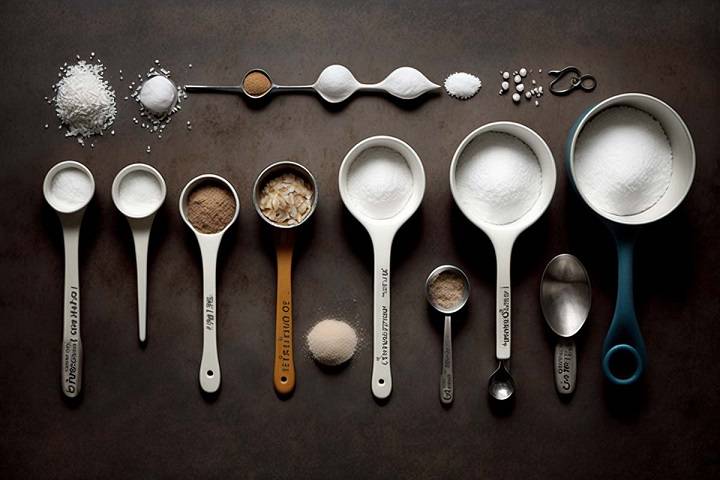
Converting 26 grams of granulated white sugar into tablespoons requires an understanding of density and the standard measurements used in culinary and nutritional contexts. On average, one level tablespoon of granulated white sugar weighs approximately 12.5 grams. Therefore, 26 grams of sugar is equivalent to approximately 2.08 tablespoons, which is effectively 2 level tablespoons plus a very small pinch.
The Science of Weight Versus Volume in Cooking
In the kitchen, the distinction between weight (grams) and volume (tablespoons) is often the source of significant measurement errors. Grams measure the mass of an ingredient, which remains constant regardless of the container, while tablespoons measure the volume or the amount of space an ingredient occupies. Because sugar particles have weight, the "heaping" versus "level" method of scooping can drastically alter the final nutritional content or recipe outcome.
When calculating the conversion for 26 grams of sugar, it is essential to define the ingredient. Granulated white sugar (sucrose) has a relatively uniform density. However, if you are measuring brown sugar, powdered sugar, or sugar substitutes, the conversion will differ significantly. For the purpose of this guide, we assume the use of standard granulated white table sugar, which serves as the industry benchmark for both food labeling and common culinary recipes.
Step-by-Step Conversion Logic
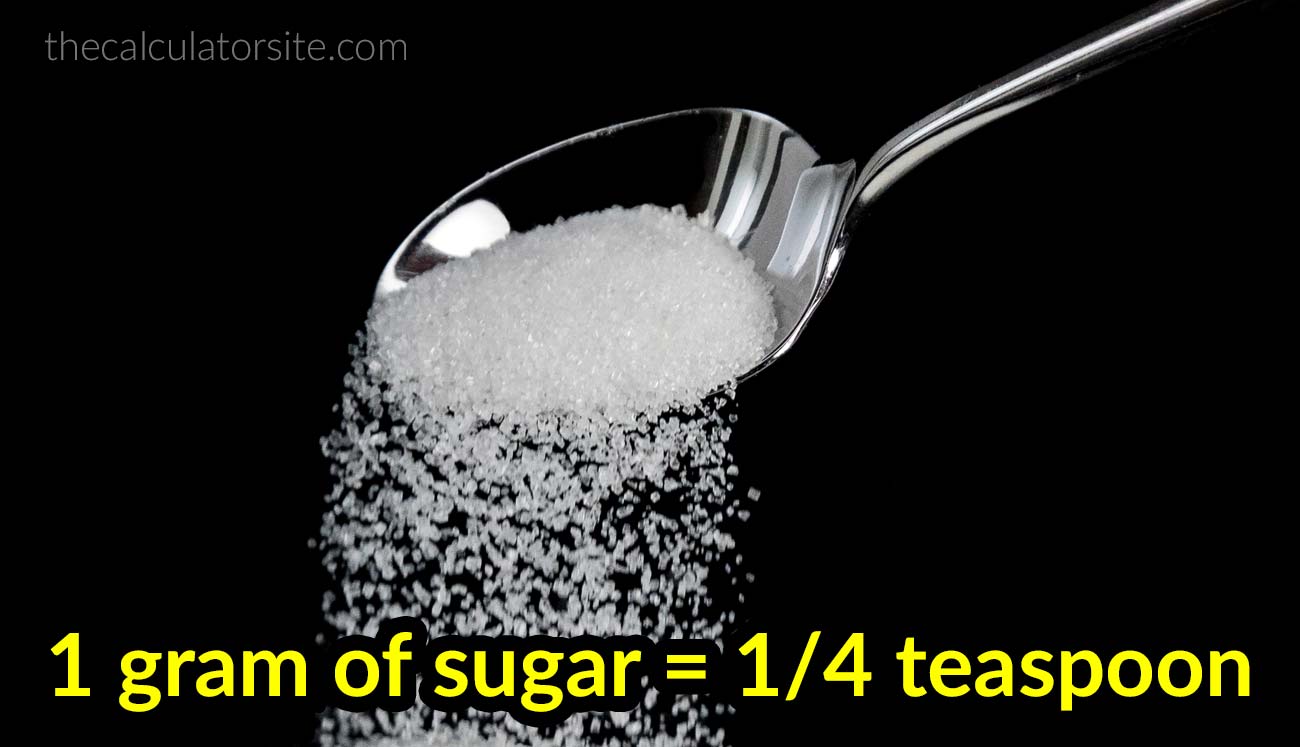
To arrive at the conversion factor, we use the standard culinary weight of 12.5 grams per tablespoon for white granulated sugar. The mathematical formula for this conversion is:
Total Grams ÷ Grams per Tablespoon = Total Tablespoons
Applying the numbers: 26 grams ÷ 12.5 grams/tablespoon = 2.08 tablespoons.
For practical purposes in a home kitchen, 2.08 tablespoons is virtually indistinguishable from 2 level tablespoons. A standard kitchen tablespoon holds 15 milliliters of liquid, but since sugar is a solid, we rely on the weight-to-volume density of 0.8 to 0.85 grams per milliliter. This density confirms that 12.5 grams is the most accurate weight for a level tablespoon of sugar.
Nutritional Context: Why 26 Grams Matters
The number 26 grams is frequently cited in nutritional labeling. Many single-serving beverage containers, processed snack packs, or daily dietary recommendation guidelines use this figure as a reference point for added sugars. By understanding that 26 grams equals roughly 2 tablespoons, you can visualize the sugar content of the food you consume more clearly.
Visualizing 2 tablespoons of sugar is a powerful tool for dietary awareness. Many health organizations, including the American Heart Association, suggest limiting daily added sugar intake. Knowing that a single item contains 26 grams—or two full tablespoons of sugar—provides an immediate, tactile sense of the sugar density that is often lost when reading abstract numbers on a nutrition label.
Comparative Table: Common Sugar Measurements
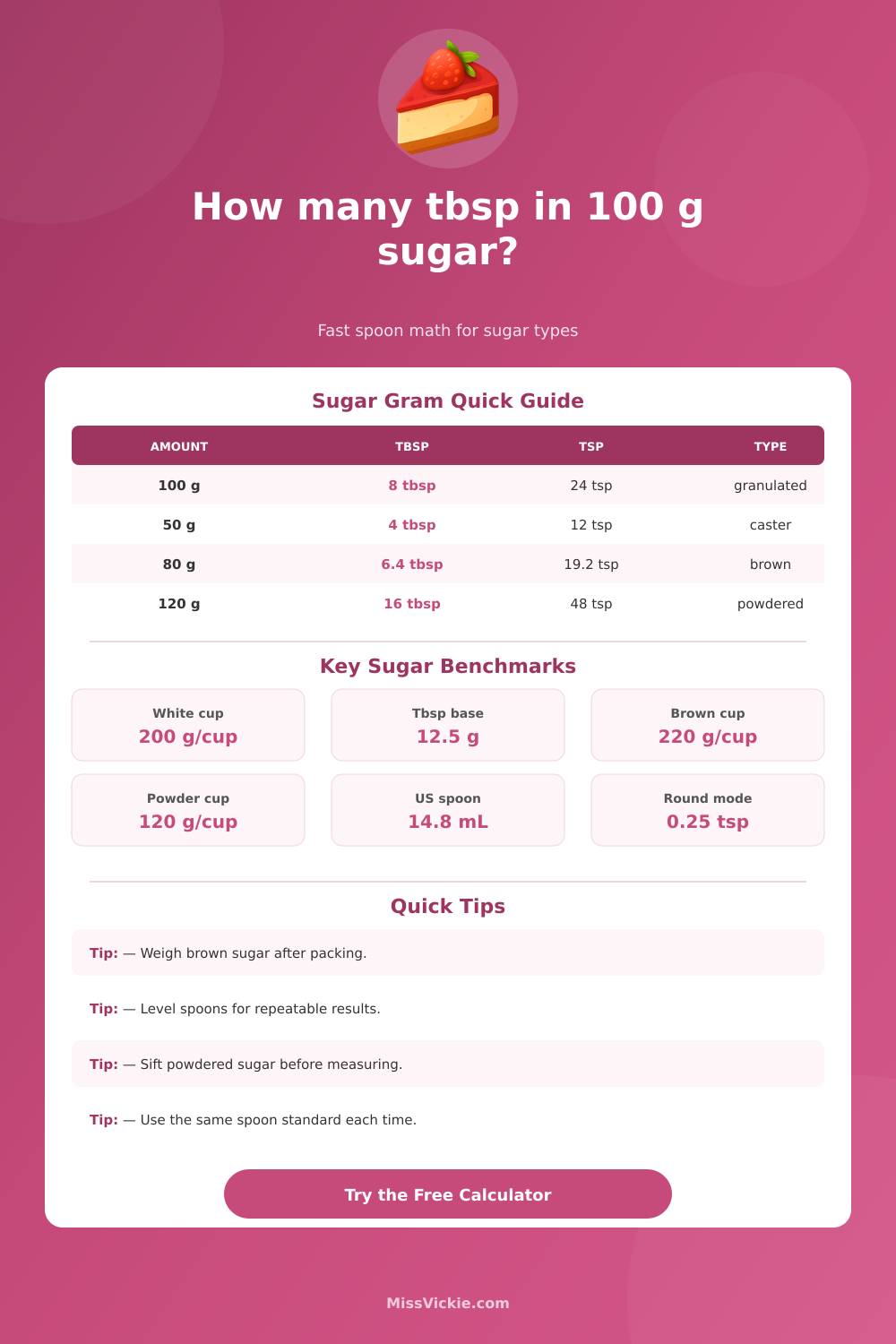
To help you manage conversions beyond the specific 26-gram threshold, the following table provides a quick reference for common gram-to-tablespoon conversions for white granulated sugar.
| Grams of Sugar | Tablespoons (Approx.) | Teaspoons (Approx.) |
|---|---|---|
| 4 grams | 0.33 | 1 |
| 12.5 grams | 1 | 3 |
| 25 grams | 2 | 6 |
| 26 grams | 2.08 | 6.25 |
| 50 grams | 4 | 12 |
| 100 grams | 8 | 24 |
Factors That Influence Measurement Accuracy
While the math is straightforward, real-world application can be affected by several variables. Understanding these variables will help you maintain consistency in your cooking and nutritional tracking.
1. The "Level" Scoop Method
The most common error in measuring sugar is the "heaping" scoop. If you scoop sugar directly from the bag, the sugar is often compressed, and the dome on top of the spoon can add 2 to 4 extra grams of sugar. To achieve an accurate 26-gram measurement, you should scoop the sugar into the tablespoon and then use the flat edge of a knife to sweep away the excess, ensuring a perfectly level surface.
2. Ingredient Variability
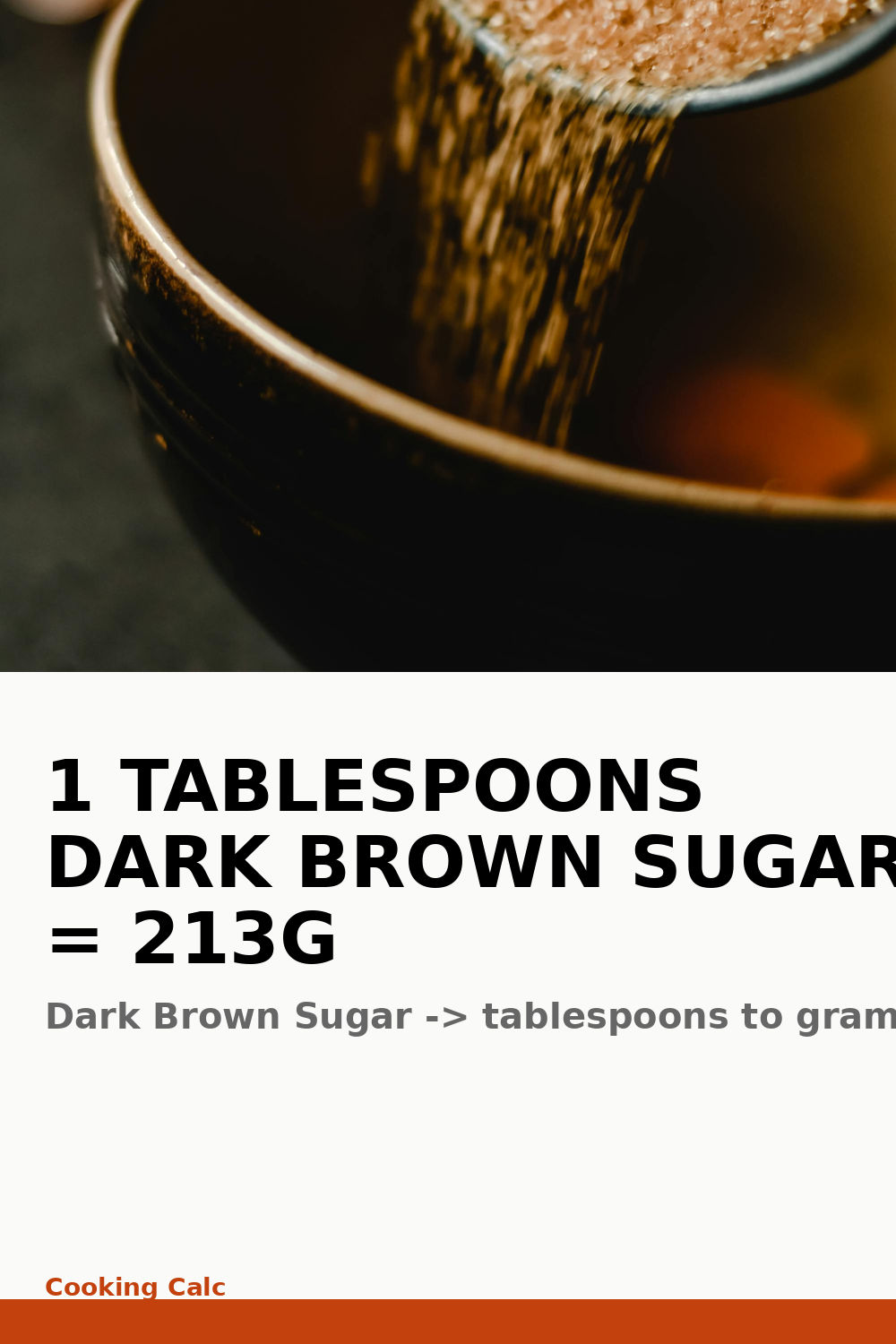
Different types of sugar have different densities. For example, powdered sugar (confectioner's sugar) is much lighter and fluffier. One tablespoon of powdered sugar weighs significantly less than 12.5 grams. Conversely, packed brown sugar is denser and contains moisture, which increases the weight per tablespoon. If a recipe calls for 26 grams of brown sugar, you would need fewer than 2 tablespoons because the sugar is more compact.
3. Humidity and Storage
Sugar is hygroscopic, meaning it absorbs moisture from the air. In humid climates, granulated sugar can clump together. This clumping changes the way the sugar occupies volume in a tablespoon. If your sugar is damp or clumpy, it is almost impossible to get an accurate volume-based measurement. In such cases, using a digital kitchen scale is the only way to ensure you are truly measuring 26 grams.
Practical Tips for Measuring Sugar
If you are strictly monitoring your sugar intake or following a precise baking recipe, consider these best practices to ensure your 26-gram measurement is accurate:
- Use a Digital Scale: Whenever possible, use a gram-accurate kitchen scale. Place your bowl on the scale, press the "tare" or "zero" button, and add sugar until the display reads exactly 26 grams. This removes all guesswork related to volume.
- The "Spoon and Level" Technique: If a scale is unavailable, use a small spoon to fill your tablespoon, then level it off. Avoid using the tablespoon to "dig" into the bag, as this compresses the sugar and leads to inaccurate, heavier measurements.
- Sift if Necessary: If you are working with clumped sugar, sift it before measuring. This ensures that the volume of the sugar is uniform throughout the spoon.
Troubleshooting Common Measurement Issues
If your result seems "off," consider these common troubleshooting steps:
- Is the spoon the right size? Some "tablespoons" in cutlery sets are not standardized to the 15ml culinary measurement. Use standardized measuring spoons rather than eating utensils.
- Is the sugar settled? Sugar that has been sitting in a container for a long time settles and becomes denser. Give the container a quick shake before measuring.
- Are you mixing metric and imperial? Always check if your recipe uses standard US tablespoons or metric tablespoons, as there is a slight variance in volume (15ml vs 20ml in some regions).
Frequently Asked Questions
Does 26 grams of sugar represent a healthy amount? The health impact of 26 grams of sugar depends on your overall dietary context. For context, 26 grams is slightly more than the total daily limit for added sugars suggested for women by the American Heart Association (which is 25 grams). Whether this is "healthy" depends on your daily caloric needs and the quality of the rest of your diet.
Can I use a liquid measuring cup to measure 26 grams of sugar? No, liquid measuring cups are designed for volume, not weight. Because sugar is a dry ingredient, the accuracy of a liquid cup is low. It is much better to use a dry measuring spoon or a digital scale to ensure you reach the 26-gram mark.
Why does my 2 tablespoons of sugar weigh more than 26 grams? This is likely due to the "heaping" effect. If you are not leveling off the spoon with a flat-edged tool, you are likely adding 2 to 4 extra grams of sugar per tablespoon, which would easily push a 2-tablespoon measurement from 25 grams to 28 or 30 grams.
Does the type of sugar change the conversion? Yes. As noted, the conversion of 12.5 grams per tablespoon is specific to granulated white sugar. Brown sugar, raw sugar, and powdered sugar have different densities and will require different volume measurements to reach 26 grams. Always weigh these ingredients for accuracy.
What is the best way to track sugar for a diet? The most effective way to track sugar is to read the "Total Sugars" or "Added Sugars" line on nutritional labels and record the grams directly. If you are cooking from scratch, use a digital scale to weigh your ingredients, as this is the only way to avoid the inconsistencies inherent in volume-based measuring tools.
Conclusion and Next Steps
Converting 26 grams of sugar into tablespoons is a simple process of estimation, resulting in roughly 2 level tablespoons. While this estimation is perfect for general culinary needs, it is important to remember the inherent limitations of volume-based measurements. For high-precision baking or strict dietary tracking, the use of a digital kitchen scale is highly recommended. By utilizing the "spoon and level" technique, you can minimize the risk of over-measuring and gain better control over the sugar content in your daily intake. If you are tracking sugar for health reasons, continue to rely on the gram measurements provided on nutrition labels rather than converting to tablespoons, as this will provide the highest level of accuracy for your records.