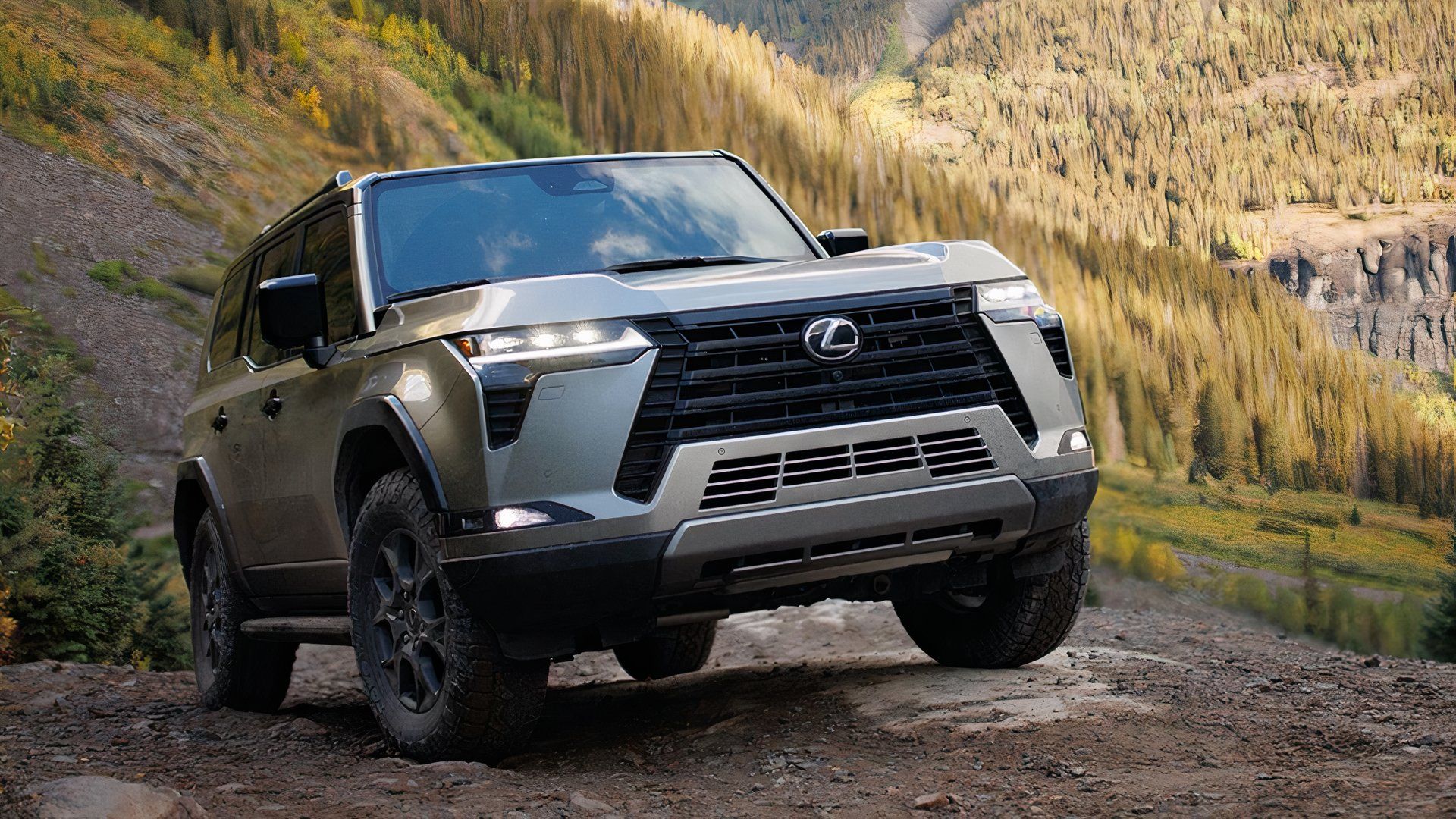
The sales figure of 239,451 units represents the phenomenal annual milestone achieved by North America’s undisputed best-selling sport utility vehicle, the Toyota RAV4. This massive sales volume highlights a broader consumer shift toward versatile, fuel-efficient compact crossovers, balancing everyday commuting practicality with robust cargo capacity and modern safety technologies.
The modern automotive landscape is defined by an intense rivalry across segments, but few nameplates capture the purchasing pulse of the general public quite like the Toyota RAV4. When analysts reference a volume milestone such as 239,451 units within a specific reporting cycle, they are pointing toward a masterclass in manufacturing efficiency, supply chain resilience, and targeted consumer positioning. Understanding how a vehicle reaches this rarefied air requires breaking down its trim structure, evaluating its mechanical configurations, analyzing its market competitors, and assessing the practical realities that turn prospective buyers into long-term brand loyalists.
The Anatomy of a Segment Leader
Achieving a six-figure sales tally does not happen by accident; it requires a vehicle to appeal to a remarkably broad demographic. The compact SUV segment serves as the default garage choice for single urban professionals, growing families, empty nesters, and outdoor enthusiasts alike. To satisfy such a wide-ranging audience, the architecture of the vehicle must balance opposing engineering priorities: it must maintain a small enough footprint for tight city parking while offering enough interior volume to swallow weekly grocery runs or weekend camping gear.
At the core of this vehicle's market dominance is its TNGA-K (Toyota New Global Architecture) platform. This structural foundation provides a low center of gravity, highly rigid body shell, and independent multi-link rear suspension. These mechanical attributes translate directly to predictable handling, reduced cabin noise, and a ride quality that insulates passengers from poorly maintained road surfaces. Engineers designed the suspension geometry to absorb sharp impacts without sacrificing high-speed stability, making long-distance road trips far less fatiguing for both drivers and passengers.
Furthermore, the vehicle's exterior design language relies on chiseled, truck-inspired lines rather than overly aggressive or polarizing futuristic shapes. This visual restraint ensures timeless appeal, helping maintain strong residual values. When lease returns and trade-ins flood the used market, a universally accepted exterior design guarantees sustained demand, which in turn bolsters consumer confidence at the dealership counter.
Powertrain Diversity and Technical Specifications
A primary driver behind high-volume sales is powertrain flexibility. Modern buyers demand choices that align with their driving habits, environmental priorities, and fuel-budget constraints. The market's most popular SUV delivers on this front by offering three distinct propulsion methodologies: a traditional internal combustion engine, a high-efficiency conventional hybrid, and a plug-in hybrid electric vehicle (PHEV) variant.
The traditional gasoline model utilizes a naturally aspirated 2.5-liter four-cylinder engine paired with an eight-speed automatic transmission. While it may not offer the blistering acceleration of a turbocharged luxury competitor, it prioritizes mechanical simplicity and long-term durability.
For buyers seeking maximum efficiency without the hassle of plugging in, the hybrid variant pairs the 2.5-liter engine with electric motors and an electronic continuously variable transmission (e-CVT). This setup routes power to an electronic all-wheel-drive system (AWD-e) that automatically engages the rear wheels when slip is detected.
| Powertrain Type | Primary Engine | Transmission | Estimated Fuel Economy (Combined) | Drivetrain Options |
|---|---|---|---|---|
| Gasoline | 2.5L 4-Cylinder | 8-Speed Automatic | 27–30 MPG | Front-Wheel / All-Wheel Drive |
| Hybrid (HEV) | 2.5L 4-Cylinder + Electric Motors | Electronic CVT | 39–41 MPG | Electronic All-Wheel Drive |
| Plug-In Hybrid (PHEV) | 2.5L 4-Cylinder + High-Capacity Battery | Electronic CVT | 38 MPG / 94 MPGe | Standard All-Wheel Drive |
The plug-in hybrid variant elevates performance by adding a larger lithium-ion battery pack, granting drivers an estimated all-electric driving range before the gasoline engine activates. This multi-pronged powertrain strategy ensures that whether a buyer commutes thirty miles a day in dense urban stop-and-go traffic or embarks on cross-country highway journeys, an appropriate mechanical configuration is readily available.
Interior Packaging, Ergonomics, and Cargo Utility
Beyond mechanical specifications, the cabin environment dictates whether a vehicle earns daily affection or daily frustration. The interior layout of North America's top-selling SUV focuses on tactile feedback, intuitive ergonomics, and clever storage solutions. Unlike competitors that bury climate controls within deep touch-screen submenus, this vehicle retains physical dials and buttons for primary functions such as fan speed, temperature adjustments, and audio volume. This design choice minimizes driver distraction and enhances usability while wearing gloves in cold climates.
Storage compartments are strategically integrated throughout the cabin. The center console features deep cup holders, a spacious armrest bin, and a convenient open dash tray designed to hold smartphones securely during transit. Rear-seat passengers enjoy generous legroom and headroom, accommodating adults comfortably even on extended trips.
Cargo versatility remains a cornerstone of the vehicle's enduring popularity. With the rear 60/40 split-bench seats upright, the rear hold accommodates bulky suitcases, strollers, or sports equipment. Folding the second-row flat opens up a cavernous cargo floor with a low liftover height, making it easy to load heavy or awkward items.
Safety Suite and Driver-Assistance Technologies
Safety is a non-negotiable priority for family-oriented buyers, and market dominance requires a comprehensive suite of standard active driver-assistance systems. Modern iterations of this leading SUV come equipped with advanced safety packages featuring pre-collision systems with pedestrian detection, lane departure alerts with steering assist, full-speed range dynamic radar cruise control, and road sign recognition.
These systems rely on a combination of windshield-mounted cameras and front-facing millimeter-wave radar sensors. When properly calibrated, they reduce the severity of frontal impacts and alleviate driver fatigue during monotonous highway driving. Automatic high beams, blind-spot monitoring, and rear cross-traffic alerts further shield the vehicle from common parking lot mishaps and highway blind-spot collisions.
Achieving top safety ratings from independent testing bodies like the Insurance Institute for Highway Safety (IIHS) and the National Highway Traffic Safety Administration (NHTSA) solidifies consumer trust. Parents feel secure strapping child safety seats into the LATCH-equipped rear anchors, knowing the vehicle's structural crash architecture is engineered to dissipate kinetic energy away from the passenger cell.
Market Competition and Comparative Advantages
The compact SUV segment features fierce contenders, including the Honda CR-V, Hyundai Tucson, Kia Sportage, Subaru Forester, and Nissan Rogue. Each rival brings unique strengths to the showroom floor. For instance, the Honda CR-V is often praised for its cavernous interior packaging and smooth ride, while the Hyundai Tucson and Kia Sportage captivate buyers with avant-garde exterior styling and extensive warranty coverages.
Despite this intense pressure, the RAV4 maintains its crown by striking an optimal balance across all evaluation metrics. It may not possess the absolute sharpest handling in the class, nor the most luxurious interior materials at the base price point, but its holistic package—combining rock-solid reliability, exceptional resale value, diverse powertrain options, and low maintenance costs—creates an unbeatable value proposition.
Buyers often calculate total cost of ownership rather than just the initial sticker price. Because these vehicles depreciate at a slower rate than many domestic or luxury competitors, owners recoup a significantly higher percentage of their initial investment when it comes time to trade up or sell privately.
Common Owner Considerations and Maintenance Realities
While ownership satisfaction ratings remain high, prospective buyers must evaluate a few practical considerations. Road noise insulation, particularly under hard acceleration in hybrid models where the engine revs under load, can feel intrusive compared to more expensive luxury alternatives. Furthermore, infotainment software, while functional and compatible with wireless Apple CarPlay and Android Auto, occasionally receives criticism for interface design that lacks the visual polish of newer digital dashboards.
Maintenance requirements are straightforward and budget-friendly. Routine servicing involves standard synthetic oil changes, tire rotations, brake inspections, and cabin air filter replacements at regular intervals. The hybrid and plug-in hybrid variants require minimal specialized maintenance beyond standard fluid checks, as the regenerative braking system naturally reduces brake pad wear compared to traditional internal combustion vehicles.
For used car buyers reviewing historical production data or checking service records, verifying proper hybrid battery cooling vent maintenance is essential. Ensuring these intake vents—typically located near the rear seats—remain clear of pet hair and debris guarantees optimal battery thermal management and longevity.
Frequently Asked Questions
What specific vehicle does the 239,451 sales figure represent?
This sales figure typically represents the quarterly or regional volume milestone achieved by the Toyota RAV4, which consistently ranks as the best-selling non-truck vehicle and top SUV in North America. Its widespread availability across gas, hybrid, and plug-in hybrid variants drives this massive production and delivery volume.
Why are hybrids favored over traditional gas models in high-volume sales?
Hybrids offer a compelling blend of significantly improved fuel economy without requiring lifestyle adjustments or reliance on public electric vehicle charging infrastructure. Buyers appreciate the seamless transition between electric and gasoline power, lower lifetime fuel costs, and reduced emissions.
How does the cargo capacity compare to mid-size SUVs?
While compact SUVs cannot match the massive third-row hauling capacity of full-size or mid-size three-row SUVs, modern compact crossovers offer clever packaging that maximizes floor space. They easily rival older mid-size SUVs in usable two-row cargo volume while retaining a much smaller exterior footprint for easier parking.
What is the expected resale value for this model?
Because of high organic market demand, bulletproof mechanical reliability, and strong brand equity, these vehicles typically retain a higher percentage of their original MSRP after three to five years compared to the industry average, making them financially sound choices for lease or purchase.
Are there any specific model years to watch out for when buying used?
When shopping the secondary market, buyers should review official recall notices and service histories. Early model years of redesigned generations sometimes experience minor software glitches or mechanical adjustments that are typically resolved under warranty by subsequent model years.
Conclusion and Next Actions
Achieving a sales milestone of 239,451 units underscores the precise alignment between what modern drivers need and what manufacturers deliver. This dominant SUV succeeds not by reinventing the wheel, but by executing the fundamentals of efficiency, safety, utility, and reliability with exceptional consistency.
For prospective buyers navigating the crowded crossover market, the best next step is to schedule back-to-back test drives comparing the conventional gasoline model against the hybrid variant. Pay close attention to how each powertrain handles your daily commute, evaluate the comfort of the seating positions over varied road surfaces, and request a detailed insurance quote to accurately project your total cost of ownership before signing on the dotted line.