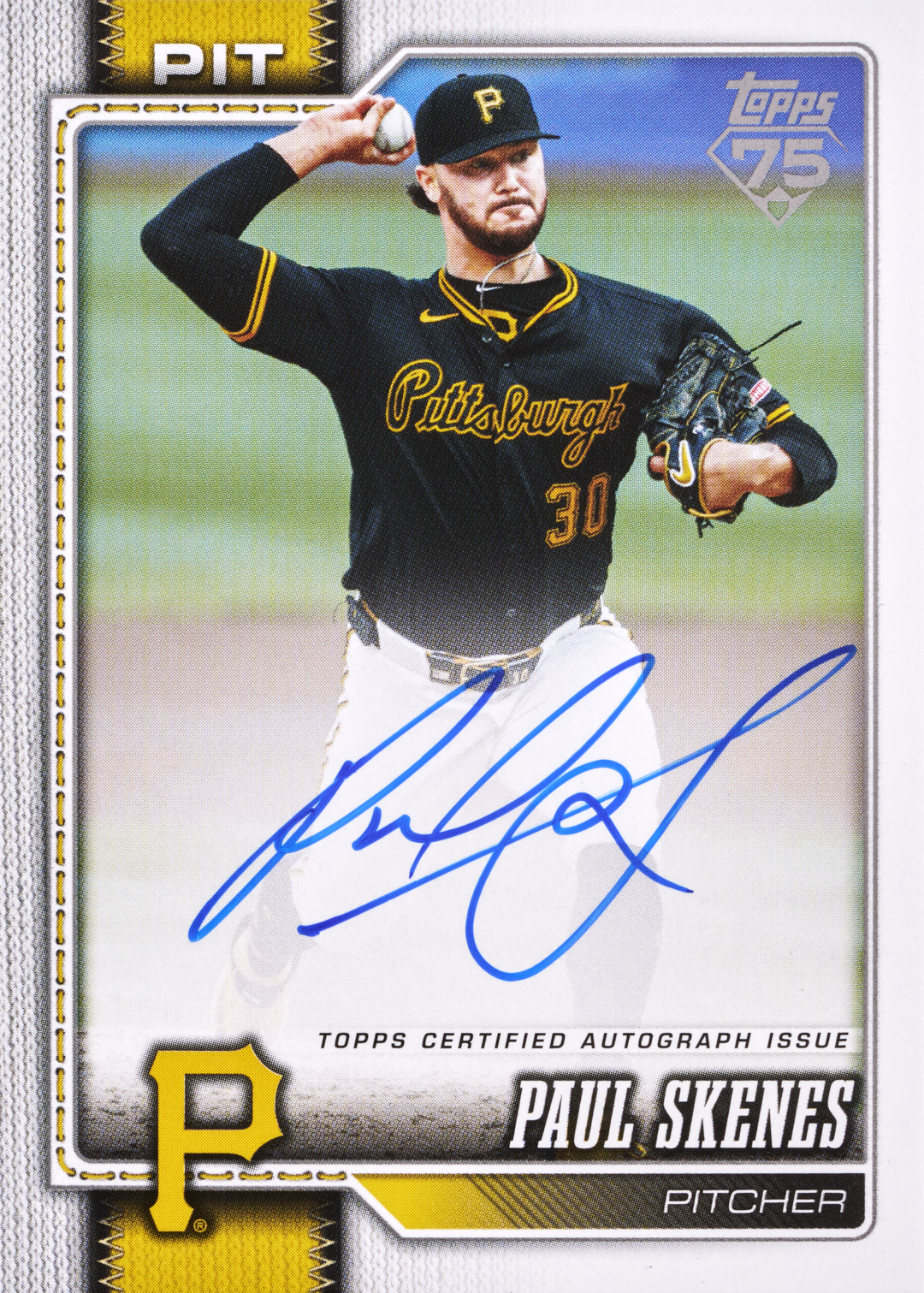
The 2026 Heritage baseball card set serves as a nostalgic tribute to the 1977 Topps baseball design, combining vintage aesthetics with modern player rosters. To successfully navigate the 2026 Heritage baseball checklist, collectors must account for the base set numbering, the inclusion of short-printed variations, and the specific subsets—such as Rookie Performers and Then and Now—that define the set’s value and completion requirements.
Understanding the 2026 Heritage Aesthetic and Scope
The Heritage brand occupies a unique position in the baseball card hobby. Unlike flagship releases that focus on cutting-edge photography and premium card stock, Heritage is defined by its commitment to historical accuracy. The 2026 release honors the 1977 Topps design, which is characterized by a clean, minimalist layout, bold team name headers, and iconic circular player portraits.
For the modern collector, the 2026 Heritage baseball checklist is not merely a list of names; it is a structural puzzle. The base set typically spans 500 cards, with the final 100 cards often designated as "High Numbers" or short prints. Understanding this division is critical for those attempting to assemble a complete master set, as the distribution ratios for these cards differ significantly from the first 400 cards in the series.
Breaking Down the Checklist Structure
To effectively manage a collection or track progress toward a complete set, you must categorize the checklist into its primary components. Most collectors find that a systematic approach—sorting by base cards, subsets, and inserts—prevents the common error of misidentifying short prints or missing a critical subset card.
Base Set and High Numbers
The core of the 2026 Heritage release comprises the primary player roster. The base set cards (numbered 1–400) are relatively easy to acquire through standard hobby boxes and retail packs. However, cards numbered 401–500 represent the "High Number" segment. In many cases, these cards appear at a significantly lower frequency per pack. If you are buying singles, prioritizing these numbers first is often a sound financial strategy, as their scarcity remains consistent regardless of the current market cycle in 2026.
Essential Subsets
The 2026 Heritage checklist includes several recurring subsets that pay homage to the 1977 design style:
- Rookie Performers: Highlights first-year players who have already made a significant impact on their respective teams.
- Then and Now: Compares the statistics or career milestones of a 1977 player against a modern 2026 counterpart.
- League Leaders: Features the statistical leaders from the previous season, maintaining the tradition of honoring excellence in specific categories like home runs and earned run average (ERA).
- World Series Highlights: Commemorates the pivotal moments of the previous year’s championship series.
Managing Variations and Short Prints
One of the most complex aspects of the 2026 Heritage checklist is the inclusion of "Short Prints" (SPs) and "Super Short Prints" (SSPs). These cards often look nearly identical to the base set at a casual glance, but they feature different photographs or slight variations in the card back or front design.
Experienced collectors verify these cards using the final three digits of the fine print on the back of the card. A standard base card will have a specific sequential code, while an SP or SSP will have a distinct, different code. When trading or purchasing these, it is imperative to verify the code against the master checklist provided by the manufacturer or reputable hobby databases. Relying on the image alone often leads to mistakes, especially with modern digital printing methods that can make image variations seem more subtle than they are.
Comparative Overview of Set Elements
The following table provides a breakdown of how the various components of the 2026 Heritage set differ in terms of their intended purpose and collection priority.
| Component | Card Number Range | Rarity Level | Collection Priority |
|---|---|---|---|
| Base Set | 1–400 | Common | High (Foundation) |
| High Numbers | 401–500 | Uncommon | Moderate (Set Completion) |
| Rookie Performers | Varies | Uncommon | High (Prospecting) |
| Then and Now | Varies | Common/Uncommon | Low (Thematic) |
| Variations/SPs | Varies | Rare to Very Rare | High (Investment/Value) |
Strategies for Set Completion
Building a 2026 Heritage set is a marathon, not a sprint. The most common pitfall for collectors is over-buying retail packs in the hope of pulling high-value variations. While the thrill of the "pack rip" is a significant part of the hobby, it is rarely the most cost-effective way to complete a set of 500+ cards.
The Hybrid Approach
A successful strategy for 2026 involves buying one or two hobby boxes to experience the thrill of the opening and to secure a large percentage of the base set. Once the bulk of the common cards are accounted for, transition to purchasing individual cards (singles) for the remaining High Numbers and short prints.
Verification and Condition
When purchasing singles, especially variations that command a premium price, always assess the card’s centering and corner condition. Heritage cards are printed on a matte, vintage-style stock that is more susceptible to surface wear and corner fraying than the glossy finish found in other products. Ensure that your storage solutions—such as penny sleeves and rigid top-loaders—are appropriate for the specific thickness of the 2026 Heritage card stock to prevent long-term degradation.
Frequently Asked Questions
How can I tell if I have a short print in the 2026 Heritage set? Check the small, often microscopic, code at the bottom of the card back. The base cards will carry one code, while short prints will have a different sequence. Comparing your card to an online database or an official checklist is the most reliable way to verify its status.
Are the 2026 Heritage Rookie Performers considered "True Rookies"? Not necessarily. Collectors should distinguish between the Heritage "Rookie Performers" subset and an officially licensed "RC" (Rookie Card) logo card. The Heritage subset is a design tribute; verify the "RC" logo on the front to ensure it is the player's official rookie issue.
Why are the last 100 cards in the set harder to find? The 2026 Heritage checklist follows the traditional Topps distribution model where the final 100 cards are printed in lower quantities to maintain interest in the set throughout the release year. This creates a "chase" element that sustains secondary market activity.
Should I grade my 2026 Heritage cards? Only high-value variations or notable rookie cards typically warrant the cost of professional grading. Standard base cards, even when in perfect condition, rarely recoup the cost of professional certification due to their high production volume.
What is the best way to organize a set of this size? Use 9-pocket trading card pages for the base set to allow for easy viewing. For higher-value variations and short prints, individual rigid plastic holders are recommended to prevent surface scratching and edge damage.
Next Steps for the Collector
To finalize your 2026 Heritage collection, start by creating a physical or digital spreadsheet based on the master checklist. Mark the cards you currently possess and identify the exact gaps in your set. By focusing your next acquisitions strictly on the specific card numbers you are missing, you avoid the redundancy of duplicate base cards and can allocate your budget toward the more elusive short prints that prevent set completion. If you are aiming for a master set, prioritize acquiring the variations early, as these often increase in market interest as the production cycle winds down.