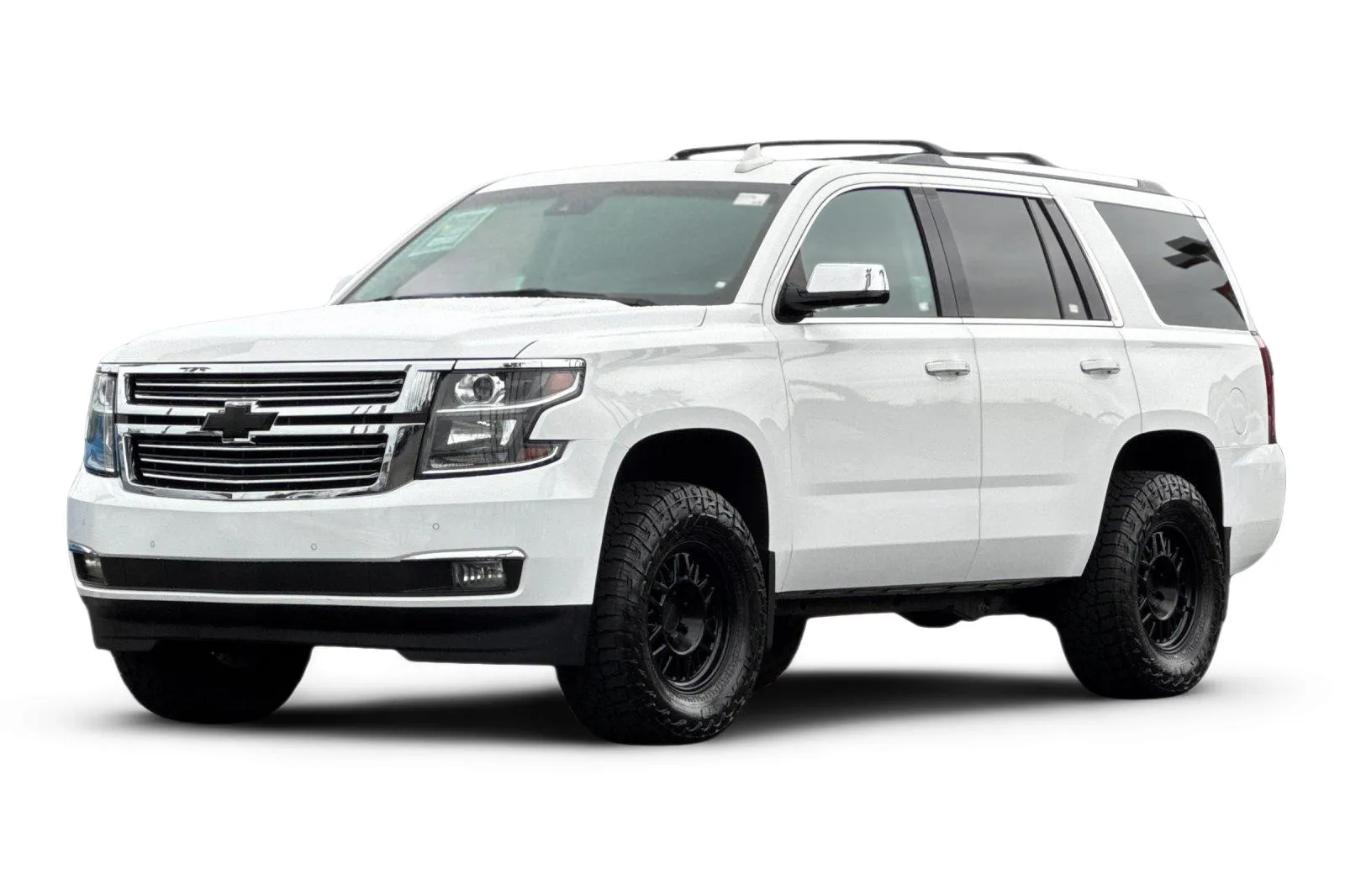
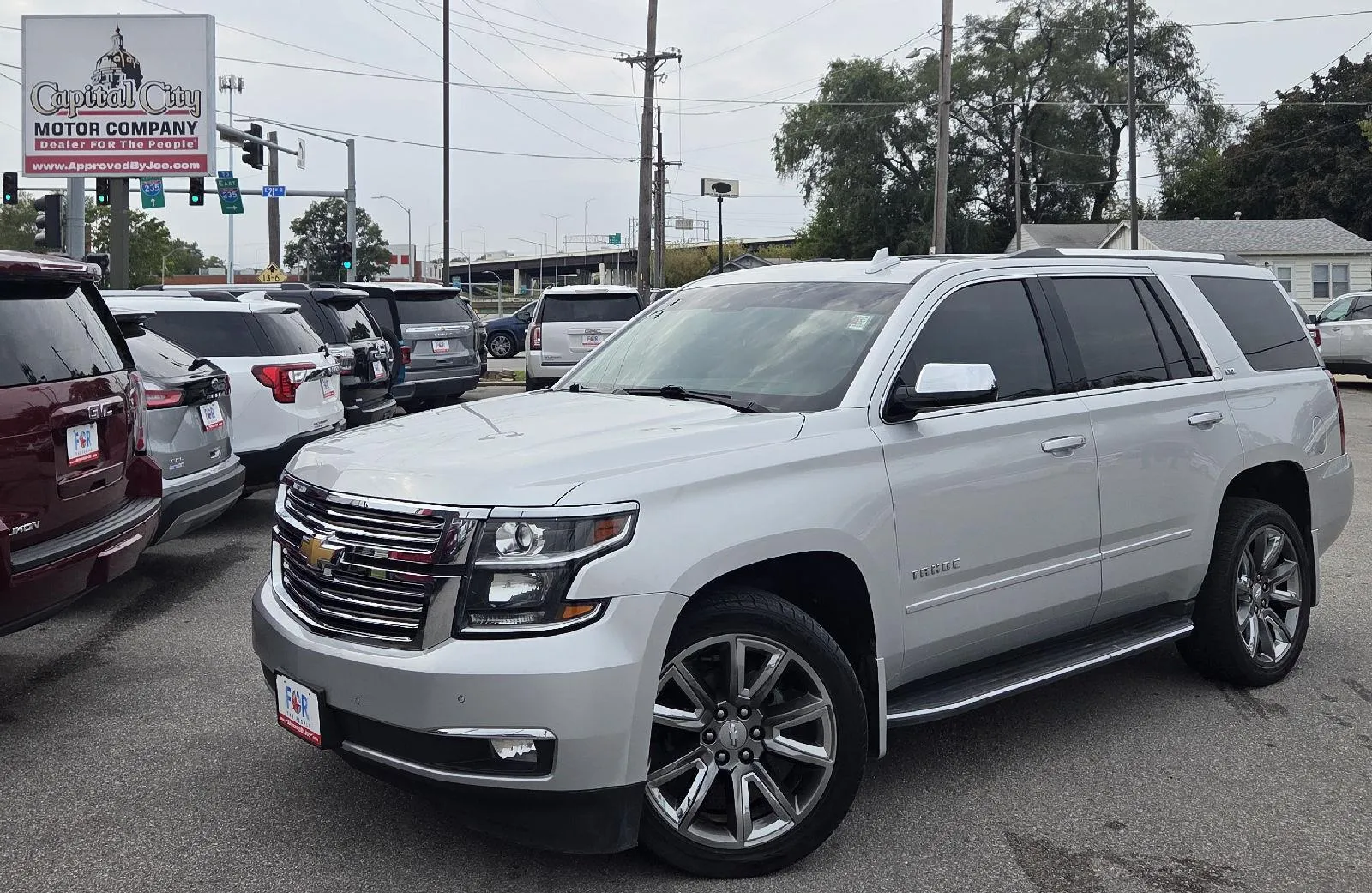
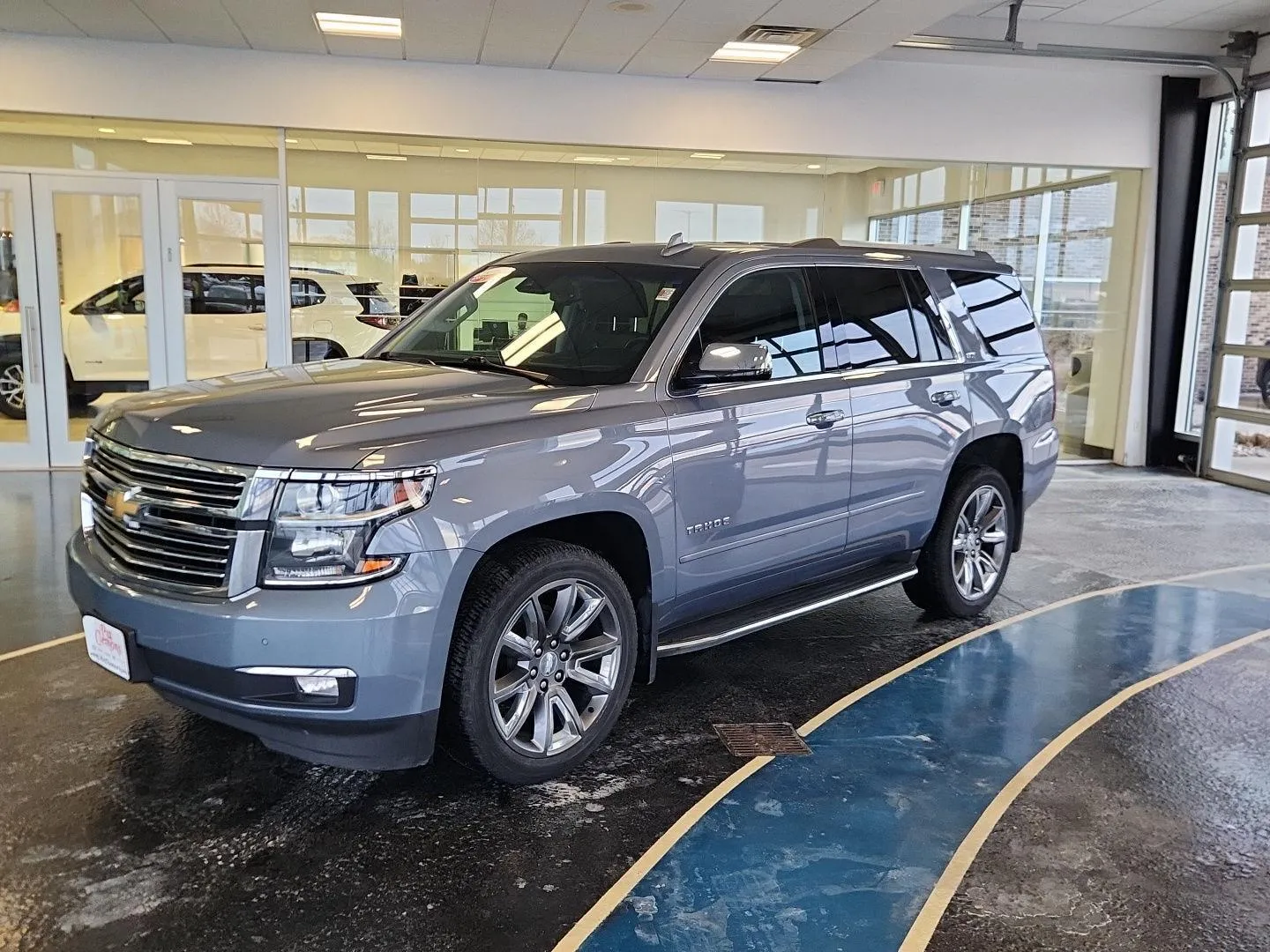
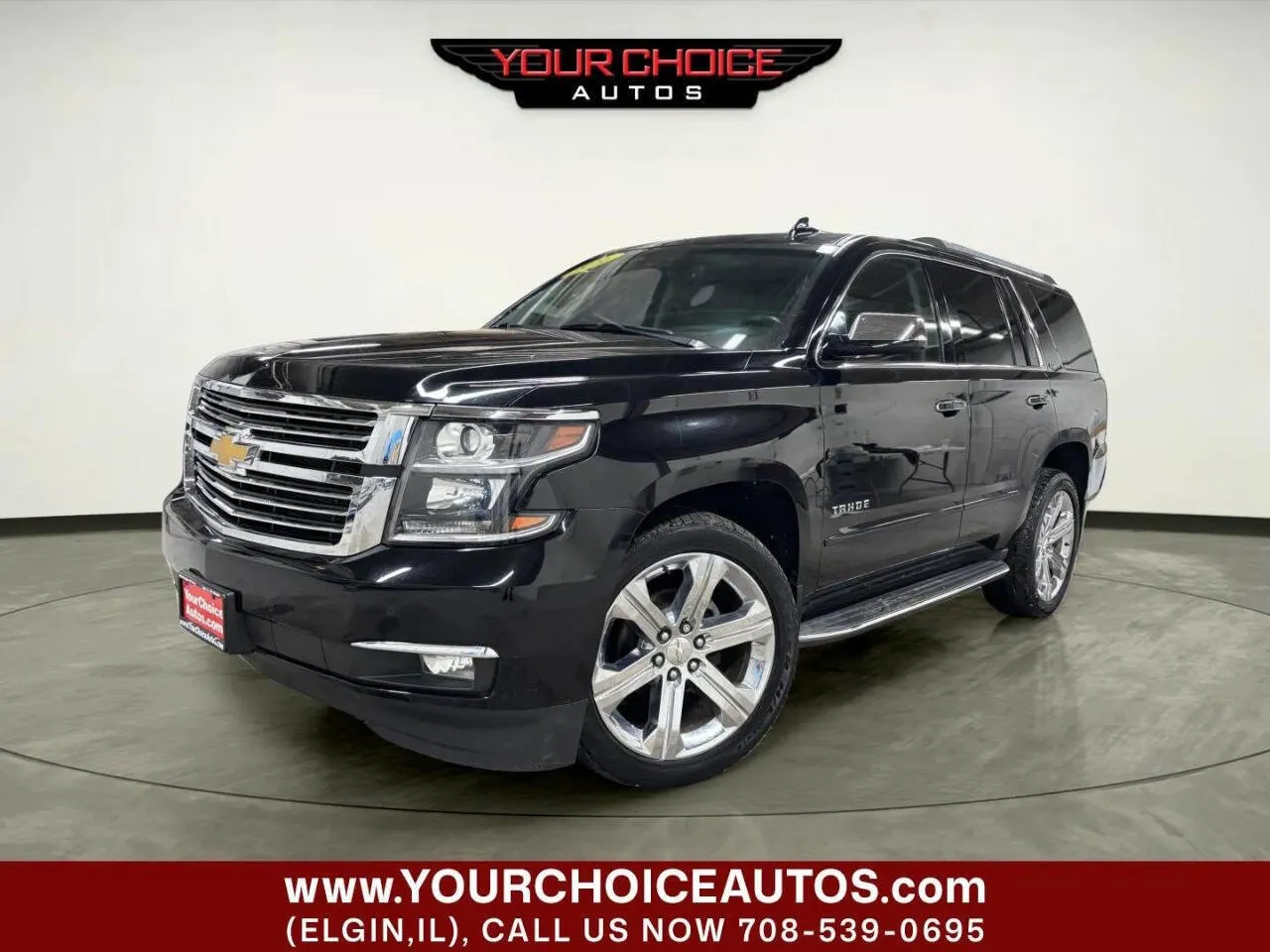
The 2016 Chevrolet Tahoe LTZ is a premier full-size SUV that balances rugged truck-based capability with high-end executive features. It features a 355-horsepower 5.3L V8 engine, standard Magnetic Ride Control, and advanced 2016-era safety tech. In 2026, it remains a sought-after used vehicle for families requiring significant towing capacity and premium interior comfort.
The Evolution of the Tahoe LTZ
The 2016 model year represented the second year of the Tahoe’s fourth generation (K2UC). At the time of its release, the LTZ was the flagship trim, a designation that would later be rebranded as "Premier" starting in 2017. This specific model year is historically significant because it introduced several critical technological updates that allowed the Tahoe to bridge the gap between a traditional utility vehicle and a modern luxury cruiser.
In the context of 2026, the 2016 Tahoe LTZ has transitioned into a classic example of a "high-value used" full-size SUV. While it lacks the independent rear suspension found in the 2021-and-newer models, its solid rear axle design is often preferred by those who prioritize heavy-duty towing and long-term durability. The LTZ trim was designed to compete directly with the GMC Yukon Denali and the Ford Expedition Limited, offering a quieter cabin and a more refined ride than the base LS or mid-grade LT trims.
Powertrain and Mechanical Specifications
The heart of the 2016 Tahoe LTZ is the 5.3-liter EcoTec3 V8 engine (L83). This engine was a significant leap forward from the previous generation’s Vortec series, incorporating three distinct technologies to balance power with fuel efficiency: Direct Injection, Variable Valve Timing (VVT), and Active Fuel Management (AFM).
The 5.3L V8 Engine Dynamics
The L83 engine produces 355 horsepower and 383 lb-ft of torque. In real-world driving, this translates to a vehicle that feels surprisingly nimble for its 5,500-pound curb weight. The Direct Injection system allows for a higher compression ratio, which improves combustion efficiency. However, in 2026, high-mileage owners often monitor the Active Fuel Management system closely. AFM allows the engine to "deactivate" four cylinders during light-load cruising to save fuel. While effective for MPG, long-term reliability of the lifters associated with this system is a common point of discussion among enthusiasts and mechanics.
Transmission and Drivetrain
The 2016 LTZ is equipped with the Hydra-Matic 6L80 six-speed automatic transmission. Unlike the 8-speed and 10-speed transmissions found in later models, the 6-speed is known for its relatively straightforward gearing. It includes a "TapShift" manual control on the column shifter and a dedicated Tow/Haul mode that alters shift points to reduce hunting when pulling a trailer. Buyers in 2026 should be aware that the 6L80 is generally robust but can suffer from torque converter issues if the transmission fluid has not been serviced at regular intervals.
Magnetic Ride Control: The LTZ Advantage
Perhaps the most defining mechanical feature of the LTZ trim is the standard Magnetic Ride Control (MRC). This real-time damping system uses shocks filled with magneto-rheological fluid—a liquid infused with iron particles. By applying an electromagnetic charge, the vehicle can change the fluid's viscosity (and thus the shock's stiffness) in as little as 10 to 15 milliseconds. This allows the Tahoe LTZ to remain flat during cornering and absorb road imperfections that would typically cause a truck-based SUV to feel "jittery."
Interior Luxury and Cargo Versatility
The interior of the 2016 Tahoe LTZ was a major departure from the "plastic-heavy" cabins of the early 2010s. For the LTZ, Chevrolet utilized higher-quality materials, including soft-touch plastics, genuine wood accents, and perforated leather-appointed seating.
Seating and Comfort
The LTZ typically comes configured with second-row bucket seats, making it a 7-passenger vehicle, though a 60/40 split-bench second row was an available option for 8-passenger capacity. The front seats are 12-way power-adjustable and include both heating and ventilation—features that remain premium even by 2026 standards. The third row is power-folding, a major convenience feature introduced in this generation that allows users to transition from passenger hauling to cargo carrying at the touch of a button.
Technology and Infotainment
2016 was a pivotal year for Chevrolet’s MyLink infotainment system. This was the first year that Apple CarPlay was integrated into the 8-inch diagonal color touchscreen. (Android Auto was added via a software update later in the model year). For the LTZ trim, a Bose Centerpoint 10-speaker surround-sound system is standard, providing an immersive audio experience that compensates for the large interior volume of the SUV.
Cargo Space Limitations
One technical trade-off of the 2016 model is the cargo floor height. Because the 2016 Tahoe utilizes a solid rear axle, the floor of the cargo area is relatively high to accommodate the suspension travel. While the third-row seats fold flat, they do so onto a platform that sits several inches above the actual rear sill. This results in 15.3 cubic feet of space behind the third row, 51.7 cubic feet with the third row folded, and 94.7 cubic feet with all rear seats down.
Safety and Driver Assistance Systems
The 2016 Tahoe LTZ was positioned as a safety leader in the SUV segment. For this model year, Chevrolet introduced the "Enhanced Driver Alert Package," which became standard on the LTZ.
- Lane Keep Assist: Unlike a simple departure warning, this system provides gentle steering wheel nudges to help keep the vehicle within detected lane markings.
- IntelliBeam Headlamps: This feature automatically turns high beams on and off based on surrounding traffic conditions and light levels.
- Side Blind Zone Alert: Using radar sensors in the rear quarter panels, this system alerts the driver to vehicles in adjacent lanes.
- Rear Cross Traffic Alert: Essential for a vehicle of this size, it warns the driver of approaching traffic when backing out of a parking space.
- Safety Alert Seat: A patented GM feature that vibrates the driver's seat cushion (left, right, or both sides) to indicate the direction of a potential collision.
2016 Tahoe LTZ Technical Specifications
The following table summarizes the core technical data for the 2016 Tahoe LTZ as it would be evaluated by a buyer or technician in 2026.
| Feature | Specification |
|---|---|
| Engine Type | 5.3L V8 EcoTec3 with AFM and DI |
| Horsepower | 355 hp @ 5600 rpm |
| Torque | 383 lb-ft @ 4100 rpm |
| Transmission | 6-speed Automatic (6L80) |
| Suspension | Magnetic Ride Control (Standard on LTZ) |
| Max Towing Capacity | 8,400 lbs (2WD) / 8,600 lbs (4WD with Max Trailering) |
| Fuel Economy (EPA) | 16 City / 23 Highway (2WD) |
| Wheel Size | 20-inch Polished Aluminum (Standard) |
| Infotainment | 8-inch MyLink with Apple CarPlay |
| Curb Weight | Approx. 5,465 - 5,683 lbs |
Reliability and Maintenance in 2026
When evaluating a 2016 Tahoe LTZ in 2026, several "age-related" and "generation-specific" maintenance items must be considered. These vehicles are now a decade old, meaning typical wear-and-tear is compounded by known technical vulnerabilities of the K2 platform.
The 6L80 Transmission "Shudder"
One of the most documented issues with this generation is the torque converter clutch (TCC) shudder. Over time, the torque converter can fail, sending metal debris through the transmission. In 2026, many owners opt to install an aftermarket thermal bypass valve or "pill flip" to keep transmission temperatures lower, which is a common preventative measure for the 6L80.
Magnetic Ride Control Replacement
While MRC provides a superior ride, the specialized shocks are significantly more expensive to replace than standard gas-charged shocks. By 2026, a 2016 LTZ will likely be on its second set of shocks. If the ride feels excessively bouncy or "stiff," the MRC sensors or the shocks themselves may have leaked their magnetic fluid.
AC Condenser Leaks
A frequent failure point for the 2015-2017 Tahoe models was the air conditioning condenser. The original factory units were prone to cracking at the welds, leading to a loss of refrigerant. Most units on the road in 2026 have likely had this replaced with an updated design, but it remains a critical inspection point for used buyers.
Active Fuel Management (AFM) Longevity
As mentioned previously, the AFM system can lead to lifter failure or oil consumption in high-mileage engines. Many long-term owners in 2026 use "AFM Disablers" that plug into the OBD-II port to keep the engine in V8 mode 100% of the time, which some argue extends the life of the valvetrain, though at a slight cost to fuel economy.
Comparison: LT vs. LTZ (2016 Model Year)
For those debating between the mid-trim LT and the top-trim LTZ in the used market, the differences are more than just aesthetic.
- Chassis: The LT uses a traditional "Premium Smooth Ride" suspension, whereas the LTZ has the Magnetic Ride Control. The LTZ feels significantly more planted at highway speeds.
- Lighting: The LTZ features High-Intensity Discharge (HID) projector-beam headlamps and LED Daytime Running Lamps as standard. The LT often utilizes standard halogen bulbs unless upgraded with a package.
- Exterior: The LTZ is distinguished by its chrome-heavy trim, including side moldings, grille inserts, and 20-inch wheels. The LT typically features 18-inch wheels and body-colored or black trim.
- Interior Features: Ventilated front seats and a power-release second row were standard on the LTZ but optional or unavailable on the LT.
Frequently Asked Questions
Does the 2016 Tahoe LTZ have Apple CarPlay?
Yes, the 2016 model year was the first to offer Apple CarPlay as a standard feature on the 8-inch MyLink system. Android Auto was also made available, though some early-build 2016 models required a free software update from a Chevrolet dealer to enable it. In 2026, these systems remain functional, though they require a wired connection via USB.
What is the towing capacity of the 2016 Tahoe LTZ?
The towing capacity varies slightly based on the drivetrain. A 2WD Tahoe LTZ can tow up to 8,600 pounds when equipped with the Max Trailering Package (NHT). The 4WD version is typically rated at 8,400 pounds. Without the Max Trailering Package, the capacity is generally around 6,400 to 6,600 pounds.
Is the LTZ trim better than the Premier trim?
In the context of the 2016 model, LTZ was the highest trim available. In 2017, Chevrolet simply renamed the "LTZ" trim to "Premier." Mechanically and feature-wise, a 2016 LTZ is nearly identical to a 2017 Premier, though the 2017 model received minor updates to the infotainment software and some safety sensors.
How do I know if the Magnetic Ride Control is failing?
Common signs of MRC failure include a noticeably harsh or "stiff" ride, visible fluid leaking down the body of the shock absorber, or a "Service Suspension System" warning light on the dashboard. In 2026, some owners choose to "delete" the MRC by installing standard shocks and using electronic bypass modules to trick the computer, though this reduces the vehicle's handling performance.
Does the 2016 Tahoe LTZ have a 6.2L V8 option?
No. In 2016, the 6.2L L86 V8 engine was reserved exclusively for the GMC Yukon Denali and the Cadillac Escalade. All 2016 Chevrolet Tahoes, including the LTZ, came equipped with the 5.3L L83 V8. The 6.2L engine did not become available in the Tahoe until the 2018 model year with the RST Performance Package.
Final Recommendation for 2026 Buyers
The 2016 Chevrolet Tahoe LTZ remains one of the most balanced full-size SUVs on the secondary market. It offers a level of interior refinement and mechanical sophistication (via Magnetic Ride Control) that holds up well against newer vehicles. However, potential owners must budget for the maintenance of a decade-old complex vehicle.
If you are considering a purchase in 2026, prioritize vehicles with a documented transmission service history and check for the "shudder" during a test drive. For those who need to tow trailers or carry large families in comfort without the $80,000+ price tag of a new SUV, the 2016 LTZ represents a high-water mark for Chevy’s fourth-generation design.