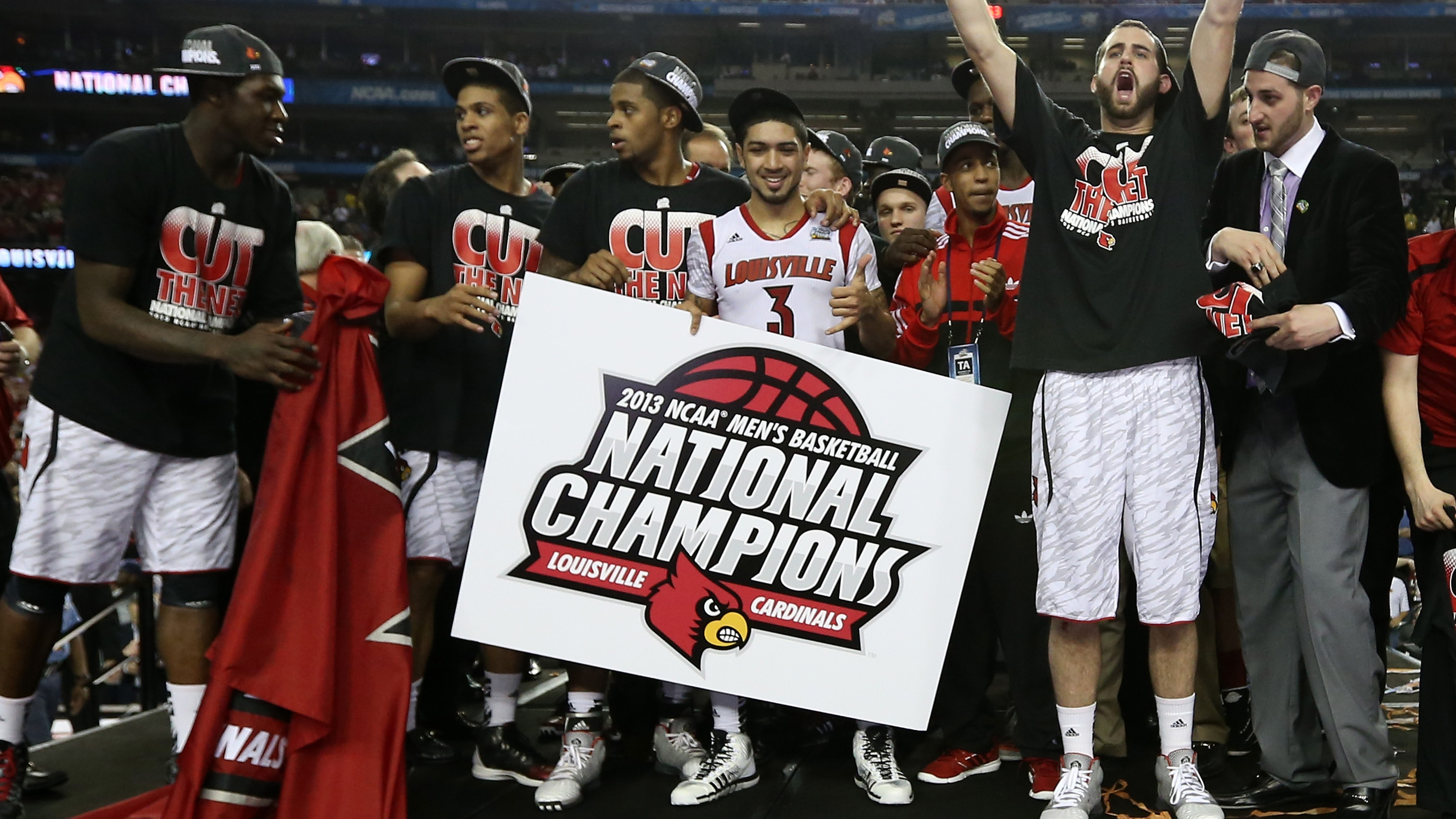
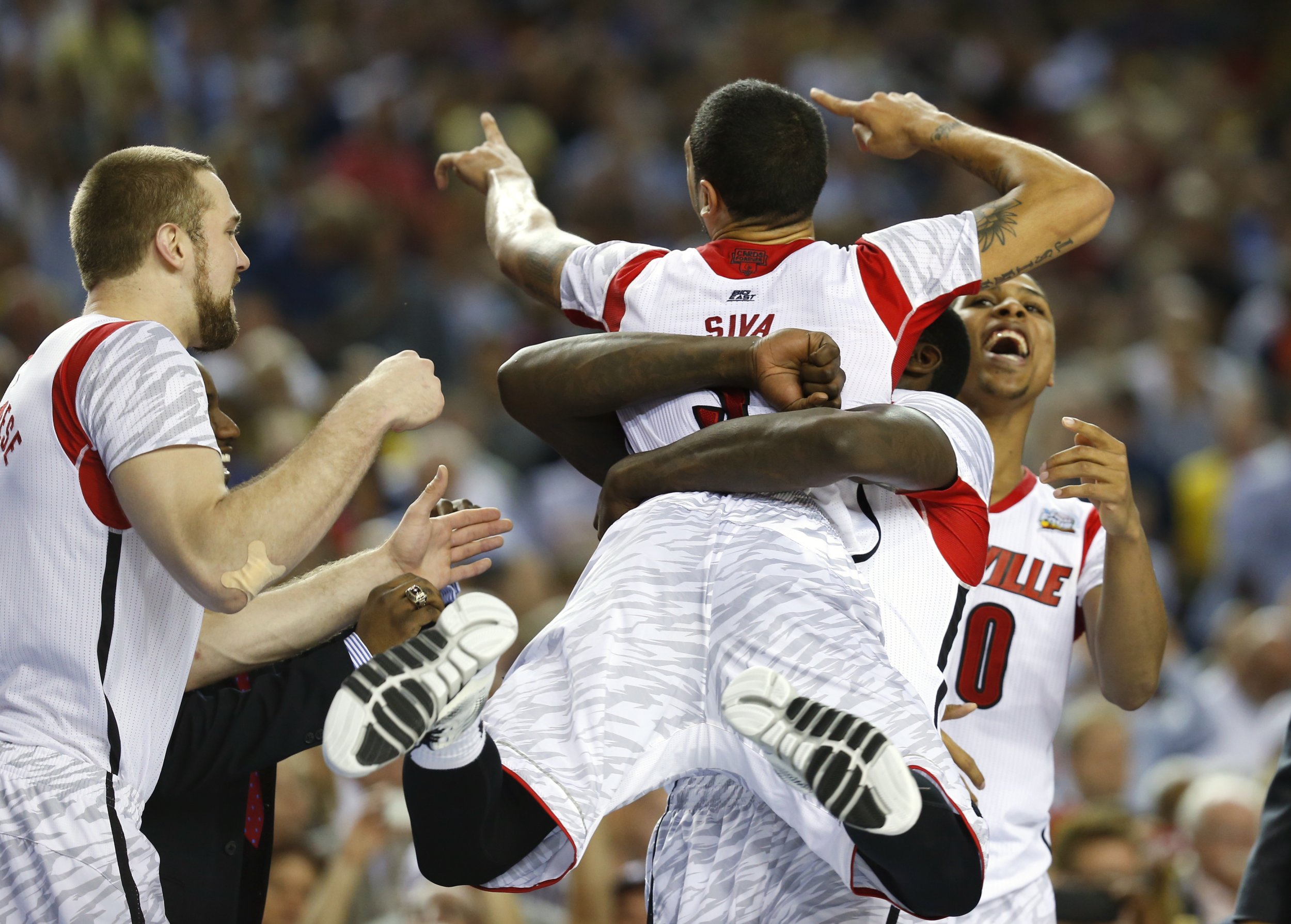
The 2013 Louisville national championship remains one of the most storied and debated chapters in college basketball history. On April 8, 2013, the Louisville Cardinals defeated the Michigan Wolverines 82-76 at the Georgia Dome in Atlanta to secure what was then the program's third NCAA title. Led by head coach Rick Pitino and tournament Most Outstanding Player Luke Hancock, the Cardinals completed a season of dominance that saw them enter the tournament as the number-one overall seed. However, the title was later vacated by the NCAA following an investigation into recruitment violations, creating a unique historical status for the team that persists into 2026.
The Architect and the Arsenal: Building the 2013 Cardinals
The 2012-2013 Louisville squad was the culmination of Rick Pitino’s "matchup zone" philosophy and a relentless defensive pressure that few teams could withstand. Entering the season, expectations were high following a Final Four appearance in 2012. The roster was a blend of veteran leadership and explosive athleticism, anchored by a backcourt that specialized in defensive disruption.
Peyton Siva, the senior point guard, served as the team's heartbeat. His ability to navigate the full-court press and facilitate the offense was complemented by the scoring prowess of Russ Smith, affectionately known as "Russdiculous." Smith’s unpredictable but high-octane playing style made him a nightmare for opposing defenses, as he could transition from a steal to a layup in seconds. In the paint, Gorgui Dieng provided elite rim protection and rebounding, while Chane Behanan offered physical presence and interior scoring.
What set this team apart was its depth. Luke Hancock, a transfer from George Mason, provided steady perimeter shooting and leadership off the bench. Montrezl Harrell, then a freshman, brought raw energy and dunks that often shifted the momentum of games. By the time the Big East Tournament arrived—the final one in its original configuration—Louisville was playing at a level that felt nearly untouchable, highlighted by a massive second-half comeback against Syracuse in the championship game.
The Road to Atlanta: Momentum and Tragedy
Louisville entered the 2013 NCAA Tournament as the top overall seed, a testament to their 29-5 regular-season record and Big East title. Their path through the early rounds was characterized by defensive dominance. They dispatched North Carolina A&T and Colorado State with ease before facing a tougher challenge against Oregon in the Sweet 16.
The Elite Eight matchup against Duke, however, became the defining emotional moment of the season. During the first half, sophomore guard Kevin Ware suffered a horrific compound leg fracture while attempting to contest a shot. The visual of the injury traumatized players on both benches and the millions watching at home. In a moment that became part of sports lore, Ware reportedly told his teammates, "Don't worry about me. Just win the game."
The Cardinals responded with an inspired second half, dismantling Duke 85-63. This "Win for Ware" mantra propelled them into the Final Four in Atlanta, where they faced a resilient Wichita State team. The Shockers pushed the Cardinals to the brink, but the steady hand of Luke Hancock and a critical jump ball call late in the game allowed Louisville to escape with a 72-68 victory, setting the stage for a classic championship final.
The Championship Game: Louisville vs. Michigan
The 2013 National Championship game is widely regarded as one of the most aesthetically pleasing and high-level finals of the 21st century. Michigan, led by National Player of the Year Trey Burke and a young core including Tim Hardaway Jr. and Glenn Robinson III, matched Louisville’s intensity from the tip-off.
The first half was defined by an unexpected performance from Michigan reserve Spike Albrecht, who scored 17 points in the first half alone, hitting four three-pointers. Michigan surged to a 12-point lead, threatening to blow the game open. It was here that Luke Hancock cemented his place in Louisville history. Hancock hit four consecutive three-pointers to erase the deficit, ensuring Louisville went into the locker room trailing by only one point.
In the second half, the game became a back-and-forth tactical battle. Chane Behanan’s offensive rebounding (12 total boards) and Peyton Siva’s penetration broke down the Michigan defense. A controversial "block" call on a Trey Burke layup—which many observers felt was a clean block by Louisville—remains a point of contention for Michigan fans even in 2026. Ultimately, Louisville’s free-throw shooting and composure down the stretch secured the 82-76 win. Hancock finished with 22 points, becoming the first substitute ever to be named the tournament’s Most Outstanding Player.
2013 NCAA Tournament Statistics: Louisville’s Path
The following table outlines the statistical journey of the 2013 Cardinals through the tournament, highlighting the defensive efficiency and scoring leaders for each round.
| Round | Opponent | Final Score | Leading Scorer | Key Team Stat |
|---|---|---|---|---|
| Round of 64 | NC A&T | 79-48 | Russ Smith (23) | 20 Steals |
| Round of 32 | Colorado St. | 82-56 | Russ Smith (27) | 52% Field Goal % |
| Sweet 16 | Oregon | 77-69 | Russ Smith (31) | 16-18 Free Throws |
| Elite Eight | Duke | 85-63 | Gorgui Dieng (14) | +13 Rebound Margin |
| Final Four | Wichita St. | 72-68 | Luke Hancock (20) | 48% Three-Point % |
| Championship | Michigan | 82-76 | Luke Hancock (22) | 7-10 Three-Point % |
The Shadow of the NCAA Investigation
The jubilation of the 2013 championship was eventually clouded by off-court scandals. In 2015, allegations surfaced regarding the conduct of a former staff member, Andre McGee, who was accused of hiring escorts for players and recruits at Minardi Hall, the team’s dormitory. The investigation, sparked by the publication of Katina Powell’s book Breaking Cardinal Rules, led to a multi-year battle between the university and the NCAA.
In 2017, the NCAA Committee on Infractions issued a ruling that included the vacation of wins from the 2011-2012 to 2014-2015 seasons, specifically targeting the 2013 title. Despite numerous appeals from the University of Louisville, the NCAA upheld the decision in February 2018. Consequently, Louisville became the first program in the history of men’s college basketball to have a national championship officially vacated.
The decision required the school to remove the 2013 championship banner from the KFC Yum! Center and return the trophy and the financial proceeds from the tournament. In the official NCAA record books, there is no champion listed for 2013. However, the NCAA does not recognize Michigan as the winner; the title simply remains vacant.
Technical Depth: The Rick Pitino Defensive System
To understand why the 2013 Louisville team was so successful, one must look at the technical nuances of Pitino’s defensive system. The Cardinals utilized a 2-2-1 full-court press that transitioned seamlessly into a matchup zone. Unlike a standard zone, which guards areas, the matchup zone required players to take on man-to-man responsibilities once the ball entered their sector.
- The Press: The primary goal was not always to steal the ball, but to drain the shot clock and force the opposing point guard into uncomfortable decisions. Siva and Smith were elite at "trapping the boxes," forcing ball-handlers toward the sidelines.
- The Anchor: Gorgui Dieng acted as the "safety." His 7'4" wingspan allowed him to sit at the back of the press and then drop into the paint to erase mistakes made by the perimeter defenders.
- The "Kill": Pitino defined a "kill" as three consecutive defensive stops. The 2013 team led the nation in defensive efficiency metrics largely because of their ability to string together multiple "kills" in short bursts, often leading to 10-0 or 15-0 runs that put games out of reach.
This technical discipline is what allowed them to overcome double-digit deficits against both Syracuse and Michigan. The conditioning required to run this system for 40 minutes was extreme, often leaving opponents exhausted by the 10-minute mark of the second half.
Legacy and the "L1C4" Culture in 2026
As of 2026, the legacy of the 2013 team is viewed through two distinct lenses. From a legal and administrative standpoint, the championship does not exist. The NCAA’s records show a blank space for the year 2013, and the school’s official history must include asterisks regarding the era’s violations.
However, within the Louisville community and the broader basketball world, the "L1C4" (Louisville First, Cards Forever) sentiment remains strong. Fans and former players argue that the "on-court" results cannot be erased by administrative decrees. Luke Hancock, Peyton Siva, and Russ Smith are still celebrated as champions in the city of Louisville.
The 2013 team also left a significant mark on the NBA. Players like Gorgui Dieng and Montrezl Harrell enjoyed long professional careers, while Terry Rozier (a freshman on the subsequent team but part of the era) became a league standout. The coaching tree from that era also continues to influence the college game, even as Rick Pitino’s own career took him through multiple subsequent stops before landing back in the high-major spotlight.
Frequently Asked Questions
Is the 2013 Louisville National Championship still vacated in 2026?
Yes, the NCAA's decision to vacate the 2013 championship remains in effect. While the University of Louisville and its fans continue to recognize the achievement informally, the official NCAA record books do not list a champion for the 2013 season.
Who was the Most Outstanding Player of the 2013 tournament?
Luke Hancock was named the Most Outstanding Player (MOP). He was the first player in NCAA history to win the award while coming off the bench. His 22 points in the final, including a perfect 5-for-5 from the three-point line, were instrumental in the victory.
What was the specific reason the NCAA vacated the title?
The NCAA vacated the title due to "level one" violations involving a former director of basketball operations, Andre McGee. The investigation found that McGee provided "extra benefits" by arranging for escorts and adult entertainment for players and recruits between 2010 and 2014, which violated the NCAA's fundamental amateurism and ethical conduct rules.
Did Michigan become the champion after Louisville's title was vacated?
No. When the NCAA vacates a championship, the title is not awarded to the runner-up. The position remains vacant. Therefore, Michigan is still officially the 2013 runner-up, and there is no recognized winner for that year in the NCAA record books.
How many wins did Louisville lose during the vacation period?
In total, Louisville was forced to vacate 123 wins that occurred between 2011 and 2015. This included the 2013 National Championship and the 2012 Final Four appearance. This remains one of the largest vacation of wins in the history of college sports.
Final Recommendation for Historians and Fans
For those researching or reflecting on the 2013 college basketball season, it is essential to distinguish between official records and historical events. To understand the full scope of the 2013 Louisville National Championship, one should study the box scores and game film to appreciate the tactical brilliance of the "matchup zone" and the resilience of the players, while simultaneously reviewing the NCAA Committee on Infractions' official reports to understand the administrative consequences of program mismanagement. The 2013 Cardinals remain a cautionary tale of how elite athletic achievement can be permanently overshadowed by institutional failures.