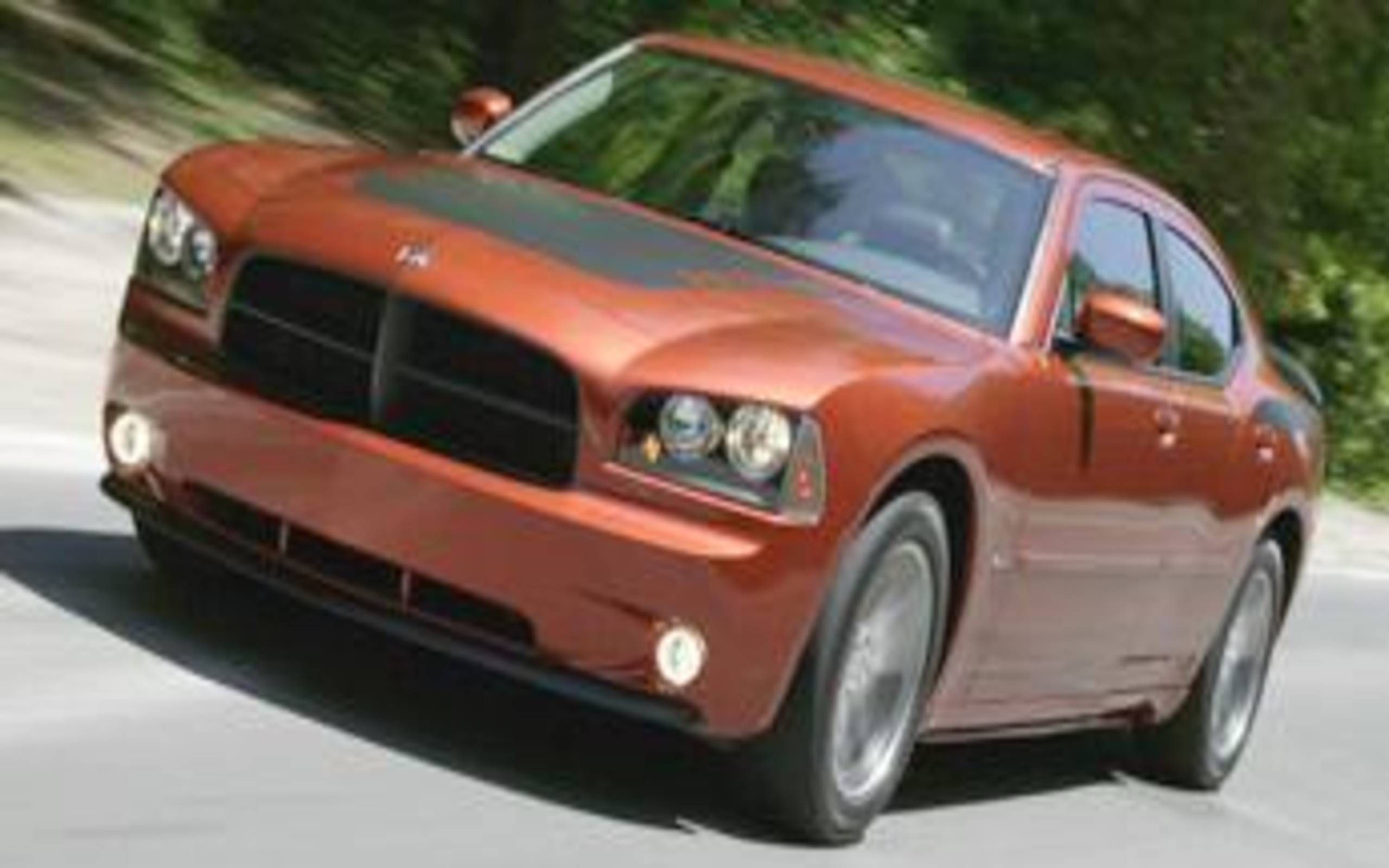
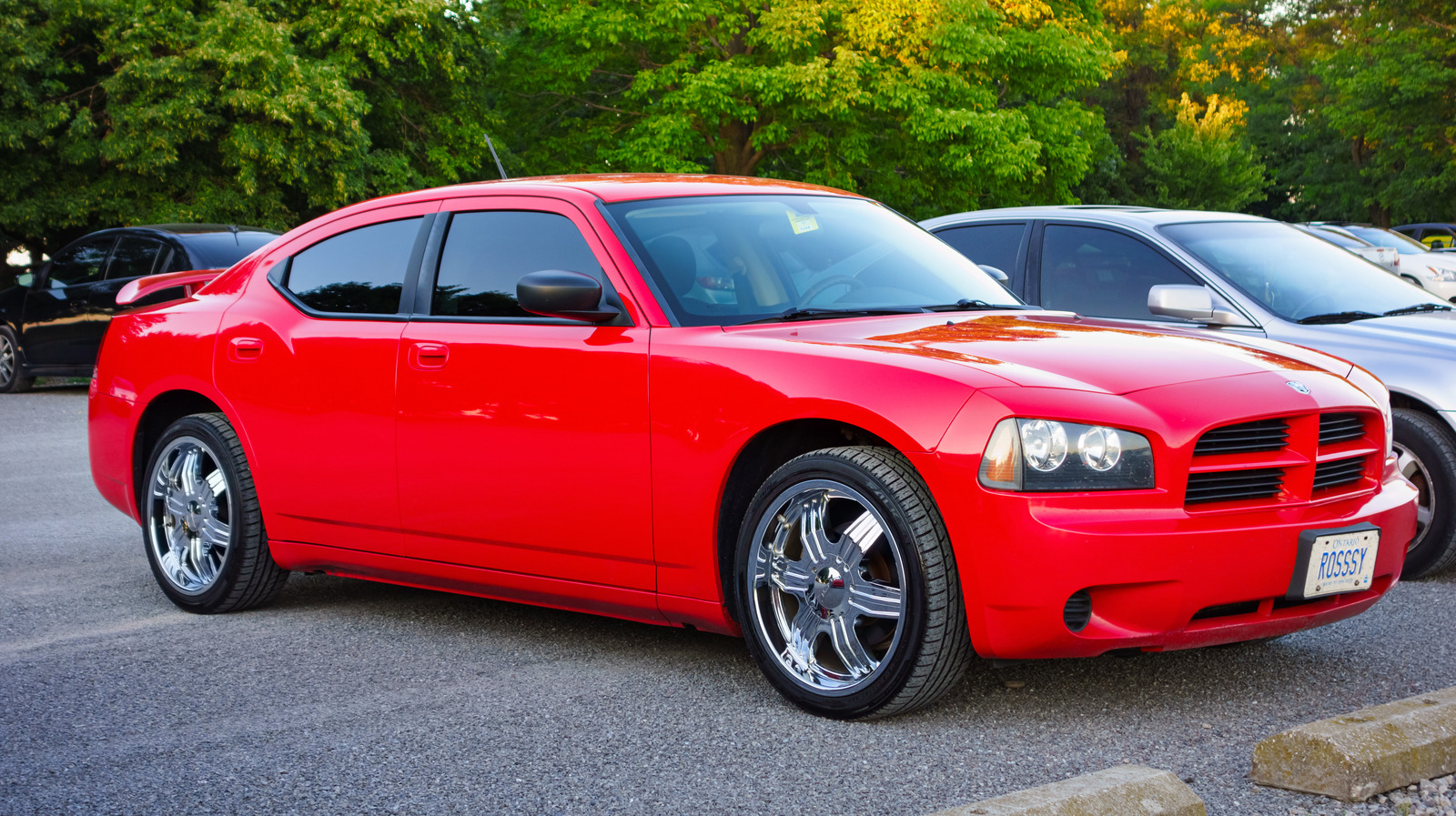
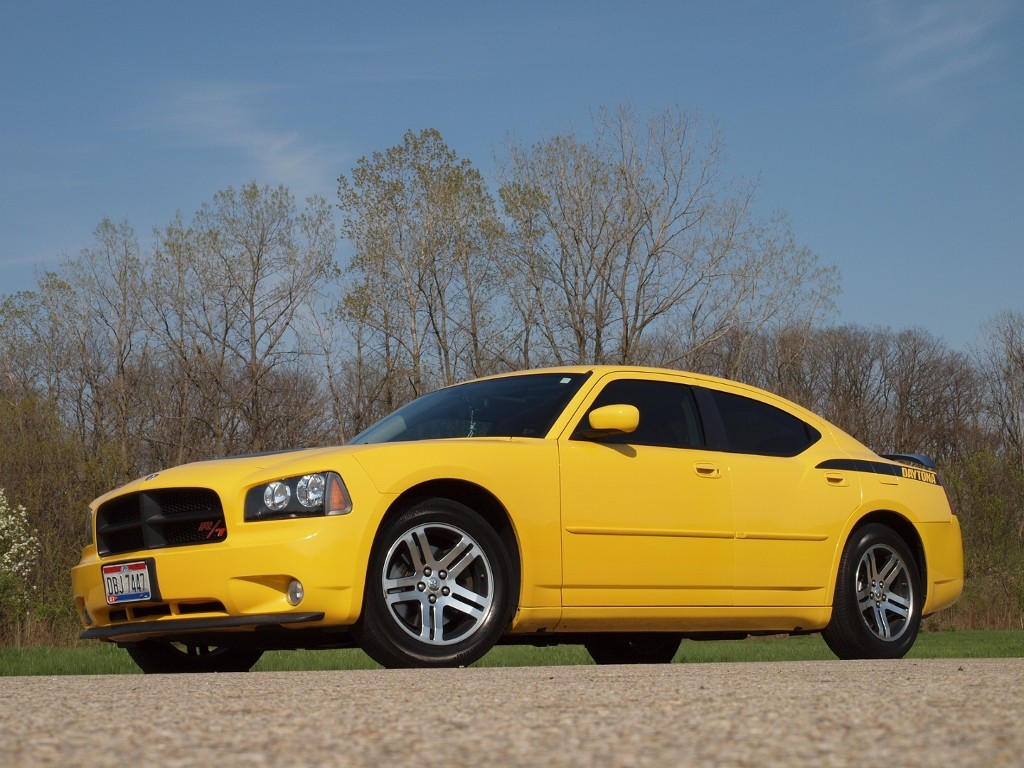
The 2006 Dodge Charger R/T represented the return of a legendary nameplate to a full-size, rear-wheel-drive sedan platform. Powered by a 5.7L HEMI V8 engine producing 340 horsepower, it prioritized American muscle performance, featuring a five-speed automatic transmission, performance-tuned suspension, and distinct aggressive styling that separated it from the base V6 trims.
The Return of the R/T Legacy
In 2006, DaimlerChrysler sought to recapture the spirit of the iconic muscle car era while utilizing modern engineering and the flexible LX platform shared with the Chrysler 300 and Dodge Magnum. The R/T—an acronym for "Road/Track"—was positioned as the performance-oriented heart of the Charger lineup, sitting above the SE and SXT trims but below the high-performance SRT8.
For the automotive enthusiast, the 2006 Charger R/T was notable for its shift to a four-door configuration, a departure from the classic two-door coupes of the 1960s and 1970s. While this drew initial controversy among purists, the performance metrics and chassis dynamics quickly established it as a formidable competitor in the full-size sedan market. The R/T was engineered to balance daily drivability with the immediate, raw power associated with the HEMI engine architecture.
Powertrain and Mechanical Specifications
The core of the 2006 Charger R/T is its 5.7L HEMI V8 engine. This power unit utilized an overhead-valve (OHV) design with two valves per cylinder, leveraging Chrysler’s Multi-Displacement System (MDS). The MDS technology was a significant engineering milestone for the company at the time, allowing the engine to deactivate four of its eight cylinders during steady-state cruising to improve fuel efficiency without compromising the vehicle's peak performance capabilities.
Engine Performance Metrics
- Engine Displacement: 5,654 cc (5.7 Liters)
- Horsepower: 340 hp @ 5,000 rpm
- Torque: 390 lb-ft @ 4,000 rpm
- Compression Ratio: 9.6:1
- Valvetrain: Pushrod OHV, 2 valves per cylinder
- Fuel Delivery: Sequential Multi-Port Electronic Fuel Injection
Power was routed to the rear wheels through a W5A580 five-speed automatic transmission. This unit, sourced from the Mercedes-Benz stable, included an AutoStick manual shift feature, allowing drivers to engage in sequential gear selection. The combination provided a 0-60 mph time of approximately 6.0 seconds, a figure that was competitive for the full-size sedan segment in the mid-2000s.
Suspension, Braking, and Handling
The 2006 Charger R/T utilized a sophisticated independent suspension system designed to manage the vehicle’s substantial curb weight, which hovered around 4,000 pounds. The front suspension featured a short-and-long-arm (SLA) design with coil springs and a stabilizer bar, while the rear employed a five-link independent setup. This configuration provided a balance between highway comfort and the stiff lateral support required for spirited cornering.
The R/T trim specifically included an "R/T Performance Group" package, which was often standard or heavily prioritized in production. This included upgraded dampers, higher-rate bushings, and larger diameter stabilizer bars. Braking was handled by four-wheel ventilated disc brakes, which were significantly larger than those on the V6 models to account for the increased mass and the higher performance threshold of the HEMI engine.
Comparative Specification Table
| Feature | 2006 Dodge Charger R/T |
|---|---|
| Engine | 5.7L HEMI V8 |
| Horsepower | 340 hp |
| Torque | 390 lb-ft |
| Transmission | 5-Speed Automatic w/ AutoStick |
| Drivetrain | Rear-Wheel Drive (RWD) |
| Curb Weight | ~4,000 lbs |
| EPA Est. MPG (Combined) | 18 MPG |
| 0-60 MPH | ~6.0 Seconds |
Interior and Feature Set
Inside, the 2006 Charger R/T emphasized a driver-focused cockpit. Despite the "sedan" classification, the interior layout featured a wrap-around dashboard design that effectively oriented controls toward the driver. Standard equipment on the R/T included power-adjustable driver seats, steering wheel-mounted audio controls, and a high-fidelity audio system.
The sedan architecture provided a significant advantage in utility. The 2006 model offered over 100 cubic feet of passenger volume, comfortably seating five adults. The trunk capacity was roughly 16 cubic feet, making the R/T a viable option for long-distance travel, a core design intent that differentiated the Charger from traditional two-door performance vehicles.
Maintenance and Operational Considerations
In 2026, owners of the 2006 Charger R/T should be aware of specific long-term maintenance requirements. Because the 5.7L HEMI engine utilizes a dual-spark plug system—16 plugs in total—standard tune-ups are more involved than in typical V8 engines. Furthermore, the MDS system relies on consistent oil pressure and high-quality, manufacturer-specified oil viscosity to function correctly; failing to adhere to oil change intervals can lead to solenoid failures within the MDS unit.
The five-speed automatic transmission is generally robust, but the electronic control module can be susceptible to moisture if not properly shielded. Prospective buyers or current owners inspecting a vehicle should look for signs of rust in the rocker panels and the rear wheel wells, as these were common areas for corrosion in the early LX platform years.
Frequently Asked Questions
What is the main difference between the 2006 Charger R/T and the SE/SXT trims? The primary difference is the engine. The SE and SXT trims were equipped with 2.7L or 3.5L V6 engines, whereas the R/T was exclusive to the 5.7L HEMI V8. Additionally, the R/T featured upgraded suspension, larger brakes, and distinct aesthetic cues like dual exhaust tips.
Does the 2006 Charger R/T have cylinder deactivation? Yes, the 5.7L HEMI engine in the 2006 Charger R/T features the Multi-Displacement System (MDS). This system shuts down four of the eight cylinders under light-load cruising conditions to optimize fuel consumption.
Can the 2006 Charger R/T run on regular gasoline? While the engine is calibrated to run on 89 octane (Mid-Grade) fuel for optimal performance, it is generally capable of running on 87 octane (Regular) due to the engine’s knock sensors. However, constant use of lower-octane fuel may result in a slight reduction in peak performance and power output.
What are the most common mechanical issues with this model? The most frequent issues relate to the suspension bushings, which can wear out, and the potential for electrical gremlins within the window regulators and the climate control blend doors. Regular inspection of the front-end components is recommended for vehicles that have exceeded 100,000 miles.
Is the 2006 Charger R/T considered a collector's vehicle? While not a high-value collector's car in the traditional sense, the 2006 model is gaining status as a "modern classic." As the first year of the reintroduction, it holds interest for enthusiasts, particularly those looking for a relatively simple, naturally aspirated V8 sedan before the advent of more complex emission and electronic control systems.
Final Recommendation for Owners
If you are currently maintaining a 2006 Dodge Charger R/T, prioritize the health of the cooling system and the integrity of the transmission fluid. The HEMI engine is durable, but it requires regular cooling system flushes to prevent localized overheating. For prospective buyers or those looking to preserve the vehicle's value, focus on finding examples with documented service records, as the complexity of the HEMI’s MDS system and the electronic chassis components make proper maintenance history the most important factor in the vehicle's long-term reliability.