The "Pride and Prejudice movie 2"—referring to the 2005 Joe Wright theatrical adaptation as the second major cinematic reimagining of the novel—shifted Jane Austen adaptations by introducing cinematic naturalism and subjective romanticism. By rejecting the polished "heritage" aesthetic for a "muddy hems" realism and utilizing handheld, protagonist-focused cinematography, it transformed Austen films from static social satires into immersive, emotionally raw experiences.
While Jane Austen’s Pride and Prejudice has been adapted dozens of times for television and stage, it has only seen two major global theatrical releases in the sound era: the 1940 MGM production and the 2005 Joe Wright film. For many critics and viewers in 2026, the 2005 version—frequently designated as "Movie 2" to distinguish it from the 1940 "Movie 1" and the 1995 BBC miniseries—represents the most significant pivot point in the history of Austen on screen.
This shift was not merely a matter of different actors; it was a fundamental change in the visual and narrative grammar used to translate 19th-century prose for a modern audience. Before this film, Austen adaptations were largely defined by a sense of "Englishness" that was synonymous with manners, pristine country houses, and theatrical delivery. The 2005 adaptation broke this mold, creating a ripple effect that influenced every subsequent production, from the 2020 Emma. to the more recent experimental takes of the 2020s.
The Context of the "Second" Cinematic Adaptation
To understand the shift, one must first look at what "Movie 2" was reacting against. The 1940 film was a product of the Hollywood studio system, featuring Laurence Olivier and Greer Garson in costumes that looked more like the 1830s than the 1810s, emphasizing screwball comedy and MGM glamour. Following that, the 1995 BBC miniseries starring Jennifer Ehle and Colin Firth became the "gold standard." It was characterized by its fidelity to the text and a "heritage" aesthetic—a style that celebrated the beauty of the English countryside and the refinement of the upper-middle class.
When Joe Wright’s version arrived in 2005, it faced immediate scrutiny. It was the first time in 65 years that a major film studio attempted a theatrical Pride and Prejudice. This "second" cinematic version had to justify its existence against the looming shadow of the 1995 television version. It did so by fundamentally altering the two pillars of Austen adaptations: the visual environment and the narrative perspective.
1. The "Muddy Hems" Revolution: Shifting from Heritage to Naturalism
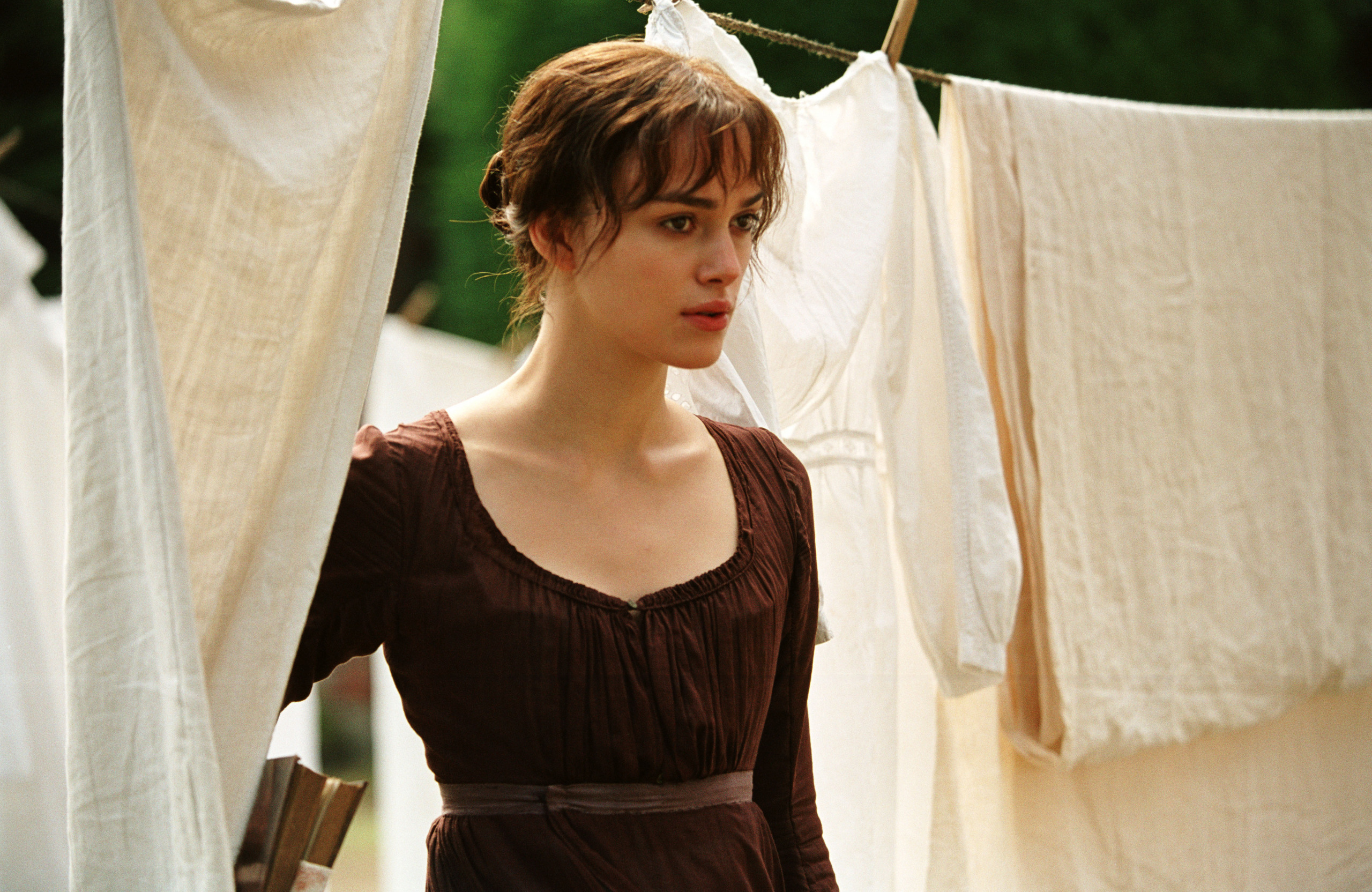
The first and most immediate way the 2005 movie shifted Jane Austen adaptations was through the introduction of cinematic naturalism, colloquially known in film studies as the "muddy hems" aesthetic. Before this production, Regency adaptations were often "chocolate box" productions—pristine, brightly lit, and highly sanitized. Wright and production designer Sarah Greenwood chose a different path, focusing on the lived-in reality of the rural gentry.
Breaking the "Museum" Aesthetic
Traditionally, Jane Austen adaptations felt like visits to a museum. The costumes were perfectly pressed, the houses were immaculate, and the characters lived in a world where dirt seemingly did not exist. The 2005 film purposefully moved the setting back from the traditionally depicted 1810s to the 1790s. This choice was technical and strategic: it allowed for a "high-waisted" look that was less stiff than the formal Regency style and reflected a world still influenced by the French Revolution and rural grit.
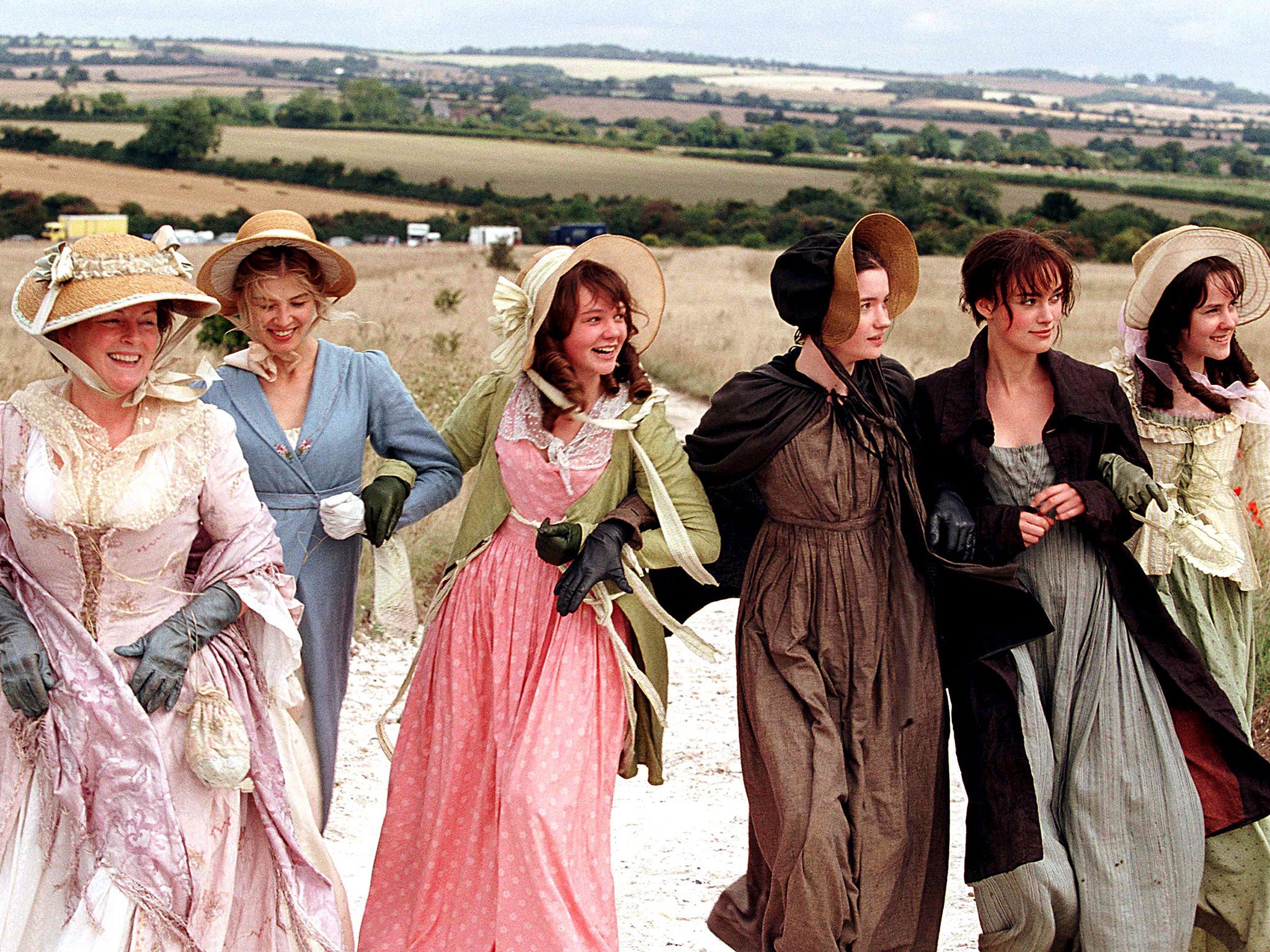
In this adaptation, the Bennet home, Longbourn, is depicted as a working farm. We see laundry hanging in the background, pigs walking through the hallways, and, most famously, Elizabeth Bennet arriving at Netherfield with "muddy hems." This was a radical shift because it prioritized environmental storytelling over aesthetic perfection. It grounded the characters in a physical world that felt tangible and messy, suggesting that their social anxieties were tied to a very real, very precarious economic reality.
Impact on Characterization and Class
This naturalistic shift changed how audiences perceived the Bennet family’s class status. By showing the clutter and the noise of their household, the movie emphasized their status as the "lower" end of the landed gentry. This made Elizabeth’s interactions with the wealthy Bingleys and the aristocratic Lady Catherine de Bourgh feel more dangerous and high-stakes.
Subsequent adaptations have leaned heavily into this naturalism. We see the DNA of the 2005 film in the 2019 Sanditon and even the 2022 Persuasion, where the environment is used to reflect the internal chaos or financial decay of the characters. The "Movie 2" shift proved that Austen did not need to be "pretty" to be profound; in fact, the grit made the romance feel more earned.
2. Subjective Romanticism: The Move from Social Satire to Internal Experience
The second major shift brought about by the 2005 adaptation was the transition from objective social satire to subjective romanticism. While Jane Austen’s novels are famously witty and observant of social foibles, they are also deeply concerned with the internal consciousness of her heroines. The 2005 movie was the first to use modern cinematic techniques to put the audience inside Elizabeth Bennet’s head.
The Power of the "Handheld" and the "Long Take"
In earlier adaptations, the camera was often static, acting as a neutral observer of the social "stage." Wright’s version utilized a much more kinetic visual style. The use of handheld cameras during the scenes of family chaos and the famous four-minute long take at the Netherfield Ball are prime examples of this shift.
The Netherfield Ball sequence, in particular, was a technical marvel that changed how dance scenes are filmed in period dramas. Instead of cutting between different couples, the camera weaves through the crowd, following Elizabeth as she moves from room to room. This creates a sense of claustrophobia and social vertigo, allowing the viewer to feel the overwhelming nature of the event through Elizabeth’s eyes.
Prioritizing the "Female Gaze"
"Movie 2" shifted the focus toward the "female gaze" in a way that previous adaptations had not fully explored. The cinematography frequently lingers on sensory details—the brushing of a hand, the wind in the trees, or a lingering look across a room. The film prioritizes feeling over talking. While the 1995 series is famous for its dialogue, the 2005 film is famous for its silences and its use of diegetic sound (the sounds within the world of the film, like the piano playing or the wind).
This shift fundamentally changed the expectations for Austen adaptations. No longer was it enough to simply recite the witty dialogue from the book. Producers and directors began to understand that to capture Austen for a modern audience, they needed to capture the emotional intensity of the internal life. This is why more recent adaptations, such as the 2020 Emma. directed by Autumn de Wilde, focus so heavily on the sensory and the aesthetic as a reflection of the protagonist's growth.
Comparison: The Two Eras of Pride and Prejudice Cinema
To clarify the impact of the "Movie 2" shift, it is helpful to compare the technical and artistic choices of the two major theatrical films.
| Feature | The 1940 Movie (Movie 1) | The 2005 Movie (Movie 2) |
|---|---|---|
| Primary Genre | Screwball Comedy / Period Piece | Romantic Realism / Naturalism |
| Visual Style | High-Glamour Studio Sets | On-location, Natural Lighting |
| Costume Choice | Modified 1830s (Large Hoop Skirts) | Late 1790s (Natural Fabrics, Muddy Hems) |
| Cinematography | Static, Theatrical Framing | Kinetic, Handheld, Long Takes |
| Social Tone | Satirical and Lighthearted | Earnest, Moody, and Atmospheric |
| Focus | Ensemble Interactions | Elizabeth’s Subjective Experience |
| Ending | Domestic Social Reconciliation | Romantic, Sensory Intimacy |
The Lasting Legacy of the 2005 Shift in 2026
As of 2026, the influence of the "Pride and Prejudice movie 2" is evident in the way period dramas are greenlit and marketed. We are currently in an era where "vibes" and "aesthetic" often supersede literal textual fidelity. The 2005 film paved the way for this by showing that an adaptation can be "true" to the spirit of Austen without being a verbatim transcript of her words.
The shift toward cinematic naturalism has become the default for high-end period drama. Shows like Bridgerton may have added neon colors and pop music, but they still rely on the "sensory" cinematography and the "protagonist-first" narrative structure that the 2005 film popularized. Meanwhile, the more "austere" adaptations of the 2020s continue to use the rural, gritty realism of the Wright/Greenwood collaboration to ground their stories in historical weight.
Furthermore, the 2005 film’s success proved that there was a massive global audience for "cinematic" Austen. It moved the property out of the "niche television" category and into the "blockbuster romance" category. This is why we continue to see major streaming platforms and film studios competing for the rights to reimagine Austen's works every few years.
Common Questions Regarding "Pride and Prejudice Movie 2"
Why is the 2005 film often called "Movie 2"?
In the context of major Hollywood theatrical releases, the 2005 version is only the second time the novel was adapted for the big screen with a full theatrical rollout. The first was in 1940. While there have been many TV movies and series (like the 1995 or 1980 versions), the 2005 film is the second "cinema" event in the franchise’s history.
Did the 2005 movie include the famous lake scene?
No. The "lake scene" involving Mr. Darcy jumping into a pond is exclusive to the 1995 BBC miniseries. The 2005 movie shifted away from this kind of overt physical spectacle, instead focusing on the "near-miss" intimacy of Darcy’s hand flex and the mist-covered morning proposal.
How did the 2005 version change the ending of the story?
The 2005 movie shifted the ending to be more romantic and sensory. While the novel and previous adaptations ended with the marriages and social resolution, the North American release of the 2005 film ended with the "Mrs. Darcy" scene at Pemberley. This highlighted the shift from social satire to personal, romantic fulfillment.
Was the 2005 film accurate to the time period?
Technically, it was more accurate to the spirit of the late 18th century (the time Austen actually wrote the first draft, titled First Impressions) than the 1940 version. However, it took liberties with hair and etiquette to create a more relatable, naturalistic feeling for modern audiences.
Practical Recommendations for Austen Enthusiasts
For those looking to explore how the shifts in "Movie 2" continue to influence the genre in 2026, the following actions are recommended:
- Watch Chronologically: View the 1940 film followed by the 2005 film. Notice how the use of light and camera movement changes the way you perceive Elizabeth Bennet’s agency.
- Compare the Netherfield Ball: Watch the ball scene in the 1995 miniseries and the 2005 movie. Pay attention to how the 2005 version uses the camera to create a feeling of movement and anxiety, whereas the 1995 version focuses on the dialogue and social etiquette.
- Explore the 2020s Landscape: Look at adaptations like the 2020 Emma. or the latest streaming series to see how they utilize the "naturalistic" and "subjective" legacies of the 2005 film.
- Read the 1790s History: To understand why the 2005 movie looks the way it does, research the "Romantic" movement and the early French Revolutionary era. This provides the historical context for the "messy" hair and unadorned clothing seen in the film.
The "Pride and Prejudice movie 2" was a watershed moment. It didn't just tell the story again; it changed the way the story is told, ensuring that Jane Austen remains relevant in a visual-first, sensory-driven cinematic landscape.