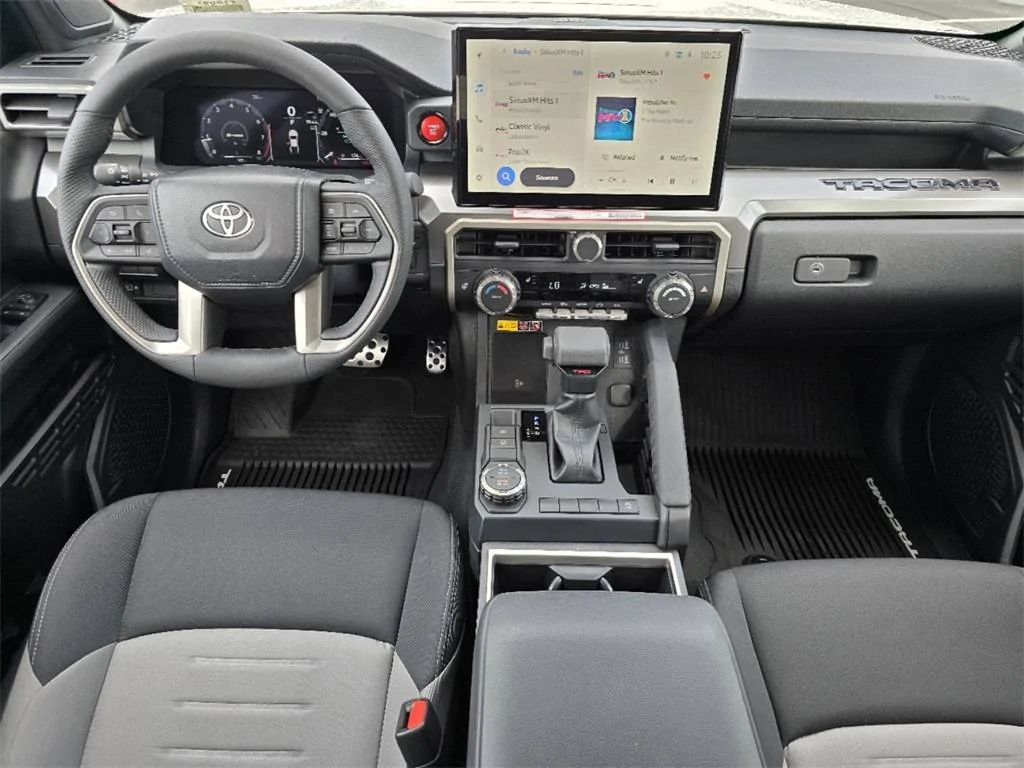
The 1985 Toyota 4Runner is widely regarded by enthusiasts as the "holy grail" of the first-generation (N60) models because it represents the only production year that combined the reliability of Electronic Fuel Injection (EFI) with the ruggedness of a factory-installed solid front axle. As of 2026, this vehicle has transitioned from a utilitarian off-roader to a highly prized collector’s item, known for its nearly indestructible drivetrain and classic 1980s aesthetic.
The Significance of the 1985 Model Year
To understand the 1985 Toyota 4Runner, one must understand its place in automotive history. Launched originally in 1984 as a competitor to the Ford Bronco II and Chevrolet S-10 Blazer, the 4Runner was essentially a Toyota Hilux pickup truck with a fiberglass bed topper and rear seats. However, the 1985 model year introduced several pivotal mechanical upgrades that cemented its reputation.
The 1985 model stands at a technical crossroads. It was the final year Toyota equipped the 4Runner with a solid front axle (SFA) before switching to Independent Front Suspension (IFS) in 1986 to improve on-road handling. Simultaneously, 1985 was the first year the legendary 22R-E engine with Electronic Fuel Injection became widely available, replacing the older carbureted systems in most trims. This "one-year-only" combination of the SFA and EFI makes the 1985 4Runner the most capable off-road platform in the model's history.
Engine Specifications: The 22R-E Legacy
The heart of the 1985 4Runner is the 2.4-liter inline-four engine. While a carbureted version (the 22R) was still available in base models, the majority of 1985 4Runners—especially the SR5 trims—featured the 22R-E.
2.4L 22R-E (EFI) Specifications
The 22R-E is a water-cooled, SOHC (Single Overhead Cam) engine with two valves per cylinder. It is famous for its longevity, often exceeding 300,000 miles with basic maintenance.
- Displacement: 2,366 cc (2.4 Liters)
- Horsepower: 116 hp @ 4,800 RPM
- Torque: 140 lb-ft @ 2,800 RPM
- Fuel System: Electronic Fuel Injection (EFI)
- Bore x Stroke: 92 mm x 89 mm
- Compression Ratio: 9.0:1
The introduction of EFI in 1985 solved several common issues associated with the 1984 carbureted models. EFI provided much better performance at high altitudes and allowed for easier cold starts. More importantly for off-roaders, EFI prevented the engine from "stalling out" on steep inclines, a common problem with carburetors when fuel sloshes away from the jets.
The 2L-T Turbo Diesel Option
While rare in the North American market, some 1985 4Runners (often badged as the Hilux Surf in Japan and other regions) were equipped with the 2.4L 2L-T Turbo Diesel engine. This engine produced approximately 85 horsepower and 139 lb-ft of torque, offering superior fuel economy and low-end grunt, though it was prone to overheating issues under heavy load.
Drivetrain and Transmission Dynamics
The 1985 4Runner was built to endure harsh environments. The drivetrain components were over-engineered for the power levels produced by the 22R-E, leading to exceptional durability.
Transmission Options
Most 1985 4Runners were equipped with the W56 5-speed manual transmission. This gearbox is highly regarded for its robust gear sets and smooth shifting compared to earlier truck transmissions. A 4-speed automatic (the A340H) was also available, though it is less common in surviving 1985 models and is often criticized for sapping the limited power of the 2.4L engine.
Transfer Case and 4WD System
The 1985 model utilizes a gear-driven transfer case (specifically the RF1A). Unlike later chain-driven units, gear-driven cases are significantly stronger and can be easily modified with "crawler gears" for extreme rock crawling.
- Low Range Ratio: 2.28:1
- Configuration: Part-time 4WD with manual locking hubs.
- Front Axle: 8-inch ring gear, solid housing.
- Rear Axle: 8-inch ring gear, semi-floating.
Chassis and Suspension: The Solid Axle Advantage
The defining characteristic of the 1985 4Runner is its suspension. It features leaf springs at all four corners and a live solid axle in the front.
Solid Front Axle (SFA)
The SFA is preferred by off-roaders because it provides superior articulation (the ability of wheels to move up and down independently over obstacles). When one wheel is pushed up by a rock, the leverage of the solid housing helps push the opposite wheel down, maintaining traction.
Dimensions and Capacities
Despite its ruggedness, the 1985 4Runner is a compact SUV by modern standards, making it highly maneuverable on tight trails.
- Wheelbase: 103 inches
- Overall Length: 174.6 inches
- Width: 66.3 inches
- Ground Clearance: 8.3 inches (stock)
- Curb Weight: Approximately 3,700 - 3,850 lbs
- Fuel Tank Capacity: 17.2 gallons
Exterior Design and Features
The exterior of the 1985 4Runner is iconic for its "convertible" nature. The rear section of the roof is a removable fiberglass reinforced plastic (FRP) shell.
The Removable Top
By removing approximately 14 bolts, owners can transform the 4Runner into an open-air vehicle. This feature includes a built-in roll bar for safety and structural rigidity. Note that in 1985, the rear window is power-operated and must be rolled down into the tailgate before the tailgate can be opened—a signature feature that remained on 4Runners for decades.
Trim Levels
- Base: Often lacked the rear seat, featured vinyl flooring, and utilized the carbureted 22R engine.
- SR5 (Sport Rally 5-speed): The premium trim. It included chrome accents, "clinometer" dashboard gauges, higher-quality cloth upholstery, and the 22R-E engine as standard.
Interior Layout and 1980s Technology
Inside, the 1985 4Runner is a masterclass in functional, "boxy" 80s design. The dashboard is straight and utilitarian, featuring large, easy-to-use buttons.
The SR5 Gauge Cluster
The SR5 trim offered a unique "altimeter and inclinometer" pod mounted on top of the dash. This provided the driver with real-time data on the vehicle's pitch and roll—essential for off-roading—and gave the interior a cockpit-like feel.
Seating and Cargo
The 4Runner was designed to carry five passengers, though the rear seat legroom is somewhat cramped due to the high floor height necessitated by the frame. The rear seats can fold forward to create a flat loading floor, providing surprisingly large cargo capacity for a compact vehicle.
| Specification | 1985 Toyota 4Runner (SR5) |
|---|---|
| Engine | 2.4L 22R-E Inline-4 |
| Induction | Electronic Fuel Injection (EFI) |
| Horsepower | 116 hp @ 4,800 RPM |
| Torque | 140 lb-ft @ 2,800 RPM |
| Transmission | 5-Speed Manual (W56) |
| Front Suspension | Solid Axle w/ Leaf Springs |
| Rear Suspension | Solid Axle w/ Leaf Springs |
| Transfer Case | Gear-Driven (2.28:1 Low Range) |
| Brakes | Power Front Discs / Rear Drums |
| Steering | Recirculating Ball (Power Assisted) |
| Seating Capacity | 5 |
| Towing Capacity | 3,500 lbs (Properly Equipped) |
Performance and Off-Road Capability
On the road, the 1985 4Runner is not a speed demon. With only 116 horsepower, highway merging requires patience, and the solid front axle leads to a "truck-like" ride that can feel bouncy over potholes. However, performance on the pavement was never the 4Runner's primary goal.
Off-Road Metrics
- Approach Angle: 42 degrees
- Departure Angle: 26 degrees
- Turning Radius: 17.7 feet
The combination of the short wheelbase and the SFA allows the 1985 4Runner to navigate "Jeep trails" with ease. The 22R-E provides enough low-end torque to crawl over obstacles without excessive throttle, and the manual locking hubs (usually Aisin brand) are legendary for their reliability compared to modern vacuum-actuated systems.
Maintenance and Common Issues
While the 1985 4Runner is exceptionally reliable, its age in 2026 (41 years) means certain maintenance items are critical.
- Timing Chain Guides: The 22R-E uses a timing chain, but the original guides were plastic. Over time, these can break, allowing the chain to eat into the timing cover and cause coolant/oil mixing. Most owners replace these with metal-backed guides.
- Rust: The first-generation 4Runner is highly susceptible to rust, particularly in the rear wheel arches and the frame rails near the rear shackles.
- Rear Window Motor: The power rear window is a frequent failure point. It is often caused by corroded wiring in the tailgate or a failed safety switch that prevents the window from moving if the tailgate isn't perfectly latched.
- Steering Box Stress: Large aftermarket tires can put significant stress on the frame where the steering box mounts, sometimes leading to frame cracking in extreme off-road use.
The 1985 4Runner in 2026: Market Value and Collectibility
As of 2026, the market for the 1985 4Runner has split into two distinct categories: the "Trail Rig" and the "Collector."
- Collector Grade: Unmodified, low-mileage examples in original colors (like the famous "Red" or "Cream" with sunset decals) can command prices upwards of $30,000 to $50,000 at specialized auctions. Collectors prize the original interior and the presence of the original factory decals.
- Trail Rigs: Modified versions with lift kits and larger tires are still common. While they may have 250,000+ miles, their value remains high (often $15,000 - $25,000) because they provide a "turn-key" off-road experience that modern SUVs cannot replicate.
The 1985 model remains the most expensive first-generation 4Runner due to its unique mechanical pedigree. For many, it represents the pinnacle of Toyota's "over-built" era, where durability was prioritized over electronic gadgets and aerodynamic efficiency.
FAQs
Why is the 1985 4Runner better than the 1986 model?
The 1985 model features a solid front axle, which is more durable and provides better articulation for off-roading than the Independent Front Suspension (IFS) introduced in 1986. While the 1986 model rides smoother on the highway, the 1985 is considered the superior off-road platform.
How can I tell if a 1985 4Runner has the 22R-E engine?
The easiest way is to look for the "EFI" or "Electronic Fuel Injection" badge on the intake manifold or the exterior tailgate. In 1985, the SR5 trim almost always included the 22R-E, while the base "standard" trims may still have the carbureted 22R.
Is the 1985 4Runner a good daily driver in 2026?
It depends on your commute. While extremely reliable, it lacks modern safety features like airbags or ABS. It is also slow by modern standards and has a stiff ride. However, for those who appreciate mechanical purity and a "vintage" driving experience, it is entirely capable of daily use.
Can the fiberglass top be removed easily?
Yes, but it is a two-person job. The top is heavy and awkward. You must remove approximately 14 bolts from the inside and disconnect the wiring for the rear wiper and interior light. Most owners use a ceiling-mounted hoist in their garage to simplify the process.
What is the most common modification for this vehicle?
Replacing the stock leaf springs with softer, "long-travel" aftermarket springs is common to improve ride quality and off-road flex. Many owners also "re-gear" the differentials to 4.56 or 4.88 ratios to accommodate 31-inch or 33-inch tires, which helps regain some of the lost acceleration.
Final Recommendation
If you are looking to purchase a 1985 Toyota 4Runner, prioritize the condition of the frame and the body over the mechanical state of the engine. The 22R-E engine is relatively inexpensive to rebuild or replace, but significant frame rot can be a safety hazard and is costly to repair. For the enthusiast, the 1985 model offers an unmatched blend of historical significance and practical capability, standing as a testament to an era when SUVs were true "go-anywhere" machines.