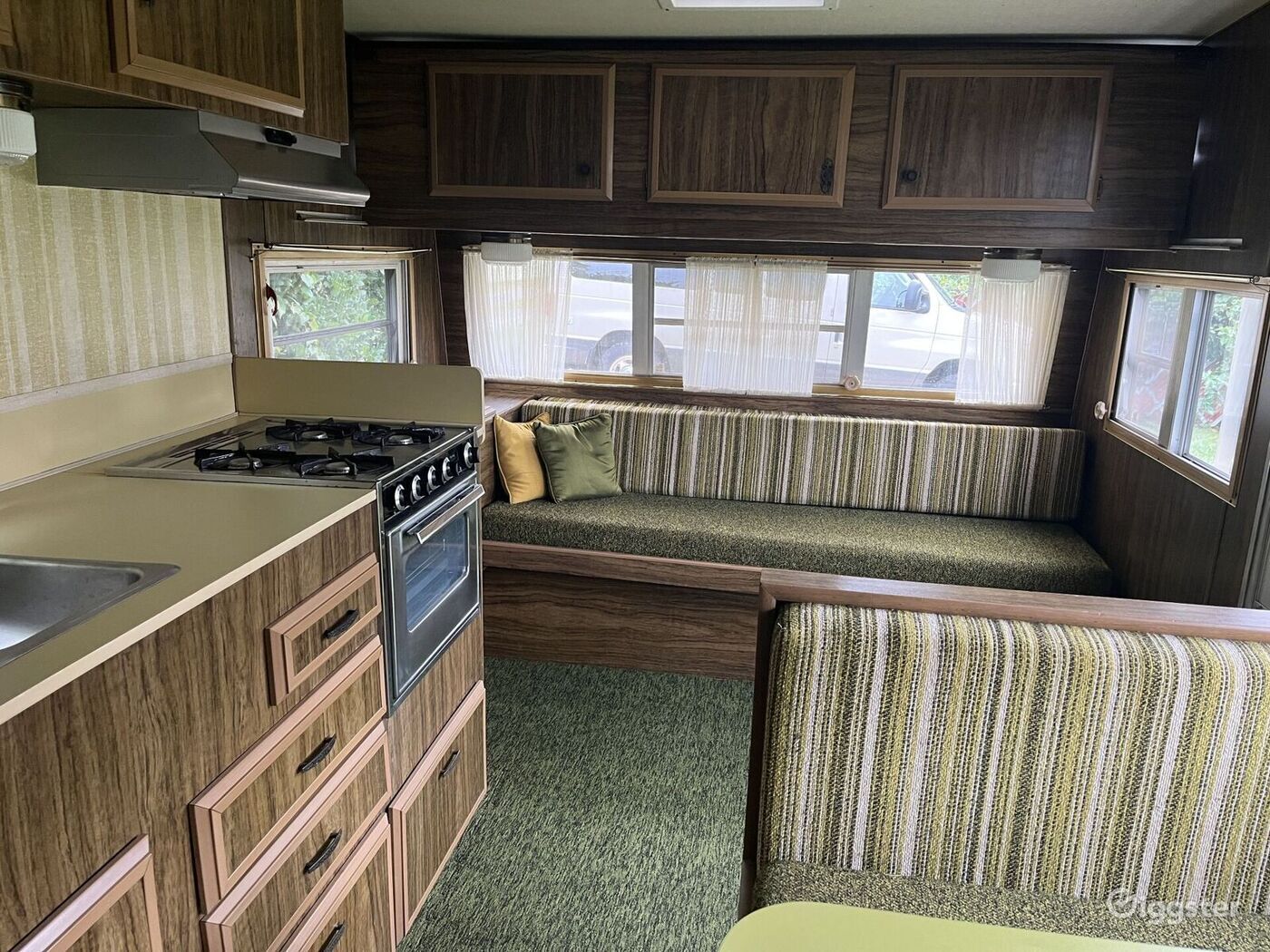
A 1975 passenger trailer represents a specific era of recreational vehicle manufacturing characterized by lightweight aluminum skin, mid-century interior aesthetics, and a focus on essential utility. Restoring or legally registering these vintage units requires navigating specific Department of Motor Vehicles (DMV) documentation, addressing aging electrical and plumbing systems, and ensuring structural integrity before road use in 2026.
Understanding the 1975 Passenger Trailer Identity
The term "passenger trailer" in the context of 1975 vehicles typically refers to travel trailers—towable units designed for human habitation during recreational travel. By the mid-1970s, the design language of these trailers had shifted from the iconic, rounded "canned ham" shapes of the 1950s and 60s toward more aerodynamic, boxy silhouettes with increased interior volume.
Manufacturers during this period, such as Airstream, Shasta, Serro Scotty, and Holiday Rambler, were responding to the 1973 oil crisis. Consequently, 1975 models often emphasize weight reduction. Builders utilized thinner aluminum siding, wood-framed construction, and fiberglass insulation. Recognizing the specific manufacturer and model year is the first step in any valuation or restoration project, as parts availability varies significantly between high-production brands and smaller boutique manufacturers that may have folded decades ago.
Legal Requirements and Verification for 2026 Registration
Attempting to put a 1975 passenger trailer on the road in 2026 requires strict adherence to state-specific titling and registration laws. Because these trailers often sat in storage for years, paperwork is frequently missing or incomplete.
The Paperwork Lifecycle
- Bill of Sale: This is the primary document if the title is lost. Ensure it includes the Vehicle Identification Number (VIN), the seller’s signature, and the purchase price.
- VIN Verification: Many states require a physical inspection of the trailer’s frame-stamped VIN to ensure it matches the registration application. If the tag is missing, you may need a certified inspection from law enforcement or a licensed appraiser.
- Bonded Title: If you cannot track down the previous owner to sign over a title, most states offer a "bonded title" process. This involves purchasing a surety bond typically worth 1.5 times the appraised value of the trailer. After a waiting period (often three years), the state issues a standard title.
- Safety Compliance: In 2026, many jurisdictions require an inspection of lights (brake, signal, and clearance) and an assessment of the safety chain setup before issuing plates.
Technical Evaluation and Restoration Priorities
Restoration of a 1975 passenger trailer is rarely a cosmetic endeavor; it is almost always a structural challenge. The primary enemy is water intrusion, which, over five decades, can rot the wood framing (commonly referred to as "studs") hidden behind the interior paneling.
Structural Integrity Assessment
Before investing in appliances, perform a "leak test." Use a garden hose to spray the roof and exterior seams while a partner inside watches for drips.
- Aluminum Skin: Check for "filiform corrosion," which appears as bubbling under the paint or clear coat.
- Floor Rot: Soft spots in the floor, particularly near the wheel wells and doors, indicate that the subfloor is failing. Replacing this requires removing the interior cabinets and potentially lifting the shell of the trailer off the frame.
- The Frame: Inspect the A-frame (the tongue) and the main rails for rust-through. Use a screwdriver to probe the steel; if the metal flakes off in large chunks, the structural integrity is compromised.
Systems Overhaul
A 1975 trailer originally featured 120V AC electrical systems for "shore power" and often simple 12V DC systems for lighting. By 2026 standards, these systems are often fire hazards due to cracked insulation and brittle wiring.
- Electrical: Replace the converter with a modern unit that supports multi-stage charging for contemporary lithium-ion or AGM batteries. Rewire the 120V circuits to include Ground Fault Circuit Interrupter (GFCI) protection near water sources.
- Plumbing: Most trailers from this era used copper or early-generation plastic pipes that become brittle with age. Replacing the entire system with PEX tubing is the industry standard for longevity and leak prevention.
- Appliances: While vintage "period-correct" stoves can be restored, refrigerators from 1975 are often inefficient and rely on ammonia-based absorption systems that can be dangerous if the cooling unit is compromised. Most restorers opt for modern compressor-based 12V fridges.
Comparison Table: 1975 Specifications vs. 2026 Standards
| Feature | 1975 Specification | 2026 Modern Standard |
|---|---|---|
| Wiring | Single-strand copper, no GFCIs | Multi-strand, GFCI protected, inverter-ready |
| Insulation | Fiberglass batting (prone to moisture) | Closed-cell foam or radiant barriers |
| Plumbing | Copper or Polybutylene | PEX piping (standard) |
| Lighting | Incandescent bulbs (high draw) | LED (low draw, high brightness) |
| Tires | Bias-ply (prone to dry rot) | Radial ST (Special Trailer) tires |
Managing Maintenance and Safety Protocols
Operating a vehicle that has been dormant for long periods necessitates a disciplined approach to maintenance. When preparing to tow a 1975 passenger trailer in 2026, the following checklist is non-negotiable:
- Wheel Bearings: These must be repacked with fresh grease or replaced entirely. If the trailer has been stationary for more than two years, the grease has likely hardened or separated.
- Brake Systems: Many 1975 models featured electric brakes. Check the magnets and the brake shoe thickness. If the magnets are scored or the shoes are glazed, replace the entire brake assembly; parts are readily available from modern manufacturers like Dexter.
- Propane Certification: Propane tanks from 1975 are illegal to fill today due to outdated valves and safety certifications. Replace all LPG tanks and inspect the copper gas lines for leaks using a soapy water solution or a digital gas detector.
- Tire Age: Regardless of tread depth, tires older than six years are considered a blowout risk. Inspect the four-digit DOT code on the sidewall. If the code ends in an age exceeding six years, replace the tires immediately.
Common Restoration Pitfalls
The most frequent mistake owners make is attempting to restore a trailer without a clear budget. Restoration costs can easily exceed the market value of the trailer.
Avoid "hiding" damage. Painting over mold or patching a roof leak with silicone sealant provides only a temporary fix. Moisture will continue to degrade the frame until the structure fails. Always address the source of the leak before repairing the interior walls. Additionally, be wary of "vintage chic" trends that prioritize aesthetics over safety; always confirm that any modifications, such as adding solar panels, do not exceed the original axle weight ratings.
Frequently Asked Questions
Are parts still manufactured for 1975 trailers? Yes. While specific branded trim may be rare, universal components like door latches, window seals, brake assemblies, and electrical converters are widely available through modern RV supply channels. Many parts are interchangeable across different manufacturers from that era.
Can I tow a 1975 trailer with a modern SUV? Yes, provided the SUV’s towing capacity exceeds the trailer's Gross Vehicle Weight Rating (GVWR). Be aware that vintage trailers are often "dry-weighted" by the manufacturer; always weigh the trailer at a public scale to determine the true weight before attempting a long trip.
How do I find the VIN on an old trailer? If it is not on the tongue, check the driver-side exterior wall near the front corner. If it remains elusive, look for a manufacturer's plate inside a cabinet or near the entrance door. In some states, if no VIN exists, the DMV will assign a new state-issued VIN during the registration process.
Should I keep the original 1975 appliances? Only if they can be professionally tested and deemed safe. Absorption refrigerators and old water heaters are high-maintenance and carry a higher risk of failure compared to modern, efficient units. Most enthusiasts keep the aesthetic shell of the original stove but upgrade the internal safety valves.
What is the best way to clean 1975-era aluminum? If the trailer has a painted finish, use mild soap and water. If it is bare aluminum, you may be tempted to polish it, but be careful: many 1975 trailers used an "Alclad" or clear-coated finish that will be ruined by aggressive buffing. Test any chemical cleaner on a hidden area first.
Recommended Next Actions
Begin by securing your legal paperwork. Without a valid title or a path to obtaining one, any restoration work is a financial risk. Once ownership is verified, perform a comprehensive inspection of the trailer’s frame and subfloor. Focus your initial budget on "rolling gear"—tires, bearings, and brakes—to ensure the unit is safely towable. Only after the trailer is roadworthy and watertight should you transition to interior renovations.