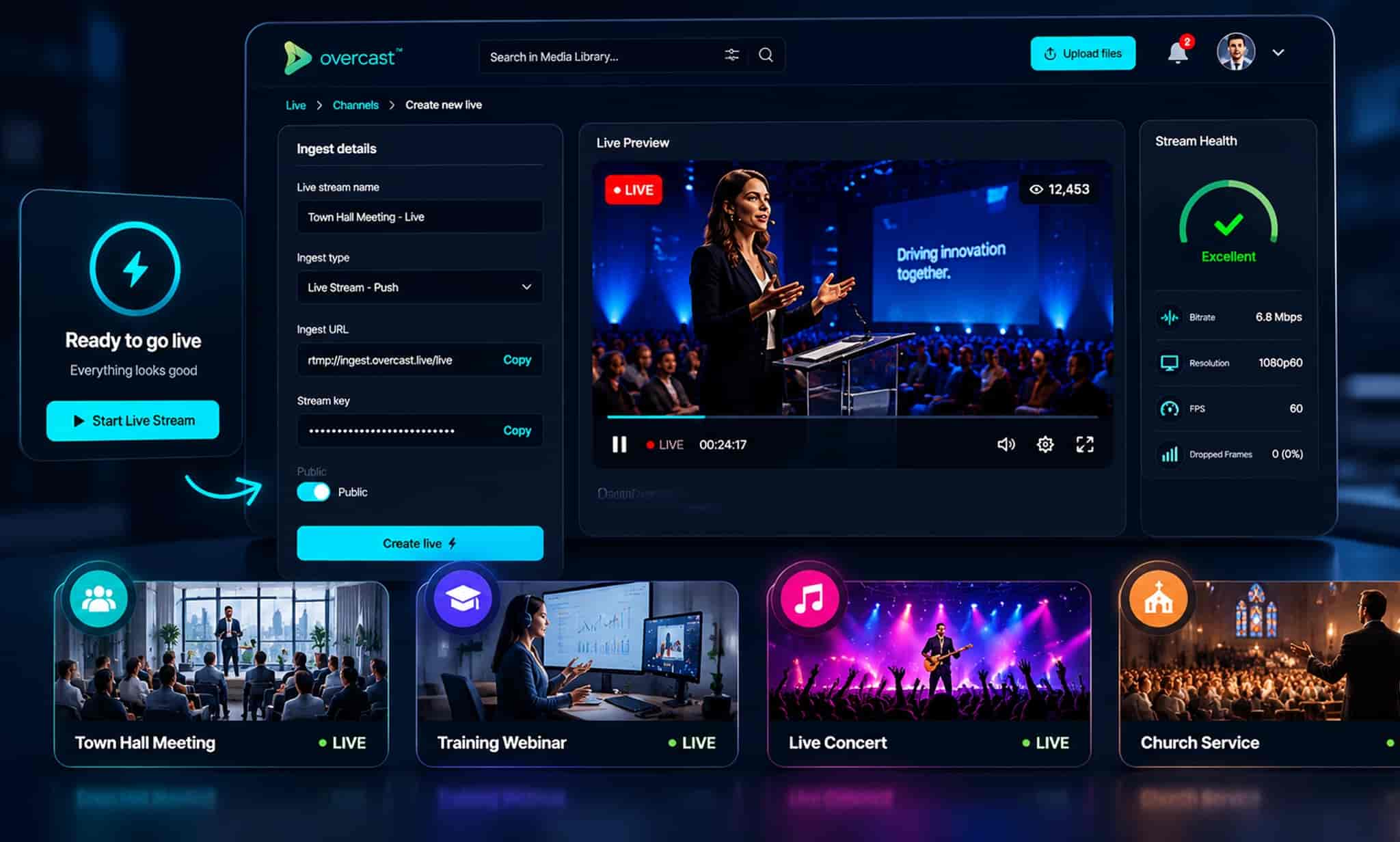
Digital streaming platforms have fundamentally altered how local news organizations like 19 News deliver breaking developments, moving away from rigid broadcast schedules to offer continuous, on-demand coverage that redefines real-time journalistic integrity and viewer engagement.
Local news broadcasting has undergone a profound structural shift over the past decade. Traditional linear television, bound by fixed time slots and geographical broadcasting footprints, has ceded primary attention to continuous digital streaming ecosystems. For local news outlets such as 19 News, the implementation of 21st-century live streaming infrastructure is not merely a distribution channel alternative; it is an operational reinvention. This transformation changes how reporters gather news in the field, how newsrooms process incoming data, and how audiences consume unfolding stories. By examining the operational mechanics, technical requirements, and editorial implications of 19 news live streaming, we can understand the modern architecture of real-time reporting.
The Evolution from Linear Broadcasts to Continuous Digital Feeds
Historically, local television stations operated under a strict scarcity model. Airtime was a finite resource limited by the clock. If a major breaking news event occurred outside of designated newscast windows—typically early morning, noon, early evening, and late night—audiences had to wait hours for updates, relying instead on radio reports or rudimentary station websites. The advent of digital streaming dismantled this temporal bottleneck.
Streaming technology allows 19 News to maintain an open window to the public. When a developing story breaks mid-morning, producers do not need to wait for a scheduled broadcast to begin reporting. They can spin up an instant live stream on digital platforms, pushing updates directly to mobile devices, connected TVs, and web browsers. This capability shifts the newsroom workflow from episodic production to continuous publishing.
However, this transition introduces significant operational complexities. Maintaining a continuous stream requires robust staffing models, automated asset management, and seamless coordination between field crews and master control rooms. Reporters can no longer rely solely on the luxury of post-production editing; they must embrace live, unscripted reporting while cross-checking facts in real time.
Technological Infrastructure Powering 19 News Live
The ability to broadcast live from anywhere at any time depends on sophisticated hardware and software integrations. Modern mobile journalism (MOJO) kits have replaced bulky satellite newsgathering (SNG) trucks for many routine reporting scenarios, drastically reducing overhead costs and deployment times.
Core Components of Modern Streaming Infrastructure
- Bonded Cellular Encoders: Field reporters use portable transmitters that aggregate multiple cellular networks (4G LTE and 5G), Wi-Fi, and Ethernet connections into a single, high-bandwidth data pipe. This redundancy prevents dropped signals during high-traffic events.
- Cloud-Based Production Switchers: Traditional hardware switchers are increasingly supplemented or replaced by cloud environments. Producers can mix camera feeds, insert lower-third graphics, and manage audio levels remotely from the station or even from home offices.
- Low-Latency Protocols: Protocols like SRT (Secure Reliable Transport) and WebRTC ensure that the delay between camera capture and viewer display is reduced to mere seconds, maintaining the immediacy essential for breaking news.
- Multi-Platform Distribution Encoders: Once a feed reaches the station or cloud hub, transcoders simultaneously adapt the video bitrate and resolution for various endpoints, including YouTube, OTT apps on Roku or Apple TV, and the station's proprietary mobile app.
| Technology Layer | Traditional Broadcast (Legacy) | Modern Real-Time Streaming | Primary Operational Advantage |
|---|---|---|---|
| Transmission | Microwave/Satellite Trucks | Bonded Cellular / 5G / Cloud | Greater mobility, lower setup cost, wider coverage |
| Latency | Near-zero internal delay | 2 to 6 seconds | Global distribution with minimal buffering |
| Output Format | Fixed Resolution (SD/HD) | Adaptive Bitrate (Multi-Resolution) | Seamless viewing across erratic mobile and home networks |
| Workflow | Linear, schedule-driven | Continuous, event-driven | Instantaneous publishing to multiple screens |
The Mechanics of Real-Time Fact-Checking and Speed
The most profound tension in modern streaming journalism is the friction between speed and accuracy. In the era of linear broadcasting, producers had the time to verify identities, corroborate police scanner chatter, and review footage before it hit the airwaves. Real-time streaming encourages a "publish and verify" loop that creates distinct journalistic vulnerabilities.
When 19 News goes live from the scene of an unfolding emergency, anchors and reporters are frequently narrating events as they happen. They must balance the viewer's demand for immediate information with the ethical obligation to avoid spreading unverified rumors or misinformation. To mitigate these risks, newsrooms deploy specialized protocols:
- Dual-Source Rule for Unverified Claims: Reporters on stream must explicitly state when information comes from unconfirmed scanner traffic or eyewitness accounts rather than official first-responder briefings.
- Delayed Graphics and Banners: Production desks utilize standardized lower-third banners that categorize information streams—labeling updates as "Breaking," "Developing," or "Confirmed."
- Digital Verification Desks: Behind the scenes, specialized researchers monitor social media feeds, verify user-generated content (UGC) geolocation, and cross-reference official emergency alerts before anchors repeat claims on air.
Viewer Engagement and Interactive Reporting Models
Streaming alters not only how news is produced but also how audiences interact with it. Traditional television was a one-way communication medium; viewers sat passively and absorbed the broadcast. Live streaming, by contrast, introduces bidirectional feedback loops that fundamentally reshape the narrative structure of reporting.
During a live stream of a city council meeting, severe weather event, or community protest, viewers can submit questions via live chat interfaces. Producers monitor these streams in real time, filtering audience inquiries to direct the reporter's questions to officials on the ground. This participatory journalism creates a tighter bond between the newsroom and the community it serves.
Furthermore, streaming metrics provide newsrooms with instantaneous data analytics. Editors can see concurrent viewer counts, drop-off points, and engagement spikes in real time. While this data helps tailor coverage dynamically—allocating more time to topics retaining viewer interest—it also risks driving editorial decisions purely based on click-through metrics rather than civic importance.
Economic and Operational Challenges for Local Outlets
While streaming expands audience reach, it introduces complex financial and technical hurdles for local news providers. The transition from traditional cable subscription models and high-margin broadcast advertising to digital ad-insertion and free ad-supported streaming TV (FAST) channels requires a complete restructuring of business models.
- Monetization Discrepancies: Digital ad impressions typically yield lower revenue per viewer than traditional linear television commercials, forcing stations to scale their digital viewership significantly to maintain profitability.
- Bandwidth and Hosting Costs: Scaling a live stream to handle tens of thousands of concurrent viewers during a major weather event or crisis incurs substantial cloud infrastructure and content delivery network (CDN) expenses.
- Technical Reliability: Unlike closed broadcast circuits, streaming relies on public internet infrastructure. Network congestion, internet service provider outages, and hardware failures at the user or station end can abruptly sever the viewing experience.
Frequently Asked Questions
How can viewers access 19 News live streaming content without a cable subscription?
Viewers can access live streams through the station's official website, dedicated mobile apps for iOS and Android, and connected TV applications available on platforms like Roku, Amazon Fire TV, Apple TV, and Samsung TV Plus. Many of these digital options are provided free of charge or ad-supported without requiring a traditional pay-TV login.
Does live streaming compromise the journalistic quality of breaking news?
While the pressure for speed in real-time streaming increases the risk of premature reporting, reputable news organizations implement strict verification workflows. Reporters and producers use tiered labeling systems to distinguish between confirmed facts and developing, unverified information, prioritizing transparency with the audience.
What happens to the live stream when a scheduled program or syndicated show airs?
Unlike traditional linear broadcasting where scheduled programming replaces news, digital streaming allows for multi-channel architectures. Stations can maintain a continuous, 24/7 digital stream dedicated to breaking news and extended coverage while separate feeds or on-demand archives house scheduled programs.
How do field reporters maintain stable video feeds during major emergencies?
Field crews utilize bonded cellular units that combine multiple cellular carrier networks, Wi-Fi connections, and satellite links simultaneously. If one network drops or becomes congested due to heavy local cell tower usage, the unit automatically shifts data packets to the remaining stable connections without interrupting the video transmission.
Can viewers interact directly with anchors during a live news stream?
Many digital streaming platforms incorporate live chat features, comment moderation tools, and social media integration. Producers actively monitor these feeds to gauge community reaction, answer viewer-submitted questions, and adapt reporting angles in real time based on audience feedback.
Next Steps for Media Consumers and Professionals
For media consumers, navigating the landscape of real-time streaming requires a discerning approach to breaking news. Viewers should favor platforms that transparently distinguish between confirmed updates and developing speculation, verifying major claims across multiple official sources before sharing them further. For journalism professionals and local news organizations, the mandate is clear: technological investment must be matched by rigorous editorial standards. Success in the streaming era relies on maintaining the core tenets of accuracy and accountability, even when operating at the breakneck speed demanded by digital audiences.