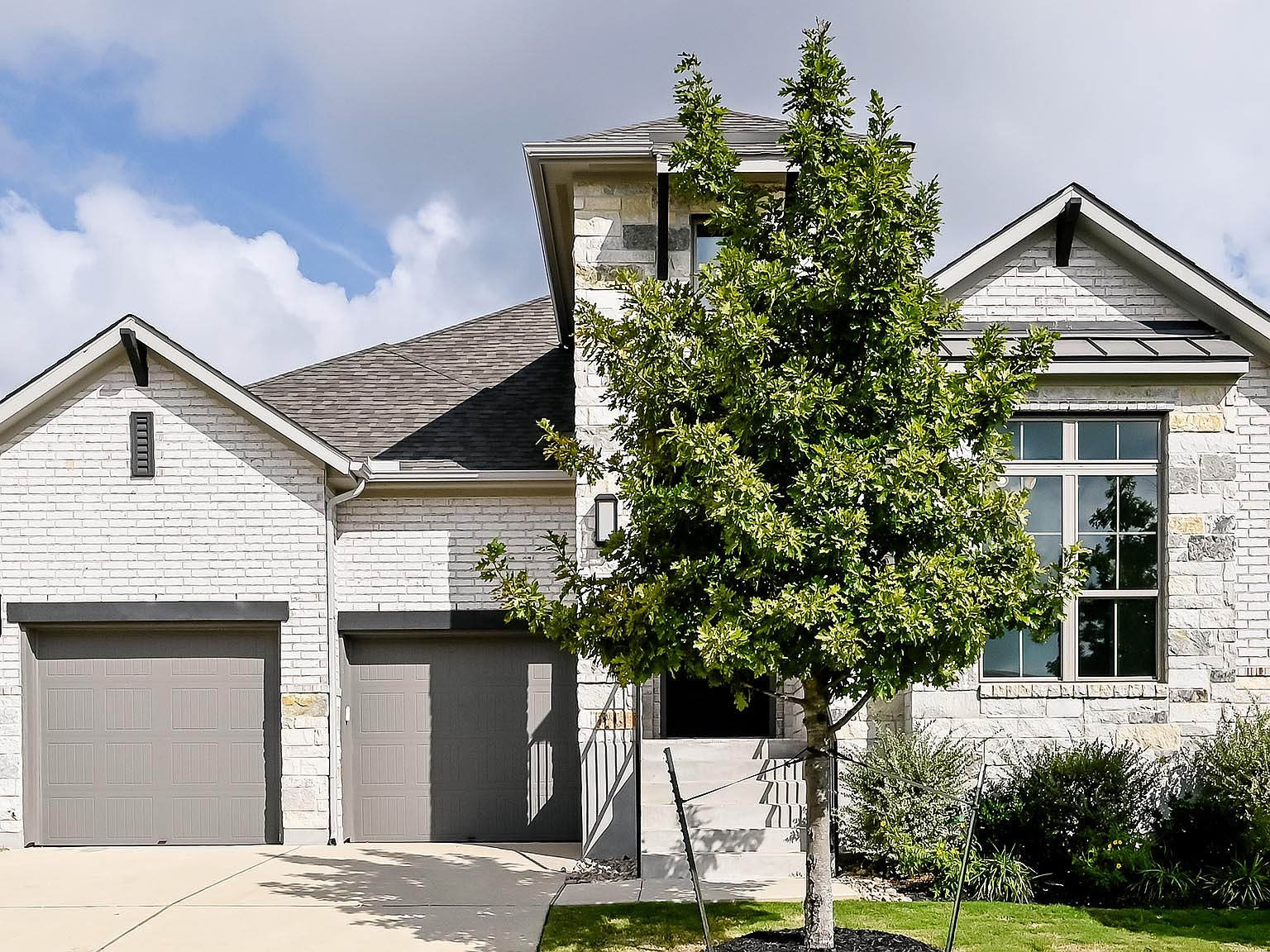
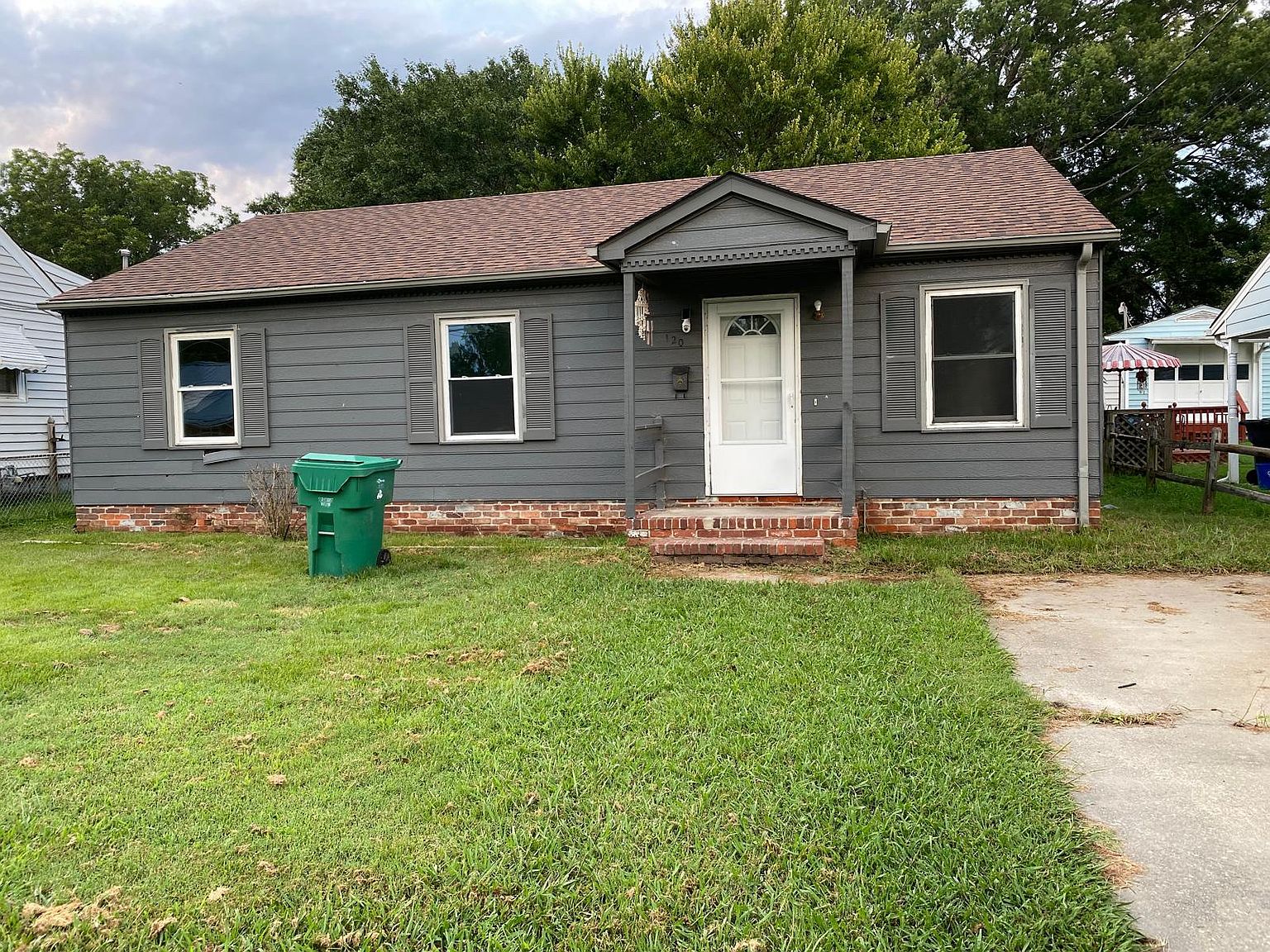
When encountering a specific geographical location, real estate listing, or administrative entity like 120 Charlotte Dr, understanding its context requires navigating property records, local zoning laws, municipal geographic information systems (GIS), and regional housing market dynamics. Addresses of this nature typically point to residential parcels, commercial lots, or specific local landmarks that intersect with public municipal databases, tax assessor records, and real estate valuation frameworks. Examining such a property or location demands a structured approach to land use, municipal data verification, and physical infrastructure assessments.
Navigating Municipal and Property Records for 120 Charlotte Dr
Researching a specific street address such as 120 Charlotte Dr begins with accessing official municipal, county, or regional land registry systems. Property records serve as the authoritative baseline for determining legal ownership, historical sales transactions, parcel boundaries, and structural classifications. Local governments maintain these records through tax assessor offices, recorder of deeds departments, and geographic information systems.
Property identification relies on standardized naming conventions and parcel identification numbers (often abbreviated as PINs or APNs). When evaluating a location like 120 Charlotte Dr, stakeholders must first verify the exact jurisdiction, county, and postal district. Street names such as "Charlotte Dr" appear in various municipalities across different states and countries, making cross-referencing with zip codes and municipal boundaries essential to prevent misidentification.
Key Data Points Found in Municipal Property Records
- Parcel Identification Number (PIN): A unique numeric code assigned by the local tax assessor to track the land tract.
- Legal Description: The formal boundary and lot demarcation text utilized in deeds rather than standard mailing addresses.
- Assessed Valuation: The estimated monetary worth of the land and improvements calculated periodically for property tax purposes.
- Zoning Classification: The municipal designation dictating permitted land uses, such as single-family residential, multi-family, or commercial.
- Transfer History: A chronological log of previous deeds, sales prices, and ownership transitions.
Real Estate and Architectural Characteristics of Residential Addresses
Addresses structured like 120 Charlotte Dr frequently designate single-family suburban homes, townhouses, or low-density residential units. Evaluating a residential property involves analyzing both its physical attributes and its broader integration into the local real estate ecosystem. Architectural styles, construction eras, square footage, lot dimensions, and structural updates heavily influence utility and market value.
Architectural Layout and Structural Integrity
The physical composition of a residential parcel encompasses several core components that dictate habitability and maintenance requirements. Understanding these elements requires examining standard construction milestones:
- Foundation Systems: Whether built on a concrete slab, crawlspace, or full basement, foundation integrity determines long-term structural stability and moisture management.
- Framing and Exterior: Wood-frame construction remains standard for many residential neighborhoods, clad in brick, vinyl siding, stucco, or stone veneer.
- Roofing Assemblies: Asphalt shingle roofs dominate many residential zones, with lifespan and replacement cycles depending on local weather patterns and installation quality.
- Mechanical Infrastructure: Modern habitability depends on integrated HVAC (heating, ventilation, and air conditioning) systems, electrical service panels capable of handling modern loads, and efficient plumbing networks.
Zoning, Land Use, and Municipal Regulations
Every physical address operates under strict municipal zoning ordinances that dictate what activities can take place on the land. A property situated on Charlotte Dr is governed by local city or county zoning codes that regulate building height, setback requirements (the distance a structure must be from property lines), lot coverage ratios, and accessory dwelling unit (ADU) allowances.
| Zoning Parameter | Typical Residential Rule | Potential Implications |
|---|---|---|
| Primary Use | Single-family or multi-family housing | Limits commercial operations and heavy industrial activity |
| Setbacks | Minimum distance to front, side, and rear property lines | Restricts additions, decks, and outbuilding placement |
| Building Height | Maximum allowable vertical rise (e.g., 35 feet) | Prevents multi-story expansions that obstruct light or privacy |
| Lot Coverage | Maximum percentage of land covered by impermeable surfaces | Controls stormwater runoff and drainage capacity |
Property owners or prospective buyers must consult local planning departments before executing major renovations, structural additions, or changes in occupancy. Failure to secure proper building permits or zoning variances can result in stop-work orders, fines, or legal challenges during future property transactions.
Market Valuation and Comparative Property Analysis
Assessing the financial standing of a property like 120 Charlotte Dr involves comparative market analysis (CMA) and automated valuation models (AVMs). Real estate valuation is rarely determined by a single factor; instead, it is a reflection of recent comparable sales ("comps") within the immediate neighborhood, macroeconomic interest rate environments, and local inventory levels.
Factors Influencing Valuation
- Location and Neighborhood Desirability: Proximity to employment centers, school districts, public transportation nodes, and retail amenities heavily skews property valuation.
- Condition and Upgrades: Properties featuring modernized kitchens, updated bathrooms, energy-efficient windows, and updated electrical systems command premiums over un-renovated counterparts.
- Square Footage and Lot Size: Livable interior space measured in square feet, combined with usable outdoor yard space, establishes the baseline scale for valuation.
- Market Trends: Inventory shortages push prices upward, while rising interest rates tend to moderate purchasing power and stabilize property values.
Common Questions Regarding Property Verification and Research
How can I verify the exact legal owner of 120 Charlotte Dr?
Legal ownership can be verified through the county clerk, recorder of deeds, or online tax assessor portal for the specific municipality where the property is located. These public records display the current deed holder and historical transaction documents.
What should I check before purchasing or leasing a property on Charlotte Dr?
Essential steps include reviewing municipal zoning laws, requesting a professional home inspection, verifying property tax histories, checking for open building permits or liens, and assessing neighborhood flood zone statuses through official mapping agencies.
Are addresses like 120 Charlotte Dr subject to homeowners association (HOA) rules?
Whether a specific address falls under an HOA depends on the subdivision plat. Some developments are governed by mandatory HOAs that enforce architectural guidelines and assess monthly or annual fees, while others are independent properties subject only to municipal laws.
How do local property taxes get calculated for this address?
Local tax authorities multiply the assessed value of the property (determined by the tax assessor) by the prevailing millage rate or tax rate established by local taxing bodies, including the city, county, and school district.
Where can I find historical weather or environmental risks for this location?
Environmental data, including flood risks, soil stability, and historical weather patterns, can be reviewed using resources provided by agencies such as the Federal Emergency Management Agency (FEMA) or local geological surveys.
Next Steps for Property Evaluation and Research
For individuals seeking actionable insight regarding 120 Charlotte Dr, the most effective path forward depends on your specific objective. If conducting real estate due diligence, begin by pulling the official parcel record from the county tax assessor's website to confirm current ownership, tax status, and legal descriptions. If planning physical work on the site, schedule a consultation with the local municipal building and zoning department to review permitting requirements, setbacks, and local code compliance standards before committing resources or contractors.