A Tenant-in-Common (TIC) structure allows multiple investors to co-own undivided fractional interests in a single piece of real estate, qualifying for a tax-deferred 1031 exchange under Internal Revenue Service (IRS) Section 1031. This arrangement enables real estate investors to transition from actively managed properties into professionally managed, institutional-grade assets while deferring capital gains and depreciation recapture taxes.
Understanding the Foundation of a 1031 Exchange TIC
Section 1031 of the Internal Revenue Code allows investors to defer capital gains taxes upon the sale of a business or investment property, provided they reinvest the proceeds into a "like-kind" property of equal or greater value. While "like-kind" is interpreted broadly for real estate—permitting an investor to trade an apartment building for a retail strip center, for instance—qualifying for this tax deferral requires strict adherence to timelines and structural rules enforced by the IRS.
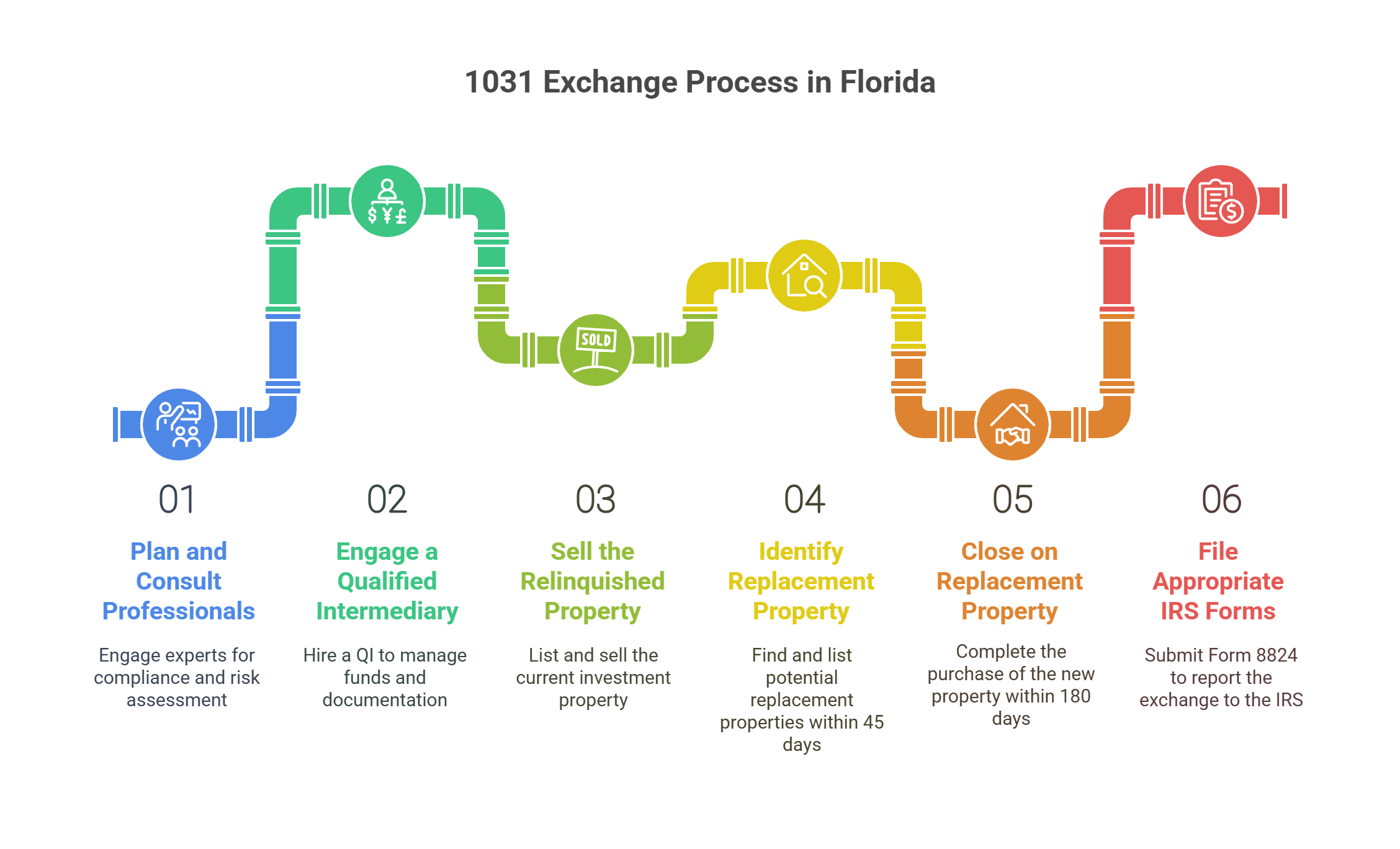
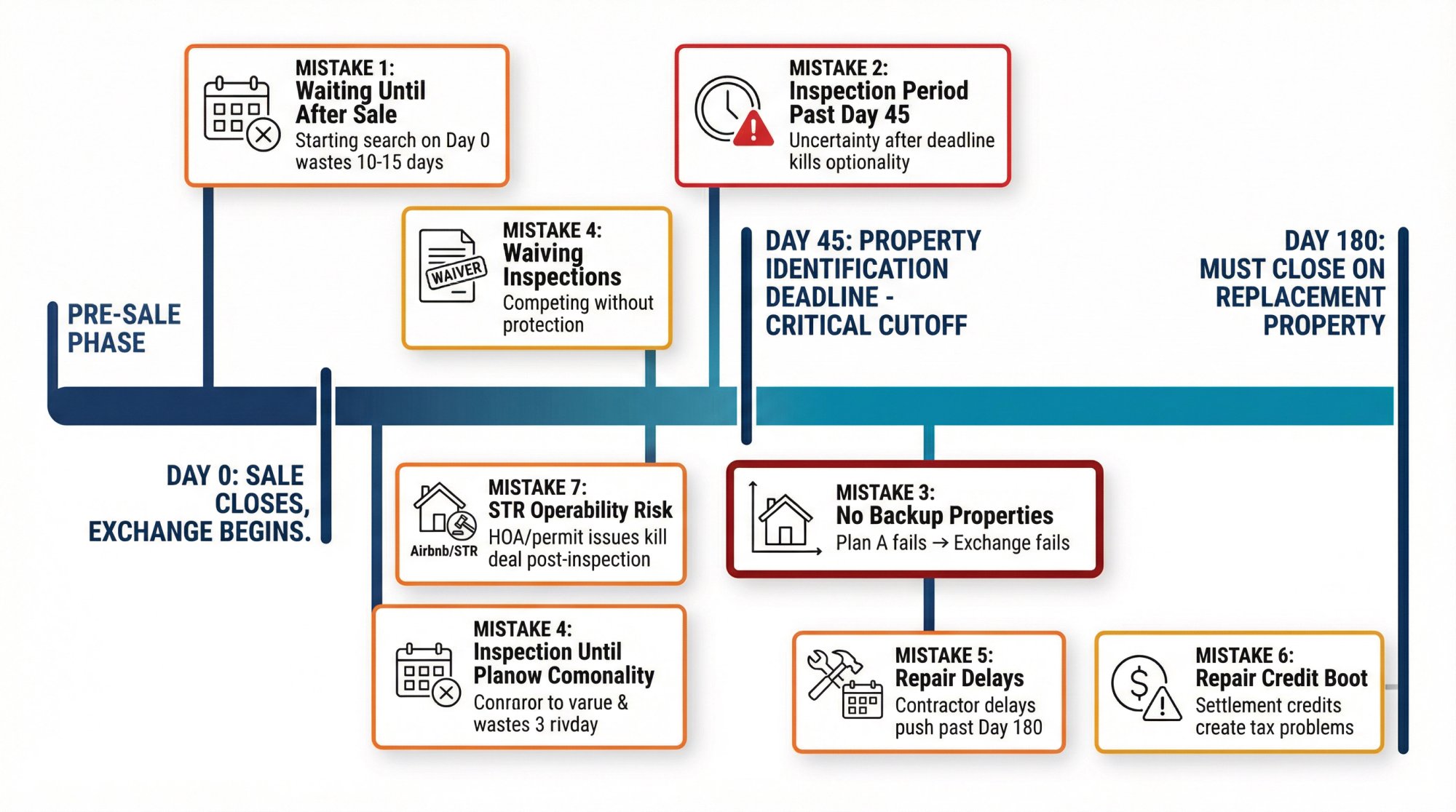
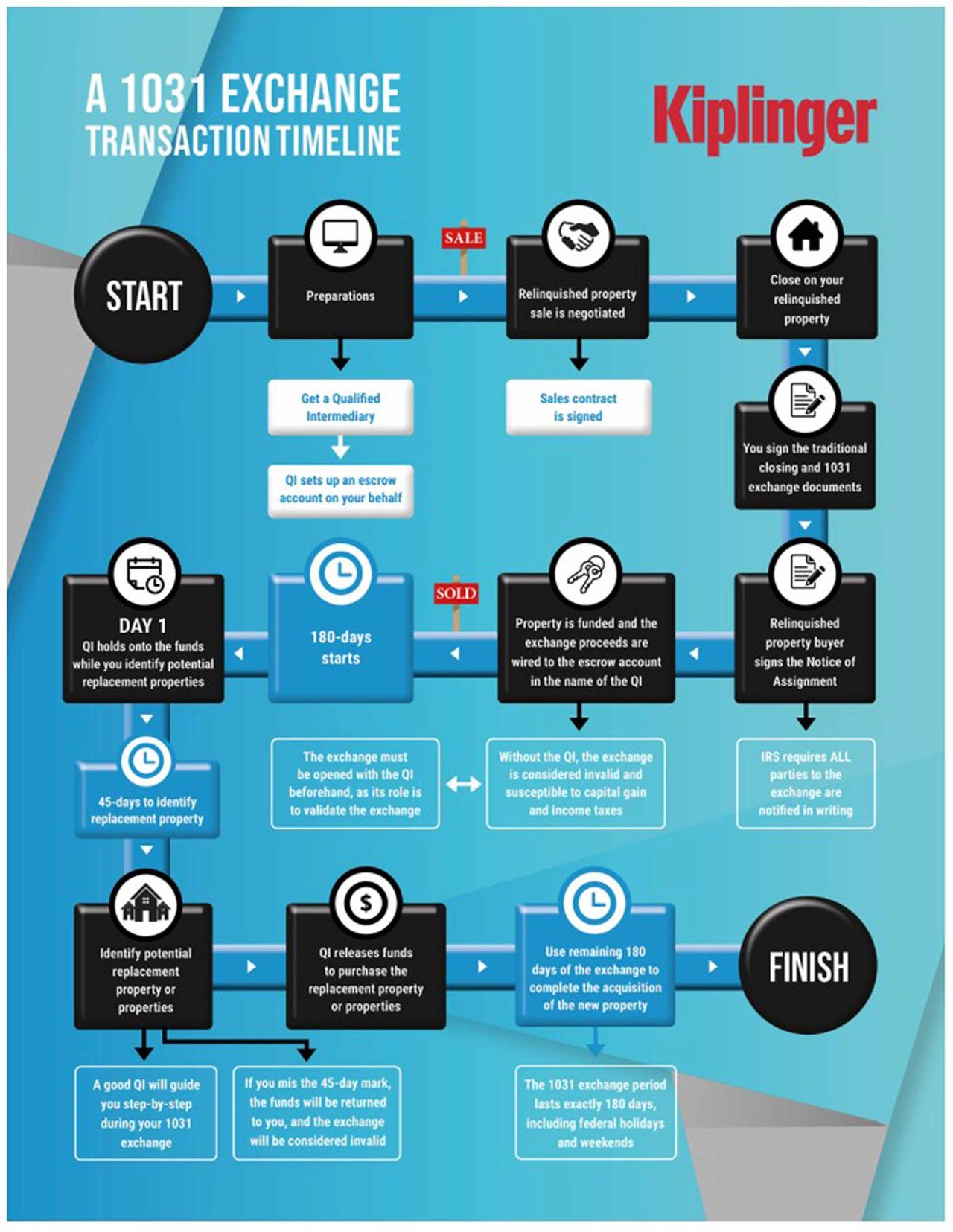
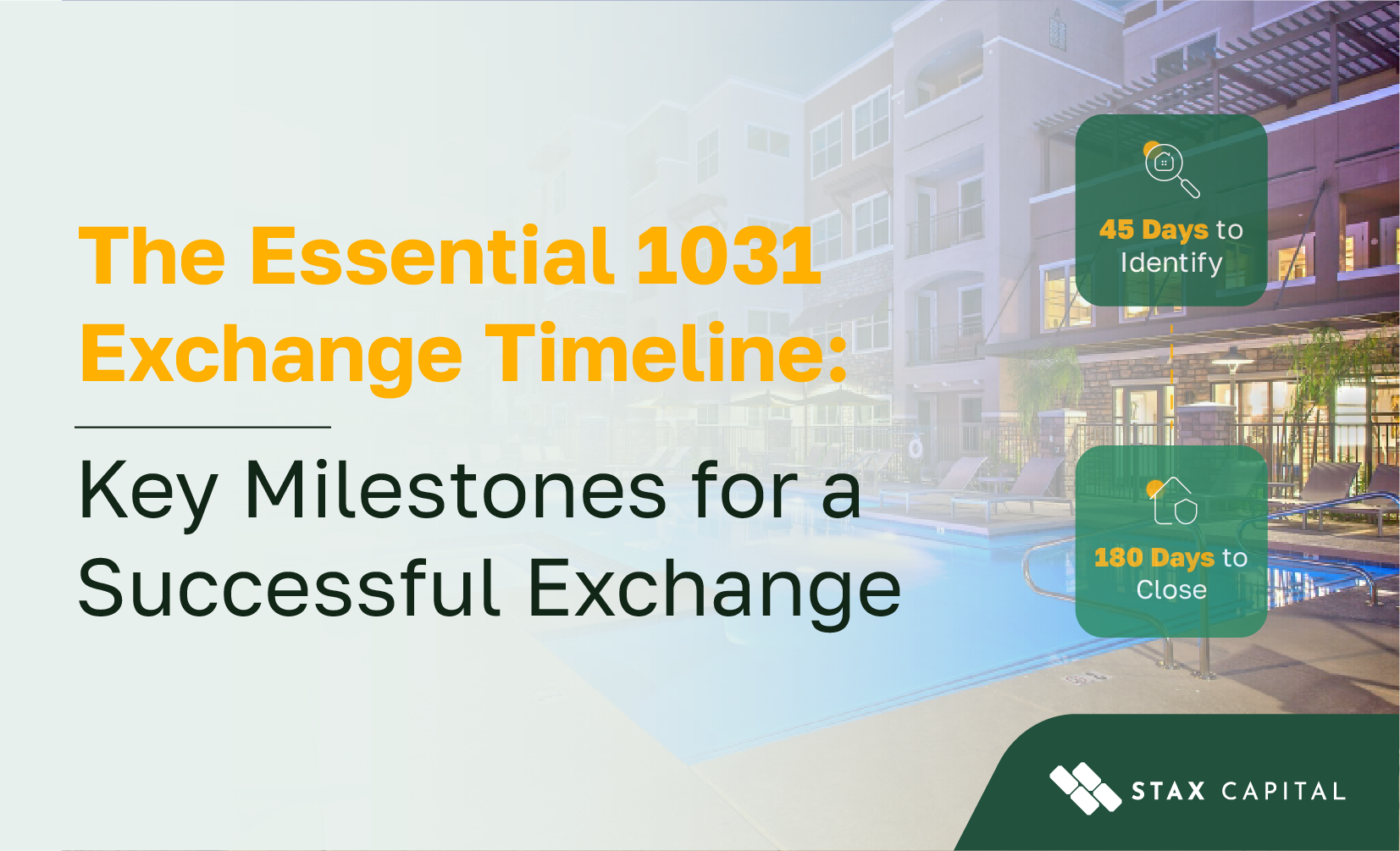
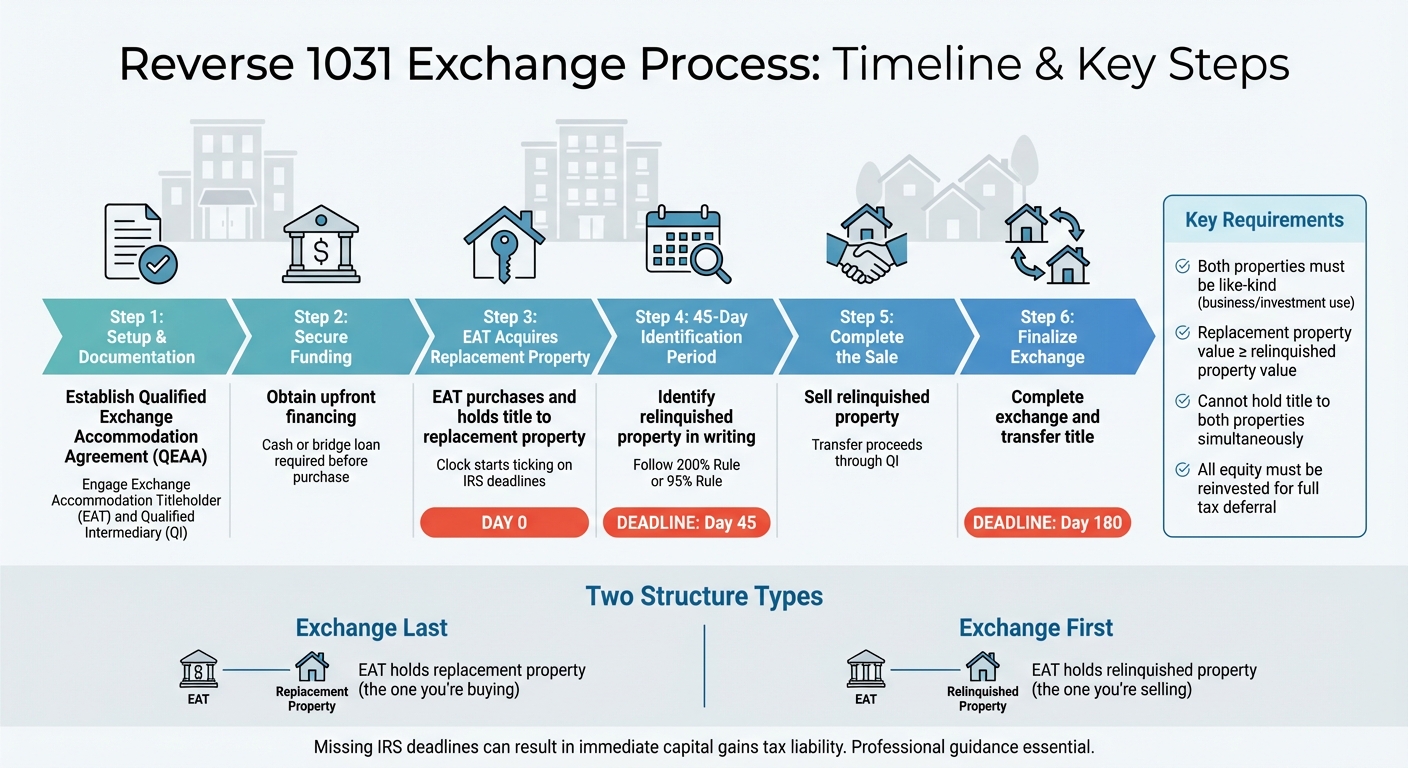
When an investor sells a relinquished property, they often face a tight 45-day identification window to designate replacement properties and a 180-day window to complete the acquisition. Meeting these deadlines while searching for a suitable, debt-equal or debt-greater replacement asset can cause immense pressure. For investors seeking a passive alternative to direct property ownership, Tenant-in-Common (TIC) investments structured specifically for 1031 exchanges offer a viable solution.
In a TIC arrangement, two or more individuals or entities hold undivided fractional interests in real property. Each co-owner holds a distinct deed to their percentage share of the property, making them direct owners rather than shareholders in a corporation or limited liability company (though a single-member LLC is often used to hold the individual TIC interest for liability protection). This direct ownership structure satisfies the IRS requirement that replacement property must be held for business or investment purposes and be of like-kind to the relinquished asset.
Mechanics of Tenant-in-Common Ownership in Real Estate
The structure of a TIC is governed by both real estate law and specific IRS guidance, most notably Revenue Procedure 2002-22. This IRS revenue procedure outlines the safety-harbor conditions under which the agency will issue a ruling on whether a TIC interest constitutes an undivided fractional interest in real estate rather than a business entity (like a partnership or corporation), which would disqualify it from 1031 exchange eligibility.
Key provisions of Revenue Procedure 2002-22 include:
- Limitation on Co-Owners: The number of co-owners cannot exceed 35 persons.
- Voting Rights: Major decisions regarding the property—such as selling, refinancing, or leasing—generally require unanimous or majority consent among the TIC owners, though a master tenant or asset manager is typically appointed to handle daily operations.
- Restrictions on Profit-Sharing: Co-owners must share in all revenues and costs associated with the property in exact proportion to their fractional ownership interest.
- Transfer Restrictions: Co-owners cannot have bilateral options to buy or sell interests from each other that would restrict an owner's right to transfer their property interest.
Because managing dozens of co-owners can be cumbersome, institutional sponsors package these properties—often large apartment complexes, net-leased industrial spaces, or medical office buildings—and market them as turnkey 1031 replacement properties. The sponsor acts as the master tenant or asset manager, handling tenant relations, maintenance, and financial reporting, while the investors enjoy passive income and potential appreciation proportionate to their ownership stake.
Benefits and Drawbacks of Utilizing TICs for 1031 Exchanges
Evaluating whether a TIC fits into an overarching wealth-preservation strategy requires weighing distinct advantages against structural risks.
| Feature | Direct Sole Ownership | 1031 Exchange TIC Investment |
|---|---|---|
| Management Role | Active (Landlord duties, repairs, tenant turnover) | Passive (Handled by a professional sponsor/asset manager) |
| Diversification | Limited by available capital to purchase entire assets | High (Ability to split capital across multiple TICs/markets) |
| Liquidity & Control | High control; sale timeline depends entirely on owner | Low control; decisions require group or sponsor consensus |
| Financing Liability | Direct recourse or non-recourse debt secured independently | Proportionate share of master loan; non-recourse standard |
| Minimum Investment | Typically high (capital needed for whole properties) | Lower barrier to entry, often starting at $100,000 |
Advantages of TIC Investments
- True Passive Income: Investors step away from midnight maintenance calls and tenant management, transforming from active landlords into passive stakeholders.
- Access to Institutional Assets: Smaller investors who could previously only afford local duplexes or triplexes can pool their exchange proceeds into multi-million-dollar corporate office parks, distribution centers, or large multifamily communities.
- Built-In Debt Replacement: To successfully defer all capital gains tax in a 1031 exchange, an investor must replace both the value and the debt of the sold property. TIC properties typically come pre-packaged with institutional financing already in place, simplifying the debt-replacement math.
- Estate Planning Simplicity: Fractional real estate interests can be distributed among heirs more easily than undivided commercial buildings, potentially reducing probate complications.
Disadvantages and Risks
- Lack of Control: Individual TIC owners do not have unilateral decision-making power. If the sponsor or a majority of co-owners decide to hold a property when an investor wants to sell, the individual investor has limited recourse.
- Financing Vulnerability: TIC properties often utilize master loans secured by the entire property. If a co-owner defaults or faces bankruptcy, it can complicate the financial stability of the entire asset, although single-purpose entities (SPEs) and single-member LLC structures help insulate individual owners.
- High Fees and Commissions: Sponsored TIC offerings often include significant upfront syndication, legal, and acquisition fees, which can reduce the effective yield of the investment compared to direct property purchases.
- Illiquidity: Like all direct real estate, TIC interests lack a public secondary market. Exiting a TIC investment outside of a planned property sale can be difficult and time-consuming.
Step-by-Step Integration into a 1031 Exchange Timeline
Executing a 1031 exchange using a TIC interest requires precision, coordination with a qualified intermediary (QI), and adherence to statutory deadlines.
- Initiate the Sale of the Relinquished Property: Before closing, the investor must engage a Qualified Intermediary (QI) to hold the sale proceeds in escrow. Direct receipt of the cash by the investor invalidates the tax deferral.
- Identify Replacement Property within 45 Days: Exactly on or before midnight of the 45th calendar day following the closing of the relinquished property, the investor must formally identify potential replacement properties in writing to the QI. Under IRS rules, an investor can identify up to three properties regardless of value, or any number of properties as long as their total aggregate fair market value does not exceed 200% of the relinquished property's value. When identifying a TIC, the specific fractional interest must be explicitly named.
- Perform Due Diligence on the TIC Sponsor and Asset: During the identification window and the subsequent acquisition period, review the Sponsor's track record, financial statements, the master lease agreement, and the property’s environmental and structural reports.
- Complete the Acquisition within 180 Days: The purchase of the TIC interest must close no later than 180 calendar days after the sale of the original property (or the due date of the investor's tax return for the year of the sale, whichever is earlier). The QI transfers the exchange funds directly to the closing agent to acquire the fractional deed.
Frequently Asked Questions
What happens if a TIC co-owner wants to sell their share early?
An individual TIC owner cannot force the sale of the entire property unless provided for in the TIC agreement. They can attempt to sell their fractional interest to a third party, but finding a buyer for a minority real estate interest can be challenging, and other co-owners or the sponsor often hold rights of first refusal.
Can I complete a 1031 exchange into a Delaware Statutory Trust (DST) instead of a TIC?
Yes. Many real estate investors utilize a Delaware Statutory Trust (DST) as an alternative to a TIC. DSTs offer true passive ownership where the trustee holds title to the property, and investors own beneficial interests. DSTs often have lower minimum investments and avoid some of the unanimous-consent hurdles associated with TICs, though they offer even less operational control.
Are TIC investments suitable for all accredited investors?
Most sponsored TIC offerings are registered under Regulation D, Rule 506(b) or 506(c) of the Securities Act, meaning they are restricted strictly to accredited investors who meet specific income or net worth thresholds. Investors should consult with a certified public accountant (CPA) or tax attorney to verify eligibility and ensure alignment with their financial goals.
How is rental income distributed in a TIC structure?
Rental income and operating expenses are distributed among the co-owners strictly in proportion to their fractional ownership percentages, as mandated by IRS guidelines. These distributions are typically paid out on a monthly or quarterly basis by the master tenant or asset manager.
Next Actions and Professional Guidance
Engaging in a 1031 exchange using a Tenant-in-Common structure bridges the gap between active real estate ownership and passive wealth generation. Investors should begin by consulting a qualified intermediary and a specialized CPA to calculate exact equity and debt replacement requirements. Concurrently, interviewing established TIC sponsors and reviewing current inventory helps align replacement property selection with long-term financial objectives before the strict 45-day identification clock expires.