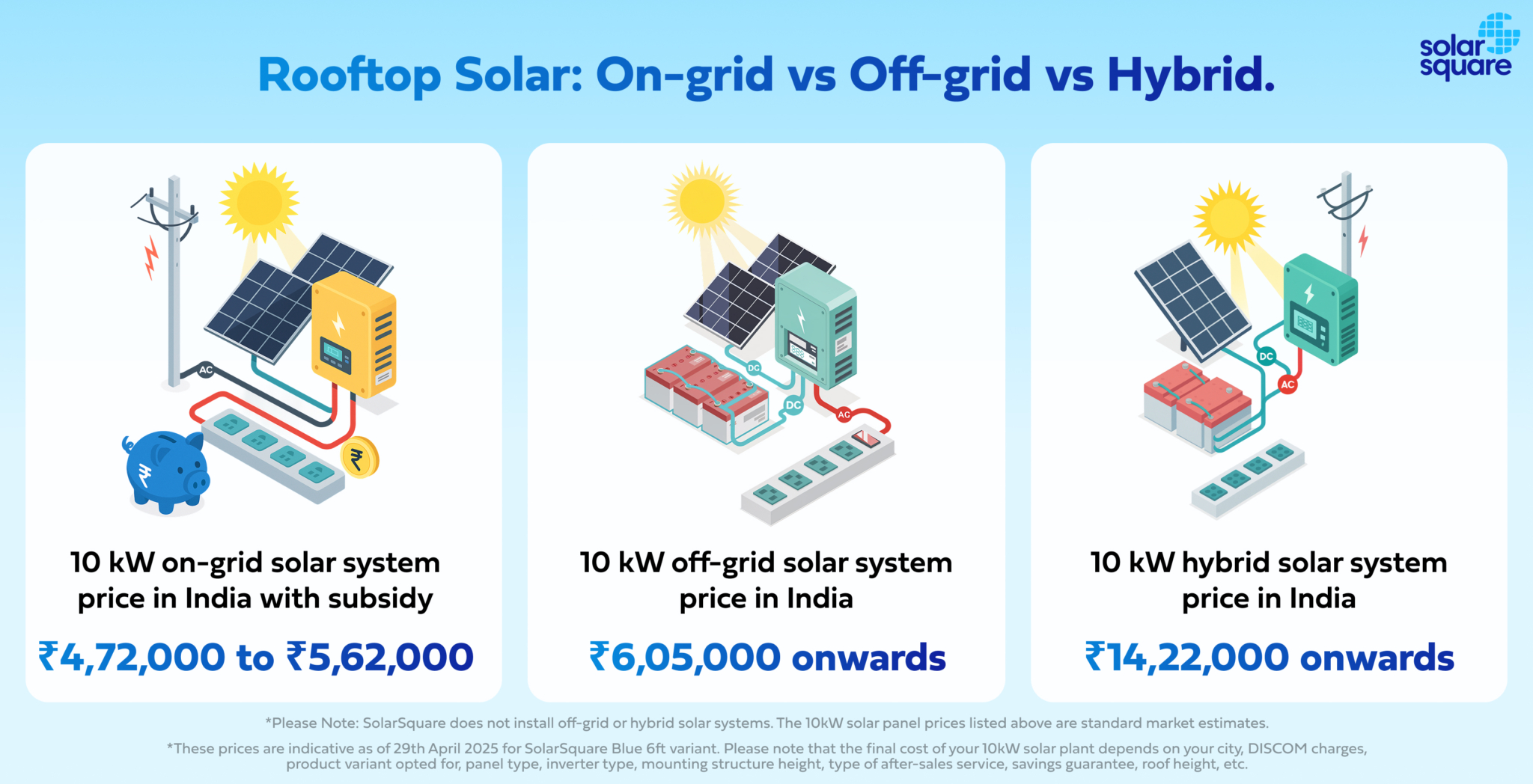
A 10 kilowatt solar panel system is a residential or small commercial photovoltaic setup designed to generate approximately 10,000 watts of direct current electricity under optimal sunlight conditions. It typically requires between 25 and 30 individual solar panels, occupies roughly 500 to 700 square feet of roof space, and generally offsets the entire electricity consumption of a large American household.
Choosing a renewable energy setup for a residential or small commercial property requires a thorough understanding of capacity, hardware, financial outlays, and structural prerequisites. Among the various residential options available on the market, a 10 kilowatt (kW) solar panel system represents one of the most popular configurations for mid-to-large-scale single-family homes. This comprehensive guide explores every facet of owning, designing, installing, and maintaining a 10 kW photovoltaic array.
Understanding the Capacity of a 10 kW Solar Array
To evaluate whether a 10 kW system matches your energy profile, you must first understand what the designation means. The "10 kW" rating refers to the direct current (DC) peak power output of the array under Standard Test Conditions (STC)—specifically, 1,000 watts of sunlight per square meter and a cell temperature of 25°C (77°F).
In practical, real-world conditions, various factors influence how much electricity the system actually produces. Geographical location, roof orientation, tilt angle, ambient temperature, shading from trees or neighboring structures, and inverter efficiency all play significant roles. For example, a 10 kW system installed in the American Southwest, where solar irradiance is exceptionally high, will generate significantly more kilowatt-hours (kWh) annually than the exact same hardware configuration installed in the Pacific Northwest or the Northeast.
On average, a 10 kW array generates between 11,000 and 16,000 kWh of electricity per year. To put this in perspective, the average U.S. residential household consumes approximately 10,600 kWh of electricity annually, according to data from the U.S. Energy Information Administration (EIA). Therefore, a 10 kW system is frequently sized to achieve a 100% offset of utility bills for larger homes, homes with electric vehicle (EV) chargers, or properties utilizing electric heat pump systems for heating and cooling.
Component Breakdown: What Makes Up a 10 kW System?
A photovoltaic installation is far more than just a collection of glass-covered silicon panels bolted to a roof. It is an integrated electrical generation system comprising several critical components that must work in seamless coordination.
Solar Panels (Modules)
The panels themselves capture photons from sunlight and convert them into DC electricity via the photovoltaic effect. Modern residential solar panels typically range from 350 watts to over 450 watts per panel.
- To reach a 10 kW capacity using 400-watt panels, you will need exactly 25 panels.
- To reach a 10 kW capacity using 330-watt panels, you will need approximately 30 panels.
Inverters
Solar panels generate DC electricity, but household appliances and the electrical grid operate on alternating current (AC). Inverters bridge this gap. There are two primary configurations utilized in residential arrays:
- String Inverters: The panels are wired together in series (strings) that feed into a single central inverter, usually mounted on an exterior wall near the main electrical panel. While cost-effective, if one panel is shaded or experiences a fault, the output of the entire string can drop.
- Microinverters and Power Optimizers (Module-Level Power Electronics - MLPE): Microinverters are installed beneath each individual panel, converting DC to AC at the source. Optimizers condition the DC power before sending it to a central string inverter. Both options maximize energy harvest, especially on complex roofs with multiple planes or partial shading, and allow for granular monitoring of individual panel performance.
Racking and Mounting Hardware
The structural backbone of the system securely fastens the panels to your roof or ground mount. Racking must be engineered to withstand local wind loads, seismic activity, and snow accumulation without compromising the weatherproofing of your roof penetrations.
Balance of System (BOS) and Wiring
This category includes safety disconnects, conduit, wiring, production meters, and the interconnection hardware required to tie the system safely into your home's electrical service panel and the broader utility grid.
| Component | Function | Typical Lifespan / Warranty |
|---|---|---|
| Photovoltaic Panels | Converts sunlight into direct current (DC) electricity. | 25 to 30 years (Performance warranty) |
| String Inverter | Converts DC electricity into alternating current (AC) for home use. | 10 to 15 years (Often requires one replacement) |
| Microinverters / Optimizers | Module-level conversion or optimization for maximum yield. | 25 years |
| Racking & Mounts | Secures panels structurally to roof or ground. | 25 years |
| Solar Battery Storage | Stores excess energy for backup or evening use (optional). | 10 to 15 years |
Roof Space and Structural Requirements
Before purchasing a 10 kW system, you must verify that your property possesses the physical capacity to support it. The physical footprint of a solar array depends directly on the wattage and physical dimensions of the selected panels, as well as their efficiency ratings.
Calculating Roof Area Needs
Higher-efficiency panels produce more power per square foot, requiring less surface area. Standard residential panels measure roughly 5.5 feet by 3.2 feet (about 17.5 square feet).
- For a 25-panel system using 400-watt panels, you will need approximately 440 to 500 square feet of unobstructed, structurally sound roof space.
- If using lower-wattage panels requiring a 30-panel layout, the footprint expands closer to 550 to 650 square feet.
Roof Orientation and Tilt
To maximize annual energy generation, solar arrays in the Northern Hemisphere should ideally face true South, while arrays in the Southern Hemisphere should face North. East- and West-facing roofs are also viable, typically producing 15% to 20% less annual energy than a due-south orientation. The tilt angle should generally match the latitude of the installation site to optimize year-round capture, though flush-to-roof mounting on sloped shingle roofs is standard practice for aesthetic and wind-resistance reasons.
Structural Integrity
A complete 10 kW array, including panels, racking, and wiring, weighs between 2,200 and 3,000 pounds distributed across the roof surface. While this translates to a relatively low load of 3 to 4 pounds per square foot—well within the structural design limits of modern residential framing—an engineer or professional installer must inspect the roof trusses, decking, and age of the roofing materials. It is a best practice to replace an aging roof before installing solar panels, as removing and reinstalling an array to perform roof repairs later can incur significant labor costs.
Financial Considerations: Costs, Incentives, and Payback
Investing in a 10 kW solar panel system involves substantial upfront capital, balanced by long-term utility bill savings and government incentives.
Upfront Costs and Market Pricing
The cost of a 10 kW solar installation varies by region, labor rates, equipment selection, and whether battery storage is included. According to tracking data from the Solar Energy Industries Association (SEIA) and the National Renewable Energy Laboratory (NREL), average residential solar costs hover around $2.80 to $3.20 per watt before incentives. Therefore, a standard grid-tied 10 kW system typically ranges from $28,000 to $32,000 before applying tax credits or rebates.
Financial Incentives and Tax Credits
- Federal Incentives: Homeowners in the United States can leverage the Residential Clean Energy Credit (historically known as the Investment Tax Credit or ITC). This incentive allows taxpayers to deduct a significant percentage of the total installation cost from their federal tax liability. Review current eligibility guidelines and statutory details directly through the U.S. Department of Energy or the Internal Revenue Service to ensure compliance with filing requirements.
- State and Local Rebates: Many state governments, municipalities, and electric utilities offer additional cash-back rebates, solar renewable energy certificates (SRECs), or performance-based incentives that further reduce the net capital expenditure.
- Net Metering: Net metering policies allow you to export excess electricity generated by your 10 kW system back to the local utility grid in exchange for credits on your monthly bill. The financial value of these credits depends heavily on the net metering tariff structures mandated by state public utility commissions.
Return on Investment (ROI) and Payback Period
The payback period calculates how many years of utility bill savings are required to recoup the net out-of-pocket installation cost. For a 10 kW system, payback periods typically range from 6 to 10 years, depending on local electricity rates, available incentives, and solar resource availability. Given that modern solar panels carry performance warranties guaranteeing at least 80% to 88% production after 25 years, decades of free electricity follow the initial payback window.
The Installation Process: Step-by-Step
Navigating the journey from initial consultation to final grid interconnection requires coordinating with licensed professionals, municipal building departments, and utility providers.
- Site Assessment and System Design: A professional solar contractor analyzes your historical electricity bills, inspects your roof, and utilizes satellite mapping software to model shading and design an engineered layout optimized for your energy needs.
- Permitting and Paperwork: The contractor submits structural and electrical engineering plans to local municipal building departments to secure building and electrical permits. Simultaneously, an interconnection application is filed with your local electric utility.
- Hardware Procurement and Delivery: Once permits are approved, the contractor orders the specified panels, inverters, racking, and balance-of-system components.
- Physical Installation: A certified crew mounts the racking system, secures the penetrations with flashing to prevent water leaks, attaches the solar modules, installs the inverters, and runs the electrical conduit and wiring. This phase typically takes between one to three days.
- Inspection and Interconnection: A municipal building inspector and a representative from your electric utility must inspect the completed installation to verify code compliance and safety. Once approved, the utility grants "Permission to Operate" (PTO), and you can officially turn the system on.
Operation, Maintenance, and Common Pitfalls
Solar panel systems are renowned for their reliability because they feature no moving parts. However, minimal maintenance is required to ensure peak performance.
Routine Maintenance
In most regions, periodic rainfall is sufficient to wash away dust, pollen, and debris. However, in arid climates or areas prone to heavy agricultural dust, manual washing with a soft brush and water once or twice a year may be necessary. Monitoring software provided with your inverter allows you to track daily kilowatt-hour generation in real time, alerting you immediately if a string fails or production drops unexpectedly.
Common Pitfalls to Avoid
- Choosing Solely on Price: Selecting the cheapest contractor often leads to poor installation practices, substandard roof waterproofing, or unresponsive customer service if hardware fails years down the road. Always verify licensing, insurance, and track records.
- Neglecting Utility Tariffs: Failing to research local net metering or time-of-use tariff changes can derail financial projections. Ensure your system design accounts for how your utility values exported energy.
- Ignoring Shading Growth: Fast-growing trees left unmanaged can cast shadows that severely degrade the output of string-inverter systems over time. Factor mature tree heights into your initial site assessment.
Frequently Asked Questions
Will a 10 kW solar system power my entire house during a blackout?
Standard grid-tied 10 kW solar systems are legally required to shut down during a power outage to prevent backfeeding electricity into the grid, which could endanger utility workers repairing downed lines. To maintain power during an outage, you must integrate a solar battery storage system (such as a home battery bank) and a transfer switch designed for islanding capabilities.
How much money will a 10 kW solar system save me each month?
Monthly savings depend entirely on your utility company's electricity rates and net metering policy. If you currently pay $0.15 per kWh and your 10 kW system generates 1,200 kWh in a given month, you could offset up to $180 in electricity charges, minus any mandatory connection or fixed customer fees charged by your utility.
Do solar panels require direct sunlight to generate electricity?
Solar panels do not require direct, blazing sunlight to function, though they perform best under those conditions. They also generate power on overcast or cloudy days, albeit at a reduced capacity—typically 10% to 25% of their peak rated output, depending on cloud density.
What happens to my solar panels if it hails or snows?
Quality photovoltaic panels are rigorously tested and certified to withstand heavy wind loads, driving rain, and impacts from hail (typically up to one inch in diameter traveling at terminal velocity). Snow accumulation will temporarily block sunlight and halt production, but snow naturally slides off slick glass surfaces as ambient temperatures rise or when internal cell warmth melts the base layer.
Can I install a 10 kW solar panel system myself as a DIY project?
While DIY solar kits exist, installing a 10 kW system independently is generally discouraged for homeowners. The process involves high-voltage direct current electricity, structural roof modifications, complex electrical code compliance, and mandatory utility interconnection approvals that legally require licensed professional sign-offs in most jurisdictions.
Conclusion
Investing in a 10 kilowatt solar panel system is a substantial commitment that offers long-term energy independence, protection against rising utility rates, and a meaningful reduction in household carbon emissions. By carefully evaluating your roof space, understanding structural prerequisites, navigating financial incentives responsibly, and partnering with certified installation professionals, you can maximize the return on your renewable energy investment. Review your local utility structures, verify federal and state tax guidelines, and take the first step toward generating your own clean power.