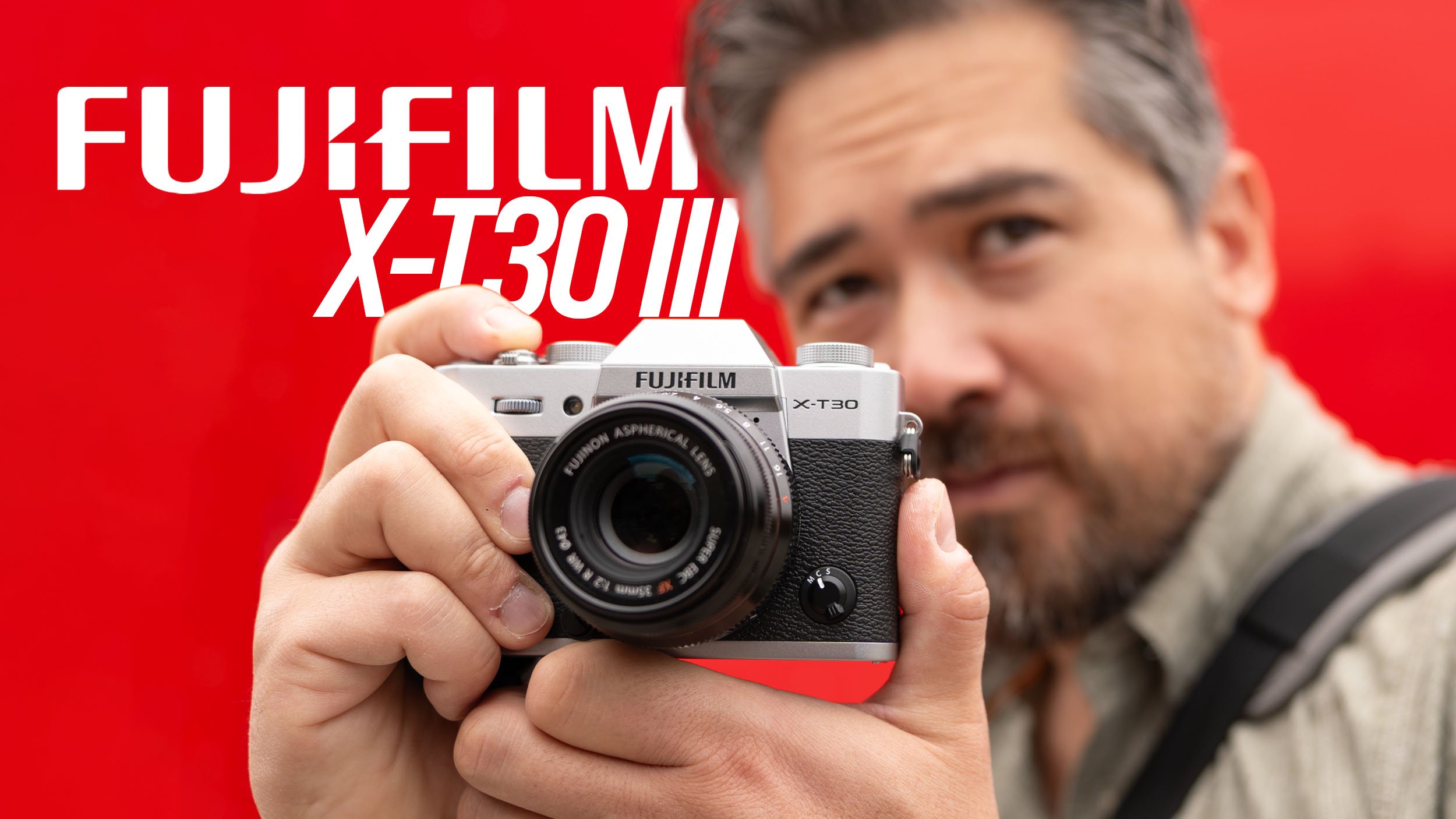
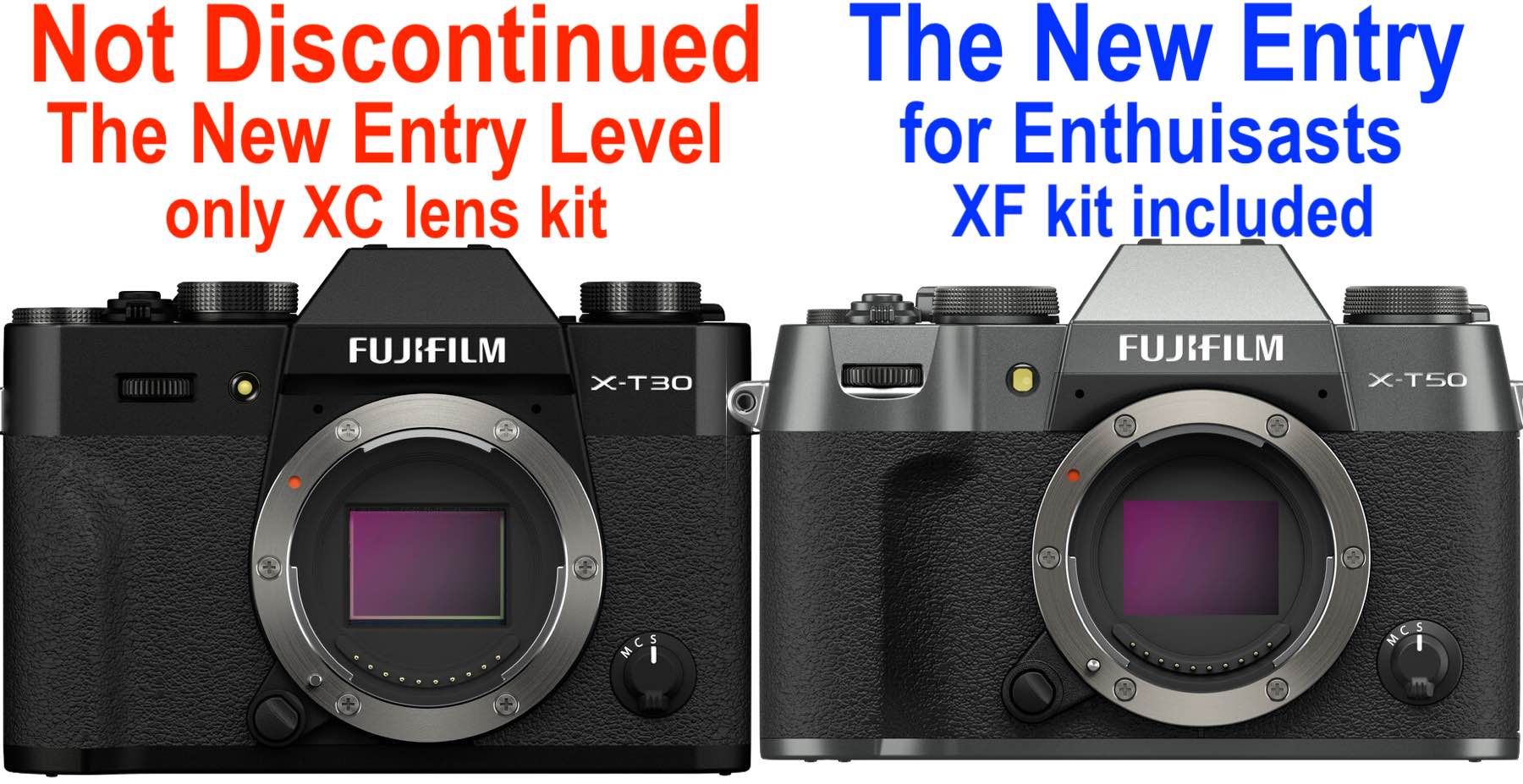
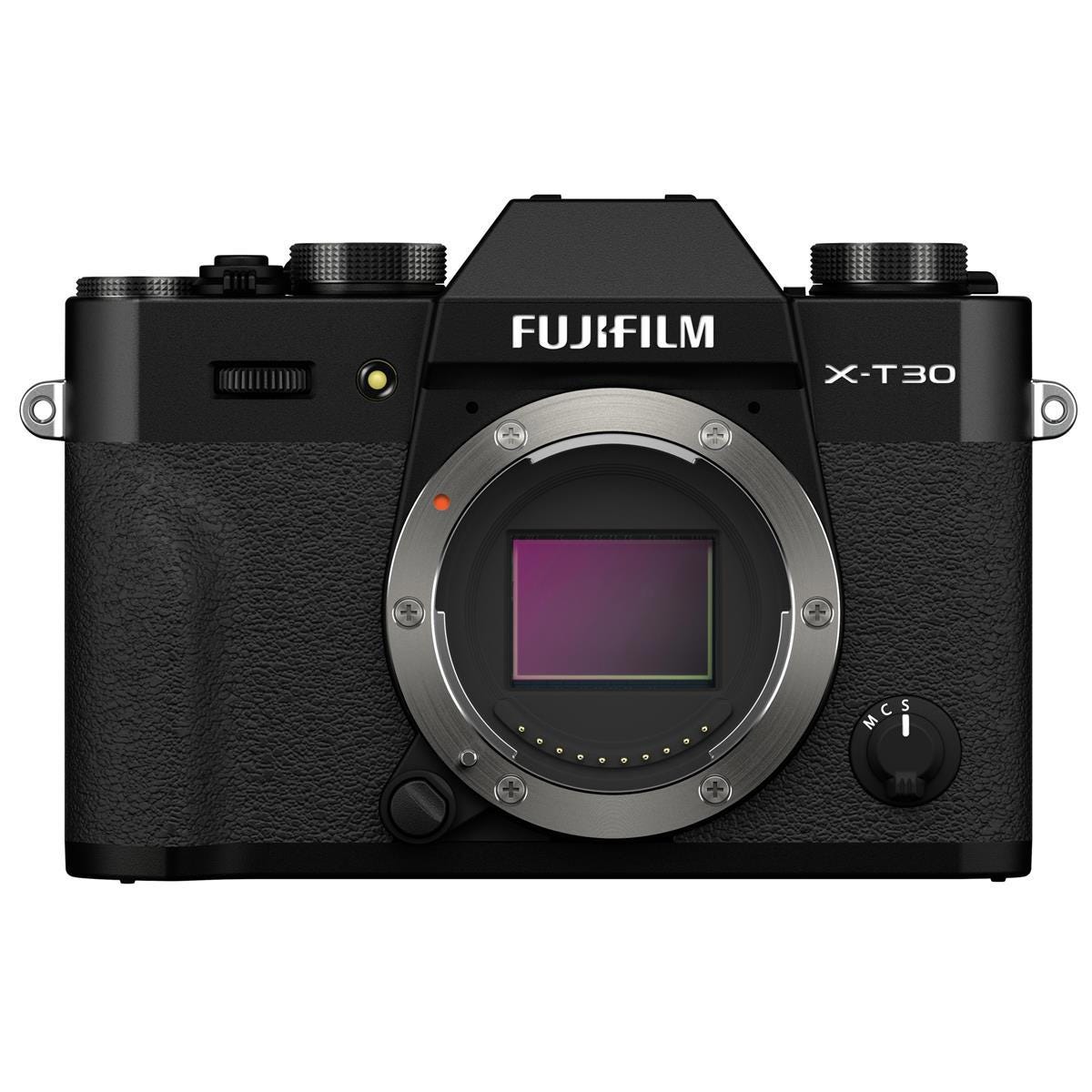
The Fujifilm X-T30 II is a compact, high-performance mirrorless camera built around the Fujifilm X-Mount system. Because it uses an APS-C sensor with a 1.5x crop factor, its lens ecosystem includes a wide variety of dedicated XF and XC lenses designed to maximize sharpness, color rendering, and portability without compromising optical quality.
Understanding the Fujifilm X-T30 II Lens Ecosystem and Crop Factor
When evaluating the lens ecosystem for the Fujifilm X-T30 II, the foundational characteristic to understand is its APS-C sensor size. Unlike full-frame cameras, the X-T30 II applies a 1.5x crop factor to the focal length of any attached lens. This means a 23mm prime lens yields a full-frame equivalent field of view of approximately 35mm, while a 50mm lens behaves like a traditional 75mm short telephoto portrait lens.
This sensor dimension dictates the physical design of the camera and its compatible glass. Fujifilm’s X-Mount was engineered specifically for APS-C sensors, allowing both the camera body and the native lenses to remain remarkably lightweight and compact compared to their full-frame counterparts. This balance of high-end image processing—inherited from higher-end models like the X-T4—and diminutive physical dimensions makes the X-T30 II a favorite for street photography, travel documentation, and casual everyday carry.
Furthermore, the lens lineup is split primarily into two tiers: the XF series and the XC series. XF lenses represent Fujifilm’s premium optical engineering, featuring robust metal construction, physical aperture rings on most models, and weather resistance on select high-end variants. XC lenses are designed as a more affordable, lightweight alternative, utilizing polycarbonate barrels and omitting physical aperture rings to reduce weight and cost while maintaining optical clarity.
Native Lens Classifications: Primes vs. Zooms for the X-T30 II
Choosing the right glass for the Fujifilm X-T30 II requires balancing your shooting style against the optical characteristics of primes and zooms. Prime lenses—lenses with a fixed focal length—offer wider maximum apertures, superior low-light performance, and sharper edge-to-edge resolution at a given price point. Because the X-T30 II body lacks in-body image stabilization (IBIS), pairing it with fast prime lenses that feature wide maximum apertures (such as f/1.4 or f/2) is a popular strategy for capturing sharp images in dim indoor environments or at twilight without relying on excessively high ISO settings.
Zoom lenses, conversely, provide unmatched versatility. Whether you are walking through a busy market or framing a landscape on a hike, a versatile zoom lets you reframe instantly without swapping gear. Fujifilm offers several standard and telephoto zooms that match the compact aesthetic of the X-T30 II, though photographers must weigh the trade-off between physical size and maximum aperture.
The following table compares popular native lens categories suited for the Fujifilm X-T30 II, outlining their primary use cases and physical attributes.
| Lens Category | Example Focal Length (APS-C) | Full-Frame Equivalent | Best Suited For | Typical Aperture Range |
|---|---|---|---|---|
| Ultra-Wide Prime | 14mm or 16mm | 21mm or 24mm | Architecture, landscapes, astrophotography | f/2.8 - f/4 |
| Standard Prime | 23mm or 35mm | 35mm or 50mm | Street photography, documentary, everyday carry | f/1.4 - f/2 |
| Portrait Prime | 56mm or 85mm | 84mm or 128mm | Headshots, close-up details, low-light isolation | f/1.2 - f/1.8 |
| Standard Zoom | 18-55mm | 27-83mm | Travel, general walkaround, casual video | f/2.8 - f/4 |
| Telephoto Zoom | 55-200mm | 83-300mm | Wildlife, sports, distant compressed landscapes | f/3.5 - f/4.8 |
Ergonomics and Balance on a Compact Body
The physical design of the Fujifilm X-T30 II heavily influences how lenses feel in the hand. Weighing roughly 378 grams with a battery and memory card inserted, the camera body features a modest built-in front handgrip. When mounting massive, heavy red-badge zoom lenses—such as the XF 50-140mm f/2.8—the camera can become front-heavy, requiring an optional external handgrip accessory or an L-bracket to maintain a secure, comfortable hold over long shooting sessions.
Conversely, pairing the X-T30 II with Fujifilm’s "f/2 Fujicron" line (including the 23mm f/2, 35mm f/2, and 50mm f/2 lenses) creates a remarkably balanced, lightweight package. These compact primes match the retro aesthetic of the camera body, clear the optical viewfinder or LCD screen without significant obstruction, and allow the entire kit to slide easily into a small shoulder bag or large jacket pocket.
Photographers should also consider how lens barrels interact with external controls. The physical shutter speed and exposure compensation dials on the top plate of the X-T30 II, combined with traditional aperture rings on XF lenses, provide an intuitive, tactile exposure triangle workflow. Ensuring that a chosen lens does not obscure your fingers or require awkward wrist adjustments is essential for fluid, responsive shooting.
Optical Performance, Autofocus Speed, and Firmware Considerations
Optical performance across the Fujifilm X-Mount lineup is generally exceptional, but autofocus (AF) speeds can vary depending on the internal motor design of the specific lens. Older lens designs, such as the original XF 35mm f/1.4, rely on older DC or stepping motors that produce a noticeable audible buzz and slower autofocus acquisition times compared to newer linear motor (LM) designs. For users capturing fast-moving subjects, children, or pets with the X-T30 II's capable autofocus tracking system, pairing the body with lenses featuring linear motors ensures snappy, near-silent focus transitions.
Sharpness and chromatic aberration control are additional factors to evaluate. Fujifilm’s modern optical formulas effectively manage distortion and corner softness, even on high-resolution APS-C sensors. However, wide-open shooting with vintage or first-generation native primes may exhibit slight softness or vignetting, which can be easily corrected in-camera or during post-processing using standard lens profiles in software like Adobe Lightroom or Capture One.
Keeping both your X-T30 II camera body and your lenses updated to the latest firmware is crucial. Fujifilm frequently releases firmware updates that improve autofocus algorithms, enhance tracking stability, and optimize communication between the lens optical stabilization units and the camera processor. Checking the official Fujifilm support portal before undertaking critical shoots ensures maximum operational reliability.
Frequently Asked Questions
Can I use older Fujifilm lenses on the X-T30 II?
Yes. All native X-Mount lenses produced by Fujifilm since the system's inception are fully compatible with the X-T30 II. However, older lenses may have slower autofocus motors and lack weather resistance compared to contemporary weather-sealed counterparts.
Does the X-T30 II have in-body image stabilization (IBIS)?
No, the Fujifilm X-T30 II relies exclusively on optical image stabilization (OIS) built into specific lenses. If you shoot video or handheld low-light photography without a tripod, selecting lenses with designated OIS switches will significantly reduce unwanted camera shake.
Are third-party lenses available for this camera mount?
Yes. Independent manufacturers like Sigma, Tamron, Viltrox, and Samyang offer autofocus and manual focus lenses designed specifically for the Fujifilm X-Mount, providing budget-friendly alternatives to native Fujifilm glass.
How does the 1.5x crop factor affect my lens choices?
The 1.5x crop factor means you must multiply the focal length of any attached lens by 1.5 to find its full-frame equivalent field of view. A 35mm lens on the X-T30 II provides the framing equivalent of a 52.5mm lens on a full-frame camera.
What is the best starter lens for a beginner using this camera?
The classic XF 18-55mm f/2.8-4 R LM OIS zoom lens is widely considered the best all-around starter lens. It offers a versatile focal range, a bright maximum aperture at the wide end, built-in stabilization, and sharp optical performance suitable for learning photography.
Conclusion and Next Actions
Selecting glass for the Fujifilm X-T30 II comes down to matching your creative priorities—whether that is ultimate low-light performance with a fast prime or all-in-one travel convenience with a zoom. Review your primary shooting subjects, assess whether you require weather resistance or optical image stabilization, and test different focal lengths to find the ideal balance of weight and capability for your kit.