The 1990s represented a commercial and cultural zenith for country music, a decade where the genre transitioned from a niche regional sound to a dominant force on the global pop charts. This era was defined by a massive influx of new talent who blended traditional instrumentation with polished, crossover-ready production, creating a sound that appealed to suburban and urban audiences alike. The artists who emerged during this period did not merely record hit songs; they fundamentally altered the landscape of the music industry by breaking down long-standing barriers between country and pop.
The Rise of the New Traditionalists and Global Superstars
The 1990s country explosion, often referred to by historians as the "Class of '89" and the years immediately following, was driven by a specific shift in marketing and aesthetic. Artists began to embrace a more professional, stadium-ready presentation. For the first time in history, country albums were regularly selling in the multi-platinum range, and country music videos became staples on channels like CMT and VH1. The ten artists profiled below represent the primary architects of this decade, each contributing a unique element to the cultural fabric of the 90s.
1. Garth Brooks
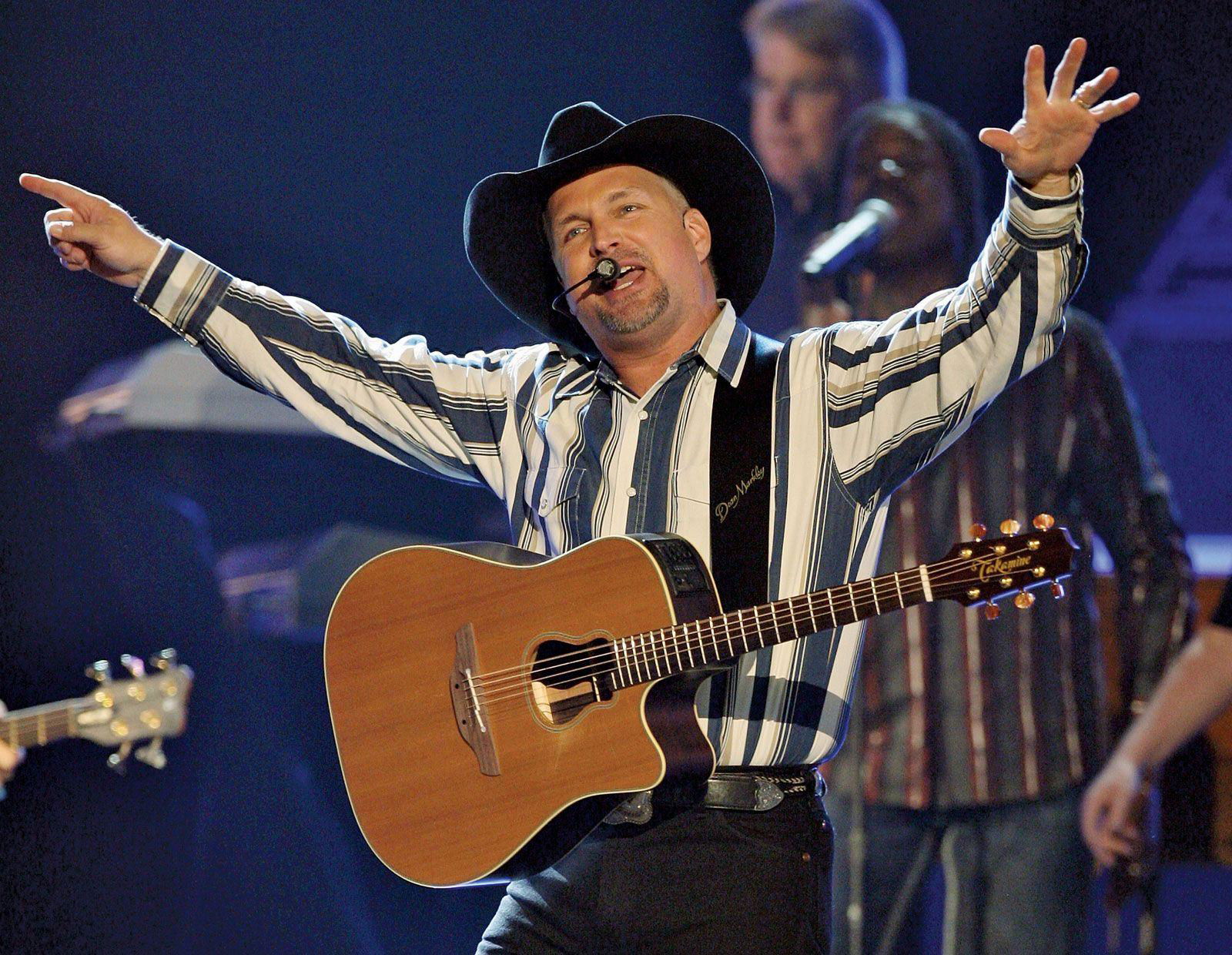
Garth Brooks is arguably the most influential figure in country music history regarding commercial output. By incorporating the high-energy performance style of rock acts like Queen and KISS into his live shows, Brooks expanded the demographic of the country music audience. His 1990 album No Fences became a cultural phenomenon, selling over 17 million copies in the United States alone. He proved that country artists could command stadium-sized venues, setting a new benchmark for touring and album sales.
2. Shania Twain
Shania Twain transformed the genre’s sound in the mid-to-late 90s by working with producer Mutt Lange. Her 1997 album Come On Over remains the best-selling country album of all time and the best-selling studio album by a solo female artist. Twain’s music, characterized by pop-glossed production and anthemic songwriting, served as a bridge that allowed country music to enter the global pop consciousness with unprecedented intensity.
3. Alan Jackson
While many of his contemporaries leaned toward pop, Alan Jackson remained the anchor for the "neotraditionalist" movement. With his distinct Georgia baritone and a commitment to honky-tonk roots, Jackson provided a necessary balance to the era’s pop-crossover trend. His massive run of number-one hits throughout the decade established him as the standard-bearer for traditional songwriting and instrumental integrity.
4. George Strait
Known as "The King of Country," George Strait maintained an incredible level of consistency throughout the 90s. While others chased trends, Strait continued to release polished, traditional-leaning records that resonated with the core country radio audience. His ability to release a steady stream of chart-topping hits year after year provided the genre with a sense of stability during a period of rapid evolution.
5. Reba McEntire
By the 1990s, Reba McEntire was already an established star, but she used the decade to solidify her status as an entertainment powerhouse. Beyond her music, which featured narrative-heavy songs that often centered on themes of female empowerment, McEntire became a successful actress and entrepreneur. Her influence during the 90s helped pave the way for future female artists to pursue multi-faceted careers in the entertainment industry.
6. Tim McGraw
Tim McGraw burst onto the scene in the early 90s and became the voice of a new generation of country fans. His 1994 breakout hit "Indian Outlaw" and his subsequent string of chart-topping ballads defined the sound of late-90s country radio. McGraw’s ability to balance introspective, heartfelt tracks with upbeat, radio-friendly anthems made him one of the most reliable hitmakers of the decade.
7. Brooks & Dunn
The duo of Kix Brooks and Ronnie Dunn fundamentally changed the landscape of country performance. They brought a high-octane, western-swing-infused sound that revived line dancing and energized the live music scene. Their debut album, Brand New Man (1991), produced multiple number-one hits and set a standard for what a country duo could achieve, proving that energetic, personality-driven acts were essential to the genre's growth.
8. Faith Hill
Faith Hill became the definitive crossover superstar of the late 1990s. Her evolution from a traditional country singer into a polished pop-country icon was highlighted by the massive success of her 1999 album Breathe. Her vocal range and sophisticated visual style made her a household name, demonstrating how country artists could navigate the complex transition into mainstream pop stardom without losing their core audience.
9. Vince Gill
Vince Gill’s contribution to the 90s was rooted in his extraordinary musicality. A world-class guitarist and songwriter, Gill brought a level of technical prowess to country music that was rarely matched. His songs, often characterized by intricate arrangements and emotional resonance, earned him a record-breaking number of CMA Awards. He proved that musical sophistication and technical skill were highly valued by the mainstream country audience.
10. Trisha Yearwood
Trisha Yearwood emerged as the quintessential vocalist of the 1990s. With her debut single "She's in Love with the Boy" in 1991, she proved that powerful, story-driven country music could dominate the charts. Yearwood’s commitment to high-quality songwriting and her ability to handle both power ballads and uptempo tracks made her a critical favorite and a commercial giant, cementing her place as a defining voice of the era.
Comparative Analysis of 90s Country Icons
The following table highlights the distinct contributions of these artists, illustrating why they were pivotal to the decade's success.
| Artist | Primary Impact | Signature Style |
|---|---|---|
| Garth Brooks | Stadium-rock influence | Arena country/Crossover |
| Shania Twain | Global pop integration | Pop-country hybrid |
| Alan Jackson | Traditionalist anchor | Honky-tonk/Neotraditional |
| George Strait | Chart consistency | Neo-western swing |
| Reba McEntire | Career diversification | Storyteller/Balladeer |
| Tim McGraw | Modern radio sound | Heartland rock-country |
| Brooks & Dunn | Live performance energy | Western swing/Upbeat |
| Faith Hill | Crossover mainstreaming | Adult contemporary/Pop |
| Vince Gill | Technical musicality | Guitar-led melodic country |
| Trisha Yearwood | Vocal excellence | Narrative/Power ballad |
Cultural Context and Industry Shifts
The 90s was not just about the singers themselves; it was about the infrastructure supporting them. The emergence of the SoundScan system in 1991 for tracking music sales revealed that country music was significantly more popular than previous manual counting methods suggested. This revelation forced radio stations and record labels to invest heavily in the genre, creating a self-sustaining cycle of success.
Furthermore, the 90s saw the democratization of country music through technology. The rise of home video and digital music videos allowed rural and urban fans to consume the same media simultaneously. The stylistic shift toward "country-pop" was a calculated move by label executives to increase profitability, but it was successful because the artists—particularly those listed above—possessed the charisma to carry the new sound to a wider public.
Common Questions Regarding the 90s Country Boom
Why is the 90s considered the "Golden Era" of country music? It is considered the golden era because it marked the point where country music achieved unprecedented sales and mainstream cultural relevance. The combination of strong songwriting, professional production, and a booming economy allowed the genre to capture a massive portion of the American music market.
What was the "Class of 89" in country music? The "Class of 89" refers to a group of artists including Garth Brooks, Alan Jackson, Clint Black, and Travis Tritt who all broke through simultaneously. They were credited with moving the genre away from the "urban cowboy" sound of the 80s and back toward a more traditional base, which ultimately laid the foundation for the 90s explosion.
How did music videos influence 90s country singers? Channels like CMT (Country Music Television) provided a visual platform that allowed artists to cultivate a persona beyond their audio recordings. Artists like Shania Twain and Garth Brooks used high-concept videos to market themselves to younger demographics, effectively turning country singers into pop icons.
Did 90s country singers face criticism for their sound? Yes, purists frequently criticized the move toward "pop-country" or "stadium country," arguing that the genre was losing its gritty, honky-tonk roots. This tension between tradition and evolution remains a hallmark of country music history, but the commercial success of the era silenced many critics at the time.
Where can one listen to the definitive sound of the 90s? To capture the true essence of this era, one should explore the studio albums released between 1990 and 1999. Compilations curated by major labels often feature these artists, but listening to full albums like No Fences or Come On Over provides a better understanding of how these artists shaped the sonic landscape.
Final Recommendation for Enthusiasts
If you want to understand the 90s country era, start by listening to the landmark albums mentioned in this guide. Focus on the debut records of the "Class of 89" alongside the late-90s crossover successes of Shania Twain and Faith Hill. By comparing the traditionalist approach of George Strait with the arena-pop approach of Garth Brooks, you will gain a comprehensive understanding of the dynamic tension that fueled this golden decade of country music.