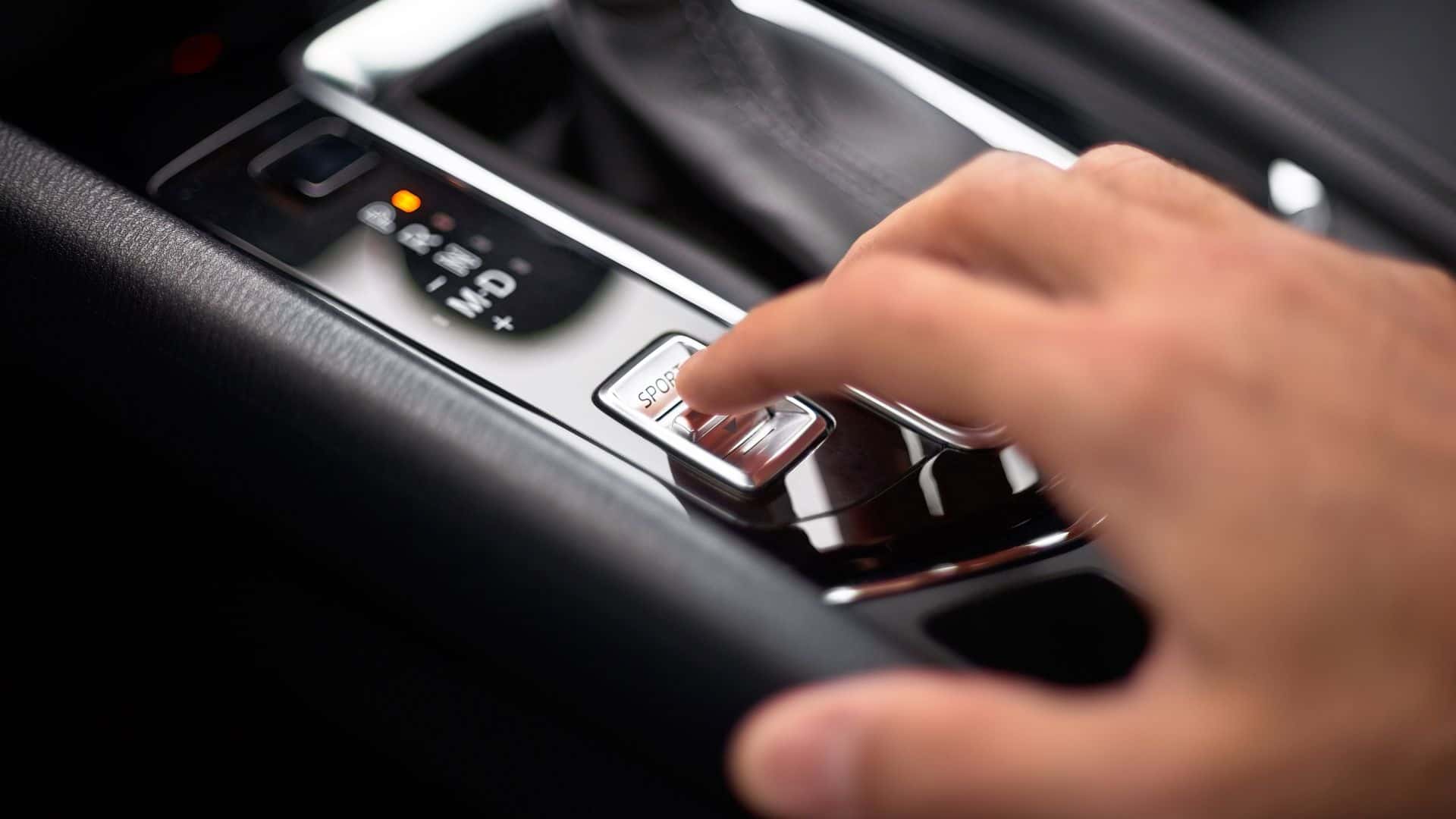
Sport Mode on a Toyota RAV4 is a performance-oriented driving setting that modifies the vehicle's powertrain and steering calibration to prioritize responsiveness and acceleration. By increasing throttle sensitivity, holding transmission gears longer, and adding weight to the steering feel, Sport Mode transforms the RAV4’s behavior for highway merging, overtaking, or spirited driving on winding roads.
The Toyota RAV4 has long been a benchmark in the compact SUV segment, known primarily for its reliability, utility, and fuel efficiency. However, as Toyota has expanded the RAV4 lineup to include more powerful Hybrid and Plug-in Hybrid (Prime) variants, the inclusion of distinct driving modes has become a central part of the ownership experience. Understanding how Sport Mode functions—and how it differs across various powertrain configurations—is essential for maximizing the utility of this versatile vehicle.
The Engineering Behind Sport Mode: How It Alters the Vehicle
When you engage Sport Mode in a RAV4, you aren't physically changing the engine's hardware; instead, you are requesting the Electronic Control Unit (ECU) and the Transmission Control Module (TCM) to adopt a more aggressive software map. This change affects several key systems simultaneously to create a more "connected" feel between the driver and the road.
Throttle Mapping and Sensitivity
In "Normal" or "Eco" modes, there is often a slight, intentional delay between the moment you press the accelerator and the moment the engine responds. This is designed to smooth out jerky movements and optimize fuel consumption. In Sport Mode, this "buffer" is significantly reduced. The throttle mapping becomes much more linear and aggressive. A 25% depression of the pedal in Sport Mode might yield the same engine output as a 50% depression in Eco Mode. This makes the car feel significantly faster off the line and more eager to accelerate out of corners.
Transmission Logic and Shift Points
For gasoline-powered RAV4 models equipped with the 8-speed automatic transmission, Sport Mode fundamentally changes the shifting strategy. Under normal conditions, the TCM is programmed to upshift as early as possible to keep the engine RPMs low, which saves fuel.
In Sport Mode, the transmission holds onto gears for a longer duration, allowing the engine to climb higher into its power band. By keeping the RPMs higher, the engine remains closer to its peak torque and horsepower ratings. Furthermore, the transmission becomes more willing to downshift. If you tap the brakes or slightly increase throttle pressure, the system quickly drops a gear to ensure you have immediate power available for an exit or a pass.
Electric Motor Integration (Hybrid and Prime Models)
On RAV4 Hybrid and Prime models, Sport Mode manages the relationship between the internal combustion engine and the electric motors. In these models, the electric motors provide instantaneous torque. Sport Mode instructs the hybrid system to use the battery reserves more liberally to assist the engine during acceleration.
In the RAV4 Prime specifically, which boasts over 300 horsepower, Sport Mode optimizes the synergy between the 2.5L engine and the high-output motors. It ensures that the transition between electric and gasoline power is as seamless as possible while maximizing total system output. Additionally, the regenerative braking feel may be adjusted to provide a slight "engine braking" sensation, mimicking a traditional sports car.
Steering Weight and Feedback
Modern RAV4s utilize Electric Power Steering (EPS). Unlike older hydraulic systems, EPS can be tuned via software. When Sport Mode is activated, the system reduces the amount of steering assist provided to the driver. This makes the steering wheel feel "heavier" or firmer. While this doesn't change the actual turning radius of the car, it provides the driver with more tactile feedback and a greater sense of stability at high speeds, which is particularly useful when navigating twisty mountain passes or maintaining a steady line on the highway.
Activating and Identifying Sport Mode
The method for engaging Sport Mode varies slightly depending on the model year and trim level of the RAV4, but it generally follows a consistent Toyota design language.
- The Drive Mode Dial/Buttons: On most current-generation RAV4s (2019–2026), you will find a circular dial or a series of buttons on the center console, typically located near the gear shifter. Turning the dial to the right (clockwise) usually activates Sport Mode. On some trims, there is a dedicated "Sport" button.
- Visual Indicators: Once engaged, the vehicle provides immediate visual feedback. On the digital instrument cluster, the theme usually shifts to a red color palette. A "SPORT" icon will appear prominently on the Multi-Information Display (MID). In some models, the tachometer becomes more prominent, signaling that the vehicle is ready for higher-RPM operation.
- Returning to Normal: To exit Sport Mode, you can either press the "Normal" button, turn the dial back to the center, or simply turn the vehicle off. Most RAV4 models default back to "Normal" or the last used non-performance mode upon a fresh start to prioritize fuel efficiency.
Practical Scenarios: When Should You Use Sport Mode?
While it might be tempting to leave the vehicle in Sport Mode at all times for the added responsiveness, it is specifically optimized for certain driving conditions.
Highway Merging and Overtaking
The most practical use for Sport Mode is when you need a sudden burst of speed. Merging onto a fast-moving freeway requires the vehicle to reach 65+ mph quickly. By engaging Sport Mode, you ensure the transmission stays in a lower gear and the throttle responds instantly, allowing you to match the speed of traffic with less effort. Similarly, when passing a slower vehicle on a two-lane road, Sport Mode provides the confidence that the power will be there the moment you step on the gas.
Winding and Mountain Roads
When driving through canyons or mountainous terrain, a standard "Eco" or "Normal" setting can sometimes feel sluggish, as the car constantly tries to upshift to save fuel while gravity is working against it. Sport Mode prevents "gear hunting" by holding the gear longer. The firmer steering also aids in precision when navigating tight turns, making the SUV feel more composed and less prone to the "floaty" sensation sometimes associated with high-clearance vehicles.
Towing and Heavy Loads
Although the RAV4 has a dedicated "Tow/Haul" logic in some configurations, Sport Mode can be beneficial when carrying a full load of passengers and cargo. The increased RPMs and more aggressive shift points help the engine stay in its "sweet spot," preventing the vehicle from feeling bogged down by the extra weight.
The Trade-offs: Fuel Economy and Wear
There is no such thing as a "free" performance boost in internal combustion engines. The primary trade-off for the responsiveness of Sport Mode is fuel efficiency.
Fuel Consumption
Because Sport Mode keeps the engine at higher RPMs and reduces the frequency of upshifting into "overdrive" gears, the engine burns more fuel. In stop-and-go city traffic, leaving a RAV4 in Sport Mode can result in a noticeable drop in MPG (miles per gallon). For Hybrid owners, Sport Mode may also lead to the gasoline engine running more frequently than it would in Eco or Normal modes, as the system prioritizes power delivery over battery conservation.
Long-term Mechanical Considerations
A common question among owners is whether Sport Mode "hurts" the car. Under normal operating conditions, Sport Mode is a factory-engineered setting and will not cause immediate damage to the engine or transmission. However, consistently driving at high RPMs increases the thermal load on the engine and leads to faster degradation of engine oil and transmission fluid. If you use Sport Mode for the majority of your driving, it is advisable to follow the "Severe Weather/Conditions" maintenance schedule, which typically involves more frequent oil changes.
Comparing Drive Modes: A Technical Overview
To better understand where Sport Mode fits in the RAV4’s ecosystem, it is helpful to compare it directly with the other available modes.
| Feature | Eco Mode | Normal Mode | Sport Mode | Trail Mode (AWD) |
|---|---|---|---|---|
| Throttle Response | Relaxed/Lagged | Balanced | Instant/Aggressive | Balanced |
| Transmission | Early Upshifts | Standard Logic | Holds Gears Longer | Optimized for Traction |
| Steering Feel | Light/Easy | Standard | Firm/Heavy | Standard |
| A/C Performance | Reduced (to save fuel) | Full | Full | Full |
| AWD Distribution | Front-biased | Predictive | Rear-biased (Spirited) | Brake-Actuated LSD |
| Ideal Use Case | City Traffic/Cruising | Everyday Driving | Merging/Mountain Roads | Off-road/Loose Soil |
Sport Mode in the RAV4 Hybrid and Prime
The implementation of Sport Mode in the Hybrid and Prime variants deserves special mention due to the complexity of the Electronic Continuously Variable Transmission (eCVT). Unlike the 8-speed automatic in the gas RAV4, the eCVT doesn't have physical gears to "hold."
In these models, "holding a gear" is simulated by the ECU. It maintains a specific ratio between the engine and the motors to keep the engine speed high. Furthermore, in the RAV4 Prime, Sport Mode maximizes the discharge rate of the lithium-ion battery. This allows the electric motors to provide their maximum torque (up to 199 lb-ft from the front motor alone) immediately. For many drivers, the Sport Mode on a Hybrid or Prime feels even more dramatic than on the gas model because of this instant electric torque.
Common Misconceptions and Troubleshooting
"Does Sport Mode make the car go faster?" Technically, Sport Mode does not increase the maximum horsepower or torque the engine is capable of producing. Instead, it makes that power more accessible. It reaches peak power faster and stays there longer. Your top speed remains the same, but your 0-60 mph time may see a slight improvement because the transmission and throttle are optimized for the task.
"Can I switch into Sport Mode while driving?" Yes. You can switch between Eco, Normal, and Sport modes at any speed while the vehicle is in motion. The ECU will seamlessly adjust the parameters. If you are at a steady cruise and switch to Sport, you will likely feel the car downshift and hear the engine RPMs increase immediately.
"Why does my Sport Mode turn off automatically?" Toyota designs the RAV4 to be an efficiency-first vehicle. In many model years, the car will default back to "Normal" mode after a power cycle (turning the car off and on). This is a safety and regulatory feature to ensure the vehicle meets its advertised EPA fuel economy ratings, which are typically calculated based on the default driving mode.
Summary of Driver Benefits
The inclusion of Sport Mode turns the RAV4 from a utilitarian commuter into a more capable and engaging vehicle. While it is not a "race car" setting, it provides the necessary mechanical adjustments to handle demanding driving situations with ease.
- Enhanced Safety: Faster throttle response means safer merging and overtaking.
- Increased Confidence: Firmer steering provides better control during high-speed maneuvers.
- Versatility: Allows a single vehicle to transition from an fuel-sipping grocery getter to a capable mountain climber.
Expert Recommendation
For the average RAV4 owner in 2026, the best way to utilize Sport Mode is situationally. Use it as a tool for specific tasks: when you see a short on-ramp, when you’re driving through a hilly area, or when you simply want a more engaging drive on a weekend trip. For daily commuting in heavy traffic, "Normal" or "Eco" remains the superior choice for comfort and fuel savings. If you drive a Hybrid or Prime, experiment with Sport Mode to feel the impressive synergy of electric and gas power, but be mindful of your battery state of charge if you plan on extended spirited driving.
FAQs
Does using Sport Mode all the time void my warranty? No, using a factory-installed driving mode does not void your vehicle's warranty. Toyota engineers these modes to operate within the safe mechanical limits of the engine and transmission. However, if you drive aggressively enough to cause premature wear, you may find yourself performing maintenance tasks (like brake or tire replacements) more frequently.
Is Sport Mode the same as 'S' on the gear shifter? Not exactly. On the gear shifter, "S" typically stands for "Sequential" or "Shift." Moving the lever to "S" allows you to manually select gear ranges (or simulated gear ratios in a Hybrid). While "S" can be used for performance, "Sport Mode" is a comprehensive system change that affects steering and throttle mapping, whereas the "S" position on the shifter focuses primarily on the transmission.
Does Sport Mode work when the battery is low in a RAV4 Hybrid? Yes, but the effect may be slightly diminished. In a Hybrid, Sport Mode relies on a combination of the engine and the electric motor. If the hybrid battery is at a very low state of charge, the system may prioritize using the engine to both propel the car and recharge the battery, which can slightly reduce the "zip" you feel during initial acceleration.
Can I use Sport Mode in the snow? It is generally not recommended to use Sport Mode on slippery or icy surfaces. The increased throttle sensitivity can make it easier to lose traction and spin the tires. For snowy conditions, "Normal" or "Eco" (or "Snow Mode" if equipped) is better, as these modes provide smoother, more controlled power delivery that helps prevent tires from breaking loose.