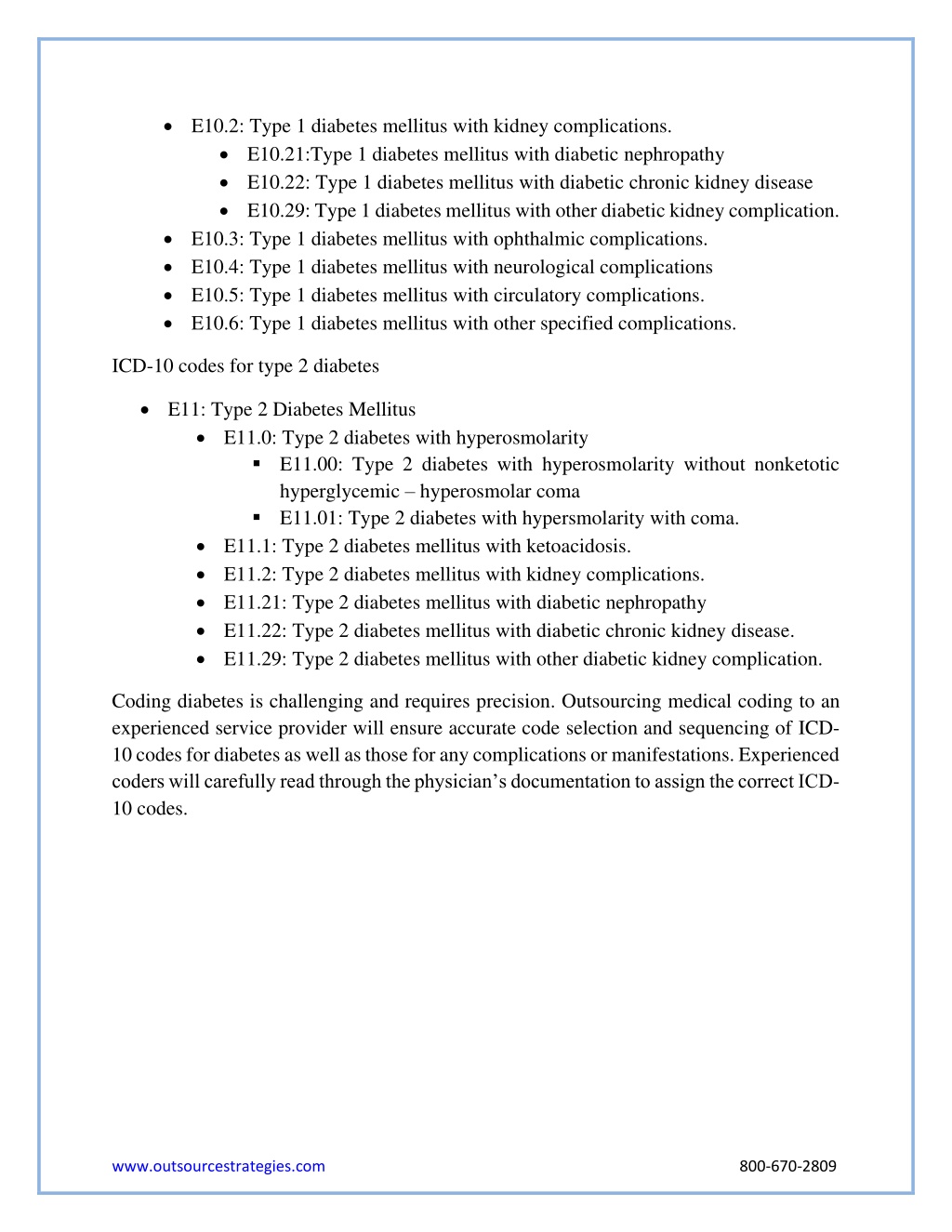
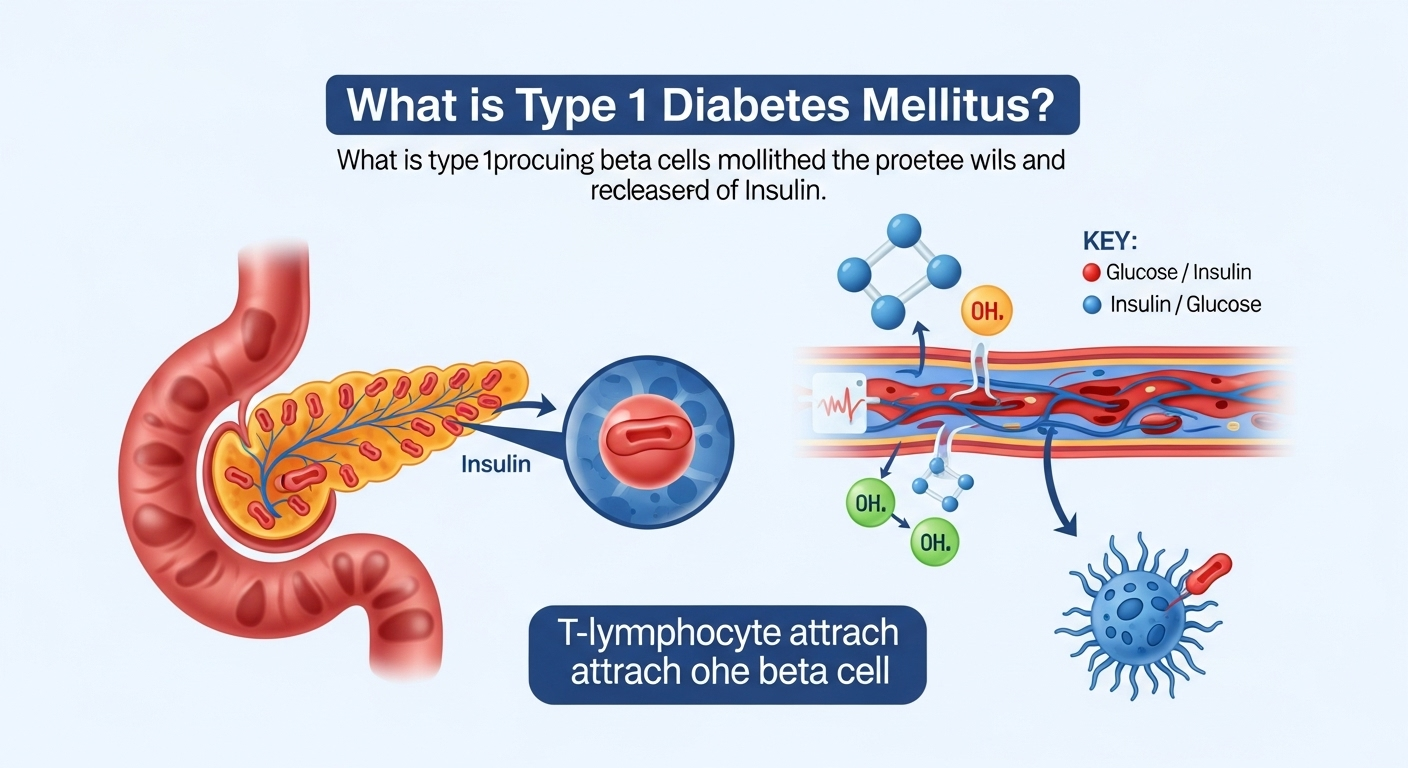
The ICD-10 code E11 represents Type 2 diabetes mellitus, a category used by healthcare providers and medical billers to identify and process claims for patients with this condition. This classification requires high precision, as E11 serves as a parent category for numerous sub-codes that designate specific complications and the current clinical status of the patient’s metabolic health.
The Role of ICD-10 in Modern Healthcare
The International Classification of Diseases, 10th Revision (ICD-10), is the global standard for diagnostic coding, used to track health trends and facilitate accurate insurance billing. In the United States, the Clinical Modification (ICD-10-CM) is the specific system maintained by the National Center for Health Statistics (NCHS) under the Centers for Disease Control and Prevention (CDC).
When a physician diagnoses a patient with Type 2 diabetes mellitus, they are not simply selecting a single code. Instead, they must navigate the E11 category to find the specific alphanumeric string that accurately describes the patient’s clinical presentation. Accuracy here is vital; an incorrect code can lead to denied insurance claims, auditing issues, or skewed data regarding population health management.
Decoding the Structure of E11
The E11 code family is designed to be hierarchical. The root "E11" indicates "Type 2 diabetes mellitus." However, the system requires the coder to document the presence or absence of complications. A diagnosis of E11.9, for example, indicates Type 2 diabetes mellitus without complications, whereas codes like E11.2 (kidney complications) or E11.4 (neurological complications) provide a much more granular view of the patient’s health trajectory.
For a code to be considered "billable," it must reach its highest level of specificity. Generally, this means a four-to-five-character code. Using a three-character code (like E11) for billing purposes is considered invalid in most professional medical settings because it lacks the necessary clinical depth to justify medical necessity for treatments or pharmaceutical interventions.
Clinical Documentation Prerequisites
Before a code is assigned, the underlying medical record must support the diagnosis. Documentation should clearly state "Type 2 diabetes mellitus" rather than just "diabetes." In cases where the documentation is unclear, clinical coders must query the provider to clarify whether the patient has Type 1, Type 2, or another form of glucose intolerance.
Key elements that should be present in the medical record include:
- Current Metabolic Control: Documentation regarding whether the diabetes is "uncontrolled," "poorly controlled," or in "remission."
- Presence of Complications: Detailed notes on end-organ damage, such as diabetic neuropathy, nephropathy, retinopathy, or peripheral circulatory issues.
- Associated Conditions: Documentation of long-term insulin use or other medication requirements, which often necessitate additional Z-codes (factors influencing health status).
Navigating the Hierarchy of E11 Codes
The complexity of Type 2 diabetes requires a systematic approach to coding. The following table illustrates how the classification system branches out based on secondary manifestations.
| Code Range | Clinical Focus | Examples |
|---|---|---|
| E11.0- | With Hyperosmolarity | Coma or ketoacidosis associated with T2DM |
| E11.2- | With Kidney Complications | Diabetic nephropathy or chronic kidney disease |
| E11.3- | With Ophthalmic Complications | Retinopathy or macular edema |
| E11.4- | With Neurological Complications | Diabetic polyneuropathy or autonomic neuropathy |
| E11.5- | With Circulatory Complications | Peripheral angiopathy or gangrene |
| E11.6- | With Other Specified Complications | Foot ulcers or skin complications |
| E11.8- | With Unspecified Complications | Diabetes with non-specific organ damage |
| E11.9 | Without Complications | Diabetes managed without identified secondary systemic issues |
Common Coding Challenges and Errors
The most frequent error in coding Type 2 diabetes is the "code creep" or "upcoding" scenario, where a provider inadvertently selects a code with complications when the record only supports a diagnosis of uncomplicated diabetes. Conversely, under-coding occurs when a patient presents with multiple chronic issues stemming from their diabetes, but the clinician only captures the primary E11.9 code.
Another common mistake involves the sequencing of codes. If a patient is seen for a foot ulcer related to their diabetes, the diabetes code (E11.621) is typically sequenced as the primary diagnosis, followed by the specific ulcer code. Failing to follow the "manifestation" rules outlined in the ICD-10 guidelines can lead to rejections from insurance payers who expect to see the underlying cause linked to the symptomatic condition.
The Significance of "Long-term Use" Coding
When a patient with Type 2 diabetes is on a regimen of insulin or oral hypoglycemic medications, the coding process often requires the addition of a secondary code to reflect this status. The code Z79.4, "Long term (current) use of insulin," is frequently appended to the E11 code to provide a complete picture of the therapeutic landscape. This helps payers determine the necessity of diabetic supplies, such as test strips, lancets, or continuous glucose monitors.
Managing Coding for Uncontrolled Diabetes
When a patient's A1c levels remain high, the provider may document the condition as "uncontrolled." In the ICD-10 system, this often leads to the selection of codes that reflect a lack of glycemic control. It is critical that the medical record explicitly mentions "uncontrolled" or "inadequately controlled" to justify the use of these specific codes. Using an "uncontrolled" code without supporting laboratory evidence or physician documentation constitutes a compliance risk.
Impact on Patient Care and Analytics
While ICD-10 codes are often viewed through the lens of billing, they perform a crucial role in clinical analytics. By accurately coding Type 2 diabetes, healthcare organizations can:
- Risk Stratification: Identify high-risk patients who require intensive care management programs.
- Outcome Tracking: Measure the effectiveness of specific treatment protocols over time.
- Public Health Reporting: contribute to the data used by organizations like the World Health Organization (WHO) to track the global burden of metabolic disease.
When a physician uses precise coding, the patient’s electronic health record (EHR) becomes a powerful tool for longitudinal care. For instance, if the primary care provider consistently codes for diabetic neuropathy (E11.40), the system can alert specialists to perform necessary screenings, ensuring that care is proactive rather than reactive.
Frequently Asked Questions
Does a single E11 code cover all diabetes-related conditions? No. E11 is a category. You must use a specific sub-code that identifies the presence or absence of complications. If a patient has multiple complications, you should report the diabetes code and all related complication codes to accurately reflect the patient’s full clinical profile.
Can I use E11.9 for a patient on insulin? E11.9 indicates Type 2 diabetes without complications. If a patient is on insulin, you should use the appropriate E11 code and add the status code Z79.4 to indicate the long-term use of insulin. This does not change the diabetes code itself, but it adds necessary clinical context.
How often should diabetes codes be updated? Coding should be reviewed at every encounter where the patient’s status changes. If a patient develops a new complication, such as retinopathy, the coding for that visit must reflect the updated clinical reality to ensure that the patient’s record and subsequent billing remain accurate.
What is the difference between E11 and E10 codes? E11 represents Type 2 diabetes, while E10 represents Type 1 diabetes. These are fundamentally different conditions with different management paths; therefore, they are strictly separated in the ICD-10 coding structure. Never use E11 for a patient diagnosed with Type 1 diabetes.
What happens if I use an invalid code? Using a code that does not exist or does not reach the required level of specificity will result in a rejected claim from the insurance payer. This leads to administrative delays and may require the medical billing department to manually correct the record based on updated provider documentation.
Final Guidance for Compliance
For healthcare professionals, the integrity of the medical record is the foundation of accurate coding. Ensure that your documentation is legible, specific, and updated during every encounter. If you are uncertain about the correct code for a complex case involving multiple comorbidities, consult the official ICD-10-CM coding guidelines published by the NCHS. By prioritizing accuracy, providers ensure that they are not only getting reimbursed correctly for their services but are also providing a clear, actionable map of the patient’s long-term health journey.