A blood pressure reading of 100/70 mmHg is generally considered to be within the healthy, normal range for most adults. It represents a state where the heart is pumping blood effectively without putting excessive pressure on the arterial walls. However, the interpretation of this reading depends heavily on your baseline, physical condition, and whether you are experiencing symptoms like dizziness or fatigue.
Decoding the Numbers: What 100/70 Actually Means
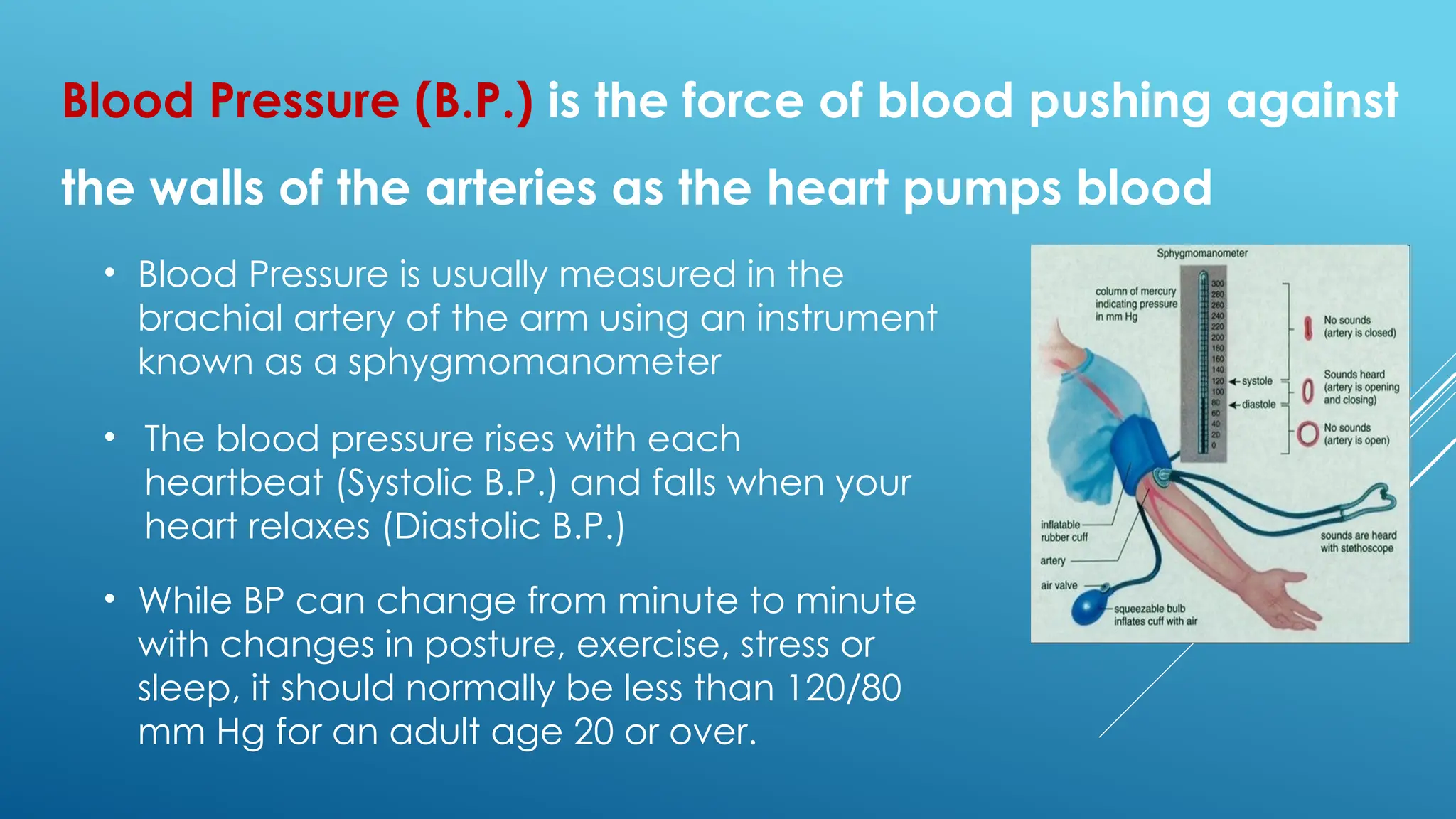
Blood pressure is measured using two distinct values: systolic and diastolic pressure. When you see the numbers 100 and 70, they tell a specific story about your cardiovascular system.
- Systolic Pressure (100 mmHg): This is the top number, representing the pressure in your arteries when your heart muscle contracts and pumps blood out to the rest of the body. A systolic pressure of 100 is on the lower side of the "normal" spectrum, which is typically defined as anything less than 120 mmHg.
- Diastolic Pressure (70 mmHg): This is the bottom number, reflecting the pressure in your arteries when the heart is resting between beats, filling with blood. A diastolic reading of 70 is considered perfectly normal, as the ideal range for this number is typically between 60 and 80 mmHg.
Combined, a reading of 100/70 indicates that your circulatory system is operating under manageable, healthy tension. Unlike high blood pressure (hypertension), which forces the heart to work harder and can damage blood vessels over time, 100/70 provides low resistance for the heart to pump against.
When 100/70 Is Considered "Good"
For many people, a reading of 100/70 is an indicator of excellent cardiovascular health. Athletes, individuals who follow a heart-healthy diet, and those who engage in regular aerobic exercise frequently see resting blood pressure numbers in this range.
If you consistently maintain a reading of 100/70 and feel energetic, alert, and healthy, it is generally viewed as a positive sign. It suggests that your heart is efficient and your arteries are elastic and clear. In medical terms, this is often associated with a lower risk of long-term cardiovascular events like strokes or heart attacks compared to those with readings that consistently push into the "elevated" or "hypertensive" categories (above 120/80).
Evaluating Potential Concerns: When Might It Be "Bad"?
While 100/70 is numerically "normal," context is the deciding factor in whether it is "good" or "bad." A reading only becomes a concern if it represents a significant, sudden drop from your usual baseline, or if it is accompanied by symptoms of hypotension (low blood pressure).
Symptoms to monitor include:
- Dizziness or lightheadedness, particularly when standing up quickly.
- Fainting or feeling as though you might pass out.
- Unexplained fatigue or lack of focus.
- Blurred vision.
- Cold, clammy, or pale skin.
If your blood pressure is typically 130/85 and it suddenly drops to 100/70, your body may struggle to adjust to the change in perfusion, leading to the symptoms above. This change could be caused by dehydration, medication adjustments, blood loss, or an underlying medical condition. In these cases, the number itself is not the problem; the deviation from your norm is what requires attention.
Factors That Influence Your Blood Pressure
Your blood pressure is not a static number; it fluctuates throughout the day based on a variety of internal and external factors. Understanding these helps explain why you might see a 100/70 reading one moment and a 115/75 reading the next.
- Activity Levels: During exercise, your systolic pressure rises to meet the oxygen demands of your muscles. Once you rest, it should return to your baseline.
- Hydration Status: Blood volume is a primary driver of pressure. If you are dehydrated, your blood volume decreases, which can cause blood pressure to trend lower.
- Medications: Beta-blockers, diuretics, and certain anti-anxiety medications are specifically designed to lower blood pressure. If you are on these, 100/70 may be the intended clinical result.
- Age and Biology: Generally, blood pressure tends to rise with age as arteries stiffen. A young, healthy adult might naturally sit at 100/70, whereas an older adult with the same reading might be experiencing a more pronounced effect of medication or lifestyle changes.
- Stress and Anxiety: High stress triggers the release of hormones like adrenaline, which can temporarily spike blood pressure. Conversely, some people experience a "dip" in pressure after a period of intense stress as the body attempts to recalibrate.
Comparative Table: Blood Pressure Categories
The following table provides a general reference for how blood pressure readings are categorized by major health organizations.
| Category | Systolic (mmHg) | Diastolic (mmHg) |
|---|---|---|
| Normal | Less than 120 | Less than 80 |
| Elevated | 120–129 | Less than 80 |
| Hypertension Stage 1 | 130–139 | 80–89 |
| Hypertension Stage 2 | 140 or higher | 90 or higher |
| Hypertensive Crisis | Higher than 180 | Higher than 120 |
Note: This table reflects standard clinical guidelines. A reading of 100/70 falls firmly into the "Normal" category.
When to Seek Medical Advice
If you have concerns about a blood pressure reading of 100/70, start by tracking your vitals over the course of a week. Use a calibrated, validated home monitor and take measurements at the same time each day—preferably in the morning after resting for five minutes.
You should contact a healthcare provider if:
- You experience the symptoms of low blood pressure (dizziness, fainting) mentioned earlier.
- You have recently changed medications or started a new supplement.
- The reading is accompanied by other concerning symptoms like chest pain, shortness of breath, or persistent weakness.
- You have a pre-existing heart condition or are monitoring blood pressure as part of a chronic disease management plan.
Physicians use these logs to determine if a low-normal reading is merely a sign of excellent fitness or if it indicates an underlying issue such as anemia, heart valve problems, or endocrine system imbalances. Never alter your dosage of prescribed blood pressure medication without direct consultation with your doctor.
Frequently Asked Questions
Is 100/70 too low for an elderly person? For an elderly individual, 100/70 is often considered safe provided they are not symptomatic. However, because seniors are more prone to orthostatic hypotension (a drop in pressure upon standing), doctors generally monitor them more closely to ensure that the lower pressure does not increase the risk of falls or dizziness.
Can diet help maintain a healthy 100/70? Yes. A diet rich in whole foods, vegetables, and lean proteins, and low in sodium, helps maintain healthy arterial elasticity. Staying well-hydrated is also essential for keeping blood volume stable, which supports a consistent blood pressure reading.
Why does my monitor give me different results if I take it twice in a row? Minor fluctuations are normal. Your position, the tightness of the cuff, and even a recent meal or cup of coffee can alter the reading by a few points. Always sit quietly for five minutes before measuring to get the most accurate, resting result.
Does 100/70 mean I am at risk for heart failure? No, a reading of 100/70 is not a clinical indicator of heart failure. Heart failure is a complex condition diagnosed through physical exams, imaging, and lab work. In fact, many individuals with cardiovascular efficiency have resting blood pressure in this range.
Should I stop taking my blood pressure medication if I hit 100/70? Absolutely not. If your medication has lowered your blood pressure to 100/70, it means the medication is working. Stopping or changing your dosage without medical supervision can cause a dangerous "rebound" effect, leading to a sudden spike in pressure.
Recommendations for Maintaining Heart Health
Regardless of whether your blood pressure is 100/70 or higher, the goal remains the same: maintaining cardiovascular efficiency. If you are consistently seeing 100/70, you are likely already in a healthy range. To maintain this status:
- Prioritize Consistent Hydration: Water is the simplest tool for maintaining appropriate blood volume.
- Regular Physical Activity: Aim for at least 150 minutes of moderate aerobic activity per week. This keeps the heart muscle strong and the arteries flexible.
- Manage Sodium Intake: Even if your blood pressure is healthy, excessive sodium can lead to fluid retention, which complicates how the heart manages pressure.
- Log Your Trends: If you choose to monitor at home, do not get caught up in a single reading. Look at the weekly and monthly averages. If your trend remains steady around 100/70 and you feel well, continue with your current lifestyle habits.
If you are ever in doubt, a brief visit to a primary care physician in 2026 can provide you with an accurate assessment based on your specific medical history and diagnostic testing.