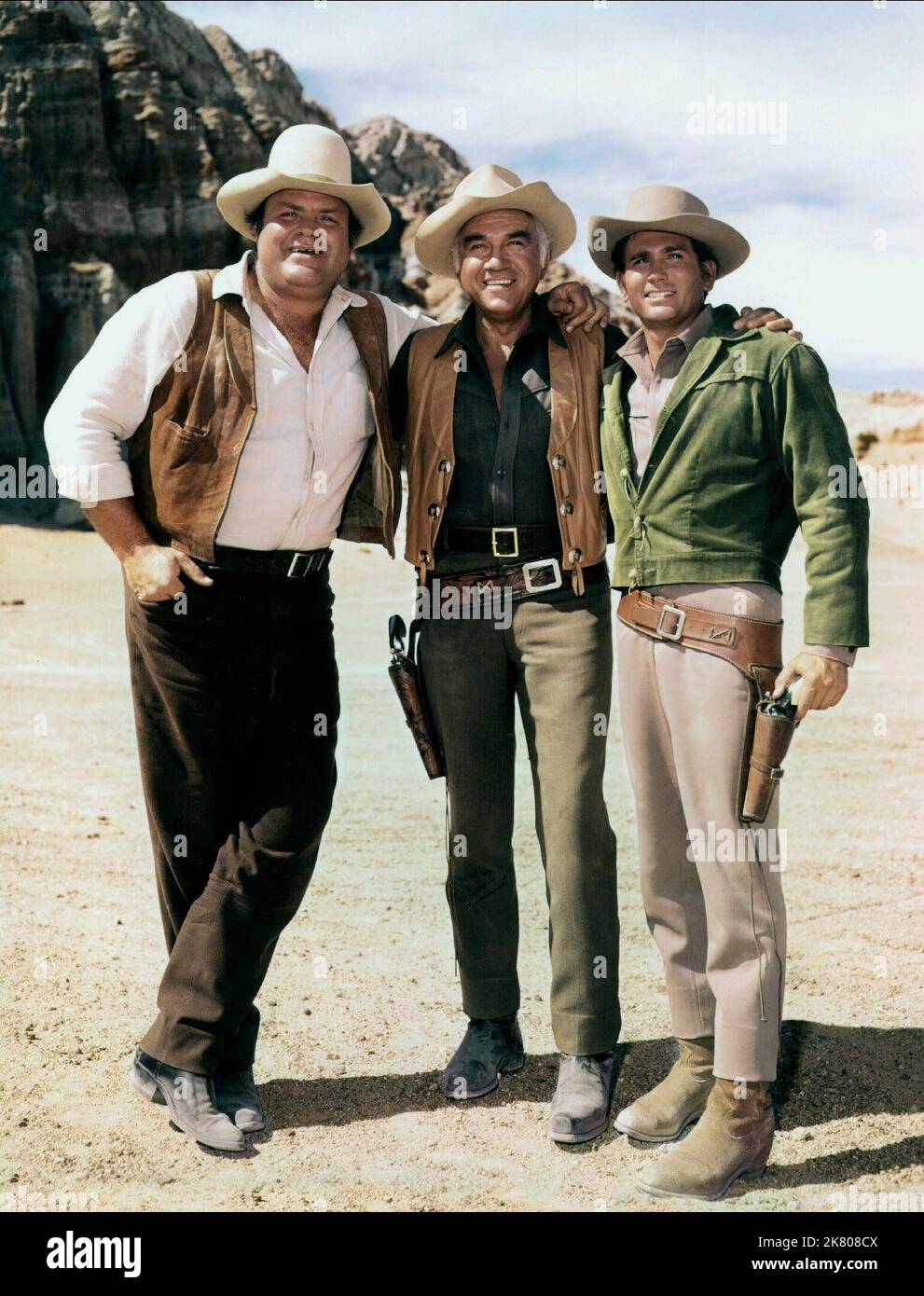
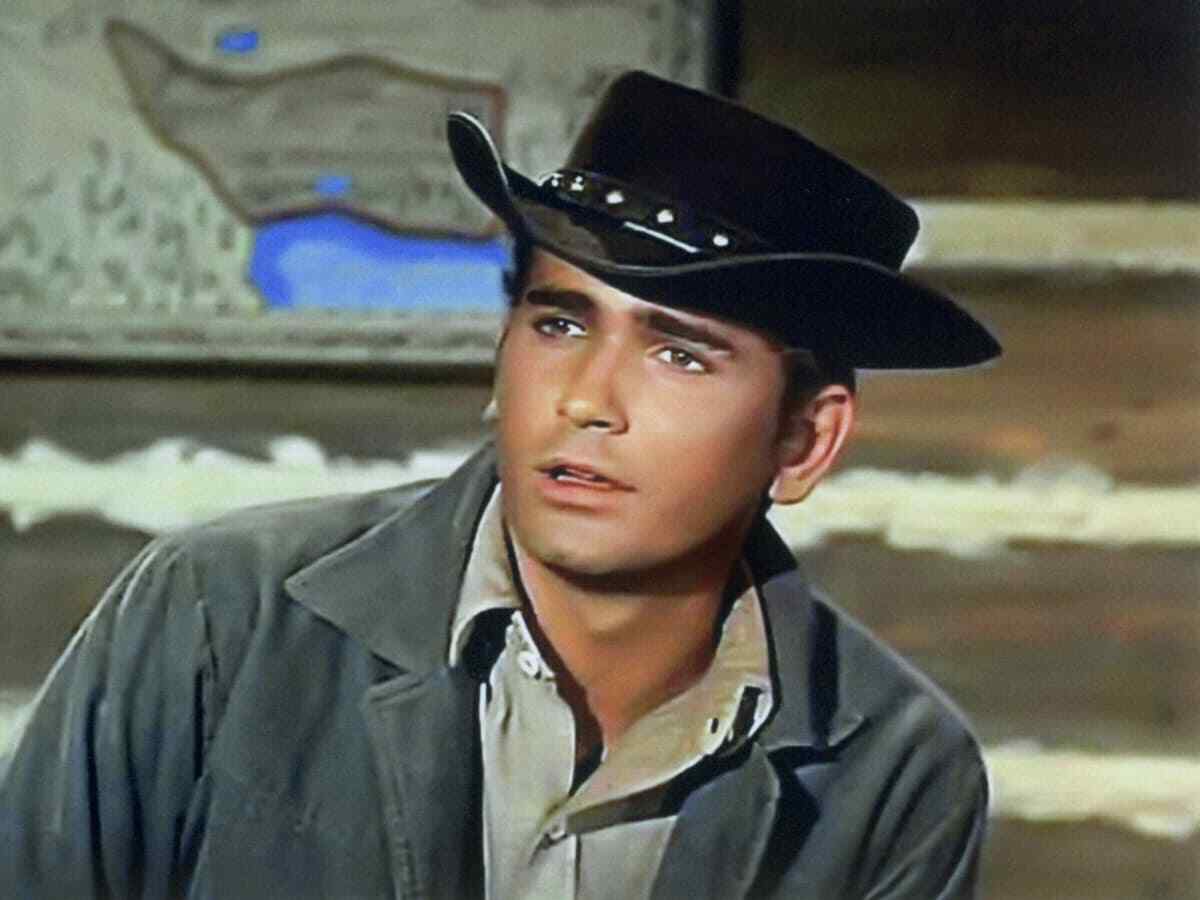
In the 1959 television series Bonanza, "Little Joe" refers to Joseph Cartwright, the youngest of the three sons of patriarch Ben Cartwright. Portrayed by actor Michael Landon, the character is a central figure in the long-running Western drama. Joseph represents the youthful, impulsive, and often romantic spirit of the Ponderosa Ranch, serving as a dynamic foil to his more stoic brothers, Adam and Hoss.
The Origins of Little Joe Cartwright
When Bonanza premiered on NBC on September 12, 1959, it arrived as a revolutionary entry in the television landscape. As the first Western series broadcast in color, it captured the attention of audiences nationwide. At the heart of the show’s enduring appeal was the family unit residing on the Ponderosa, a massive thousand-square-mile ranch near Virginia City, Nevada.
Joseph "Little Joe" Cartwright was introduced as the son of Ben Cartwright’s third wife, Marie DeMarigny. Unlike his elder half-brothers, Adam and Hoss, who shared the same father but had different mothers, Little Joe was often depicted as the baby of the family. Despite this, he was a fully capable hand on the ranch, frequently finding himself in high-stakes situations that tested his mettle, his loyalty to his family, and his moral compass.
Michael Landon, who was only 22 years old when the show debuted, imbued the character with a complex mix of vulnerability and defiance. This performance provided a sharp contrast to the more tempered, intellectual approach of Adam (Pernell Roberts) and the gentle, hulking strength of Hoss (Dan Blocker).
Character Dynamics and Development
The role of Little Joe in the Bonanza narrative served several essential functions. Primarily, he acted as the "wild card" of the Cartwright family. While Ben Cartwright was the moral bedrock and Adam the strategist, Little Joe was the catalyst for many of the series’ most intense dramatic conflicts.
His character arc throughout the 1959 inception and the subsequent seasons was defined by his pursuit of independence. Often driven by a hot temper and a penchant for getting involved with the wrong people—or falling for the wrong women—Little Joe’s story arcs frequently centered on his maturity and his transition from an impulsive youth to a responsible, albeit still fiery, man.
The bond between the four Cartwright men was the show's anchor. Despite their differences in age and temperament, they maintained a fierce loyalty to one another. For viewers in 1959 and throughout the show’s 14-season run, the character of Little Joe offered a relatable bridge between the older, more experienced generation represented by Ben and the younger, more adventurous viewers watching at home.
The Cultural Impact of the Ponderosa
The setting of Bonanza was as vital to its success as the cast itself. The Ponderosa Ranch represented a symbol of the American Dream—a vast, untamed expanse that the Cartwrights worked to protect from outside threats. Little Joe’s specific role in this ecosystem was often that of the guardian. Whether he was fending off land speculators, protecting the family from outlaws, or navigating the complexities of frontier justice, his actions helped define the values that Bonanza sought to champion: integrity, hard work, and family unity.
It is important to recognize that Bonanza aired during a period when the Western genre was undergoing a shift toward more character-driven storytelling. While earlier Westerns focused heavily on the archetype of the lone gunslinger, Bonanza focused on the complexity of domestic life under pressure. Little Joe’s evolution—from the youngest son seeking approval to a man capable of standing on his own—mirrored the growth of the series itself as it navigated the changing cultural currents of the 1960s and early 70s.
Comparing the Cartwright Brothers
To understand the significance of Little Joe, one must analyze his role relative to his brothers. Each brother brought a unique perspective to the Ponderosa, which allowed the show to explore various themes ranging from political philosophy to comedic mishaps.
| Character | Portrayed By | Key Personality Traits | Role on the Ponderosa |
|---|---|---|---|
| Adam Cartwright | Pernell Roberts | Intellectual, stoic, logical | The strategist and elder voice |
| Hoss Cartwright | Dan Blocker | Gentle, strong, empathetic | The mediator and physical anchor |
| Little Joe | Michael Landon | Impulsive, romantic, spirited | The risk-taker and emotional driver |
| Ben Cartwright | Lorne Greene | Wise, fair, authoritative | The moral compass and provider |
This table illustrates the balance within the Cartwright household. Little Joe’s function was to provide the dramatic tension that required the other three to react, deliberate, or intervene. Without the volatility of Little Joe, the familial dynamic would have been static, potentially weakening the narrative structure of the show.
Production and Legacy of the 1959 Series
The success of Bonanza was not merely a matter of casting; it was a matter of chemistry. Michael Landon’s portrayal of Little Joe eventually led to him becoming a creative force behind the scenes. By the later seasons of the show, Landon began writing and directing episodes, demonstrating that his understanding of the character went far beyond his performance on screen.
When viewers look back at the 1959 debut, they are often struck by the production quality. The use of vibrant color was a significant technical achievement for the time, making the sweeping landscapes of the Ponderosa look more immersive than anything else on television. Little Joe’s brightly colored shirts—often featuring distinctive patterns—became a fashion staple of the era and helped define his visual identity on screen.
Practical Questions Regarding Little Joe in Bonanza
For fans and historians researching the show, several recurring themes and questions arise. Understanding these provides a clearer picture of why Little Joe remains such a significant character in television history.
1. Why was he called "Little Joe"?
The moniker "Little Joe" served two purposes: to distinguish him from his father (who was also Joseph) and to emphasize his status as the youngest son. The name also highlighted his vulnerability, creating a sense of protective affection among the audience.
2. How did Michael Landon change the character over time?
Landon transitioned the character from a volatile youth to a more nuanced, mature man. As Landon gained more influence in the show’s production, he ensured that Little Joe’s experiences reflected more complex moral dilemmas, often integrating themes of social justice and personal responsibility.
3. What were the most common conflicts involving Little Joe?
Little Joe was frequently the target of external threats, including romantic rivals and criminal elements. Because he was the youngest and most impulsive, he often found himself in situations where his safety was compromised, forcing the other Cartwrights to rescue him or support him in his endeavors.
4. Was there a specific episode that defined his arc in 1959?
While the premiere set the stage, episodes like "The Rosequist Case" or "The Last Hunt" showcased the range of his character. Early episodes were critical in establishing his closeness to Ben and his competitive yet loving relationship with his brothers.
Analyzing the Longevity of the Character
The fact that Bonanza lasted 431 episodes is a testament to the strength of the characters. Little Joe’s consistency was vital. Even as society changed, the audience could rely on the core traits that defined Joseph Cartwright. He was an archetype of the American frontiersman: flawed, passionate, and deeply committed to his kin.
Many critics argue that the character of Little Joe helped pave the way for the "young, rebellious" archetype that would later become a staple in television dramas throughout the late 20th century. By allowing the character to grow, succeed, fail, and learn, the writers created a template for multi-dimensional character development that modern showrunners continue to study today.
Technical Aspects and Preservation
As we assess the legacy of the 1959 Bonanza in 2026, the preservation of these episodes remains a priority for film archivists. Because the show was filmed in color, the master tapes have held up better than many black-and-white counterparts, allowing for high-definition restorations that bring the Ponderosa to life for new generations. Collectors and digital libraries continue to prioritize the integrity of the original edits, ensuring that the performances of actors like Michael Landon remain as powerful as they were upon their original airing.
Guidance for Fans and Researchers
If you are looking to revisit the early days of the series, start with the episodes produced in the late 1959 calendar year. These episodes provide the clearest window into the original intent of the character. Pay attention to the subtle cues in the dialogue between Ben and Little Joe, as these scenes establish the foundational power dynamic of the ranch.
For those researching the historical accuracy of the show, it is important to separate the mythos of the Ponderosa from historical reality. While Virginia City is a real location with a rich history of mining, the Cartwright family is a fictional creation designed to facilitate a moral exploration of life on the American frontier.
Concluding Thoughts on the Cartwright Legacy
Little Joe Cartwright is more than just a character in a Western; he is a cornerstone of American television history. His journey throughout the Bonanza series captures the quintessential human experience of moving toward independence while remaining tethered to the values instilled by one’s family. Whether viewed through the lens of nostalgia or critical analysis, the character remains a vibrant example of how television can explore the depths of human personality over the course of a long-term narrative.
For the best experience when studying the series, utilize official restorations and reputable commentary tracks that discuss the behind-the-scenes decision-making process. By focusing on the narrative trajectory of Little Joe, you will gain a profound understanding of why Bonanza became one of the most successful shows in the history of the medium.