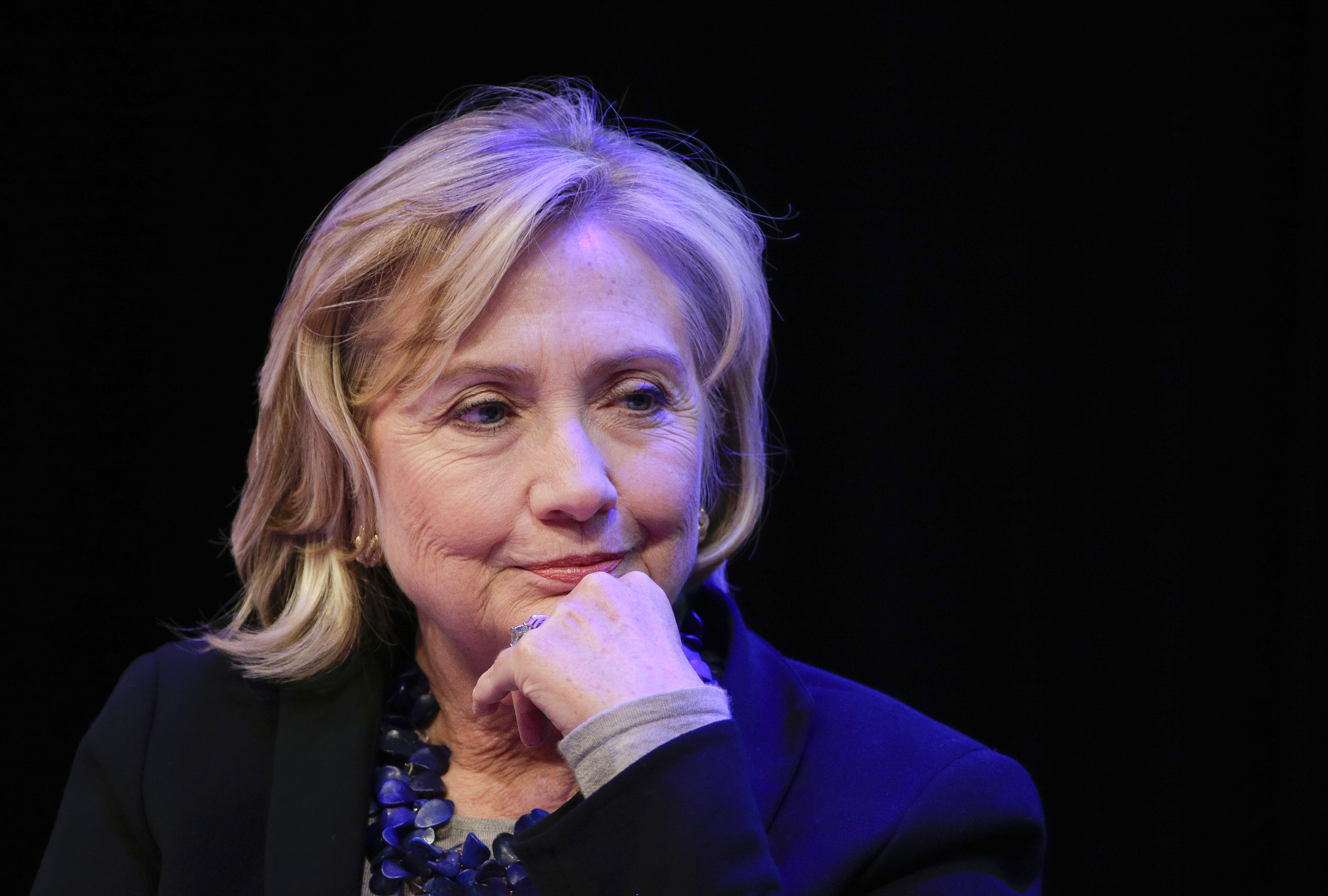
Hillary Clinton did run for president in 2016 as the Democratic nominee, securing her party's nomination before losing the general election to Republican candidate Donald Trump. Her historic campaign marked the first time a major American political party nominated a female presidential candidate, culminating in a dramatic national election that significantly shaped modern political discourse in the United States.
The 2016 Presidential Campaign Overview
The 2016 United States presidential election stands as one of the most thoroughly analyzed political contests in modern history. Hillary Clinton’s campaign was launched formally in April 2015 through a video announcement titled "Getting Started," setting off a primary battle that would test her political resilience. Having previously served as a U.S. Senator from New York, First Lady of the United States, and Secretary of State, Clinton entered the race with immense name recognition, an extensive donor network, and a deeply established national political organization.
Her candidacy, however, faced immediate and sustained headwinds from various political fronts. While her résumé offered extensive executive and legislative credentials, it also tied her to the political establishment during an election cycle characterized by a powerful populist wave. This dynamic defined both the Democratic primaries and the subsequent general election match-up, transforming her campaign into a referendum on governance, institutional experience, and the direction of the country.
The Democratic Primary Contest
Before facing the Republican nominee, Clinton had to secure the Democratic Party nomination. Her primary challenge came primarily from Senator Bernie Sanders of Vermont, whose democratic socialist platform galvanized millions of progressive voters, particularly younger demographics and grassroots organizers.
The primary season extended across dozens of state contests and caucuses. While Clinton maintained a steady lead in delegates—bolstered by strong support among older voters, African American voters, and moderate Democrats—Sanders mounted a formidable challenge, winning numerous state contests and fundraising heavily through small-dollar online contributions.
- Early Contests: Clinton secured important victories in early-voting states like Nevada, while Sanders won neighboring New Hampshire by a wide margin.
- Super Tuesday: Clinton demonstrated broad appeal across diverse electorates on Super Tuesday in March 2016, securing a significant delegate lead that proved insurmountable for challengers.
- Platform Evolution: The primary campaign pushed Clinton's platform leftward on several key economic and social policy issues, leading to the party's adoption of one of its most progressive policy platforms in decades at the Democratic National Convention.
The Democratic National Convention and Nomination
In July 2016, the Democratic National Convention took place in Philadelphia, Pennsylvania. During the convention, Hillary Clinton officially became the first woman in American history to lead a major party's presidential ticket. To balance the ticket and appeal to working-class and Midwestern voters, Clinton selected Senator Tim Kaine of Virginia as her vice presidential running mate.
The convention featured high-profile speeches from sitting President Barack Obama, First Lady Michelle Obama, and former primary rival Bernie Sanders, who urged his supporters to unite behind Clinton to defeat the Republican nominee. Despite these unification efforts, lingering divisions between the progressive and moderate wings of the party persisted into the general election phase.
The General Election Campaign against Donald Trump
Following the convention, Clinton entered the general election phase against businessman and real estate developer Donald Trump, the Republican nominee. The race quickly devolved into a contentious, highly polarized battle that focused heavily on personal character, institutional trust, and economic vision.
Clinton’s campaign strategy emphasized her lifetime of public service, her detailed policy proposals, and her preparedness for the presidency. She positioned herself as a stabilizing, experienced leader capable of managing complex international and domestic crises. Conversely, Trump ran an outsider campaign centered on economic nationalism, trade renegotiation, strict border enforcement, and dismantling the political establishment.
Key Campaign Themes and Controversies
Throughout the autumn of 2016, the campaign was heavily influenced by several recurring controversies and external developments:
- Email Server Controversy: The investigation surrounding Clinton's use of a private email server while serving as Secretary of State remained a central focal point. Although FBI Director James Comey announced in July 2016 that the agency would not recommend criminal charges, he characterized her handling of classified information as "extremely careless," sustaining media scrutiny.
- Economic Message: Clinton proposed targeted investments in clean energy, infrastructure, and education, alongside tax increases on corporations and high-income earners. Critics argued her plans lacked the bold disruption demanded by workers displaced by globalization.
- Foreign Policy and Security: Clinton utilized her tenure at the State Department to project competence in global affairs, frequently contrasting her foreign policy experience with her opponent's statements regarding NATO, international alliances, and nuclear proliferation.
- October Surprises: Late in the campaign cycle, the release of historical campaign footage regarding her opponent and the FBI's brief, late-October notification regarding newly discovered emails injected fresh volatility into the race days before voting concluded.
Election Results and Historical Significance
On November 8, 2016, Donald Trump won the presidential election by securing the necessary electoral votes, despite Hillary Clinton winning the national popular vote.
Clinton achieved a popular vote margin of nearly 2.9 million votes, receiving approximately 65.8 million votes (48.2%) compared to Trump's 62.9 million votes (46.1%). However, the Electoral College outcome favored Trump, who won crucial Midwestern swing states—such as Pennsylvania, Michigan, and Wisconsin—that had reliably voted Democratic in previous presidential cycles.
| Metric | Hillary Clinton (Democratic) | Donald Trump (Republican) |
|---|---|---|
| Popular Vote | ~65,853,514 (48.2%) | ~62,984,828 (46.1%) |
| Electoral Votes | 227 | 304 |
| Primary Base | Moderate & Diverse Coalitions | Populist & Working-Class Coalitions |
| Key Battlegrounds Lost | Pennsylvania, Michigan, Wisconsin | Florida, Ohio, Pennsylvania |
Post-Election Impact and Legacy
The 2016 presidential election left a permanent imprint on American political strategy, electoral forecasting, and party alignments. Clinton’s defeat prompted extensive post-mortems within the Democratic Party, leading to intense debates over economic populism, messaging to rural and working-class communities, and the structural dynamics of the Electoral College.
In 2017, Clinton published What Happened, a memoir reflecting on the 2016 campaign, examining the internal and external factors that contributed to her loss, including foreign interference, media coverage, and strategic miscalculations. Her candidacy remains a landmark study in political history, representing both the furthest advancement of a woman toward the U.S. presidency and a pivotal turning point in 21st-century American democracy.
Frequently Asked Questions
Did Hillary Clinton win the popular vote in 2016?
Yes, Hillary Clinton won the national popular vote in the 2016 presidential election. She received approximately 65.8 million votes, outperforming Donald Trump by nearly 2.9 million votes. However, under the U.S. electoral system, the presidency is decided by the Electoral College rather than the national popular vote, and Donald Trump secured 304 electoral votes to Clinton's 227.
Who was Hillary Clinton's vice presidential running mate in 2016?
Senator Tim Kaine of Virginia served as Hillary Clinton's vice presidential running mate in 2016. Kaine was a former governor of Virginia, the chair of the Democratic National Committee, and a sitting U.S. Senator, chosen to provide geographic balance and appeal to moderate voters in vital swing states.
What were the key battleground states that decided the 2016 election?
The decisive battleground states in 2016 were primarily located in the industrial Midwest and the Sun Belt. While traditional swing states like Florida and Ohio were won by Donald Trump, the election was ultimately decided when traditionally Democratic states in the "Rust Belt"—specifically Pennsylvania, Michigan, and Wisconsin—narrowly voted Republican for the first time in decades.
How did the 2016 primary campaign affect the Democratic Party?
The intense primary challenge from Senator Bernie Sanders significantly influenced the Democratic Party's platform and ideological trajectory. It highlighted a growing progressive wing focused on income inequality, universal healthcare, and campaign finance reform, which forced Clinton to adopt more progressive policy stances and reshaped intra-party dynamics for subsequent election cycles.
Practical Next Actions
For researchers, students, and political analysts seeking a deeper understanding of the 2016 election, primary source documentation offers the most reliable insights. Reviewing official Federal Election Commission (FEC) data provides precise breakdowns of voter turnout, campaign finance expenditures, and county-level results. Additionally, studying bipartisan electoral analyses published by academic institutions and historical archives can clarify the structural, demographic, and informational factors that dictated the outcome of the race.