Under current U.S. immigration policy, an H1B visa holder may legally own a business or hold equity in a company, but they cannot perform "productive" work for that business unless they are officially sponsored by that entity. Ownership is considered a passive activity under federal regulations, but the distinction between being an investor and being an employee is strictly enforced by U.S. Citizenship and Immigration Services (USCIS).
The Distinction Between Ownership and Employment
Many foreign nationals hold the misconception that owning a company is inherently prohibited while on an H1B visa. This stems from a misunderstanding of the visa’s core purpose: to authorize employment for a specific employer in a specific professional role.
Passive ownership—where an individual simply holds shares, receives dividends, or serves as a board member—does not violate H1B status. You are permitted to be a shareholder in a startup or a long-standing corporation. The legal complexity arises when an H1B holder attempts to manage day-to-day operations, sign contracts, or perform tasks that would typically be performed by a salaried employee. If you provide services to the company that are "productive" in nature without being on the company’s payroll under an approved H1B petition, you risk violating your status.
The Employer-Employee Relationship Requirement
The cornerstone of H1B eligibility is the existence of a bona fide employer-employee relationship. For an H1B petition to be approved, the employer must demonstrate the right to hire, fire, pay, supervise, and control the work of the H1B beneficiary.
When an H1B holder owns their own company, proving this relationship becomes difficult. The USCIS will scrutinize whether the company has the actual authority to control the H1B holder. If the petitioner is the sole owner and has no board of directors or other governing body with the power to terminate the individual’s employment, the USCIS may argue that the employer-employee relationship is illusory.
To overcome this, many H1B business owners establish a formal governance structure. This may include:
- Board of Directors: A board that holds the authority to hire, supervise, and terminate the CEO or employee.
- Corporate Bylaws: Clearly documented procedures regarding the management of the entity that limit the individual owner's unilateral control.
- Independent Oversight: Evidence that the company has a mechanism to make decisions independently of the beneficiary’s personal desires.
Prerequisites for Self-Sponsored H1B Petitions
If you intend to work for a company you own, that company must act as your petitioner. As of 2026, the company must meet all standard H1B requirements, which include:
- Federal Tax Identification: The company must be a registered legal entity (LLC, C-Corp, etc.) with a valid Employer Identification Number (EIN).
- Ability to Pay: The company must demonstrate the financial capacity to pay the prevailing wage for the role, regardless of whether the business is yet profitable.
- Specialty Occupation: The role you perform must meet the standard requirement of being a "specialty occupation," typically requiring a bachelor’s degree or higher in a specific field.
- Labor Condition Application (LCA): The employer must obtain an approved LCA from the Department of Labor, verifying that they will pay the beneficiary the required wage and that the employment will not adversely affect the working conditions of similarly employed U.S. workers.
Operational Risks and Potential Pitfalls
Engaging in self-employment without proper sponsorship is a common cause for visa revocation. It is important to distinguish between "passive investment" and "active management."
- Passive Investment: Holding stock, collecting passive income, or attending occasional shareholder meetings is generally acceptable.
- Active Management: Attending client meetings, signing operational contracts, or performing the technical labor for which the company is contracted is considered "work." If this work is not covered by a valid H1B petition, you are effectively working without authorization.
Common Mistake: The "Consultant" Trap Some H1B holders attempt to bypass ownership restrictions by forming a company and then having a different firm sponsor their H1B, while they "consult" for their own company on the side. This is a direct violation of H1B regulations, as the H1B visa is employer-specific. You are only authorized to work for the employer that sponsored your petition.
Comparison of Ownership Roles
| Role | Permitted on H1B? | Requirements |
|---|---|---|
| Passive Shareholder | Yes | None; passive investment is allowed. |
| Board Member | Yes | Must not involve daily "productive" labor. |
| Active Employee/Owner | Conditional | Requires an approved H1B petition from the company. |
| Contractor/Freelancer | No | Requires authorization specific to the entity. |
Establishing a Compliant Structure
For those looking to leverage their business interests while maintaining valid status, the most common pathway is to incorporate as a C-Corporation. A C-Corp allows for a clearer separation between the individual and the legal entity. By appointing a Board of Directors, the owner can effectively "surrender" the power to manage their employment to a third party (the board).
This board must have the genuine power to oversee your performance and, if necessary, terminate your employment. In 2026, USCIS officers are increasingly sophisticated in their review of such petitions. They will look for meeting minutes, resolutions, and governance documents that prove the board is functioning independently. If your board consists only of family members or close associates who do not exercise real oversight, the petition is likely to face a Request for Evidence (RFE) or denial.
Frequently Asked Questions
Can I own a small business while on an H1B sponsored by another company? You can own the business, but you cannot perform work for it. You can act as an investor or a board member, but you cannot be an employee, perform daily operations, or manage tasks, even if you are not paid.
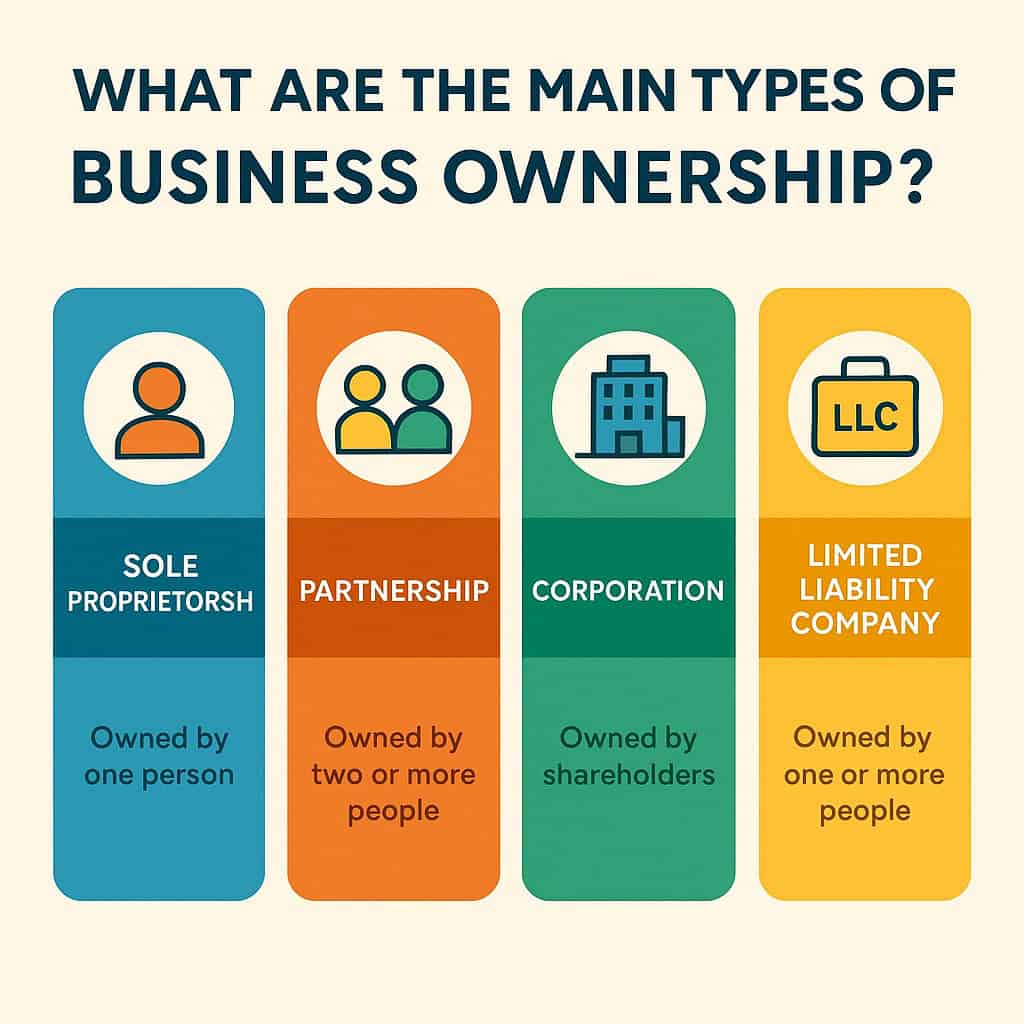
Does owning an LLC make H1B sponsorship harder? Yes, it can be more challenging than a C-Corp. LLCs are often viewed by regulators as "pass-through" entities where the owner has total control. It is much harder to prove an independent employer-employee relationship in a single-member LLC compared to a corporation with a formal board.
What happens if I work for my own company without authorization? Working without authorization is a violation of your immigration status. This can lead to the revocation of your H1B visa, removal from the country, and potential bans on future visa applications. Always prioritize your primary, sponsored employment.
Can I use my business to sponsor my own H1B? Yes, but you must prove that the company is a separate legal entity and that you are an employee of that company, not just the owner. You must satisfy the "right to control" test, which proves that the company (through its board or other officers) has authority over your employment terms.
Do I need to disclose my business ownership to USCIS? While you are not required to report passive investments, any significant changes to your employment or involvement in other entities should be discussed with an immigration attorney to ensure you remain in compliance with your visa status.
Recommended Next Actions
If you are currently an H1B holder looking to start or manage a business, your first step should be to consult with an experienced immigration attorney. You should avoid taking any action that could be construed as "work" until your legal counsel has reviewed your corporate structure.
- Audit your involvement: If you already own a business, create a clear list of every activity you perform.
- Review your governance: If you intend to be an employee of your own company, ensure you have a formal board of directors in place.
- Draft a formal employment agreement: Treat the company as a third-party employer; negotiate the terms, salary, and responsibilities as if you were an arm's-length candidate.
- Maintain separation: Keep your corporate finances, tax filings, and operational decisions strictly separated from your personal activities.
Disclaimer: This article provides information for educational purposes and does not constitute legal advice. Immigration laws are subject to change and individual circumstances vary. Always consult with a qualified immigration attorney regarding your specific situation.