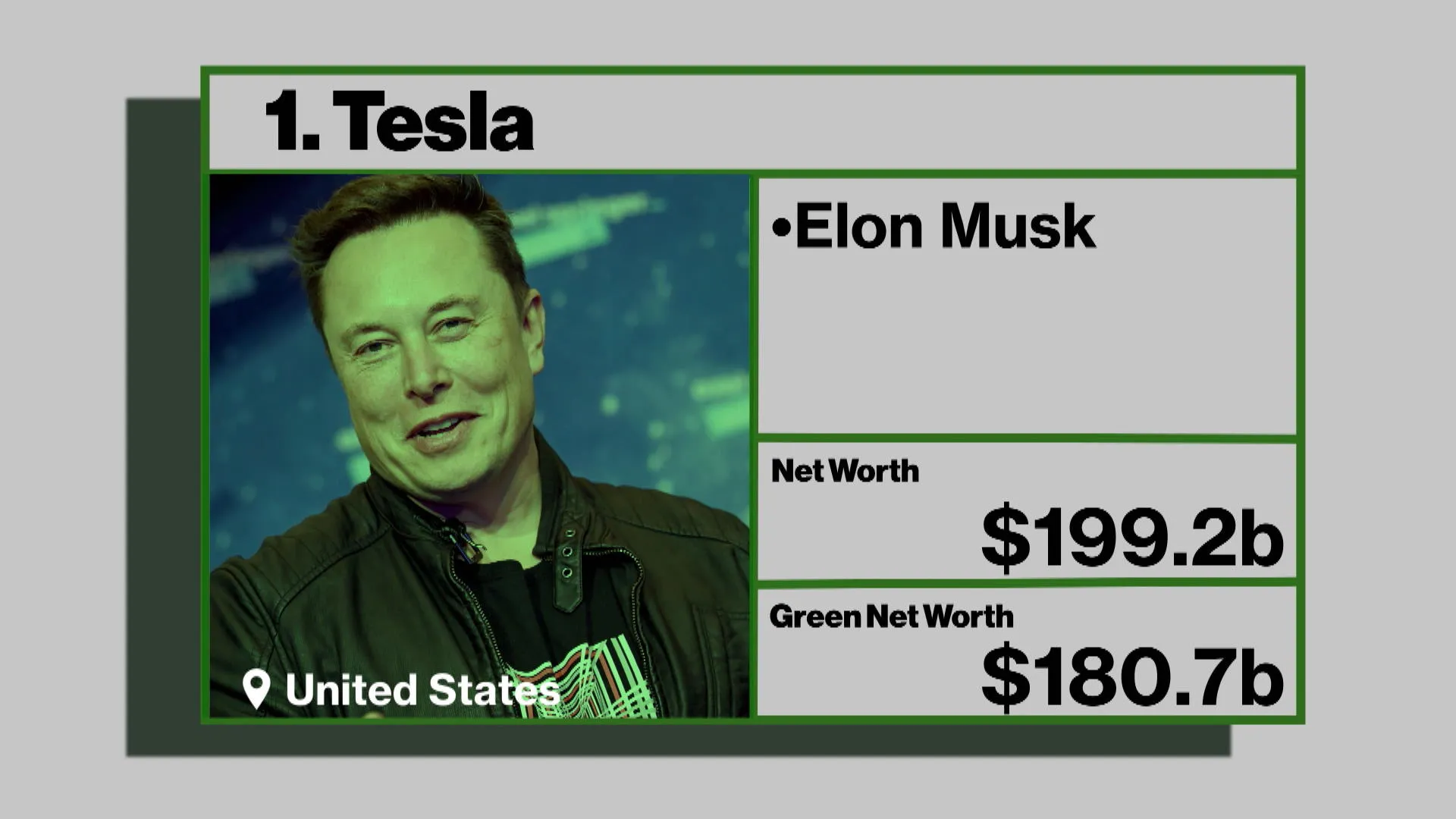
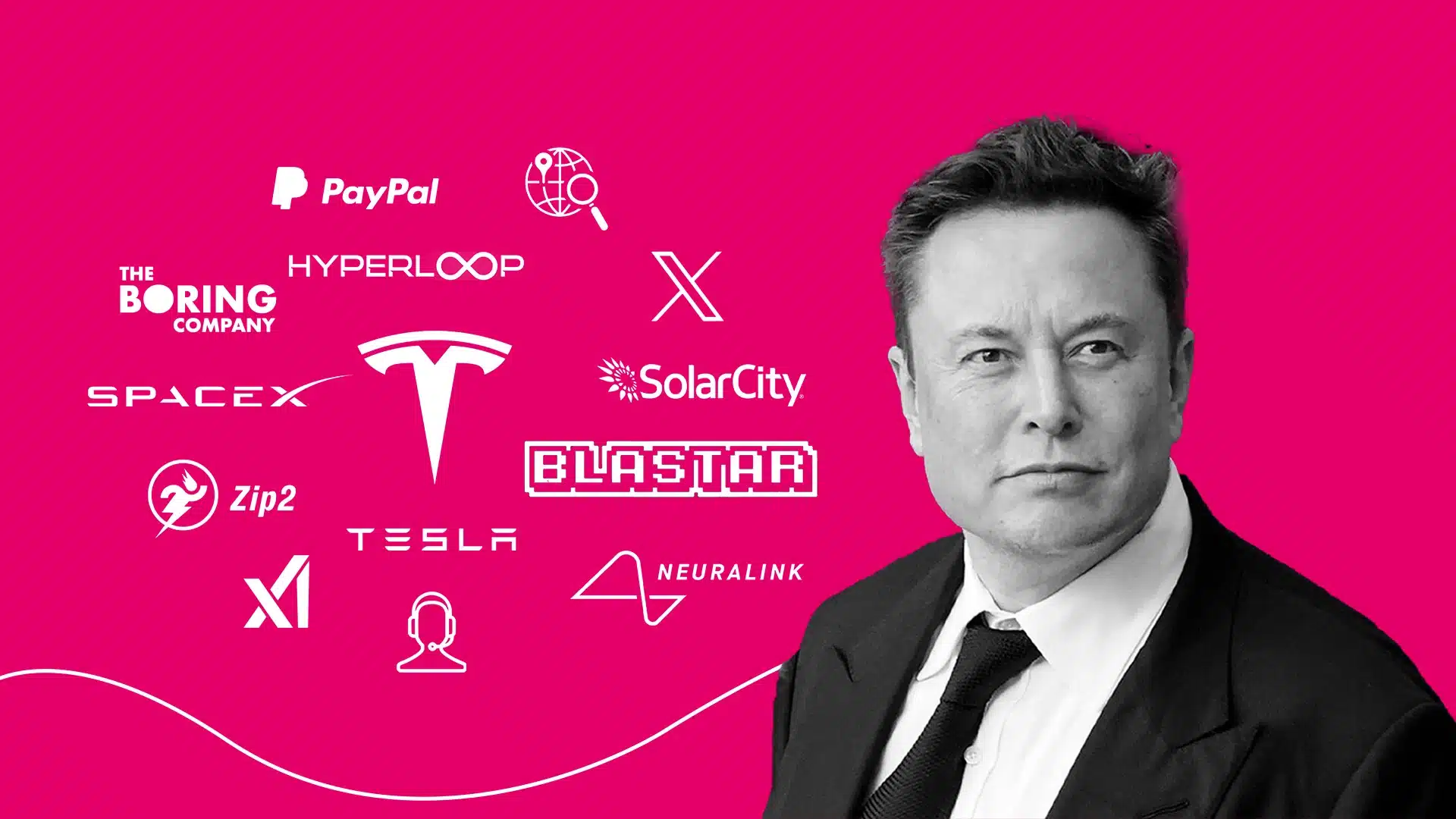
Elon Musk consistently dominates global headlines, frequently claiming the top spot on lists recognizing the world's most influential business leaders, innovators, and wealth holders. This status reflects a career marked by massive industrial scale across multiple sectors—including electric vehicles, aerospace, artificial intelligence, and telecommunications—rather than traditional corporate management. Examining why publications and public indices repeatedly rank him at the vanguard of modern commerce requires analyzing his operational strategies, corporate governance models, and the broader economic implications of his commercial empire.
The Evolution of Modern Business Leadership
Traditional metrics for evaluating corporate leadership historically relied on steady financial stewardship, consistent quarterly earnings, decades-long tenure within a single industry, and conservative risk management. The modern era of business leadership, however, has shifted toward disruptive innovation, vertical integration, and the ability to reshape entire geopolitical and consumer landscapes. Leaders who top contemporary lists are evaluated not merely by balance sheet performance, but by their capacity to rewrite the rules of legacy industries.
Elon Musk’s trajectory embodies this shift. By entering capital-intensive, heavily regulated industries traditionally dominated by established industrial conglomerates—such as automotive manufacturing and commercial spaceflight—he challenged conventional wisdom regarding how new enterprises scale. His leadership style blends hands-on engineering management with aggressive capital deployment, public-facing brand building, and a high-risk operational philosophy. Understanding why he frequently tops global rankings requires breaking down the core companies that form the foundation of his business influence.
Core Enterprises Driving Global Influence
The evaluation of any major business leader relies heavily on the tangible economic output, market capitalization, and technological footprint of the companies they direct or found. Musk’s influence is anchored by several major enterprises that span distinct technological sectors.
Tesla, Inc. and the Electric Vehicle Revolution
Tesla transformed from a niche Silicon Valley startup into the world's most valuable automotive manufacturer, forcing legacy automakers to accelerate their own electrification timelines. Musk's leadership at Tesla involved overcoming severe production bottlenecks—famously termed "production hell" during the rollout of the Model 3—by sleeping on the factory floor and redesigning assembly lines in real time.
Key operational factors driving Tesla's market dominance include:
- Vertical Integration: Bringing battery manufacturing, software development, and raw material sourcing in-house to reduce supply chain vulnerabilities.
- Over-the-Air Updates: Treating physical vehicles like consumer electronics that continuously improve via software deployments.
- Supercharger Infrastructure: Building a proprietary, highly reliable charging network that removed a primary barrier to consumer adoption.
SpaceX and Commercial Aerospace
Space Exploration Technologies Corp. (SpaceX) fundamentally altered the economics of space access. Before SpaceX, launch services were dominated by state-sponsored agencies and aerospace primes characterized by high costs and long development cycles. Musk implemented a philosophy of rapid iterative design, building and testing prototypes openly, failing fast, and refining hardware based on empirical flight data.
The development of reusable rocket boosters (Falcon 9 and Falcon Heavy) drastically lowered the cost per kilogram to orbit. Furthermore, the deployment of Starlink, a low-Earth-orbit satellite constellation, established SpaceX as a major global telecommunications provider capable of delivering high-speed internet to remote regions and conflict zones.
Artificial Intelligence, Infrastructure, and Communication
Beyond physical manufacturing, Musk's portfolio includes ventures focused on artificial intelligence, neurotechnology, and digital communications. xAI develops advanced language models aimed at understanding the true nature of the universe, while Neuralink pursues brain-computer interfaces designed to restore autonomy to individuals with neurological impairments. Additionally, the acquisition and restructuring of X (formerly Twitter) placed one of the world's primary public discourse platforms under his direct operational control, amplifying his capacity to influence global media narratives.
Comparative Metrics of Global Business Leaders
When ranking top business leaders, analysts balance quantitative financial data against qualitative assessments of technological foresight and cultural impact. The table below outlines how Musk's primary ventures compare across key operational indicators within their respective industries.
| Company | Core Industry | Primary Innovation | Market Position | Key Operational Challenge |
|---|---|---|---|---|
| Tesla | Automotive & Energy | Mass-market EVs & autonomous driving software | Global market leader in electric vehicle units sold | Regulatory scrutiny over driver-assistance systems and intensifying global competition |
| SpaceX | Aerospace | Reusable orbital launch systems & Starlink broadband | Dominant commercial launch provider globally | Scaling Starship production and ensuring continuous constellation maintenance |
| xAI | Artificial Intelligence | Advanced generative models and computational infrastructure | Emerging competitor in enterprise and consumer AI | Securing high-end semiconductor supply and attracting top research talent |
| X | Social Media & Communications | Public square restructuring and subscription integration | Major global microblogging and news platform | Advertiser retention and content moderation balance |
Strategic Management and Operational Philosophy
Musk's approach to leadership diverges sharply from the consensus-driven management typical of Fortune 500 boardrooms. His framework relies heavily on first-principles thinking—breaking problems down to their most fundamental physical truths and reasoning up from there, rather than reasoning by analogy. This method enables engineering teams to question costly industry standards and rebuild manufacturing processes from scratch.
Another defining characteristic of his leadership is extreme goal orientation paired with aggressive timelines. While this approach frequently results in missed initial projections regarding product delivery dates, it simultaneously compresses development cycles that normally take legacy corporations decades into a matter of years. This high-pressure environment attracts engineers seeking massive scale and rapid impact, though it also contributes to high employee turnover and public scrutiny regarding workplace culture.
Economic Impact and Shareholder Value
The primary reason financial publications and index providers rank Musk at the top of leadership lists is the staggering creation of shareholder value over the past two decades. Tesla's ascension into the trillion-dollar market capitalization club generated historic returns for early investors, while private market valuations for SpaceX positioned it among the most valuable privately held corporations in human history.
However, this immense wealth concentration carries unique complexities:
- Stock-Based Compensation: A significant portion of Musk's net worth and corporate control is tied directly to equity performance milestones, aligning his financial incentives aggressively with corporate valuation targets.
- Key Person Risk: Public markets frequently discount or premium stock prices based on investors' perceptions of Musk's attention, health, and continued involvement across multiple demanding companies.
- Market Volatility: High-growth, high-valuation companies are exceptionally sensitive to macroeconomic shifts, interest rate changes, and regulatory policy adjustments.
Criticisms, Controversies, and Operational Limitations
No evaluation of a prominent business leader is complete without examining operational missteps, public controversies, and systemic criticisms. Musk's direct communication style, frequently executed via public social media posts, has drawn regulatory intervention from financial watchdogs such as the U.S. Securities and Exchange Commission (SEC), resulting in fines and governance oversight agreements.
Furthermore, ambitious technological promises—such as fully autonomous self-driving capabilities or crewed missions to Mars—often face prolonged delays due to unforeseen physical and regulatory hurdles. Critics argue that overpromising timelines undermines consumer trust and complicates compliance with safety standards. Additionally, managing multiple massive enterprises simultaneously raises legitimate governance concerns regarding executive bandwidth and the board of directors' oversight efficacy.
Frequently Asked Questions
Why does Elon Musk frequently rank as the top business leader?
Rankings typically evaluate a combination of market capitalization creation, technological disruption across multiple legacy industries (such as automotive and aerospace), and the ability to scale capital-intensive startups into global market leaders.
What is first-principles thinking in Musk's management style?
First-principles thinking involves deconstructing complex problems into fundamental physical laws and building solutions up from those truths, rather than accepting existing industry standards, pricing structures, or conventional manufacturing methods.
How do SpaceX and Tesla maintain market dominance?
Both companies maintain competitive advantages through aggressive vertical integration, proprietary manufacturing technology, rapid iterative prototyping, and continuous software deployment that outpaces traditional competitor development cycles.
What are the primary criticisms of Musk's leadership style?
Common criticisms include aggressive and frequently missed product timelines, highly demanding work environments that lead to elevated staff turnover, and public communications that occasionally trigger regulatory scrutiny and market volatility.
What role does government funding play in Musk's companies?
While companies like SpaceX and Tesla have benefited from government procurement contracts (such as NASA supply missions) and regulatory credits (such as zero-emission vehicle mandates), their primary growth drivers stem from private capital raising and consumer market adoption.
Conclusion and Next Actions
Elon Musk's repeated placement at the summit of global business leadership lists stems from a rare combination of industrial ambition, engineering-first management, and the successful commercialization of breakthrough technologies. For industry observers, investors, and aspiring entrepreneurs, analyzing his trajectory offers critical lessons in supply chain control, risk tolerance, and the mechanics of modern industrial scaling. When evaluating corporate leadership, stakeholders should look beyond headline net-worth figures and examine the underlying operational resilience, technological defensibility, and long-term economic sustainability of the enterprises being built.