The year 2018 marked a pivotal inflection point for medical ethics, characterized by rapid advancements in precision medicine, electronic health data integration, and persistent resource allocation battles that forced clinicians, ethicists, and policymakers to re-evaluate traditional fiduciary duties. These developments extended far beyond clinical bedside decisions, deeply entangling patient care with corporate governance, legislative mandates, and technological capabilities that continually outpaced regulatory frameworks.
Understanding the prominent ethical challenges of this era requires looking past generalized concepts of bioethics to examine the systemic pressures that shaped clinical practice. During this period, healthcare institutions grappled with balancing population-level cost containment against individual patient advocacy, managing the ethical minefield of electronic data collection, and navigating complex dilemmas surrounding end-of-life care and emerging medical interventions.
The Intersection of Technology, Data Privacy, and Patient Autonomy
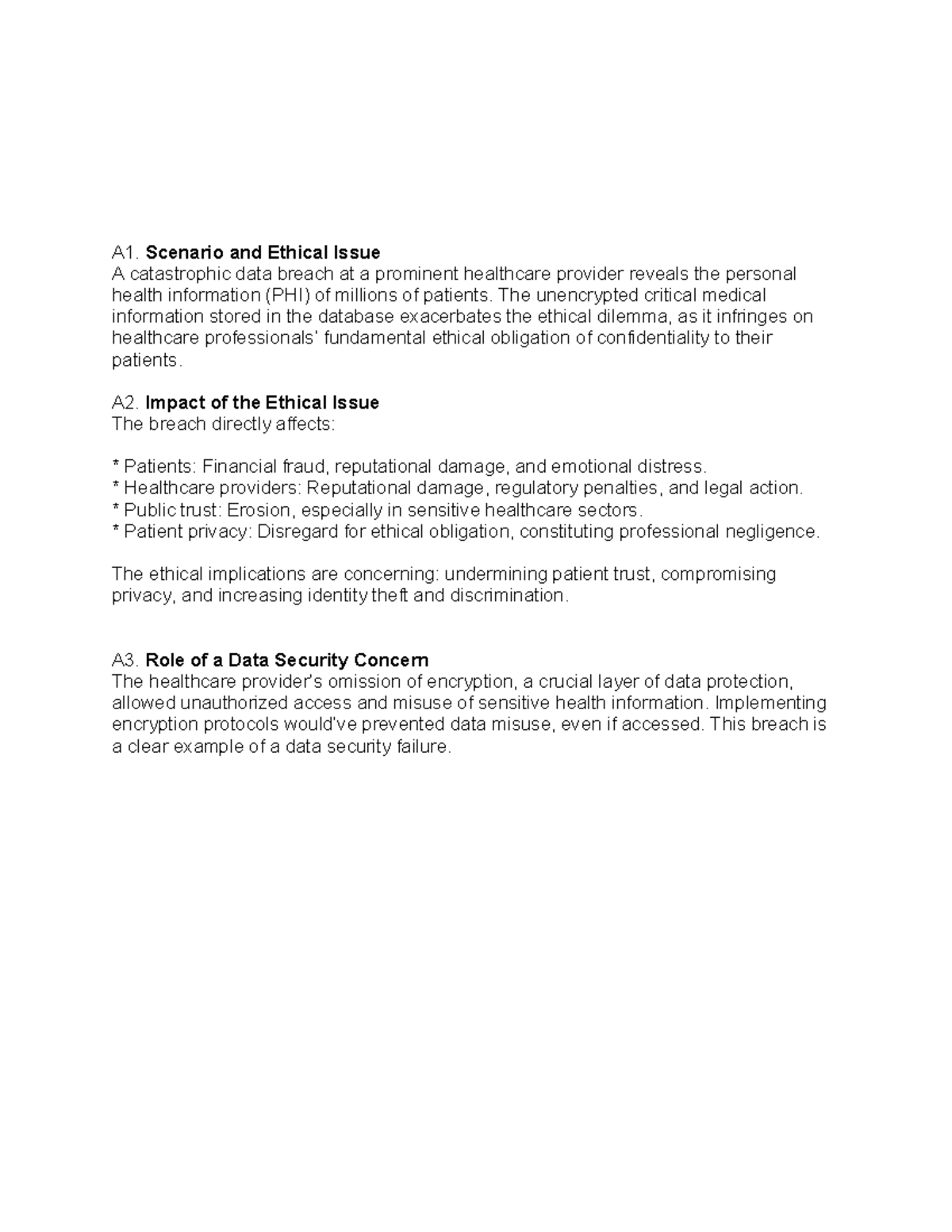
The widespread adoption of electronic health records (EHRs) and the growth of health data analytics by 2018 fundamentally altered the patient-physician relationship. While digitalization promised streamlined care coordination and predictive diagnostics, it introduced profound vulnerabilities regarding patient privacy, informed consent, and data ownership.
Electronic Health Records and the Erosion of Confidentiality
By 2018, digitized medical records were standard across most hospital systems and outpatient clinics. However, the centralization of sensitive health data created unprecedented cybersecurity risks. Healthcare organizations became prime targets for cyberattacks, data breaches, and ransomware incidents.
Ethically, this raised questions regarding institutional responsibility and patient trust. When a patient discloses deeply personal health information, they do so under an expectation of medical confidentiality rooted in the Hippocratic tradition. The commercialization and monetization of de-identified health data by third-party analytics firms further complicated this landscape, frequently occurring without explicit, granular patient consent.
Big Data and Algorithmic Bias in Clinical Decision-Making
The year 2018 also saw increased reliance on algorithmic models to predict patient deterioration, allocate hospital resources, and determine treatment pathways. While these tools offered objective efficiencies, bioethicists raised alarms regarding algorithmic bias.
If training data relied on historical health systems that reflected systemic disparities in care access and treatment outcomes, the resulting algorithms systematically disadvantaged marginalized populations. Clinicians faced a dual ethical dilemma: balancing deference to computer-generated clinical recommendations with their independent clinical judgment, while ensuring transparency so patients understood when and how algorithms influenced their care plans.
Resource Allocation and Healthcare Disparities
Resource allocation remained a central ethical battleground in 2018. As advanced therapies, specialized diagnostics, and novel pharmaceuticals entered the market at soaring price points, healthcare institutions faced intense pressure to ration care, either explicitly through institutional guidelines or implicitly through insurance coverage restrictions.
The Cost of Innovation Versus Distributive Justice
Distributive justice—the fair allocation of scarce healthcare resources across a population—was severely tested by high-cost specialty drugs, such as breakthrough immunotherapies and gene-modifying treatments. Ethicists debated how society should balance rewarding pharmaceutical innovation through high market pricing against the moral imperative to provide universal access to life-saving interventions.
When insurers denied coverage for expensive, emerging therapies based on strict cost-effectiveness thresholds (often measured in quality-adjusted life years, or QALYs), treating physicians were caught between their ethical obligation to advocate for their individual patients and system-level stewardship mandates.
| Ethical Domain | Primary Conflict | Stakeholders Involved | Resolution Challenges |
|---|---|---|---|
| Data Privacy | Patient confidentiality vs. commercialized health analytics | Patients, hospital IT departments, data brokers | Lack of granular consent mechanisms; complex regulatory loopholes |
| Resource Allocation | Individual patient advocacy vs. systemic cost containment | Clinicians, hospital administrators, payers | Disagreements over the ethical validity of quality-adjusted life years |
| End-of-Life Care | Patient autonomy vs. institutional futility determinations | Families, palliative care teams, hospital ethics committees | Emotional resistance, legal ambiguities, and cultural differences |
| Conscience Clauses | Professional duty of care vs. personal moral/religious beliefs | Physicians, pharmacists, healthcare institutions | Balancing patient access to legal services with clinician autonomy |
End-of-Life Decision-Making and Medical Futility
Navigating the boundaries of life-sustaining treatment continued to challenge clinical ethics committees in 2018. Advances in critical care technology made it possible to sustain physiological functions long after neurological recovery became impossible, forcing difficult conversations about medical futility and patient autonomy.
Defining and Managing Futility
Medical futility occurs when a medical intervention offers no reasonable hope of recovery or improvement in the patient's underlying condition. In 2018, clinicians frequently encountered friction with surrogate decision-makers who insisted on aggressive, life-prolonging measures (such as prolonged mechanical ventilation or artificial nutrition) that clinicians deemed clinically inappropriate or excessively burdensome.
Ethical frameworks emphasized shared decision-making, palliative care consultation, and clear advance directives. However, many patients lacked formal documentation of their wishes, leaving families and care teams to navigate emotionally charged environments without clear guidance.
Medical Aid in Dying and Professional Integrity
The legal and ethical landscape of medical aid in dying (MAID) evolved significantly leading up to 2018, with several U.S. states and international jurisdictions enacting laws permitting physician-assisted dying under strict criteria. This placed healthcare professionals in complex moral territory.
While proponents argued that MAID respects patient autonomy and alleviates refractory suffering at the end of life, opponents—including many professional medical associations—argued that it fundamentally violates the historic ethos of the healing profession, encapsulated by the maxim to "do no harm." Clinicians holding conscientious objections faced institutional pressures to provide timely referrals, ensuring patients could access legal options without compromising the clinicians' personal moral integrity.
Conscience Clauses and Professional Obligations
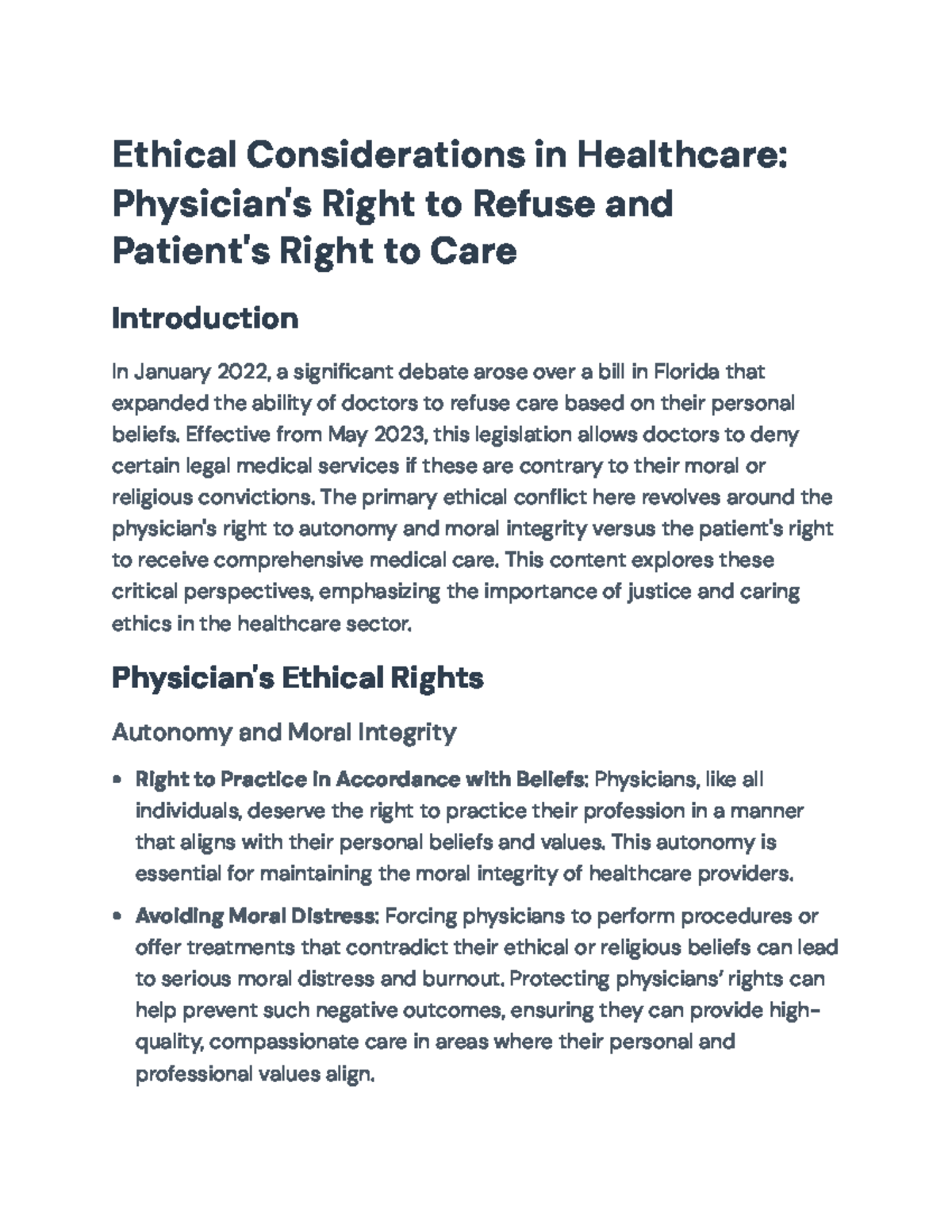
The tension between institutional mandates, professional ethics, and individual clinician beliefs intensified in 2018, particularly surrounding reproductive health services, gender-affirming care, and end-of-life options.
The Scope of Conscience Protections
Conscience clauses allow healthcare providers and institutions to refuse to perform or participate in specific medical procedures that violate their moral, ethical, or religious convictions. While these protections are designed to safeguard individual liberties and professional diversity within medicine, they frequently conflict with patient access to legally sanctioned care.
Ethicists in 2018 analyzed the boundaries of these rights, establishing that while individual clinicians possess moral agency, they also have a professional duty of non-abandonment. This duty requires them to ensure that objecting to a procedure does not result in patient harm, requiring effective and timely transfer of care to a willing provider when emergencies do not prevent it.
Frequently Asked Questions
What were the primary ethical concerns regarding health data in 2018?
The primary ethical concerns centered on electronic health record cybersecurity vulnerabilities, the monetization and secondary use of patient data without explicit consent, and the introduction of algorithmic bias in clinical decision support tools that risked worsening healthcare disparities.
How did healthcare institutions handle medical futility disputes in 2018?
Institutions typically relied on multidisciplinary ethics committees, palliative care consultations, and structured communication protocols to resolve disputes between surrogates and clinical teams, aiming to balance patient values against the clinical reality of non-beneficial interventions.
What is distributive justice in the context of 2018 healthcare ethics?
Distributive justice refers to the fair and equitable distribution of scarce healthcare resources, such as high-cost specialty medications and advanced surgical interventions, balancing societal cost containment against individual patient needs.
Did clinician conscience clauses limit patient access to care?
Conscience clauses allowed individual providers to opt out of performing specific procedures, such as elective terminations or medical aid in dying. While legally protected, ethical guidelines required that objecting providers ensure patients were safely transferred to non-objecting colleagues to prevent care abandonment.
Practical Recommendations for Modern Healthcare Governance
To address the enduring systemic tensions highlighted by the ethical landscape of 2018, healthcare organizations, policymakers, and clinicians must maintain proactive governance frameworks.
- Establish Transparent Data Policies: Healthcare organizations should implement clear, easily understandable patient notification processes regarding how health data is aggregated, secured, and utilized for analytics or research.
- Audit Clinical Algorithms: Systems deploying artificial intelligence and predictive analytics must regularly audit their models for demographic bias, ensuring equitable performance across diverse patient populations.
- Promote Early Advance Care Planning: Clinicians should normalize routine discussions about end-of-life preferences and advance directives well before acute crises occur, reducing the burden of surrogate decision-making.
- Balance Conscience with Access: Healthcare institutions should maintain clear protocols for conscientious objection that protect staff moral autonomy while guaranteeing uninterrupted patient access to legal, comprehensive care.