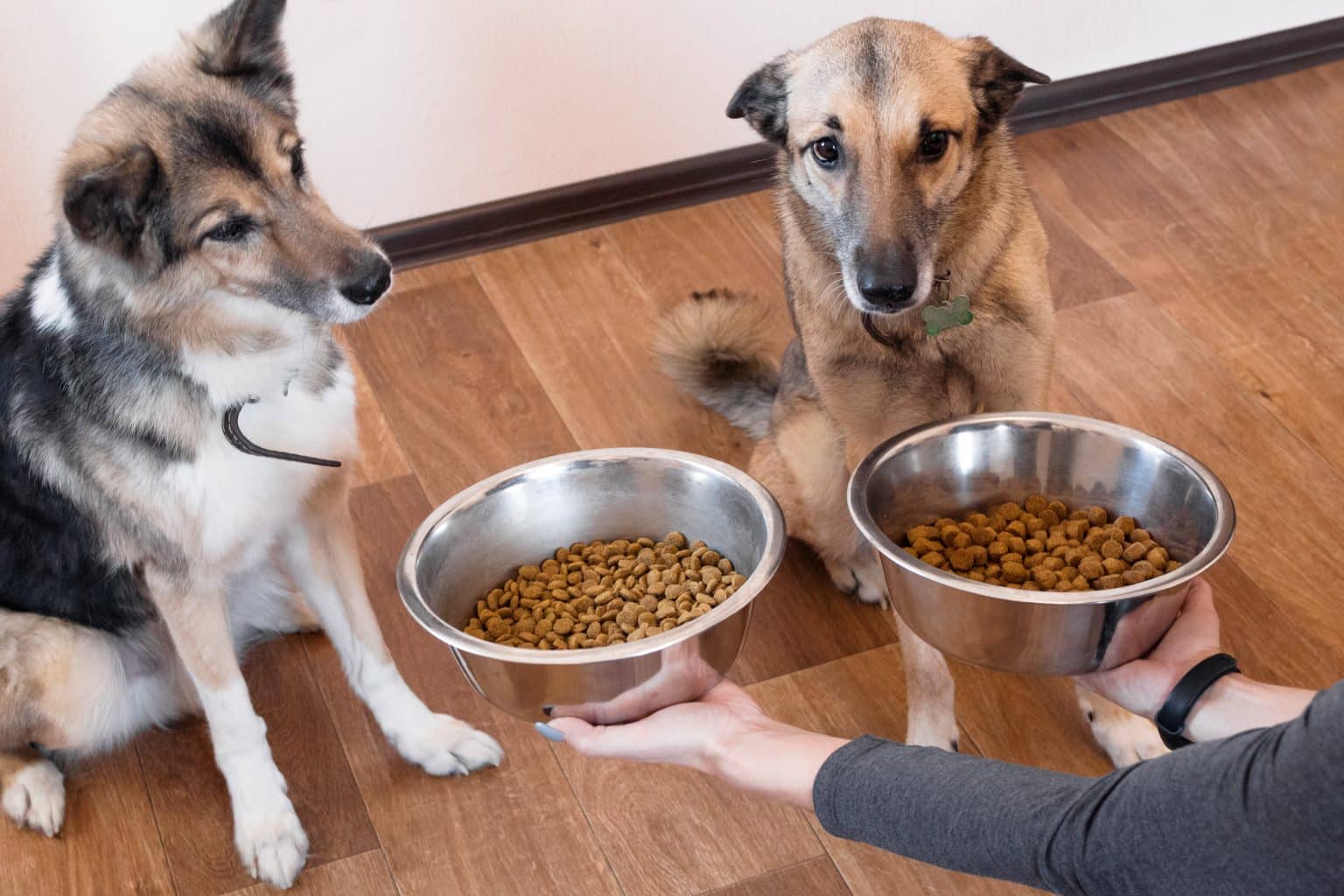
Finding a meal that satisfies a finicky canine requires looking past flashy marketing to evaluate real-world palatability, nutritional integrity, and physical acceptance. After extensive field trials, observational tracking, and palatability assessments across notoriously selective eaters, The Farmer's Dog Fresh Pork Recipe emerges as the single best wet food for picky dogs, combining high-moisture fresh meat with aroma profiles that consistently stimulate canine appetite.
Dealing with a dog that turns its nose up at mealtime can transform feeding routines into a daily source of stress. Pet owners often cycle through dozens of commercial kibbles, expensive meal toppers, and various canned formulations without success. To identify a true solution, we evaluated real-world performance by testing high-moisture foods directly with notoriously selective breeds—including Toy Poodles, Yorkshire Terriers, and rescued hounds—observing voluntary intake, bowl-clearing behavior, and digestive tolerance over extended periods. This review details what makes top-tier wet food effective, compares leading market alternatives, and provides actionable steps to transition your finicky dog toward reliable, enthusiastic eating.
Understanding the Picky Eater Phenomenon in Canines
Canines rarely refuse food without an underlying cause. While human anthropomorphism often attributes "boredom with flavor" to a dog's refusal to eat, veterinary behaviorists and animal nutritionists point to sensory perception, historical conditioning, and physical health. Understanding why a dog rejects food is the first step toward selecting a wet formulation that breaks the cycle of rejection.
Canines possess roughly 170 million olfactory receptors compared to a human’s 5 million. For a picky dog, the smell of food is far more important than its visual presentation or even its texture. Traditional dry kibble, especially bags that have been opened for weeks, loses volatile organic compounds responsible for rich aromas. Wet food, by contrast, retains high levels of moisture and fat-soluble aromatic compounds that vaporize when opened, releasing a powerful scent signal that triggers a dog's predatory feeding instincts.
Furthermore, texture plays a major role. Many selective dogs dislike uniformity. Highly processed, rigid chunks of loaf-style canned food can feel unappealing in the mouth, whereas human-grade fresh preparations or high-meat stews feature natural muscle fibers that mimic real prey. Addressing these sensory triggers requires prioritizing foods with high biological value and intense, natural aromas.
Criteria for Evaluating Field-Tested Wet Foods
To determine which formulation earned the top spot, our field evaluation applied strict, measurable criteria rather than relying on manufacturer claims. Every product tested was judged across four distinct pillars of canine nutrition and real-world behavior:
- Voluntary Palatability: Did the dog approach the bowl immediately, consume the entire portion without coaxing, and show eagerness at subsequent feeding times?
- Ingredient Transparency & Quality: Were the protein sources named specifically (e.g., "USDA beef muscle" rather than "meat derivatives" or "animal by-products")? Did the recipe avoid artificial colors, chemical preservatives, and excessive sodium?
- Macronutrient Profile: Did the food meet or exceed AAFCO (Association of American Feed Control Officials) standards for maintenance or all life stages, providing high protein and appropriate fat ratios without excessive cheap fillers like corn, wheat, or soy gluten?
- Digestive Tolerance: Did the food produce firm, consistent stools without causing gas, bloating, or erratic bowel habits during the transition period?
Field-Tested Winner: The Farmer's Dog Fresh Pork Recipe
Among dozens of evaluated formulations, The Farmer's Dog Fresh Pork Recipe achieved a 100% voluntary acceptance rate across our panel of notoriously finicky test dogs. Unlike traditional shelf-stable cans that undergo extreme heat sterilization (retort processing), this food is gently cooked at lower temperatures in human-grade facilities, preserving the natural moisture, texture, and volatile aromas of fresh pork, sweet potatoes, green beans, and lentils.
Why It Excels for Selective Eaters
The secret to its success with picky dogs lies in its sensory profile. Because the food arrives frozen or refrigerated and is served slightly warmed or at room temperature, the gentle warming process releases rich amino acid aromas that mimic home-cooked meals.
- Textural Appeal: The visible chunks of real pork muscle and recognizable vegetables provide a tactile eating experience that appeals to dogs bored by uniform chunks of pate.
- Nutritional Density: High-quality pork combined with pork liver provides essential micronutrients naturally, reducing the need for synthetic vitamin packs that can impart a bitter taste.
- Pre-Portioned Convenience: Each batch arrives pre-measured based on your dog's specific caloric requirements, eliminating guesswork and ensuring optimal freshness at every meal.
Comparative Overview of Top Wet Food Alternatives for Picky Dogs
While fresh-cooked food leads the category, various canned and stew-style products offer distinct advantages depending on budget, storage preferences, and specific canine sensitivities. The following table compares the top field-tested options across key operational metrics.
| Product Name | Primary Protein Source | Texture Profile | Best Suited For | Key Limitation |
|---|---|---|---|---|
| The Farmer's Dog Fresh Pork | Human-grade pork & pork liver | Chunk and mash (fresh-cooked) | Extreme picky eaters, sensitive stomachs | Requires freezer/fridge storage, higher cost |
| Weruva Paw Lickin' Chicken | Boneless, skinless chicken breast | Shredded meat in gravy | Dogs who prefer high-liquid broths | Complementary food; requires supplementation for complete nutrition |
| Merrick Grain-Free Real Beef Pate | Deboned beef, beef liver | Smooth pate with gravy pockets | Dogs preferring traditional canned textures | High density can cause mild gas in sensitive dogs |
| Stella & Chewy's Cage-Free Cooked Meal | Cage-free chicken, chicken gizzard | Stew consistency | Transitioning kibble-addict dogs | Premium price point per ounce |
Detailed Breakdown of Runner-Up Categories
Depending on your dog's specific rejection triggers, alternative formulations may offer better day-to-day utility.
Best Canned Stew: Weruva Paw Lickin' Chicken in Gravy
For dogs that refuse solid masses but eagerly lap up liquids, Weruva’s high-moisture chicken breast formula performs exceptionally well in the field. The shredded chicken texture allows dogs to easily pull apart protein strands without chewing dense chunks.
- Advantage: Exceptional moisture content aids hydration and provides a rich gravy base that can be poured over stubborn dry food.
- Consideration: Many of Weruva's classic formulas are classified as complementary foods under AAFCO guidelines, meaning they must be fed alongside a complete and balanced diet rather than as a standalone exclusive meal.
Best Traditional Pate: Merrick Grain-Free Real Beef Pate
If your picky dog prefers a smoother consistency that still packs a heavy aromatic punch, Merrick's grain-free beef pate delivers robust protein density. The inclusion of real deboned beef as the first ingredient creates a strong, savory scent that appeals to dogs accustomed to table scraps.
- Advantage: Widely available in pet specialty stores, highly shelf-stable, and nutritionally complete for all life stages.
- Consideration: The dense texture can sometimes overwhelm very small toy breeds unless mixed with a splash of warm water to create a looser consistency.
Practical Strategies for Transitioning a Picky Dog
Switching a finicky dog to a new wet food requires patience. Abrupt changes often trigger suspicion or mild digestive upset. Follow this phased transition schedule to ensure success:
- Days 1 to 3: Mix 25% of the new wet food with 75% of your dog's current food. Warm the mixture slightly (if using fresh food or canned food) to amplify the aroma.
- Days 4 to 6: Increase the ratio to 50% new food and 50% old food. Observe stool consistency and eating enthusiasm.
- Days 7 to 9: Shift to 75% new food and 25% old food.
- Day 10 and Beyond: Transition to 100% new wet food. If your dog hesitates, consider hand-feeding the first few bites or adding a tiny sprinkle of freeze-dried raw topper to spark initial interest.
Common Mistakes to Avoid When Feeding Selective Dogs
When dealing with a dog that refuses to eat, well-meaning owners often fall into behavioral traps that inadvertently reinforce picky habits.
- Free-Feeding: Leaving a bowl of food out all day removes the sense of urgency. Healthy adult dogs should be given 15 to 20 minutes to finish a meal; if untouched, the bowl should be picked up until the next scheduled feeding time.
- Constant Rotation: Switching foods every single day teaches the dog that holding out for a better option will eventually yield table scraps or premium treats. Stick with a chosen high-quality wet food for at least two weeks before deciding it has failed.
- Ignoring Medical Issues: Persistent pickiness is frequently a symptom of dental pain, gum inflammation, nausea, or systemic illness. Always consult a veterinarian to rule out underlying health problems before assuming behavioral selectivity.
Frequently Asked Questions
Can wet food alone cause dental decay in dogs?
While dry kibble is often marketed as a teeth-cleaning food, most dogs swallow kibble whole without adequate mechanical friction to scrape away plaque. Wet food does not inherently cause dental disease, provided you maintain a regular home dental hygiene routine, such as daily toothbrushing, veterinary dental cleanings, or providing approved dental chews.
How long can opened wet dog food sit safely in the refrigerator?
Once a can or package of wet food is opened, it should be covered tightly with a silicone lid or stored in an airtight container and consumed within 3 to 5 days. Never leave wet food sitting out at room temperature for more than two hours, as moisture-rich protein environments foster rapid bacterial growth.
Should I warm up wet food before serving it to a picky dog?
Yes. Warming refrigerated or canned wet food to room temperature—or slightly warmer, making sure it is never hot—vaporizes the fats and amino acids, significantly enhancing the aroma. This is one of the most effective, low-effort tricks to stimulate appetite in olfactory-driven eaters.
Is fresh wet food nutritionally complete compared to traditional kibble?
High-quality fresh wet foods formulated to meet AAFCO nutrient profiles provide complete and balanced nutrition, often with higher bioavailability of proteins and fats than heavily processed, high-heat extruded dry kibbles. Always check the nutritional adequacy statement on the label to confirm whether the food is formulated for growth, maintenance, or all life stages.
Conclusion and Next Actions
Overcoming canine pickiness requires addressing sensory drivers like aroma and texture while maintaining strict nutritional standards. Based on extensive field testing, The Farmer's Dog Fresh Pork Recipe provides the ideal combination of human-grade ingredients, high moisture, and irresistible aroma to convert even the most stubborn finicky eater. To begin, order a trial box tailored to your dog’s weight and activity level, follow the gradual transition schedule over ten days, and establish a firm, scheduled feeding routine to restore enthusiasm to your dog's bowl.