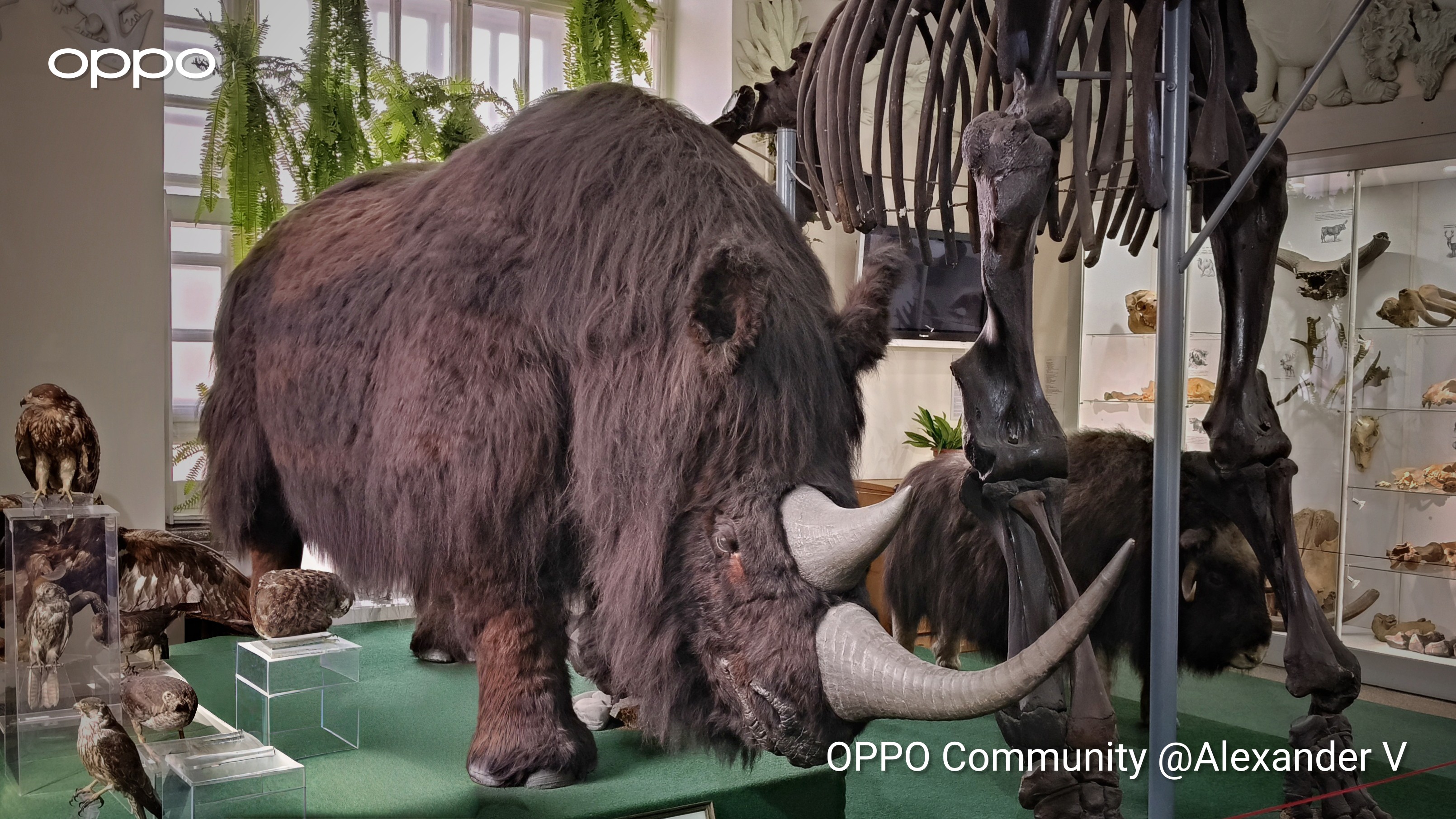
The discovery of remarkably preserved woolly rhinoceros specimens in Siberia's permafrost provides paleoclimatologists and paleontologists with unprecedented organic data, direct tissue samples, and environmental context. By analyzing DNA, stable isotopes, and surrounding sediments from these finds, researchers can reconstruct ancient Eurasian ecosystems, track megafaunal population shifts, and model Pleistocene climate fluctuations with high-resolution accuracy.
The Significance of Siberian Permafrost Discoveries
Siberia’s permafrost acts as a natural deep-freeze, preserving organic material that would otherwise decompose rapidly in temperate environments. When a woolly rhino (Coelodonta antiquitatis) is unearthed with intact soft tissues, fur, horn structures, and stomach contents, scientists gain access to biological archives that bones alone cannot provide.
Unlike fossilized remains found in limestone caves or river gravels, permafrost mummies retain cellular structures, ancient DNA (aDNA), and microscopic dietary residues. This preservation allows researchers to look beyond mere morphology and examine the physiological adaptations of a species that thrived in some of the harshest environments on Earth during the Last Ice Age.
Furthermore, the geological layers enclosing these specimens—known as cryolithogenic deposits—contain micro-fossils, pollen grains, and trapped atmospheric gases. When analyzed alongside the animal remains, these contextual layers help synchronize biological timelines with geological and climatic events of the Pleistocene epoch.
Biological and Genetic Insights from Frozen Specimens
The recovery of soft tissue and bone from Siberian woolly rhinos has revolutionized paleogenetics. DNA extraction from these specimens provides a clearer picture of population dynamics, genetic diversity, and evolutionary divergence between the woolly rhino and modern rhinoceros species, such as the Sumatran rhino, its closest living relative.
Ancient DNA and Population Demographics
Genetic sequencing of multiple woolly rhino specimens has revealed that their populations remained remarkably stable throughout significant portions of the Late Pleistocene. Contrary to the assumption that climate warming alone triggered immediate demographic collapses, genomic studies often show that populations maintained high genetic diversity until relatively late in their existence.
Researchers utilize mitochondrial DNA and nuclear genome mapping to track inbreeding coefficients and effective population sizes over millennia. This data helps scientists determine whether habitat fragmentation or human hunting pressure played a more decisive role in their ultimate extinction, which occurred roughly 14,000 years ago.
Stable Isotope Analysis of Horns and Teeth
A woolly rhino’s horn grows incrementally, much like tree rings, recording a chronological diary of the animal's life. By measuring stable isotopes of carbon, nitrogen, oxygen, and strontium within the keratin layers of the horn and the enamel of the teeth, scientists reconstruct:
- Seasonal migration patterns and home ranges.
- Dietary shifts driven by changing plant availability.
- Physiological stress indicators, such as starvation or pregnancy.
- Local hydrological and temperature conditions year-over-year.
Reconstructing Pleistocene Climate and Environment
The environmental data extracted from woolly rhino sites offers critical ground-truthing for global climate models. By understanding how ecosystems responded to past transitions from glacial periods to interglacial warming phases, scientists can better contextualize modern climate change trajectories.
| Analytical Method | Target Material | Primary Climate Indicator |
|---|---|---|
| Stable Isotope Analysis | Horn Keratin & Tooth Enamel | Seasonal temperature, diet, and water |
| Metagenomics & aDNA | Bone, Soft Tissue, Coprolites | Biodiversity, population health |
| Palynology | Surrounding Sediment / Gut Resin | Vegetation types, regional flora shifts |
| Radiocarbon Dating | Collagen & Plant Matter | Precise chronological placement |
The Mammoth Steppe Ecosystem
Woolly rhinos were flagship herbivores of the mammoth steppe—a vast, cold, dry grassland that stretched across northern Eurasia and parts of North America during the Ice Age. Analysis of stomach contents and coprolites (fossilized dung) from Siberian finds proves that these animals fed on a diverse diet of herbaceous plants, grasses, sedges, and dwarf shrubs.
The maintenance of this highly productive steppe depended on large herbivores trampling snow, recycling nutrients, and preventing the encroachment of boreal forests. When the climate warmed and precipitation increased, the permafrost began to thaw, transforming the productive grasslands into damp peatlands and taiga forests that could no longer sustain megafauna like the woolly rhino.
Translating Past Dynamics to Modern Climate Modeling
Climate scientists use proxy data from these fossil finds to test the accuracy of computer simulations that predict future environmental changes. Because the Arctic and sub-Arctic regions are currently warming at rates significantly faster than the global average, understanding the tipping points of ancient permafrost ecosystems provides vital context for permafrost thaw dynamics, carbon release, and ecological succession today.
Challenges in Recovery, Dating, and Preservation
Excavating and analyzing a frozen Pleistocene megafaunal specimen is a delicate, multi-disciplinary undertaking. The moment a carcass is exposed to ambient air and microbial activity, rapid degradation can occur if protocols are not strictly managed.
Field Recovery and Cold-Chain Logistics
Remote Siberian locations—such as the Yakutia (Sakha Republic) region—pose significant logistical hurdles. Transporting fragile soft-tissue specimens without allowing them to thaw requires specialized portable freezers, rapid helicopter extraction, and immediate collaboration with local indigenous communities who frequently make the initial discoveries.
Maintaining a strict cold chain ensures that DNA remains uncontaminated and unfragmented, while tissue samples can be preserved for histology, microbiology, and parasitology.
Contamination and Dating Accuracy
Radiocarbon dating of collagen extracted from bone or hair provides the chronological anchor for each specimen. However, contamination from modern humic acids, fungal hyphae, or handling can skew results. Laboratories apply rigorous ultrafiltration and chemical pretreatment techniques to isolate pure protein fractions, ensuring that the historical timeline derived from the rhino aligns accurately with stratigraphic records.
Frequently Asked Questions
How does a woolly rhino specimen survive for tens of thousands of years?
Preservation occurs when an animal is rapidly buried in sediment, mud, or snow shortly after death, followed by immediate and permanent freezing in permafrost. The sub-zero temperatures inhibit bacterial decay, enzymatic breakdown, and scavenger activity, effectively locking the organic structure in place.
What do stomach contents tell us about the climate?
Stomach contents and preserved gut resins contain microscopic plant fragments, pollen, and seeds. By identifying these botanical remains, scientists can reconstruct the exact vegetation present in the region at the time of the animal's death, revealing how local habitats responded to shifting climate cycles.
Why did the woolly rhino go extinct?
While climate change drastically reduced and fragmented the mammoth steppe habitat at the end of the Pleistocene, recent genomic and archaeological studies suggest a combination of rapid warming, habitat loss, and human hunting pressure contributed to their eventual disappearance around 14,000 years ago.
How do scientists determine the age of the animal when it died?
Researchers examine tooth eruption and wear patterns, bone fusion stages, and growth rings within the horn keratin. These biological markers provide reliable estimates of whether the specimen was a juvenile, prime adult, or senior at the time of death.
Practical Next Steps for Paleoclimatic Research
As permafrost thaw accelerates across the Siberian Arctic due to contemporary climate warming, more frozen specimens are inevitably exposed. The priority for the international scientific community involves establishing rapid-response protocols with local authorities and indigenous groups to secure these fragile archives before natural erosion destroys them. Future research will likely focus on high-throughput metagenomic sequencing of environmental DNA from surrounding sediments, pairing whole-genome analyses of individual rhinos with comprehensive climate simulations to map the precise sequence of ecological collapse at the end of the Pleistocene.