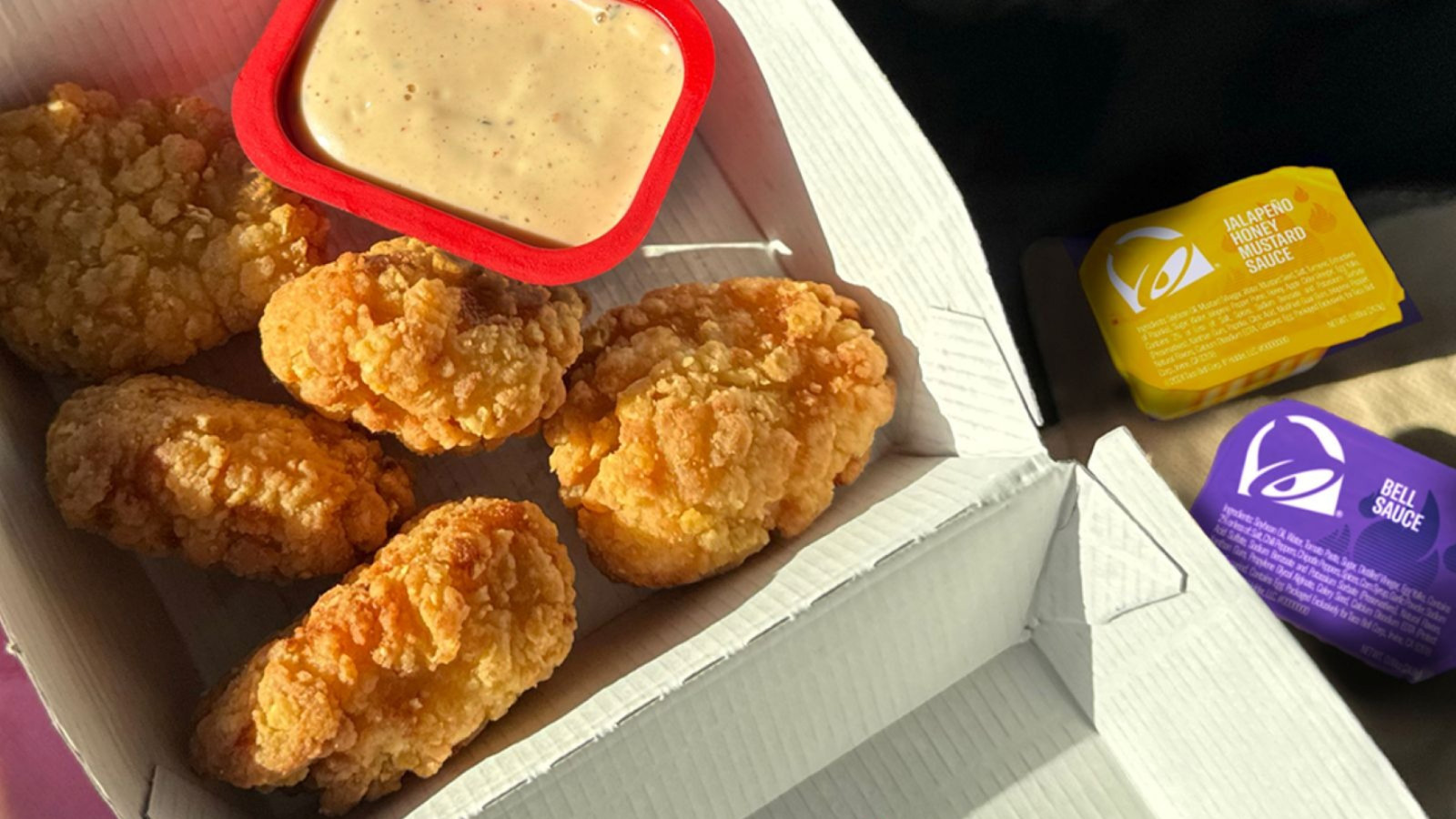
Taco Bell’s Cantina Chicken Crispy Nuggets are not generally considered a "healthy" food in the context of a nutrient-dense diet. While they provide a significant source of protein, they are high in sodium, saturated fats, and refined carbohydrates. They are best consumed as an occasional indulgence rather than a dietary staple.
The Evolution of Taco Bell’s Chicken Offerings
As we navigate the fast-food landscape of 2026, the distinction between "fast food" and "fast-casual" has blurred significantly. Taco Bell’s introduction of the Cantina Chicken menu marked a pivotal shift in the brand’s strategy, moving away from its traditional ground beef and bean-heavy roots toward more premium, whole-muscle protein options. The Cantina Chicken Crispy Nuggets are a cornerstone of this evolution.
Unlike previous limited-time chicken offerings that often utilized chopped and shaped poultry, the 2026 Cantina Nuggets use all-white meat chicken marinated in a savory jalapeño buttermilk. This shift toward "real" chicken pieces was designed to compete with industry leaders like Chick-fil-A and Popeyes. However, "real" chicken does not automatically equate to "healthy." To understand the true health impact, we must look past the marketing and into the biochemical composition of the product.
Macronutrient Breakdown: Protein vs. Fat
The primary appeal of chicken nuggets for the health-conscious consumer is often the protein content. Protein is essential for muscle repair, hormonal balance, and satiety. A standard 5-piece serving of Taco Bell Cantina Chicken Crispy Nuggets provides approximately 17 to 20 grams of protein. For those aiming for high-protein diets, this might seem like a win.
However, this protein comes at a caloric cost. The breading and the frying process introduce a significant amount of fat and carbohydrates. A 5-piece order typically contains around 250 to 280 calories. When you upgrade to a 10-piece meal, you are looking at over 500 calories before adding sides or drinks.
The Role of Saturated and Trans Fats
The nuggets are deep-fried in highly refined vegetable oils (typically a blend of soybean, canola, and sunflower oils). While Taco Bell has largely eliminated added trans fats in accordance with FDA regulations, the frying process still contributes to a high saturated fat load. Excessive intake of saturated fats is linked to elevated LDL cholesterol levels, which can increase the risk of cardiovascular disease over time. In a single 10-piece serving, a consumer may ingest 25-30% of their recommended daily limit of saturated fat.
The Sodium Hurdle: A Major Health Concern
The most significant health drawback of Taco Bell’s chicken nuggets is the sodium content. Sodium is used not only for flavor but also as a preservative and a component of the buttermilk marinade.
A 5-piece serving contains roughly 600mg to 700mg of sodium. A 10-piece order can easily exceed 1,300mg. To put this in perspective, the American Heart Association recommends an ideal limit of no more than 1,500 mg per day for most adults, and certainly no more than 2,300 mg.
Consuming half of your daily sodium allowance in a single snack or small meal can lead to:
- Water Retention: High sodium causes the body to hold onto excess fluid, leading to bloating and temporary weight gain.
- Hypertension: Chronic high sodium intake is a primary driver of high blood pressure, which strains the heart and kidneys.
- Kidney Stress: The kidneys must work harder to filter out excess salt, which can be problematic for individuals with underlying renal issues.
Ingredients and Processing: Beyond the Basics
To evaluate if Taco Bell chicken nuggets are healthy, we must look at the "hidden" ingredients. Fast-food chicken is rarely just chicken, flour, and spices. It involves a complex array of stabilizers, leavening agents, and flavor enhancers.
Refined Flour and Blood Sugar
The breading is primarily made from refined white flour and cornstarch. These are high-glycemic carbohydrates that the body breaks down quickly into glucose. This can cause a rapid spike in blood sugar, followed by an insulin response. For individuals with insulin resistance or Type 2 diabetes, the "hidden" carbs in the breading can be more detrimental than the fat content.
Additives and Preservatives
Taco Bell, like many modern chains, has made strides in removing artificial flavors and colors. However, processed chicken products still contain phosphate additives (used to keep the meat moist) and maltodextrin. While generally recognized as safe (GRAS), some studies suggest that highly processed additives can disrupt the gut microbiome when consumed in large quantities.
Comparing Taco Bell Nuggets to Competitors
To provide context, it is helpful to see how Taco Bell's 2026 nugget offerings stack up against other major players in the fast-food industry.
| Brand & Product | Serving Size | Calories | Protein (g) | Sodium (mg) | Total Fat (g) |
|---|---|---|---|---|---|
| Taco Bell Cantina Nuggets | 5-piece | 250 | 18 | 630 | 13 |
| McDonald’s McNuggets | 6-piece | 250 | 14 | 500 | 15 |
| Chick-fil-A Nuggets | 8-piece | 250 | 27 | 1210 | 11 |
| Wendy’s Crispy Nuggets | 6-piece | 270 | 12 | 600 | 17 |
| Taco Bell (Grilled Chicken) | 1 soft taco | 160 | 12 | 510 | 7 |
Note: Data based on standard 2026 nutritional disclosures. Individual preparation may vary.
As the table shows, Taco Bell's nuggets are competitive in terms of calories and protein, but they lag behind Chick-fil-A in protein density per calorie. Interestingly, Taco Bell’s own grilled chicken options remain a significantly "healthier" choice for those prioritizing lower fat and calorie counts.
The Impact of Dipping Sauces
One of the primary draws of the Cantina Chicken menu is the signature Avocado Verde Salsa. While avocado-based sauces are often perceived as healthy, the nutritional profile changes once they are commercially processed for shelf-life and consistency.
Most dipping sauces add an extra 40 to 100 calories per packet.
- Avocado Verde Salsa: Relatively low in calories but adds extra sodium.
- Creamy Chipotle Sauce: High in fat and calories due to the oil base.
- Spicy Ranch: One of the most calorically dense options, often adding 200mg of sodium and 10g of fat per serving.
If you are trying to keep your meal "healthy," the best practice is to use half a packet of sauce or skip it entirely to avoid the "hidden" calorie trap.
Are There Any Health Benefits?
While "healthy" might be a stretch, there are specific scenarios where Taco Bell nuggets might be a better choice than other menu items:
- Satiety: Because they are made from whole-muscle white meat, they provide more structural protein than bean-based items or highly processed beef. This can help you feel full longer.
- Micronutrients: Chicken is a natural source of Vitamin B12 and Choline, which support brain health and metabolic function.
- Blood Sugar Stability: Compared to a high-carb item like a bean burrito or a cheese quesadilla, the protein-to-carb ratio in nuggets is slightly more favorable for preventing massive glucose spikes, provided they aren't paired with a large soda.
Dietary Compatibility
Is it Keto-Friendly?
No. Despite being high in protein and fat, the breading on the Cantina Chicken Crispy Nuggets contains enough flour to kick most people out of ketosis. A 5-piece order contains roughly 12-15 grams of net carbs.
Is it Gluten-Free?
No. The breading is wheat-based. Furthermore, Taco Bell kitchens are high-risk environments for cross-contamination, making them unsuitable for those with Celiac disease.
Is it Low-Sodium?
Absolutely not. As established, the sodium levels are among the highest on the menu relative to the serving size.
Practical Recommendations for Health-Conscious Eaters
If you find yourself at Taco Bell in 2026 and want to try the nuggets without derailing your health goals, consider these strategies:
- Pair with Fiber: Order a side of black beans (without cheese) to add fiber to your meal. Fiber helps slow the absorption of fats and sugars and aids in digestion.
- The "Small Order" Rule: Stick to the 5-piece rather than the 10-piece. Use the nuggets as a protein add-on to a Power Menu Bowl rather than making them the entire meal.
- Hydrate Aggressively: To combat the high sodium content, increase your water intake before and after the meal to help your kidneys flush out the excess salt.
- Skip the Soda: The combination of high-sodium fried food and high-fructose corn syrup is particularly taxing on the metabolic system. Opt for unsweetened tea or water.
Frequently Asked Questions
Are Taco Bell chicken nuggets real chicken?
Yes, the Cantina Chicken Crispy Nuggets introduced in the mid-2020s are made from all-white meat chicken breast. This is a significant upgrade from older fast-food "nugget" recipes that often used ground chicken paste. However, the chicken is still processed with marinades and breading.
How many calories are in a 10-piece Taco Bell nugget?
A 10-piece order typically contains between 500 and 560 calories, depending on the specific batch and breading thickness. This does not include dipping sauces, which can add another 100-200 calories to the total.
Are the nuggets fried or baked?
Taco Bell nuggets are deep-fried in vegetable oil. This gives them their "Cantina Crispy" texture but also significantly increases their saturated fat and calorie content compared to grilled or baked chicken.
Is Taco Bell chicken healthier than McDonald's?
Nutritionally, they are very similar. Taco Bell’s nuggets tend to have slightly more protein due to the use of whole-muscle meat, but they also tend to have higher sodium levels in their marinades. Neither should be considered a "health food."
Can I get the Cantina Chicken grilled instead of fried?
While you cannot get the "nuggets" grilled, you can order the Cantina Grilled Chicken as a protein swap in almost any menu item, such as a soft taco or a bowl. The grilled version is significantly healthier as it avoids the fried breading.
Final Verdict: Should You Eat Them?
Taco Bell’s chicken nuggets are a marked improvement in food quality for the chain, offering real protein and a more "premium" experience. However, from a clinical nutritional standpoint, they remain a high-sodium, ultra-processed food.
If your goal is weight loss or heart health, these nuggets should not be a regular part of your diet. If you are an athlete looking for a quick protein fix while on the road, they are a better choice than a cinnamon twist or a cheese quesadilla, but they still fall short of a home-cooked or grilled chicken meal. Enjoy them for what they are—a tasty, crispy fast-food innovation—but consume them with an awareness of their nutritional limitations.