Yes, a significant portion of Subaru vehicles are built in America. The Subaru of Indiana Automotive (SIA) plant in Lafayette, Indiana, serves as the primary North American manufacturing hub. As of 2026, this facility produces the Subaru Outback, Ascent, Crosstrek (2.5-liter models), and Legacy. Other models, including the Forester and WRX, are imported from Japan.
For decades, the question of where a vehicle is manufactured has been a primary concern for North American buyers. Whether driven by a desire to support local labor, concerns over supply chain stability, or curiosity about build quality, understanding the origins of your vehicle is essential. Subaru, a brand synonymous with all-wheel-drive reliability and outdoor utility, maintains a dual-manufacturing strategy that splits its production between its historic roots in Japan and its massive industrial footprint in the United States.
The Heart of American Production: Subaru of Indiana Automotive (SIA)
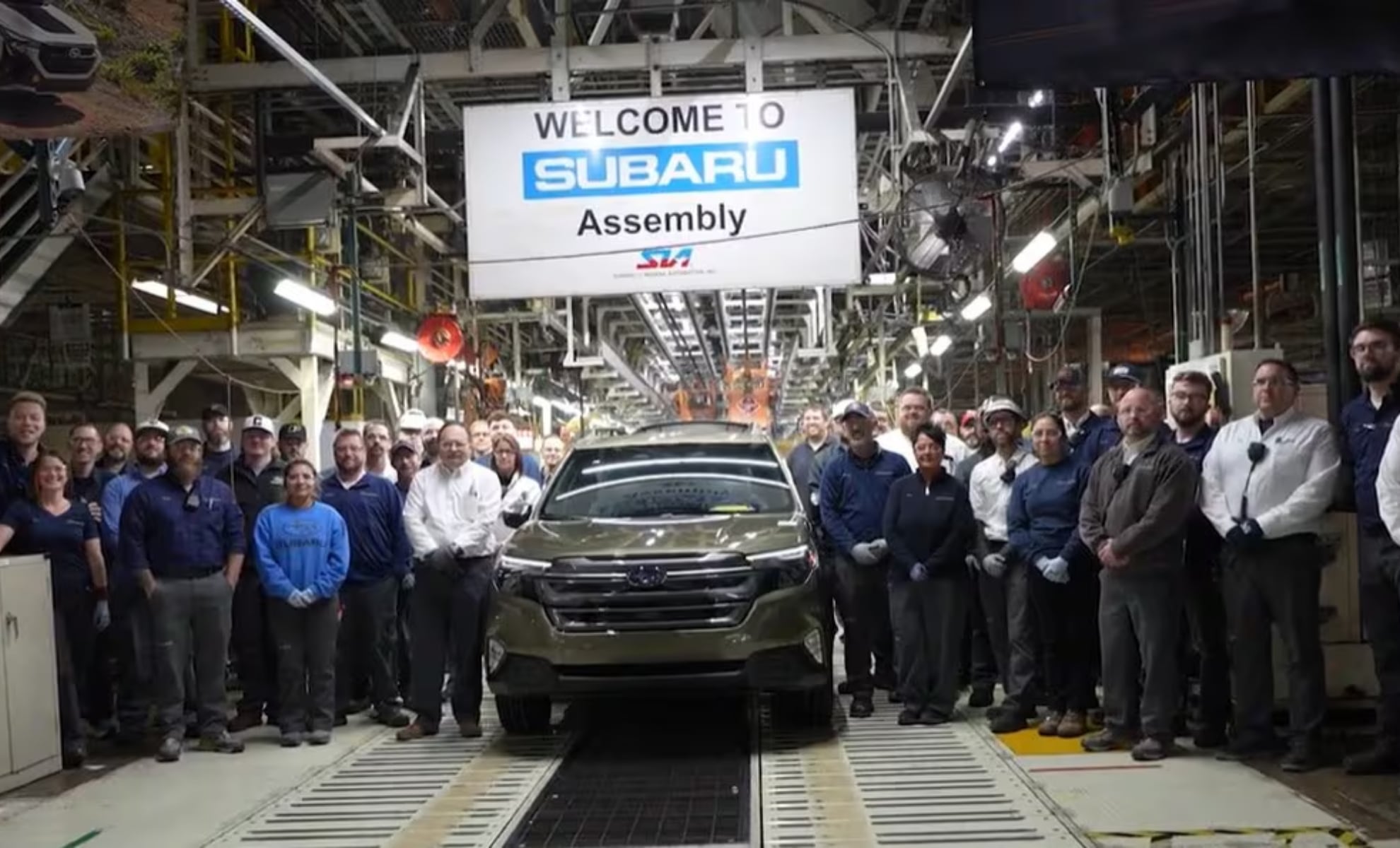
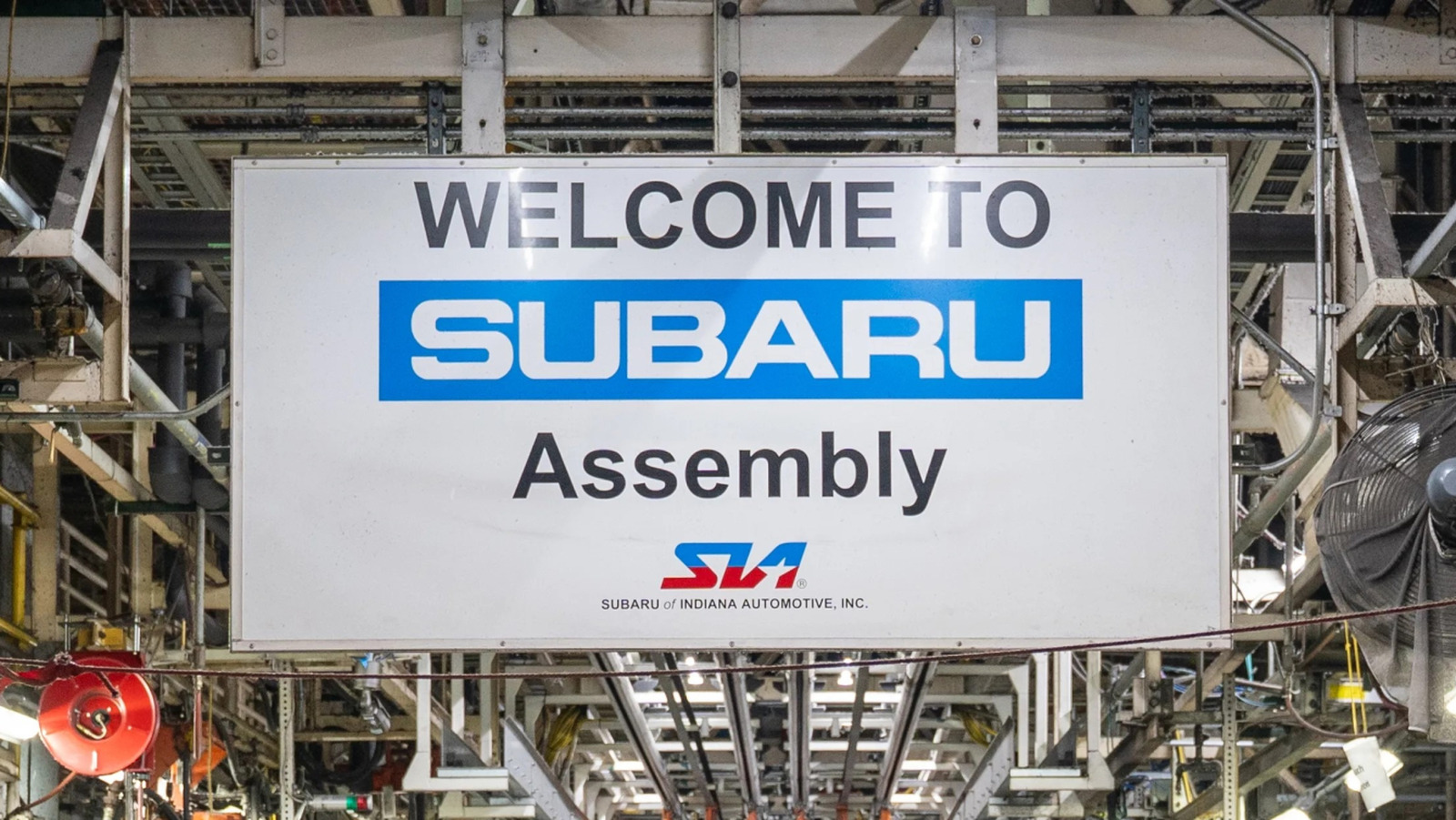
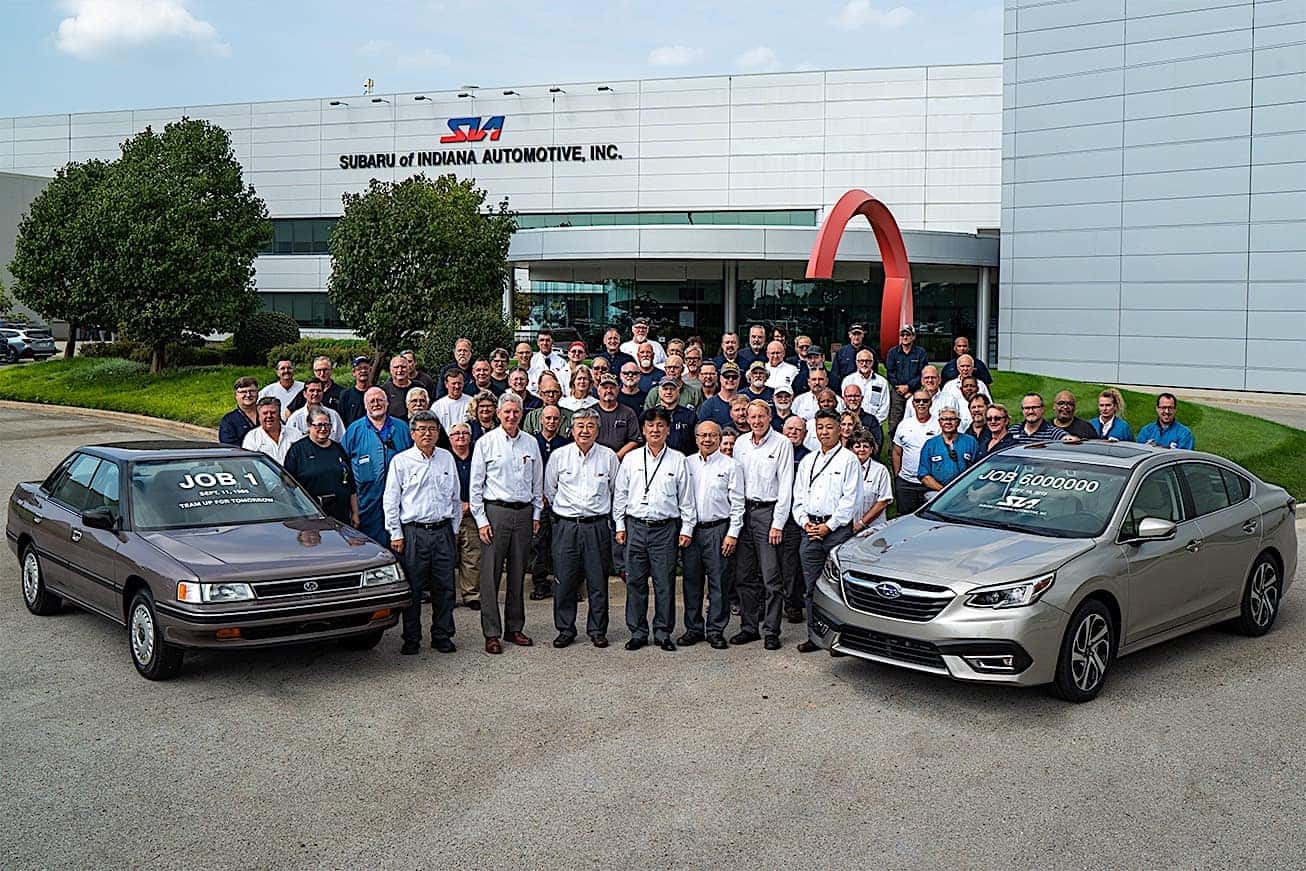
The cornerstone of Subaru’s American presence is Subaru of Indiana Automotive (SIA). Located in Lafayette, Indiana, this facility is not merely an assembly plant but a comprehensive manufacturing ecosystem. Established originally as a joint venture with Isuzu in the late 1980s, Subaru eventually took full ownership of the facility, transforming it into its only manufacturing plant outside of Asia.
By 2026, SIA has reached a production capacity of approximately 400,000 vehicles annually. This scale is necessary because the North American market represents the lion's share of Subaru’s global sales. To meet this demand efficiently, Subaru has invested billions of dollars into the Lafayette plant, ensuring it utilizes the same "Subaru Production System" found in their Japanese facilities. This ensures that a vehicle rolling off the line in Indiana meets the exact same tolerances and quality benchmarks as one built in Ota, Japan.
One of the most notable aspects of SIA is its status as a Zero-Landfill facility. Since 2004, the plant has not sent a single pound of manufacturing waste to a landfill. Everything is recycled, reused, or converted into energy. This commitment to environmental stewardship aligns with the brand's image and has made the Indiana plant a model for automotive manufacturing worldwide.
Breakdown of Subaru Models Built in the USA
Not every Subaru is built in the United States. The company strategically chooses which models to produce locally based on sales volume and the specific needs of the North American driver. As of 2026, the following models are manufactured at the SIA plant:
The Subaru Outback
The Outback is perhaps the most iconic vehicle produced in Indiana. As a flagship for the brand’s "rugged-utility" identity, the Outback has been a staple of the Lafayette assembly lines for generations. Because the North American market consumes the vast majority of global Outback production, it makes logistical sense to build it where it is sold.
The Subaru Ascent
The Ascent is unique because it was designed specifically for the North American market. This three-row SUV is not sold in Japan in its current form, making its production at the SIA plant exclusive. Every Ascent found on the road today was manufactured in Indiana, utilizing a high percentage of domestically sourced steel and components.
The Subaru Crosstrek (2.5L Trims)
While the Crosstrek was historically a Japanese import, Subaru shifted production of certain trims to the United States starting with the 2024 model year. Specifically, Crosstrek models equipped with the 2.5-liter Boxer engine—including the Sport, Limited, and Wilderness trims—are manufactured in Lafayette. This move allowed Subaru to bypass import delays and respond more quickly to the high demand for this subcompact crossover.
The Subaru Legacy
The Legacy sedan continues its long-standing production run in Indiana. While sedans have seen a decline in overall market share compared to SUVs, the Legacy remains a key part of the SIA portfolio, sharing many structural components and assembly line processes with the Outback.
Which Subaru Models Are Imported from Japan?
Despite the massive output of the Indiana plant, several key models are still manufactured at Subaru’s primary facilities in the Gunma Prefecture of Japan. These plants include the Main Plant and the Yajima Plant.
- Subaru Forester: Despite being one of the best-selling models in the U.S., the Forester remains a Japanese import. Subaru has balanced its global production by keeping the Forester in Gunma to serve both the Asian/European markets and North American demand.
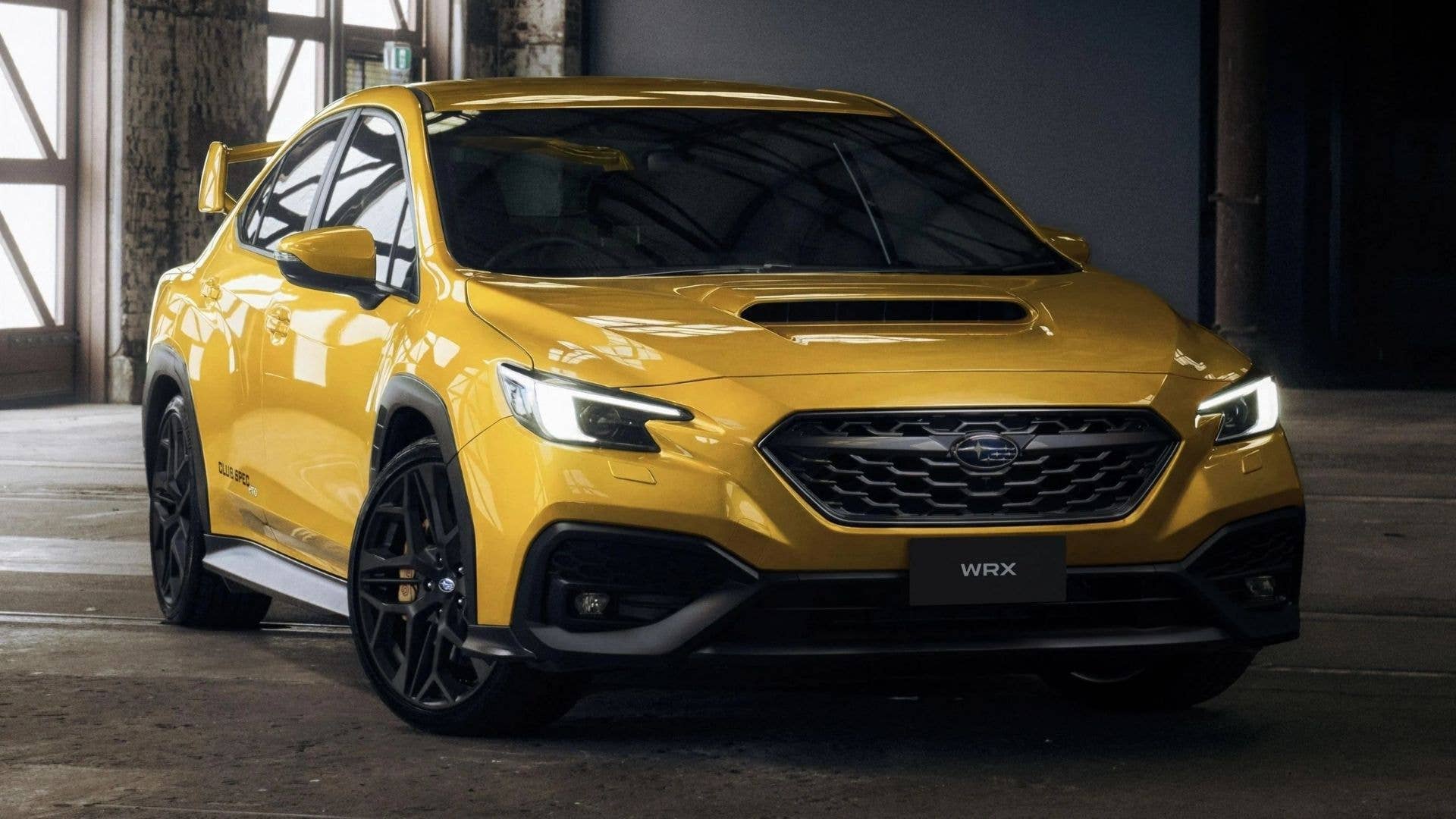
- Subaru WRX and BRZ: These performance-oriented models are built in Japan. The BRZ is notably produced at a facility shared with Toyota (which produces the GR86), while the WRX remains a product of the Gunma Main Plant.
- Subaru Crosstrek (2.0L Trims): While the 2.5L versions are built in the U.S., the base and Premium trims featuring the 2.0-liter engine are still largely imported from Japan to balance the production load between the two countries.
- Subaru Solterra: As Subaru’s first mass-market electric vehicle (EV), the Solterra is currently produced at Toyota’s Motomachi plant in Japan as part of a joint development agreement.
Understanding "American Made": Parts Content and the AALA
To truly answer if a car is "built in America," one must look beyond the final assembly point. The American Automobile Labeling Act (AALA) requires manufacturers to disclose the percentage of parts that originate in the U.S. or Canada.
Even for vehicles assembled in Indiana, some core components—most notably the Boxer engines and Lineartronic CVTs (Continuously Variable Transmissions)—often arrive as major assemblies from Japan. However, Subaru has been steadily increasing its local sourcing. Many structural stampings, interior components, and glass are provided by suppliers located within a few hundred miles of the Lafayette plant.
| Model | Primary Assembly Location | Domestic Parts Content (Approx.) |
|---|---|---|
| Subaru Outback | Lafayette, Indiana, USA | 40% - 50% |
| Subaru Ascent | Lafayette, Indiana, USA | 45% - 55% |
| Subaru Legacy | Lafayette, Indiana, USA | 40% - 50% |
| Subaru Crosstrek (2.5L) | Lafayette, Indiana, USA | 35% - 45% |
| Subaru Forester | Gunma, Japan | < 5% |
| Subaru WRX | Gunma, Japan | < 5% |
Note: Percentages vary by trim level and model year based on NHTSA data.
How to Verify Where Your Subaru Was Built
If you are looking at a specific Subaru on a dealership lot or in your driveway, the easiest way to verify its country of origin is by checking the Vehicle Identification Number (VIN). The VIN is a 17-character code located on the driver’s side dashboard (visible through the windshield) or on the door pillar sticker.
- Check the First Character:
- If the VIN begins with a "1", "4", or "5", the vehicle was manufactured in the United States.
- If the VIN begins with a "J", the vehicle was manufactured in Japan.
- Review the Monroney Sticker: The Window Sticker (Monroney sticker) of a new vehicle is legally required to list the point of final assembly and the percentage of U.S./Canadian parts content.
- Check the Door Jamb: The federal safety plate located on the driver’s side door jamb explicitly states the month and year of manufacture, as well as the plant location (e.g., "MFD BY SUBARU OF INDIANA AUTOMOTIVE, INC.").
Quality Standards: Japan vs. USA
A common question among Subaru enthusiasts is whether there is a measurable difference in quality between the Japanese-built and American-built models. Historically, some buyers preferred Japanese-built cars, believing that the "J-VIN" cars benefited from stricter quality control.
However, in 2026, those distinctions have largely vanished. Subaru utilizes a global quality management system where associates in Indiana undergo the same rigorous training as their counterparts in Gunma. Furthermore, the Subaru Production System (SPS) relies on highly automated precision welding and painting processes that are identical across all global facilities.
Reliability data from independent organizations like Consumer Reports and J.D. Power consistently show that the Indiana-built Outback and Ascent perform similarly to the Japanese-built Forester in terms of long-term durability and initial quality. The primary differences between the models are due to design and segment—such as the complexity of the Ascent’s turbocharger vs. the Forester’s naturally aspirated engine—rather than the geographic location of the assembly line.
The Economic Impact of Subaru in America
Subaru’s commitment to building in America has profound economic implications. SIA employs over 6,000 associates directly in Lafayette. Beyond direct employment, the "multiplier effect" of an automotive assembly plant is significant. For every one job at the SIA plant, several more are created at local suppliers, logistics companies, and service providers.
Subaru also maintains a dedicated Research and Development center in Ann Arbor, Michigan, and its North American headquarters in Camden, New Jersey. This infrastructure allows Subaru to tailor its vehicles to the specific preferences of American drivers, such as larger cup holders, more robust roof rail systems for overland camping, and specific safety calibrations for North American road conditions.
Future Outlook: EVs and Localized Production
As the automotive industry shifts toward electrification, Subaru's American manufacturing footprint is expected to evolve. By 2026, Subaru has signaled a significant push toward domestic EV production to comply with evolving federal tax credit requirements, such as those outlined in the Inflation Reduction Act (IRA).
To qualify for maximum consumer incentives in the United States, vehicles must meet strict "Made in America" requirements for both assembly and battery component sourcing. While the initial Solterra was a Japanese import, industry analysts expect Subaru to integrate EV assembly lines into the Lafayette plant or a nearby satellite facility before the end of the decade. This transition would ensure that Subaru remains competitive in a market increasingly focused on domestic energy and manufacturing independence.
FAQ: Common Questions About Subaru's Origins
Is the Subaru Forester built in the USA?
No, the Subaru Forester is currently manufactured exclusively in Japan at the Gunma Yajima plant. While it is one of Subaru's most popular models in North America, there are no current plans to move its production to the Indiana facility.
Which Subaru models have the most American parts?
The Subaru Ascent and Subaru Outback typically have the highest percentage of North American parts content, often hovering between 40% and 55%. This includes major structural components, seating, and glass sourced from domestic suppliers.
Does the VIN tell me exactly where my Subaru was made?
Yes. If your VIN starts with the letter "J", it was made in Japan. If it starts with a "1", "4", or "5", it was assembled at the Subaru of Indiana Automotive plant in Lafayette, Indiana.
Why are some Crosstreks made in Japan and others in the USA?
Subaru split Crosstrek production to meet high demand. The models with the 2.5L engine (Sport, Limited, Wilderness) are built in Indiana to serve the North American market more quickly. The 2.0L base models and those destined for other global markets are still primarily produced in Japan.
Is Subaru an American company?
No, Subaru is the automotive division of Subaru Corporation (formerly Fuji Heavy Industries), which is headquartered in Ebisu, Tokyo, Japan. However, its American subsidiary, Subaru of America, Inc., is deeply integrated into the U.S. economy.
Practical Recommendation for Buyers
When shopping for a Subaru, if "Made in America" status is a high priority for you, focus your search on the Outback, Ascent, Legacy, or the 2.5L versions of the Crosstrek. These vehicles support thousands of American jobs and utilize a substantial amount of domestic material.
However, do not let the country of origin deter you from models like the Forester or WRX. Subaru’s global manufacturing standards ensure that whether your car comes from the Gunma Prefecture or the plains of Indiana, it is built to the same rigorous standards for safety, all-wheel-drive performance, and longevity. Always check the Monroney sticker on the window of a new car for the most accurate, up-to-date information regarding parts content and assembly for that specific vehicle.