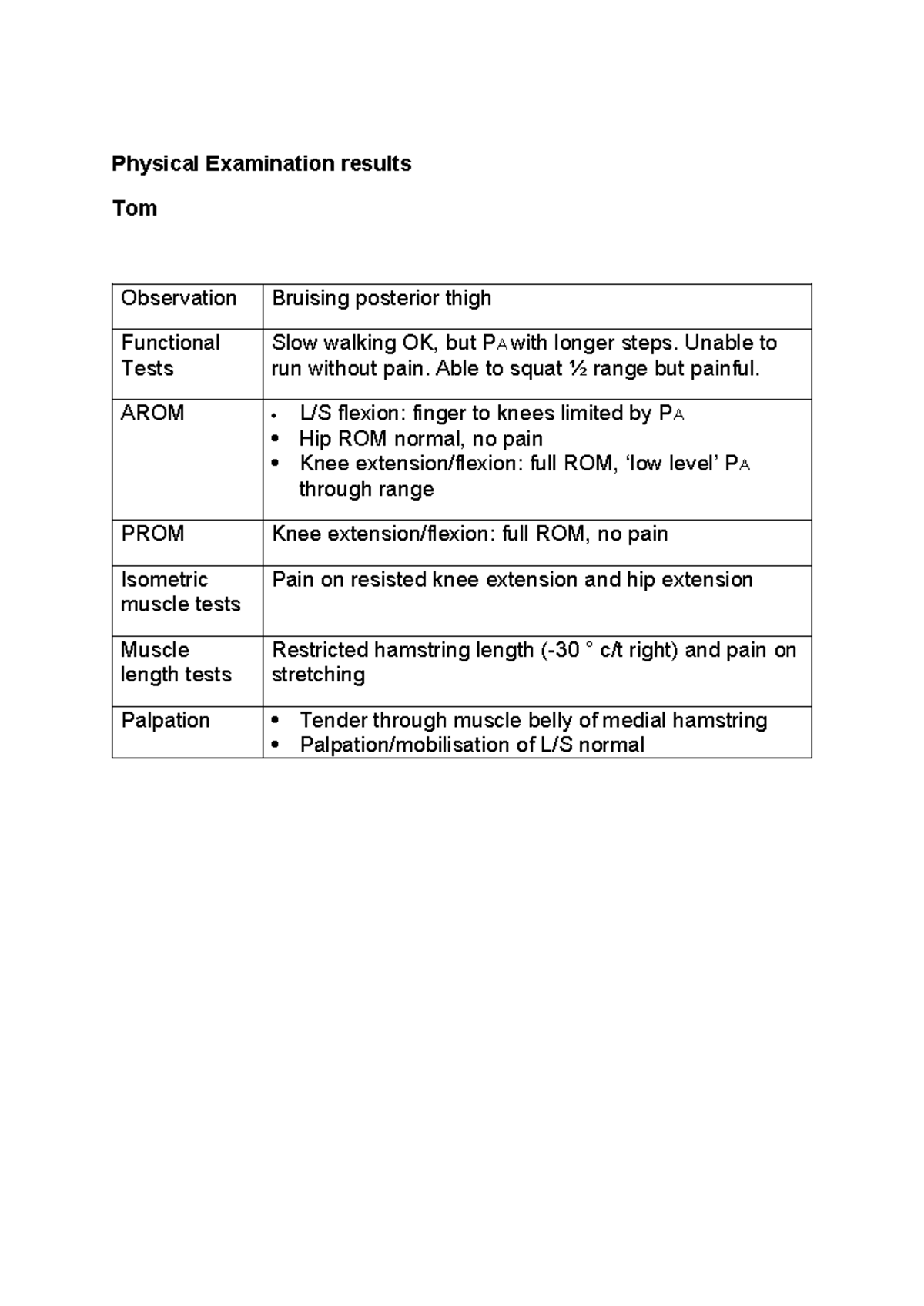
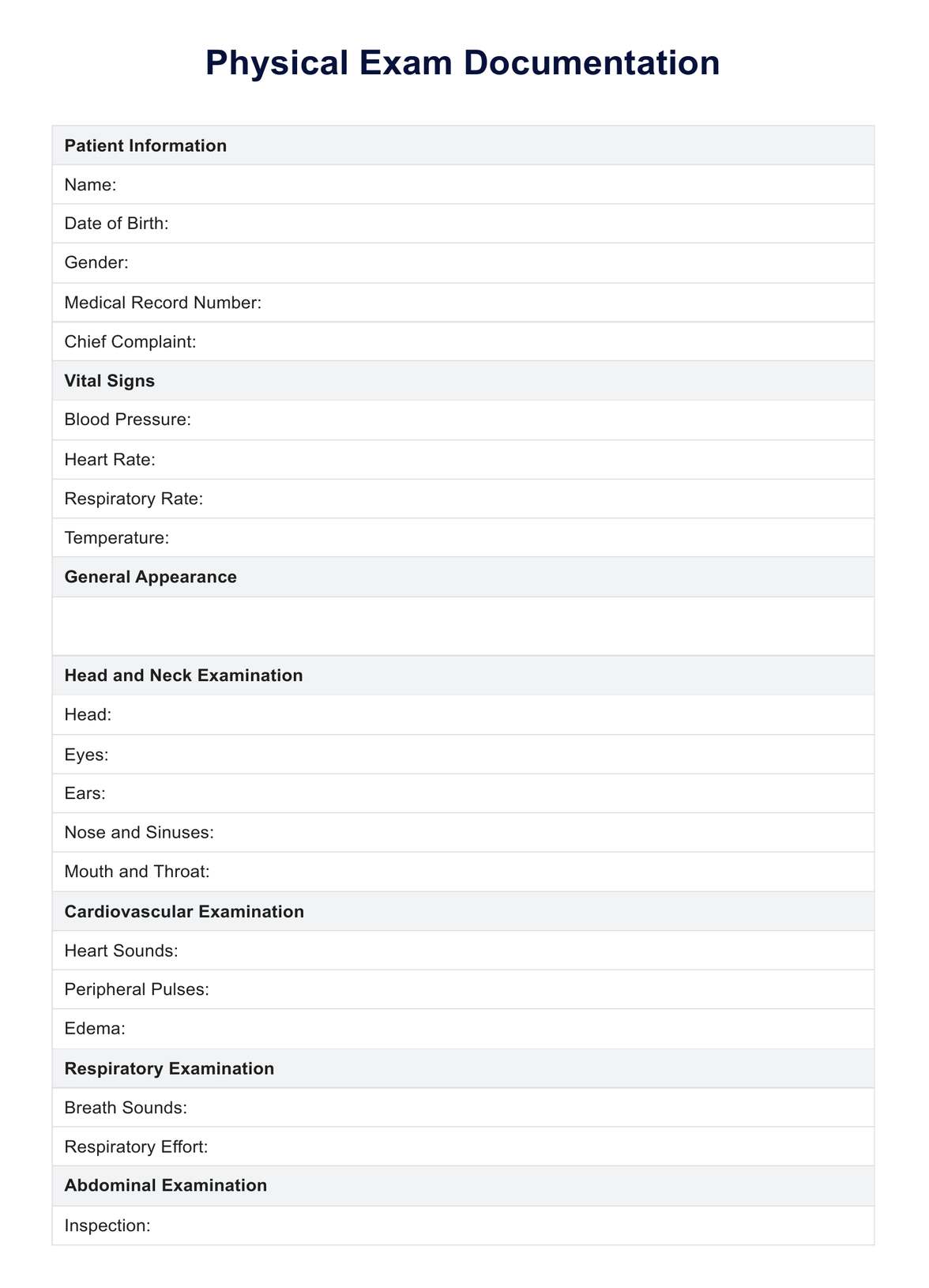
A physical exam result provides a comprehensive overview of your current health status by combining clinical observations, vital sign measurements, and laboratory data. These results help identify potential medical issues before they become symptomatic, establish a health baseline for future comparison, and guide personalized lifestyle or medical interventions to optimize your long-term well-being.
Receiving a report full of medical jargon, abbreviations, and numerical ranges can be overwhelming. However, understanding your physical exam result is a critical step in taking agency over your healthcare. In 2026, healthcare has become increasingly data-driven, with patient portals providing immediate access to complex metrics. This guide breaks down the various components of a standard physical examination, explains the significance of common laboratory findings, and clarifies what those "normal ranges" actually signify for your health.
The Foundation of the Physical Exam: Vital Signs
Vital signs are the first set of data points collected during a physical. They provide a high-level snapshot of your body’s most basic functions. While these numbers can fluctuate based on stress (often called "white coat hypertension") or physical activity, they remain the most reliable primary indicators of cardiovascular and metabolic health.
Blood Pressure (BP)
Blood pressure measures the force of blood against the walls of your arteries. It is recorded as two numbers: systolic (the pressure when the heart beats) and diastolic (the pressure when the heart rests between beats). As of 2026, the American Heart Association (AHA) and other global bodies continue to emphasize that a "normal" reading is generally below 120/80 mmHg.
- Elevated Blood Pressure: Consistently hitting 120–129 systolic and less than 80 diastolic. This is often a warning sign to implement lifestyle changes.
- Hypertension Stage 1 and 2: Readings above 130/80. Chronic high blood pressure can damage blood vessels over time, leading to heart disease or stroke.
Heart Rate and Respiratory Rate
Your pulse (heart rate) and breathing rate (respiratory rate) indicate how well your heart and lungs are working together. A normal resting heart rate for adults typically ranges from 60 to 100 beats per minute. Athletes may have much lower rates (in the 40s or 50s), which is often a sign of superior cardiovascular efficiency.
The respiratory rate, usually 12 to 16 breaths per minute, is monitored to ensure the lungs are adequately oxygenating the blood without excessive effort. Abnormalities here can prompt further investigation into pulmonary health or potential metabolic imbalances.
Body Mass Index (BMI) and Waist Circumference
While BMI (weight relative to height) has faced criticism for not distinguishing between muscle and fat mass, it remains a standard screening tool in 2026 to categorize weight-related health risks. Physicians often supplement BMI with waist circumference measurements, as abdominal fat (visceral fat) is more closely linked to type 2 diabetes and cardiovascular disease than fat stored elsewhere in the body.
Decoding the Physical Inspection Findings
During the "hands-on" portion of the exam, the provider performs a head-to-toe assessment. The notes in your result may use specific clinical terms to describe what the provider heard, felt, or saw.
Head, Ears, Eyes, Nose, and Throat (HEENT)
In this section of your report, you might see terms like PERRLA, which stands for "Pupils Equal, Round, and Reactive to Light and Accommodation." This indicates a healthy neurological response in the eyes. Findings regarding the "tympanic membranes" (eardrums) or "oropharynx" (throat) verify the absence of inflammation or infection.
Cardiovascular and Respiratory Auscultation
When a doctor uses a stethoscope, they are listening for specific sounds:
- Heart Sounds: A "normal sinus rhythm" with "no murmurs, rubs, or gallops" indicates that the heart valves are closing correctly and the blood is flowing smoothly.
- Lung Sounds: "Clear to auscultation bilaterally" means your lungs are free of fluid, congestion, or wheezing in all lobes.
Abdominal and Musculoskeletal Assessment
The provider palpates (presses) the abdomen to check for "organomegaly" (enlarged organs) or tenderness. A normal result often states "abdomen soft, non-tender, non-distended." In the musculoskeletal section, the provider assesses "Range of Motion" (ROM) and "Symmetry," ensuring that joints and muscles are functioning without impairment.
Understanding Laboratory Results and Blood Work
The laboratory portion of your physical exam result is often the most detailed. Most labs provide a "reference range," which is the span of values considered normal for the majority of the healthy population. It is important to note that a result slightly outside the range does not always indicate a disease; context from your physician is essential.
Complete Blood Count (CBC)
The CBC measures the different cells that make up your blood.
- White Blood Cells (WBC): These are your immune system’s primary defenders. High counts may indicate infection or inflammation, while low counts can suggest bone marrow issues or certain medications' side effects.
- Red Blood Cells (RBC) and Hemoglobin: These carry oxygen throughout your body. Low levels often indicate anemia, which can cause fatigue and shortness of breath.
- Platelets: These are responsible for blood clotting. If they are too low, you may bruise easily; if too high, there may be a risk of excessive clotting.
Comprehensive Metabolic Panel (CMP)
The CMP provides a "chemical map" of your metabolism, focusing on kidney function, liver health, and electrolyte balance.
- Creatinine and eGFR: These are the primary indicators of kidney health. Creatinine is a waste product that healthy kidneys filter out. The eGFR (estimated Glomerular Filtration Rate) tells you how well your kidneys are filtering; a higher number is generally better.
- ALT and AST: These are liver enzymes. When liver cells are damaged or inflamed, these enzymes leak into the bloodstream, causing elevated levels in your results.
- Electrolytes (Sodium, Potassium, Chloride, CO2): These minerals are vital for muscle function and pH balance. Imbalances can be caused by dehydration, kidney issues, or certain medications.
Lipid Panel (Cholesterol)
This panel evaluates your risk for cardiovascular disease by measuring different types of fats in the blood.
| Component | Description | Ideal Range (General) |
|---|---|---|
| Total Cholesterol | Combined measure of LDL and HDL | Under 200 mg/dL |
| LDL Cholesterol | "Bad" cholesterol; builds up in arteries | Under 100 mg/dL |
| HDL Cholesterol | "Good" cholesterol; helps remove LDL | Above 40 or 50 mg/dL |
| Triglycerides | Type of fat used for energy storage | Under 150 mg/dL |
Blood Glucose and A1c
These tests screen for prediabetes and diabetes. A Fasting Blood Glucose test measures your sugar at a single point in time, while the Hemoglobin A1c provides an average of your blood sugar over the past two to three months. In 2026, an A1c below 5.7% is considered normal, 5.7% to 6.4% indicates prediabetes, and 6.5% or higher is the threshold for a diabetes diagnosis.
Preventive Screenings and Age-Specific Tests
A physical exam result often includes a summary of "Maintenance" or "Preventive" screenings. These are based on your age, biological sex, and family history.
- Cancer Screenings: Depending on your profile, your report may mention a Mammogram (breast cancer), Pap Smear (cervical cancer), Colonoscopy (colorectal cancer), or PSA test (prostate cancer). Current 2026 guidelines emphasize starting colorectal screenings at age 45 for average-risk individuals.
- Immunizations: Your results will note if you are up-to-date on vaccines like the Tetanus-Diphtheria-Pertussis (Tdap), Shingles (for those over 50), and the annual influenza or updated respiratory virus boosters.
- Bone Density: For older adults or those with specific risk factors, a DEXA scan may be included to screen for osteoporosis.
Why Some Results May Be Flagged
If you see a result marked as "High," "Low," or "Abnormal" in your portal, do not panic. Laboratory reference ranges are calculated based on a bell curve of the population. There are several reasons why a "flagged" result might not be a cause for concern:
- Biological Variation: Your "normal" might naturally sit just outside the laboratory's standardized range.
- Temporary Factors: Recent exercise, a minor cold, or even the food you ate the night before (if you didn't fast properly) can skew results.
- Lab Error: While rare, technical errors can occur, often leading your doctor to request a re-test for confirmation.
- Trend Analysis: Doctors look at trends over several years. A single slightly high glucose reading is less concerning than a glucose reading that has risen steadily every year for five years.
For more information on clinical laboratory standards, you can visit the Centers for Disease Control and Prevention (CDC).
Frequently Asked Questions
What does "within normal limits" (WNL) mean?
"Within normal limits" is a clinical notation used by providers to indicate that the specific organ system or lab value being examined falls within the expected, healthy range for a person of your age and profile. It means no immediate abnormalities were detected during that part of the assessment.
Why was my blood sugar high if I fasted?
Stress, poor sleep the night before, or certain medications (like steroids) can raise blood glucose levels even in a fasting state. Additionally, the "dawn phenomenon" causes the body to release hormones in the early morning that can naturally increase blood sugar. Your doctor will likely look at your A1c to see if this was a one-time spike or a chronic issue.
Do I need to worry about a "trace" finding in my urinalysis?
Not necessarily. Findings like "trace protein" or "trace ketones" are common and can be caused by intense exercise, mild dehydration, or even a high-protein diet. However, if "trace" findings are accompanied by symptoms like pain or frequent urination, your doctor will investigate further for a possible urinary tract infection or kidney stress.
How often should I get a physical exam?
In 2026, the recommendation for healthy adults under age 50 is generally a comprehensive physical every one to three years. For those over 50 or individuals with chronic conditions like hypertension or diabetes, an annual exam is standard. Your specific health risks and your doctor's advice should ultimately dictate the frequency.
What should I do if my results show high cholesterol but I feel fine?
High cholesterol is often "silent," meaning it produces no symptoms until a cardiovascular event occurs. If your results show high LDL or low HDL, it is an opportunity to intervene early. Discuss with your doctor whether lifestyle changes (diet and exercise) are sufficient or if pharmaceutical intervention is necessary based on your overall cardiovascular risk score.
Next Steps: Moving from Data to Action
Once you have reviewed your physical exam result, the most important next step is the follow-up consultation with your healthcare provider. Use your result report as a roadmap for this conversation.
- Prepare Questions: Identify any "High" or "Low" flags and ask, "What does this mean for my long-term health?"
- Request Trends: Ask your provider to compare this year's results with previous years to identify any emerging patterns.
- Set Goals: If your BMI, blood pressure, or glucose levels are moving in the wrong direction, work with your provider to set "SMART" (Specific, Measurable, Achievable, Relevant, Time-bound) goals for the coming year.
- Confirm Referrals: If your physical suggested a need for specialized care (such as a dermatologist for a suspicious mole or a cardiologist for a murmur), ensure those appointments are scheduled.
Disclaimer: This article is for informational purposes only and does not constitute medical advice. Always consult with a qualified healthcare professional to interpret your specific medical results and determine a treatment plan.