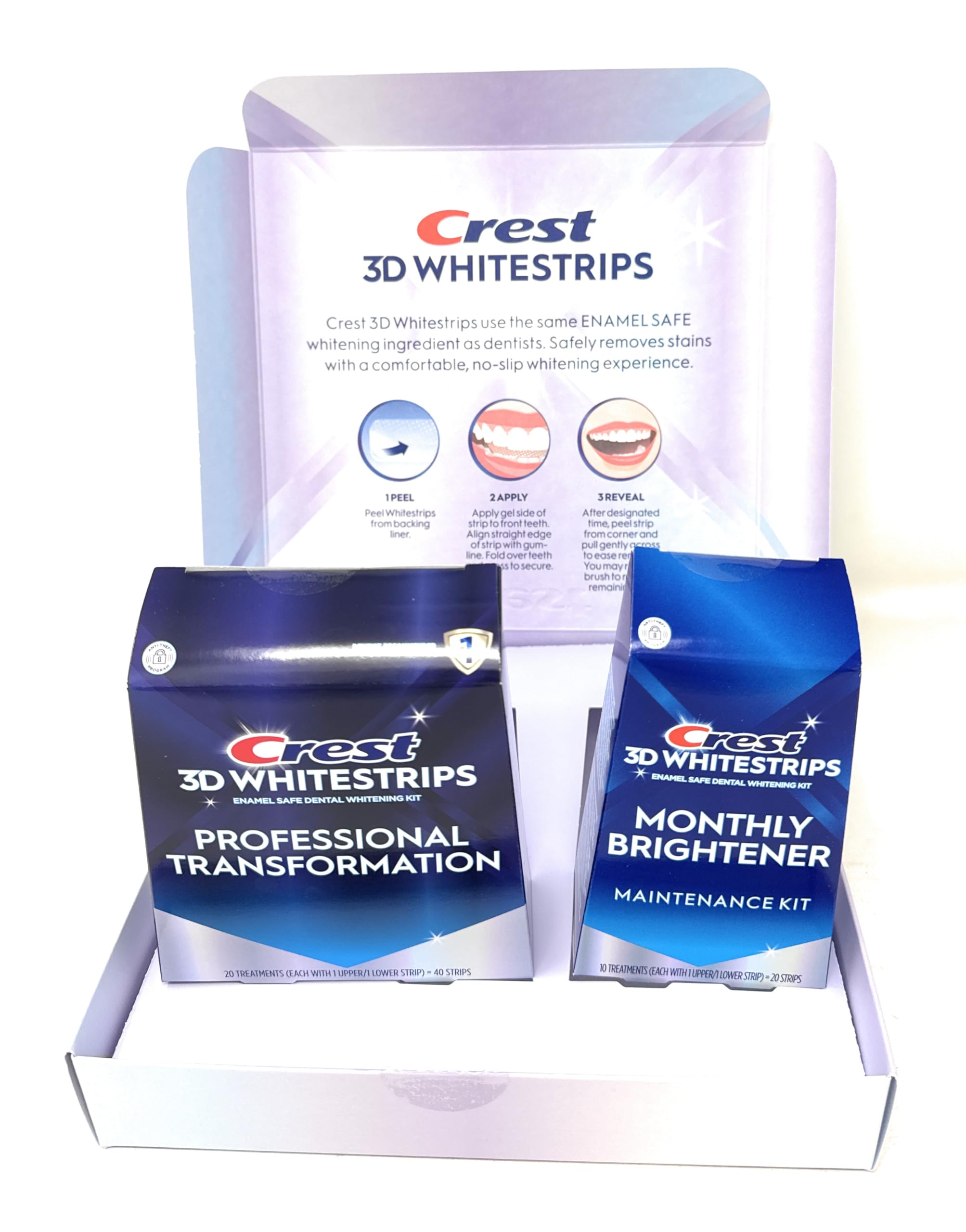
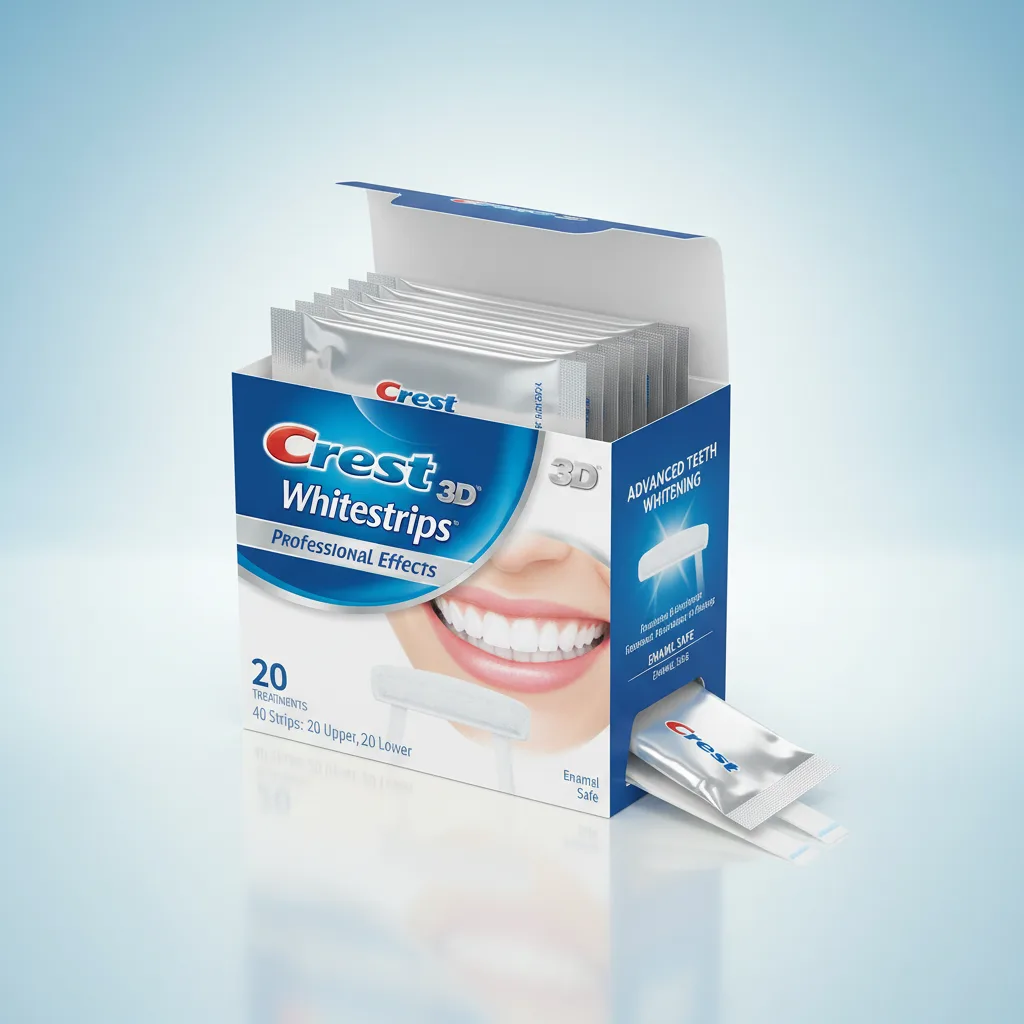
Crest 3D Whitestrips are over-the-counter teeth whitening systems that utilize hydrogen peroxide to oxidize tooth stains. Reviews indicate they are highly effective for extrinsic stain removal, though users frequently report varying degrees of tooth sensitivity. Success depends on consistent application, adherence to usage protocols, and managing expectations regarding the natural limitations of peroxide-based bleaching on different dental materials.
Understanding the Technology Behind Crest 3D Whitestrips
To evaluate the effectiveness of Crest 3D Whitestrips, one must first understand the chemical mechanism they employ. Unlike whitening toothpastes, which primarily use mild abrasives to polish the surface of the enamel, Crest 3D Whitestrips use a concentration of hydrogen peroxide (or its precursors) delivered via a thin, flexible plastic strip.
When applied to the teeth, the peroxide gel penetrates the porous enamel layer. It works by breaking down large, pigmented molecules—the "stains"—into smaller, colorless particles through a process known as oxidation. Because the strip holds the active agent against the tooth surface for a specified duration, it provides a much more significant concentration of the whitening agent than a quick rinse or a toothpaste could deliver.
The product line is segmented by varying levels of intensity and treatment duration. Some versions, like the "Classic" or "Professional" tiers, differ primarily in their concentration of hydrogen peroxide and the length of time the strips must be worn daily. The core technology remains consistent across the 3D line, relying on a custom-fit molding process that ensures the gel stays in contact with the tooth surface rather than washing away with saliva.
Core Evaluation Criteria: Effectiveness and Consistency
When reviewing the performance of these whitening systems, the primary metric is the visible change in tooth shade. Independent dental studies and consumer reports have consistently validated that products containing 6% to 10% hydrogen peroxide (common in higher-end 3D Whitestrips) can achieve results comparable to professional chairside bleaching, albeit over a longer period.
Efficacy on Different Types of Stains
It is crucial to distinguish between extrinsic and intrinsic stains. Crest 3D Whitestrips are highly effective at addressing extrinsic stains caused by:
- Dietary choices: Regular consumption of coffee, red wine, tea, and dark berries.
- Lifestyle factors: Tobacco use or exposure to certain chemicals.
- Natural aging: As enamel thins over time, the yellowish dentin underneath becomes more visible.
Conversely, intrinsic stains—those caused by internal trauma to the tooth, excessive fluoride intake during tooth development, or certain medications—often remain unresponsive to peroxide-based whitening. Users who notice little to no change in their tooth shade despite following the instructions are often dealing with these types of deeper, structural discolorations that require professional dental intervention rather than over-the-counter strips.
Safety, Sensitivity, and Preventive Measures
The most frequently cited drawback in reviews of Crest 3D Whitestrips is the onset of tooth sensitivity. This is a common side effect of peroxide treatments. As the peroxide penetrates the enamel, it can temporarily irritate the nerve endings in the pulp of the tooth.
Managing Discomfort
Sensitivity usually manifests as a sharp, fleeting pain when consuming cold or hot foods and beverages. To mitigate this, consider the following evidence-based strategies:
- Staggering Treatments: Rather than using the strips daily, some users find success in skipping a day between applications, which allows the enamel and nerves to stabilize.
- Desensitizing Toothpaste: Using a toothpaste containing potassium nitrate for two weeks prior to starting the whitening regimen can significantly reduce the risk of sensitivity.
- Application Accuracy: Avoid applying the strip to the gum tissue. Peroxide can cause "gum blanching" (a temporary white patch on the gums), which is typically harmless but uncomfortable. Trimming the strips to fit your specific dental arch can help prevent this.
Comparing Crest 3D Whitestrips to Professional Alternatives
To determine if these strips are the right choice, it is helpful to compare them against in-office professional whitening and custom-fitted trays.
| Feature | Crest 3D Whitestrips | Professional Chairside Bleaching |
|---|---|---|
| Cost | Low to Moderate | High |
| Treatment Time | 14–21 Days | 1–2 Sessions |
| Active Agent | Hydrogen Peroxide | High-Concentration Peroxide/Carbamide |
| Customization | Standardized Strips | Custom Molded Trays |
| Sensitivity | Common (Mild/Temporary) | High (Often Managed by Dentist) |
While professional treatments offer a faster result, the financial investment is significantly higher. Crest 3D Whitestrips act as a middle-ground solution, providing a medically sound way to whiten teeth with a smaller budget, provided the user has the discipline to complete the full, multi-day course.
Critical Limitations and Warnings
A common mistake observed in user reviews is the attempt to "over-whiten." There is a biological limit to how much a tooth can be lightened. Once the natural shade of the patient's teeth is reached, further use of whitening strips will not result in a brighter smile; instead, it will only increase the risk of enamel erosion and severe nerve sensitivity.
Additionally, it is imperative to understand that whitening strips will not change the color of dental restorations. If you have crowns, veneers, bonding, or fillings in your "smile zone," these materials will remain their original color while the natural tooth enamel around them whitens. This often results in a mismatched appearance. Anyone considering these products who has extensive dental work should consult with a dentist to discuss the potential for uneven coloration.
Frequently Asked Questions
1. How long do the results of Crest 3D Whitestrips last?
Results generally last between 6 and 12 months, depending heavily on your consumption of staining agents. Avoiding or rinsing after drinking coffee, tea, and wine, along with maintaining good oral hygiene, helps extend the duration of the whitening effect.
2. Can I use these strips if I have sensitive teeth?
If you have a history of dental sensitivity, consult your dentist before use. Many users find that switching to a lower-intensity variant of the product or using the strips every other day makes the process tolerable, though individuals with exposed roots or gum recession should exercise extra caution.
3. Do I need to brush my teeth immediately before using the strips?
Most dental professionals advise against brushing immediately before applying the strips. Brushing can irritate the gums and remove the protective pellicle layer of the enamel. It is better to brush at least 30 to 60 minutes before application to avoid unnecessary gum irritation.
4. Will the strips damage my tooth enamel?
When used strictly according to the manufacturer’s instructions, there is no evidence that Crest 3D Whitestrips cause permanent damage to healthy enamel. The peroxide concentration is regulated and safe for enamel when used for the recommended time frames. Do not leave the strips on for longer than directed.
5. What if the strips don't cover all of my teeth?
Crest 3D Whitestrips are designed to whiten the teeth that appear in your natural smile, usually the front six to eight teeth. If you desire a wider, "Hollywood" smile that includes molars, these strips are generally not designed for that surface area, and you may require custom trays from a dentist.
Professional Guidance and Final Recommendations
Before beginning any whitening regimen, schedule a routine dental cleaning. Applying whitening agents over existing plaque and tartar is ineffective, as the peroxide cannot reach the tooth surface properly. Furthermore, a dental checkup ensures that there are no undiagnosed cavities or cracked teeth, both of which can cause extreme pain if whitening gel penetrates them.
If you are a first-time user, it is advisable to purchase a smaller, lower-concentration pack to test your tolerance before investing in a full-strength, long-duration system. Always document your progress by taking a photograph under consistent lighting conditions—without filters—at the start, halfway through, and at the end of the treatment. This helps you objectively track your results and prevents the frustration of "whitening fatigue," where subtle, day-to-day changes go unnoticed.
In summary, Crest 3D Whitestrips are a reliable, effective tool for those looking to remove surface and deeper extrinsic stains. They represent a balance between professional costs and the convenience of at-home care. As long as you respect the usage guidelines, monitor your comfort levels, and maintain realistic goals for the outcome, they provide a proven path to a brighter smile in 2026.