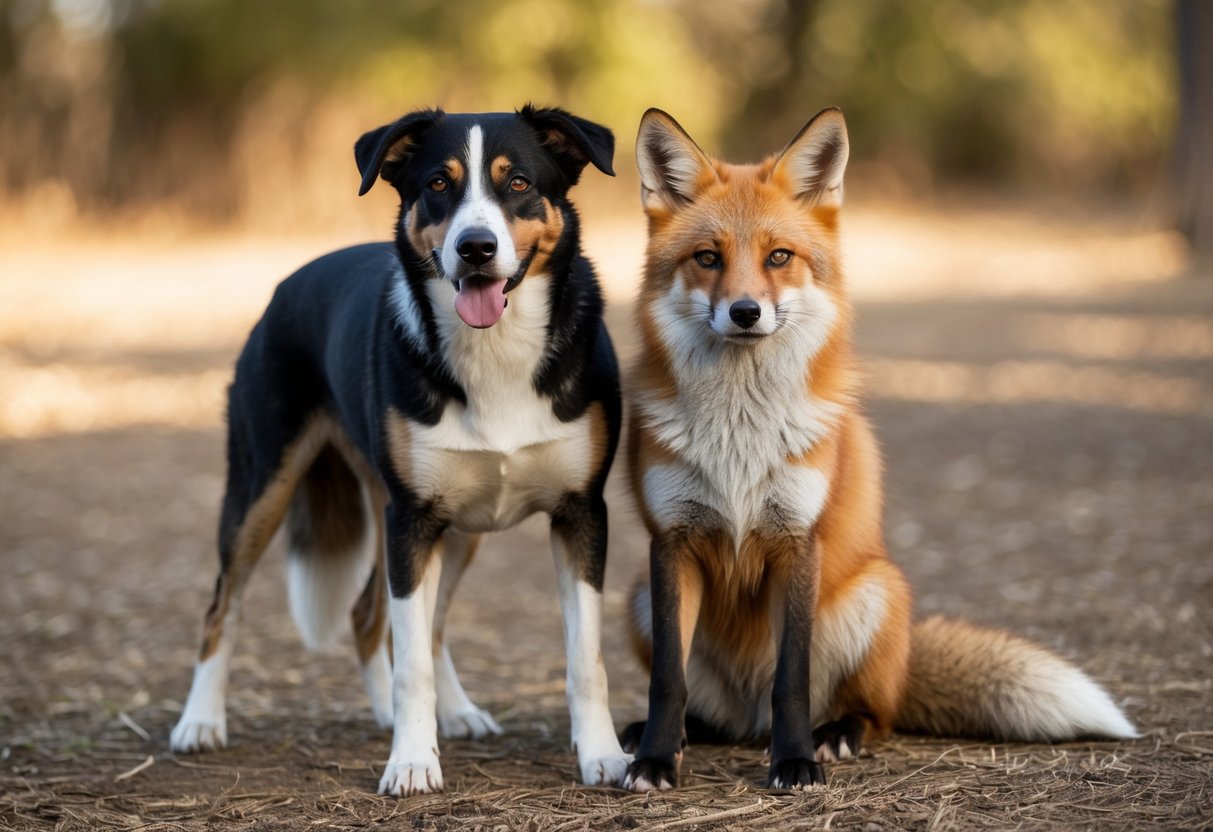
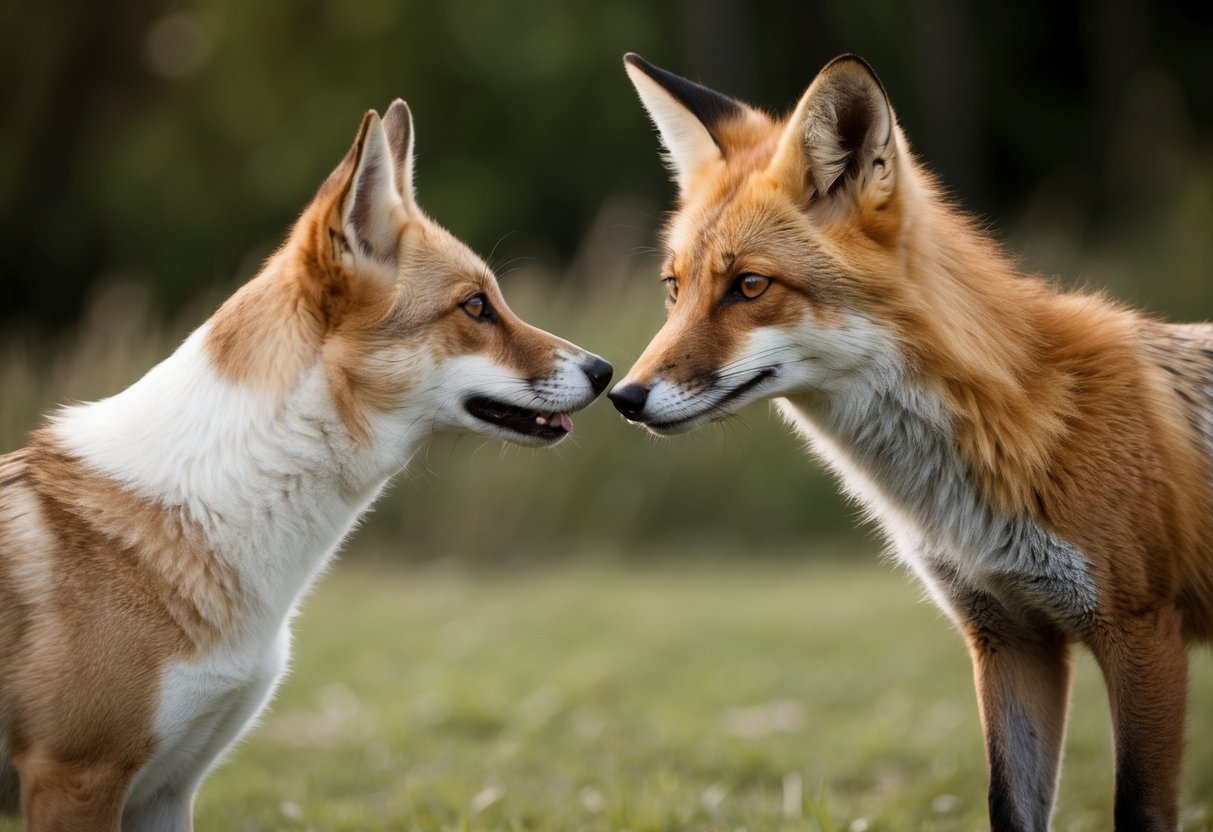
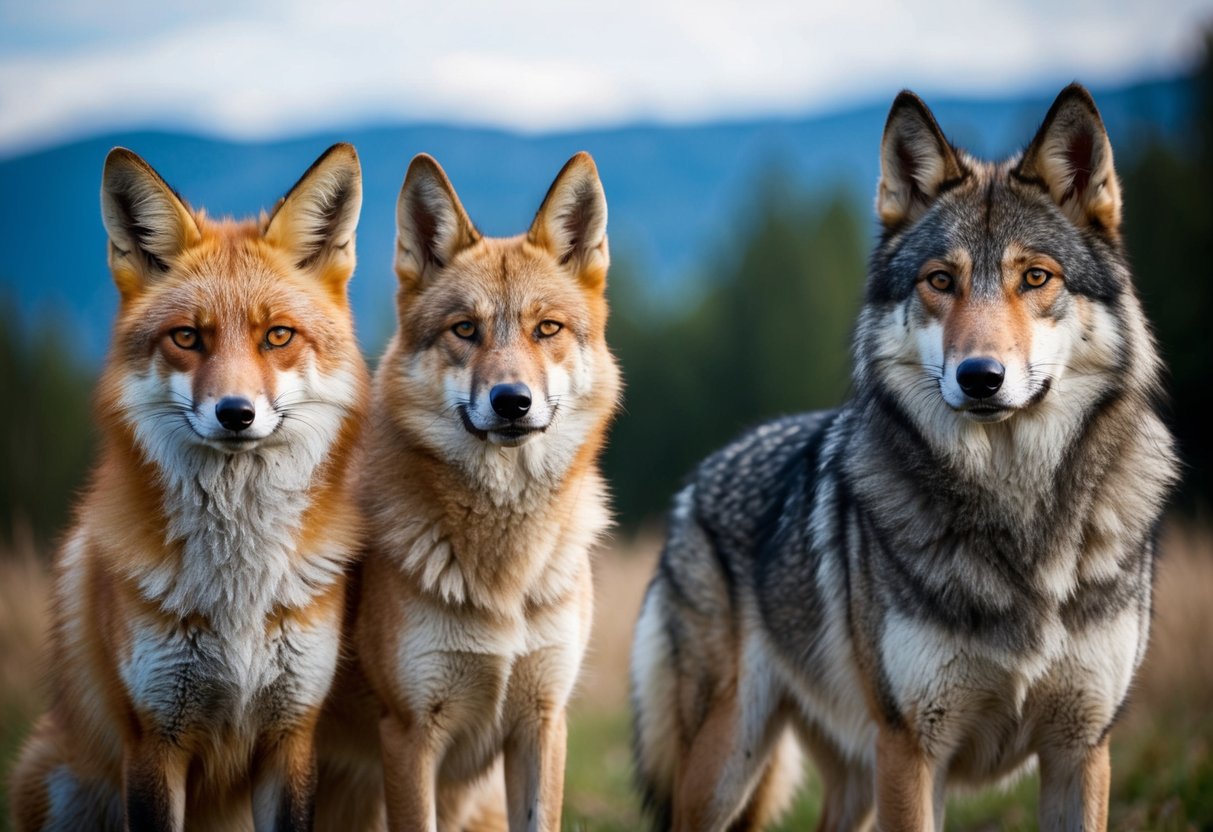
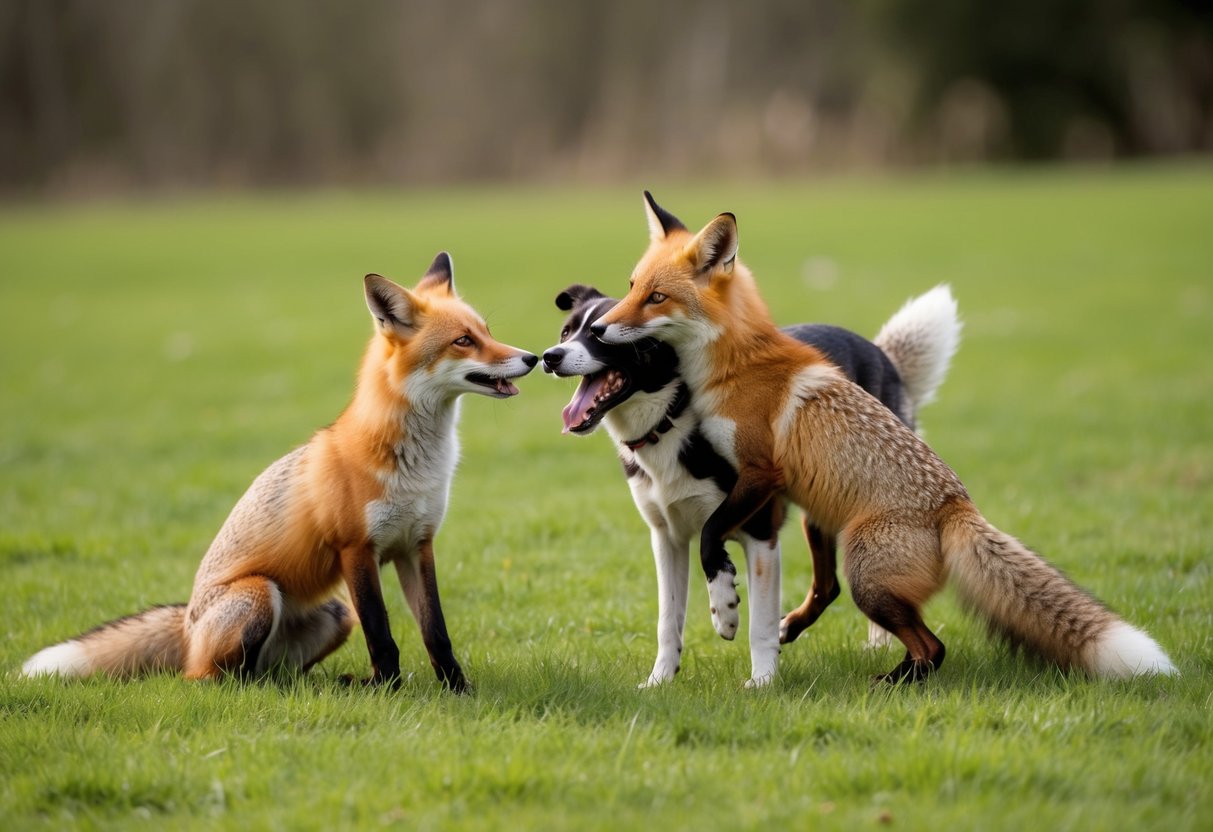
Yes, a fox belongs to the dog family, known scientifically as Canidae. While they share a common ancestor with domestic dogs, wolves, and jackals, foxes are classified within their own distinct tribe called Vulpini. This separation accounts for their unique "cat-like" behaviors and specialized physiological adaptations.
The Taxonomic Hierarchy of the Fox
To understand why a fox is considered part of the dog family, we must look at the biological classification system. In the world of zoology, the family Canidae encompasses all "dog-like" carnivorans. As of 2026, genomic sequencing continues to affirm that while foxes branched off from the lineage leading to wolves and domestic dogs millions of years ago, they remain foundational members of this evolutionary group.
Kingdom to Family: The Broad View
All foxes belong to the Kingdom Animalia, the Phylum Chordata, and the Class Mammalia. Within the mammals, they are part of the Order Carnivora. This order is further split into two suborders: Feliformia (cat-like carnivores) and Caniformia (dog-like carnivores).
Foxes reside firmly within Caniformia, alongside bears, seals, and raccoons. However, the most specific family designation is Canidae. This family is characterized by a specific skull shape, specialized teeth for shearing meat (carnassials), and a digitigrade stance—meaning they walk on their toes rather than the soles of their feet.
Tribes: Vulpini vs. Canini
The Canidae family is generally divided into two main tribes:
- Canini: This includes "wolf-like" canids such as the gray wolf, domestic dog, coyote, and jackal.
- Vulpini: This includes "fox-like" canids, primarily the "true foxes" of the genus Vulpes.
There are also several "basal" canids that do not fit perfectly into these two tribes, such as the Gray Fox (Urocyon cinereoargenteus), which is one of the most ancient lineages still in existence in 2026.
Shared Characteristics Between Foxes and Dogs
The reason scientists group foxes with dogs involves more than just a passing resemblance. Their shared ancestry is visible in their skeletal structure and sensory capabilities.
Cranial and Dental Structure
Like all canids, foxes possess an elongated rostrum (snout). This provides ample space for a highly developed olfactory system, allowing them to track prey by scent over long distances. Their dental formula is also remarkably similar to that of the domestic dog. They possess sharp incisors for gripping, long canines for piercing, and specialized premolars and molars designed to crush bone and shear through muscle.
Digitigrade Locomotion
If you observe a fox running, you will notice it moves with the same "spring" in its step as a dog. Foxes are digitigrade, meaning their weight is supported by their toes. They have five toes on the front feet (including a dewclaw) and four on the back. Their claws are non-retractable, which distinguishes them from most felids (cats) but aligns them perfectly with the dog family. These claws provide traction during high-speed chases and are essential for digging dens.
Social and Communication Cues
While foxes are often more solitary than the pack-oriented wolf, they still utilize a range of "dog-like" vocalizations. They bark, whine, and howl, although their vocal range includes unique sounds like the "scream" often heard during the mating season. They also use scent marking—via urine and specialized glands—to communicate territorial boundaries, a behavior familiar to any dog owner.
Why Foxes Are Often Mistaken for Cats
Despite being part of the dog family, foxes are frequently described as the "cats of the dog world." This is due to convergent evolution, where two unrelated species develop similar traits because they occupy similar ecological niches.
The Eyes: Vertical Slit Pupils
One of the most striking differences between a fox and a domestic dog is the shape of the pupil. While dogs and wolves have round pupils, "true foxes" (the Vulpes genus) have vertical slit pupils. This adaptation is common in nocturnal predators that hunt close to the ground, such as domestic cats. The slit pupil allows for more precise control over the amount of light entering the eye, providing superior night vision and the ability to gauge distances accurately when pouncing.
Hunting Style: The Pounce
Wolves and dogs are typically "coursing" predators; they chase their prey over long distances until the target is exhausted. Foxes, however, employ a "stalk and pounce" method. They are famous for their high-arching jumps, where they dive nose-first into snow or tall grass to pin small rodents. This behavior is much closer to the hunting style of a feline than a canine.
Climbing Abilities
While most dogs are strictly terrestrial, several fox species are proficient climbers. The Gray Fox, in particular, has semi-retractable claws and a rotating wrist joint that allows it to climb vertical tree trunks to escape predators or find food. While the Red Fox is less arboreal, it is still significantly more agile and comfortable on narrow ledges or low branches than a domestic dog or a coyote would be.
The Variety of Fox Species Within Canidae
The term "fox" is often used generically, but within the dog family, there is significant diversity. As of 2026, biologists recognize approximately 12 species of "true foxes" and several other species that carry the name but belong to different lineages.
The Genus Vulpes (True Foxes)
The most widespread and recognized is the Red Fox (Vulpes vulpes). It is the largest of the true foxes and is found across the Northern Hemisphere. Other members include:
- Arctic Fox (Vulpes lagopus): Specially adapted for extreme cold with thick fur and a compact body.
- Fennec Fox (Vulpes zerda): The smallest canid in the world, recognizable by its massive ears used for heat dissipation in the Sahara.
- Kit Fox and Swift Fox: Small, desert-dwelling foxes of North America.
The "Other" Foxes
There are several species referred to as foxes that are technically on different branches of the Canidae family tree:
- Gray Fox (Urocyon): As mentioned, these are primitive canids and are not part of the Vulpes genus.
- Bat-Eared Fox (Otocyon megalotis): Found in Africa, these canids have a unique dental structure and primarily eat insects, particularly termites.
- South American "Foxes" (Lycalopex): These are actually more closely related to wolves and jackals than to the true foxes of the Northern Hemisphere.
Comparison of Canid Traits
To better understand where the fox sits within the dog family, the following table compares key traits across three prominent canids.
| Trait | Red Fox (Vulpes vulpes) | Domestic Dog (Canis familiaris) | Gray Wolf (Canis lupus) |
|---|---|---|---|
| Tribe | Vulpini | Canini | Canini |
| Pupil Shape | Vertical Slit | Round | Round |
| Social Structure | Solitary / Small Family | Highly Social / Pack-oriented | Pack-oriented |
| Hunting Style | Stalk and Pounce | Variable (Breeding dependent) | Endurance Chasing |
| Chromosome Count | 34 (plus B-chromosomes) | 78 | 78 |
| Climbing Ability | Moderate | Very Low | None |
| Primary Diet | Omnivorous (Insects/Rodents) | Omnivorous (Generalist) | Carnivorous (Ungulates) |
The Genetic Divide: Can Foxes and Dogs Interbreed?
One of the most common questions regarding the fox’s membership in the dog family is whether they can crossbreed with domestic dogs. Despite both belonging to the family Canidae, the answer is a definitive no.
The barrier is primarily chromosomal. Domestic dogs, wolves, and coyotes all share 78 chromosomes. This allows them to interbreed and produce fertile offspring (such as wolf-dogs or coydogs). Red foxes, however, have only 34 chromosomes. The genetic gap is simply too wide for fertilization to occur. Even though they are in the same family, they have been evolutionarily separated for roughly 10 to 12 million years.
In the mid-20th century, the famous Soviet scientist Dmitry Belyaev began the "Farm-Fox Experiment," which continued into the 2020s. By selectively breeding foxes for "tameness," researchers produced foxes that exhibited dog-like physical traits, such as floppy ears, spotted coats, and wagging tails. While these foxes became more "dog-like" in behavior, they remained genetically foxes, unable to breed with dogs.
Ecological Impact and Human Interaction
Foxes play a vital role in the ecosystems they inhabit, acting as a natural check on rodent and insect populations. Because they are part of the dog family, they are susceptible to many of the same diseases that affect domestic pets, such as rabies, canine distemper, and mange. This shared vulnerability is one reason why wildlife biologists emphasize the importance of keeping domestic dogs vaccinated, as diseases can easily jump between the wild canid population and household pets.
In urban environments in 2026, the Red Fox has become increasingly bold. Their intelligence—a hallmark of the Canidae family—allows them to navigate human landscapes, raiding trash bins and even utilizing subway tunnels. This adaptability is perhaps the most "dog-like" trait of all, mirroring the way ancestral wolves once moved into human camps to eventually become the domestic dogs we know today.
Frequently Asked Questions
Is a fox more related to a dog or a cat?
A fox is much more closely related to a dog. They are members of the family Canidae. While they have cat-like features such as vertical pupils and great agility, these are examples of convergent evolution. Genetically and anatomically, they share the skeletal and dental structures of other dog-like mammals.
Do foxes bark like dogs?
Yes, foxes can bark. Their bark is often higher-pitched and more "yappy" than a large dog, and it is sometimes followed by a series of yelps or screams. This is one of their primary methods of long-distance communication with other foxes.
Can you keep a fox as a pet like a dog?
In most jurisdictions in 2026, keeping a wild fox is illegal. However, "domesticated" foxes from the Belyaev lineage are sometimes available in specific regions under strict licensing. Even then, they do not behave exactly like dogs; they are much more energetic, have a strong natural musk, and are difficult to housebreak compared to traditional canine companions.
What do foxes and dogs have in common?
They share many physical traits including non-retractable claws, a digitigrade (walking on toes) stance, a highly developed sense of smell, and a similar dental arrangement. They also both belong to the suborder Caniformia.
Why do foxes have whiskers on their legs?
Like many cats, foxes have "carpal whiskers" on their front legs. Since they hunt in tall grass or dark burrows, these whiskers help them sense their surroundings and the position of their prey during the final pounce. This is a trait they do not share with most other members of the dog family.
Are there any foxes that aren't actually foxes?
The "Maned Wolf" of South America is often mistaken for a fox on stilts, but it is actually a distinct type of canid that is neither a wolf nor a fox. Similarly, the "Gray Fox" of North America is often called a fox but belongs to the genus Urocyon, which is a much older branch of the dog family than the "true foxes."
Final Considerations for Wildlife Observation
Understanding that a fox belongs to the dog family changes how we view their behavior in the wild. When you see a fox, you are looking at a highly specialized, agile version of the canine blueprint. For those interested in wildlife photography or observation in 2026, it is important to remember that foxes are shy, solitary animals.
If you encounter a fox, the best course of action is to maintain a respectful distance. Do not attempt to feed them, as this leads to "habituation," where the fox loses its natural fear of humans—a situation that rarely ends well for the animal. Instead, appreciate them as the unique, "cat-like" members of the dog family that they are, perfectly adapted for their role as the clever opportunists of the natural world.