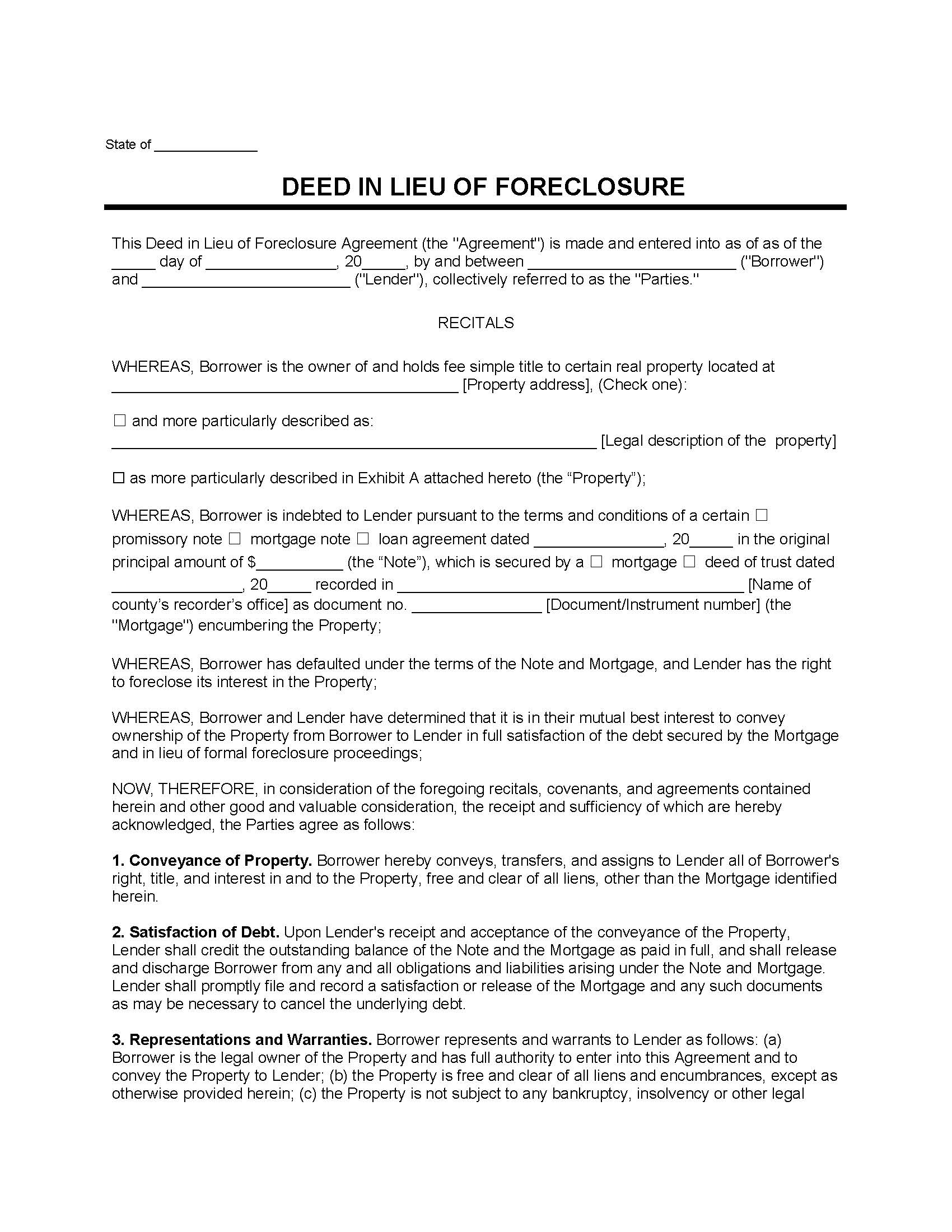
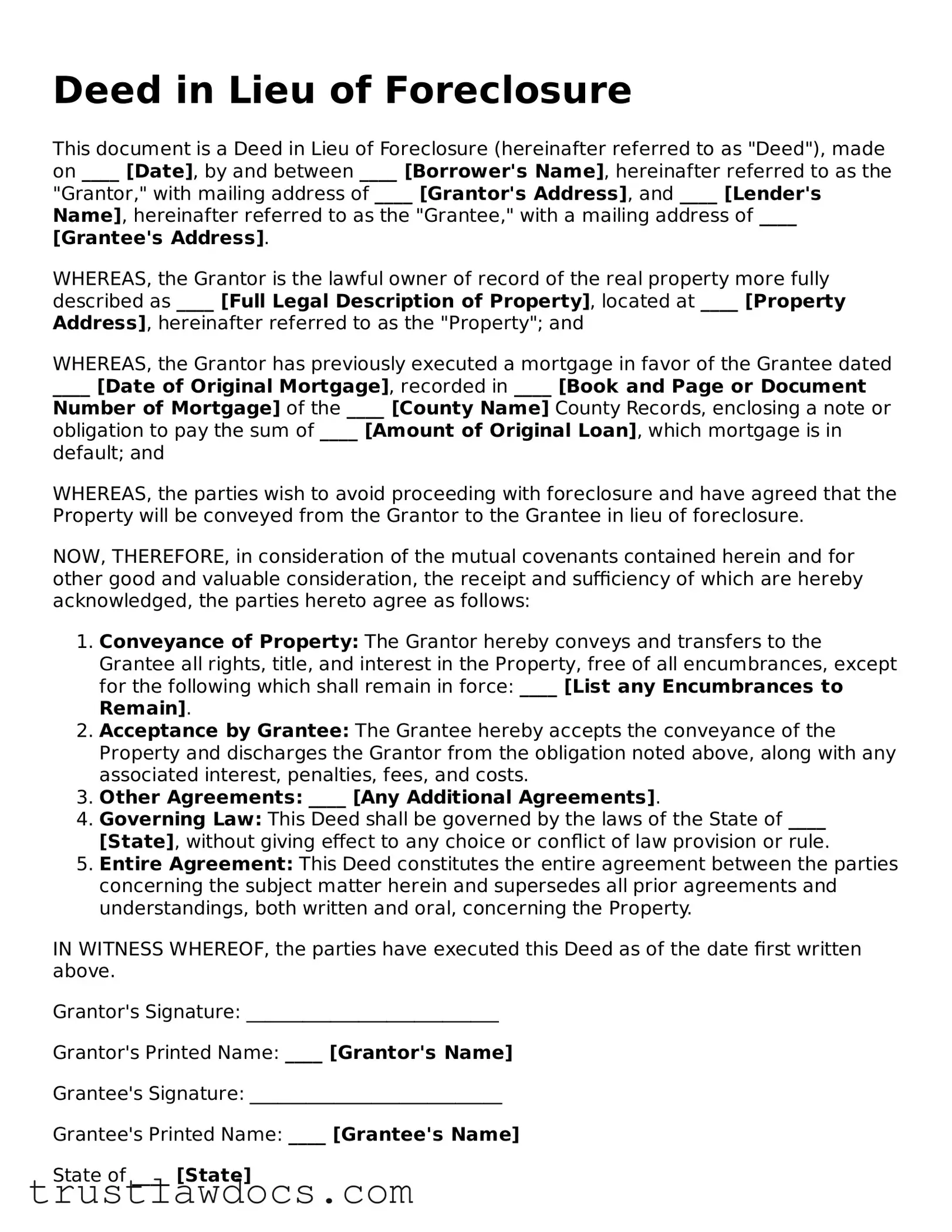
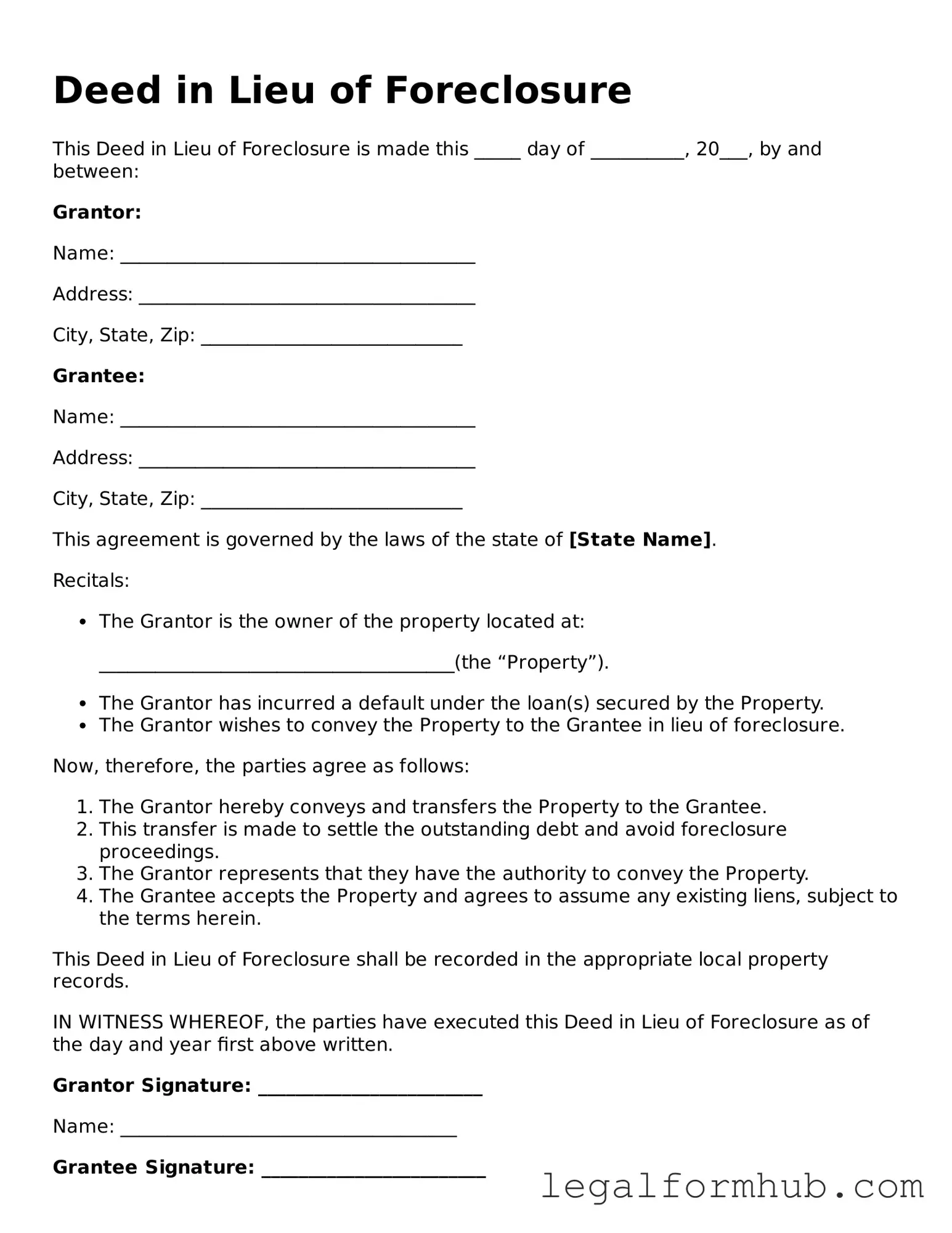
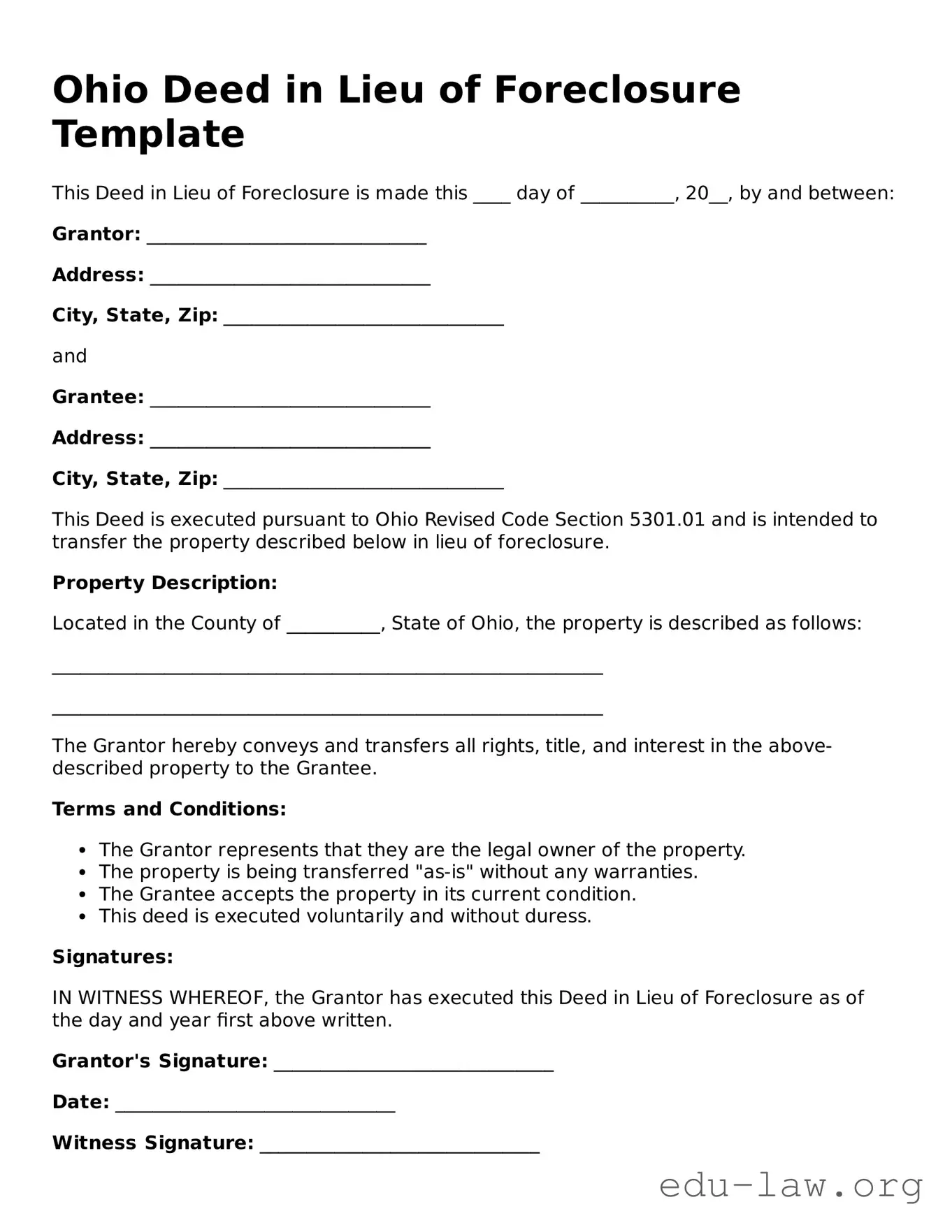
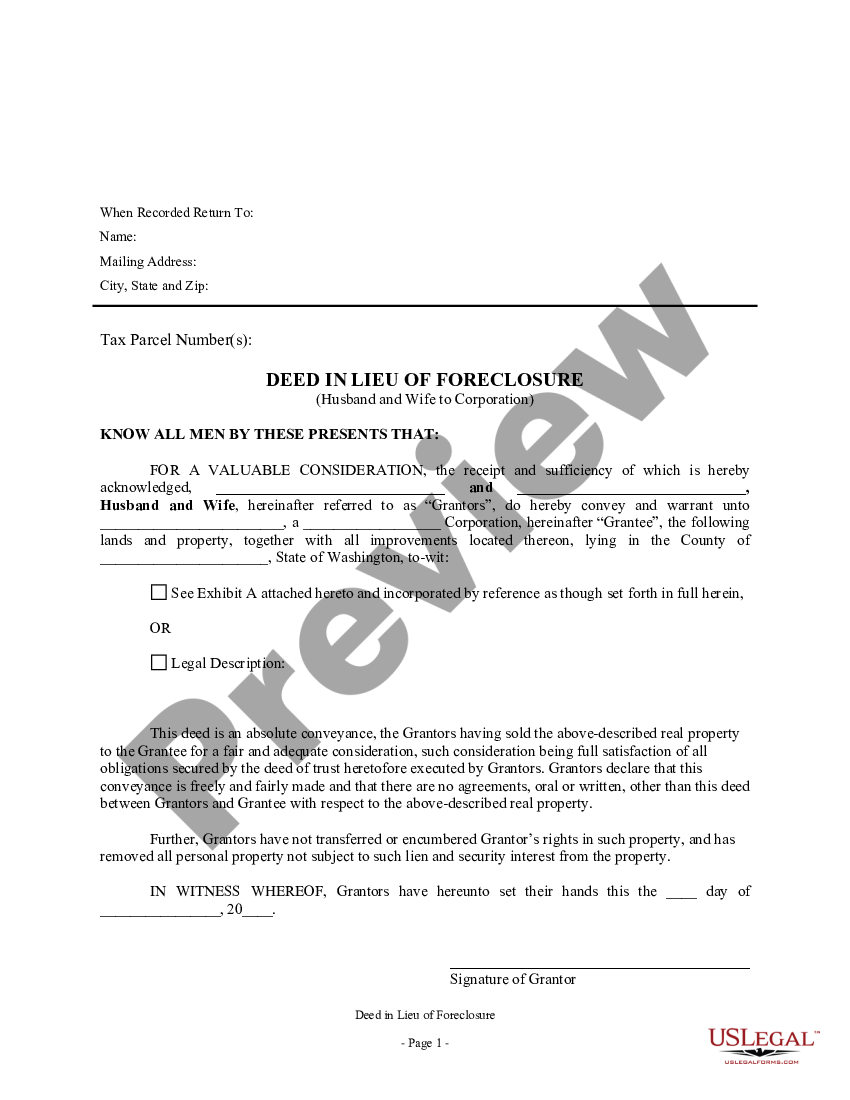
A deed in lieu of foreclosure for mold remediation is a specialized legal arrangement where a homeowner voluntarily transfers property ownership to their lender to satisfy a mortgage debt, specifically when the cost of professional mold removal has rendered the home a financial liability. This process allows the borrower to avoid a formal foreclosure while releasing the lender from the costs and delays of a lengthy legal proceeding, provided the lender agrees to accept the distressed asset in its current condition.
Understanding the Intersection of Mold Damage and Mortgage Default
In the real estate landscape of 2026, the intersection of environmental health and mortgage servicing has become increasingly complex. When a residential property suffers from extensive mold contamination—often due to catastrophic flooding, undetected plumbing failures, or structural defects—the remediation costs can easily reach tens of thousands of dollars. For many homeowners, this financial burden, combined with the potential for the home to be uninhabitable, leads to an unavoidable mortgage default.
A deed in lieu of foreclosure is often viewed as a "graceful exit" from a failing investment. However, when mold is the primary driver, the process is not as simple as handing over the keys. The presence of mold introduces environmental liability and significant repair costs that the lender must weigh against the cost of a traditional foreclosure. In this context, the "deed in lieu" serves as a settlement agreement where the lender waives their right to foreclose in exchange for immediate title, even if the property’s value is severely compromised by fungal growth.
The Financial Reality of Mold Remediation in 2026
Mold remediation is no longer just a matter of scrubbing surfaces with bleach. Current industry standards, such as the IICRC S520 Standard for Professional Mold Remediation, require rigorous containment, HEPA filtration, and often the removal of structural elements like drywall and insulation.
As of 2026, professional remediation for a standard 2,000-square-foot home with systemic mold issues can range from $15,000 to over $50,000, depending on the "Class" of water damage and the "Level" of mold infestation. If the homeowner lacks specialized insurance endorsements for mold—which are increasingly limited in standard homeowners' policies—they are left with a property that is both unsellable on the open market and a danger to occupy. When the cost of remediation exceeds the homeowner's equity, the property is "environmentally underwater," making the deed in lieu a critical tool for debt resolution.
Why Lenders Accept or Reject a Deed in Lieu for Moldy Properties
Lenders do not automatically accept a deed in lieu of foreclosure. They perform a "Net Present Value" (NPV) analysis to determine which path—foreclosure, short sale, or deed in lieu—minimizes their loss.
The Argument for Acceptance
Lenders may accept a deed in lieu for a mold-damaged property if:
- Speed of Acquisition: Foreclosures can take 12 to 24 months in some jurisdictions. During that time, mold growth can accelerate, further destroying the structure. Taking the deed immediately allows the lender to start remediation sooner, potentially salvaging more of the asset's value.
- Cost Savings: Foreclosures involve heavy legal fees and administrative costs. If the homeowner is cooperative, the lender saves these "soft costs."
- Market Stability: In certain neighborhoods, avoiding the public "foreclosure" tag helps maintain the value of other assets the lender may hold nearby.
The Argument for Rejection
Conversely, a lender might reject the deed because:
- Environmental Liability: Once the lender takes the deed, they become the owner of record. If the mold has caused structural damage or poses a health risk to neighbors or future occupants, the lender assumes that liability.
- Remediation Expense: If the estimated cost to fix the mold exceeds the projected resale value after the debt is cleared, the lender may prefer to let the property go through foreclosure to see if a third party will buy it "as-is" at auction.
- Secondary Liens: A deed in lieu typically requires that the title be "clear" of other liens (like second mortgages or contractor mechanics' liens). If a mold remediation company has already placed a lien on the house for unpaid work, the lender will likely refuse the deed.
Eligibility Prerequisites for a Deed in Lieu
To qualify for this process in 2026, borrowers generally must meet several stringent criteria set by the lender and, if applicable, federal entities like Fannie Mae or Freddie Mac.
- Documented Hardship: The borrower must prove they cannot afford the mortgage payments AND cannot afford the mold remediation. This usually requires a "hardship letter" accompanied by financial statements.
- Inability to Sell: The homeowner must typically show that the property has been on the market for a certain period (often 90 days) and failed to sell due to the mold condition.
- Occupancy Status: While some programs require the home to be the primary residence, others may allow for investment properties if the mold has made the unit unrentable.
- Absence of Other Liens: As mentioned, the title must be clear. This is often the biggest hurdle, as homeowners facing mold issues often have other unpaid debts.
The Step-by-Step Process of Executing the Deed
If you are pursuing a deed in lieu due to mold issues, the process follows a specific sequence of legal and technical evaluations.
1. The Initial Application and Hardship Package
You must contact your mortgage servicer's loss mitigation department. You will submit a package including tax returns, pay stubs, and a detailed explanation of the mold situation. It is essential to include professional mold inspection reports and remediation estimates here to prove the property’s diminished value.
2. The Property Appraisal and Inspection
The lender will send a Broker Price Opinion (BPO) agent or a certified appraiser to the property. In 2026, many lenders also require an environmental "Phase I" assessment for properties with known mold to quantify the cleanup costs. This valuation is the "make or break" point for the application.
3. Title Search and Clear Title Verification
The lender’s legal team will conduct a title search. If there are judgments, tax liens, or second mortgages, you must resolve them. In some cases, the lender may negotiate with the second lienholder, but this is rare for distressed properties.
4. Negotiation of Terms
The lender will present a "Deed in Lieu of Foreclosure Agreement." This document outlines that the lender is accepting the property and, ideally, waiving the "deficiency." A deficiency is the difference between the property's value and the total debt. In a mold-damaged house, this gap is usually large.
5. Execution and Recording
Once agreed upon, you sign the deed and the settlement agreement. The lender then records the deed at the county recorder’s office, officially transferring the title. You must vacate the property (if you haven't already due to health concerns) and leave it in "broom clean" condition, or as specified in the agreement regarding the mold areas.
Comparison: Deed in Lieu vs. Traditional Foreclosure for Distressed Properties
| Feature | Deed in Lieu (Mold Focused) | Traditional Foreclosure |
|---|---|---|
| Credit Impact | Typically less severe than foreclosure. | Severe; remains on credit report for 7 years. |
| Timeframe | 30 to 90 days. | 6 months to 2 years. |
| Deficiency Judgment | Can often be waived through negotiation. | Likely, unless prohibited by state law. |
| Control of Process | Borrower has some control and dignity. | Borrower has no control; public auction. |
| Property Condition | Lender accepts "as-is" with mold. | Property sold at auction "as-is." |
| Future Financing | May qualify for a new mortgage in 2-4 years. | Usually requires a 7-year wait. |
Legal and Tax Implications to Consider
Before signing a deed in lieu for a moldy property, you must understand the potential financial repercussions.
The Deficiency Judgment
If your mortgage is $300,000 and the mold-damaged home is only worth $200,000, there is a $100,000 deficiency. Unless the deed in lieu agreement specifically states that the lender waives the right to collect this difference, they could technically sue you for it later. Always ensure the "satisfaction of mortgage" is full and complete.
Tax Consequences (IRS)
The IRS generally views "canceled debt" as taxable income. If the lender forgives $100,000 of your debt, you could receive a 1099-C form and be required to pay income tax on that amount. However, the Mortgage Forgiveness Debt Relief Act (and its subsequent 2026 iterations or similar state-level insolvency rules) may provide exemptions for primary residences. You should consult a tax professional to see if you qualify for the "insolvency" exclusion.
Health and Safety Liability
While the deed transfers ownership, it does not necessarily retroactively absolve you of liability if you knowingly concealed the mold from others previously. However, for the purposes of the lender, the transfer is usually the end of your structural responsibility.
Technical Standards for Mold Reporting in 2026
When presenting your case to a lender, generic "mold is bad" statements are insufficient. Lenders require technical evidence. You should provide:
- Spore Trap Analysis: A report showing the concentration of mold spores (e.g., Aspergillus/Penicillium or Stachybotrys) inside the home compared to outside.
- Moisture Mapping: Documentation of the source of the mold (e.g., a roof leak or a cracked foundation) to show the lender what needs to be fixed to stop the growth.
- Remediation Protocol: A written plan from a certified industrial hygienist (CIH) detailing exactly how the property can be made safe again.
Providing this level of detail shows the lender that you are not simply "walking away" from a debt, but rather dealing with a legitimate environmental catastrophe that has compromised the collateral of their loan.
Common Pitfalls and How to Avoid Them
The most common mistake homeowners make is waiting too long. Mold spreads exponentially. By the time a homeowner applies for a deed in lieu, the mold might have moved from a single bathroom to the entire HVAC system.
Another pitfall is failing to maintain the property during the application process. Even if you cannot afford remediation, you must ensure the property is secure. If a lender sees that the property has been vandalized or further damaged by neglect, they will likely deny the deed in lieu and proceed with a "scorched earth" foreclosure.
Finally, do not forget about your insurance. If the mold was caused by a "sudden and accidental" event like a burst pipe, your insurance might cover a portion of the remediation. Lenders will often check if an insurance claim was filed. If you received an insurance payout for mold and spent it on something else instead of repairs, the lender will consider this fraud and deny your deed in lieu request.
FAQ: Deed in Lieu of Foreclosure for Mold Remediation
Can I get a deed in lieu if the mold is my fault?
Lenders focus on the financial viability of the asset rather than "fault." However, if the mold is a result of gross negligence or intentional damage (waste), the lender may deny the deed in lieu and pursue foreclosure to preserve their right to sue you for damages. Normal wear and tear or inability to afford repairs generally do not disqualify you.
How does this affect my ability to buy a house in the future?
Under most 2026 lending guidelines, a deed in lieu is viewed more favorably than a foreclosure. For a primary residence, you may be eligible for a new Fannie Mae or Freddie Mac-backed loan in as little as two years, whereas a foreclosure typically requires a seven-year waiting period.
Do I have to move out before the deed is signed?
Generally, yes. The lender requires "vacant possession." If the mold makes the home dangerous, you likely already moved out. You must remove all personal belongings. Anything left behind becomes the property of the lender, and they may charge you for the cost of hauling it away.
What if I have a second mortgage or a home equity line of credit (HELOC)?
This is the most frequent reason deed in lieu requests are denied. The primary lender wants a "clean" title. If you have a second mortgage, that lender must also agree to the deed in lieu and release their lien. Since there is rarely any money left for the second lender in a mold-damaged property, they may demand a cash payment from you to "release" the lien.
Is mold remediation required before the lender takes the house?
No. The entire purpose of the deed in lieu in this scenario is that the homeowner cannot afford the remediation. The lender takes the house "as-is." However, you must provide the lender with full disclosure of the extent of the mold to avoid future claims of fraud or misrepresentation.
Final Recommendation for Homeowners
If you are facing an insurmountable mold remediation bill and are falling behind on mortgage payments, the first step is to hire a certified environmental inspector to get a full report on the damage. Armed with this data and a professional remediation quote, contact your lender’s Loss Mitigation Department immediately.
Do not simply stop paying your mortgage without communication. A deed in lieu is a negotiated settlement, and it requires the lender’s cooperation. If the mold has made the home a health hazard, emphasize the "liability risk" to the lender; they are often more willing to take the deed quickly to secure the property and prevent further environmental degradation. Consult with a real estate attorney and a tax advisor to ensure the final agreement includes a full deficiency waiver and to understand any potential tax liabilities from the forgiven debt.