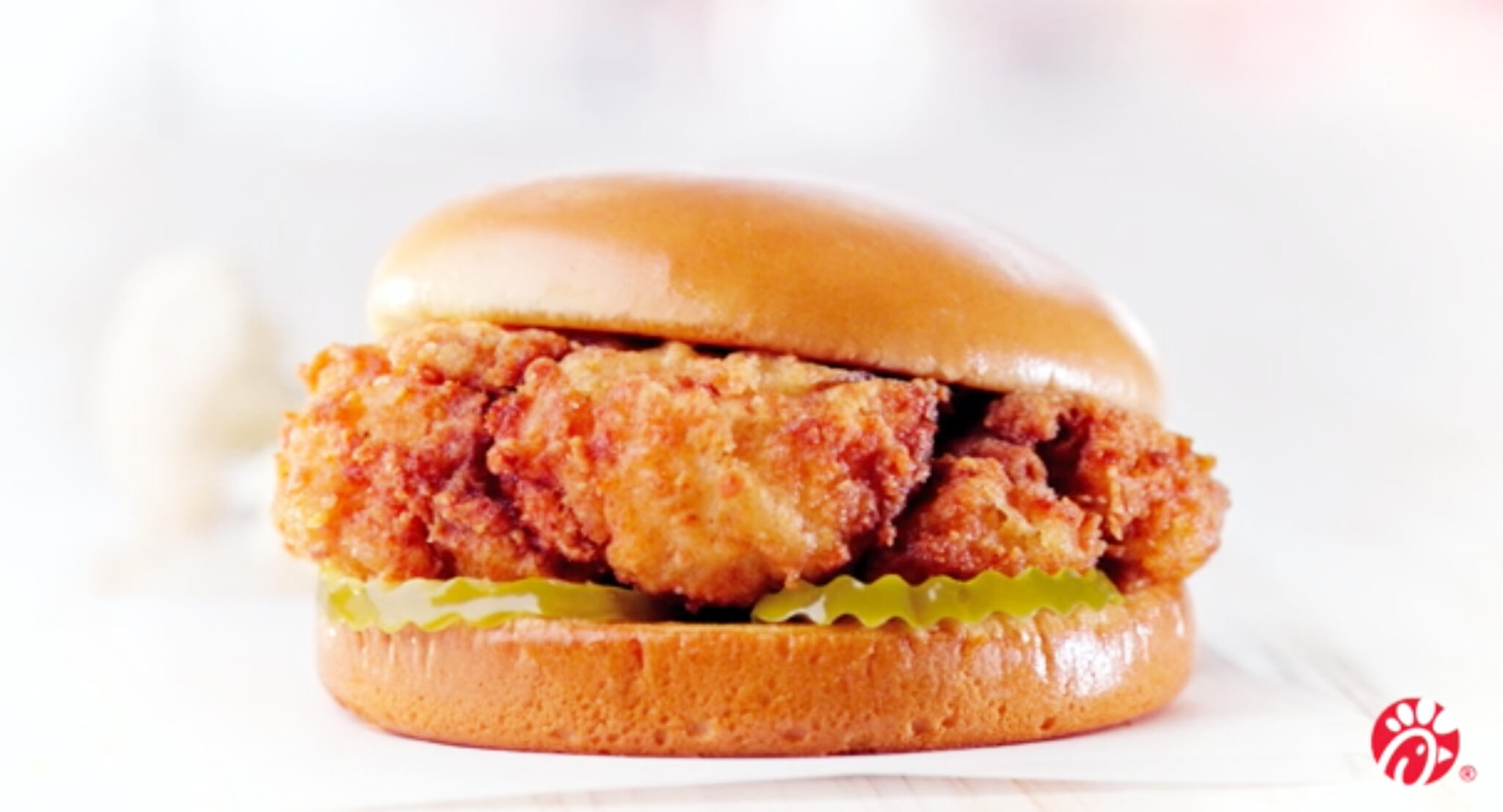
Chick-fil-A sandwiches are generally considered a healthier fast-food option due to their high protein content and the availability of a grilled, non-breaded alternative. While the Grilled Chicken Sandwich is a nutrient-dense choice, the classic breaded versions are high in sodium and refined carbohydrates, requiring moderation within a balanced diet.
Determining whether a Chick-fil-A sandwich is "healthy" depends heavily on your specific dietary goals, whether you are managing caloric intake, monitoring sodium for heart health, or seeking high-protein fuel for muscle recovery. As of 2026, Chick-fil-A remains a dominant player in the quick-service restaurant industry, and its menu transparency allows for a granular look at what exactly goes into their signature items.
The Nutritional Anatomy of the Original Chick-fil-A Chicken Sandwich
The flagship product, the Original Chicken Sandwich, is the benchmark for the brand. To understand its health impact, one must look past the simple calorie count and examine the macronutrient distribution and the quality of ingredients used.
Caloric Density and Macronutrients
A standard Original Chicken Sandwich contains approximately 440 calories. For an average adult on a 2,000-calorie diet, this represents about 22% of daily intake. It provides 19 grams of fat, 41 grams of carbohydrates, and 28 grams of protein. The protein-to-calorie ratio is relatively favorable for fast food, making it a satiating meal that can help prevent overeating later in the day.
However, the fat content includes 4 grams of saturated fat. While not excessively high compared to a double cheeseburger, it is worth noting for those monitoring cholesterol. The carbohydrates primarily come from the toasted bun, which is made from refined flour, meaning it lacks the fiber found in whole-grain alternatives.
The Role of Peanut Oil
Chick-fil-A famously uses 100% refined peanut oil for pressure-cooking its breaded chicken. From a health perspective, refined peanut oil is low in saturated fats and high in monounsaturated fats, which are generally considered heart-healthy. Because the oil is highly refined, the FDA does not require it to be labeled as a major allergen because the proteins that trigger allergic reactions are removed during the refining process. However, the frying process still adds significant caloric density compared to roasting or grilling.
The Grilled Chicken Sandwich: The "Healthy" Gold Standard
If the primary concern is weight management or cardiovascular health, the Grilled Chicken Sandwich is the superior choice. As of 2026, it remains one of the few fast-food items that successfully balances flavor with a lean nutritional profile.
Calorie and Fat Reduction
The Grilled Chicken Sandwich contains roughly 380 calories and only 12 grams of fat. More importantly, it provides 28 grams of protein—the same as the fried version—but with significantly fewer "empty" calories from breading and oil. The chicken is marinated with lemon and herbs, providing flavor without the need for heavy sauces or high-sodium coatings.
The Multigrain Bun
Unlike the white bun used for the original sandwich, the grilled version typically comes on a toasted multigrain bun. This adds a small amount of dietary fiber, which aids in digestion and helps regulate blood sugar levels. For those following a Mediterranean-style diet or looking to reduce refined sugar intake, this swap is a meaningful improvement.
Sodium: The Hidden Health Hurdle
The most significant health drawback across nearly all Chick-fil-A sandwiches is the sodium content. High sodium intake is a primary contributor to hypertension (high blood pressure) and increased risk of heart disease.
| Sandwich Type | Calories | Protein (g) | Fat (g) | Sodium (mg) |
|---|---|---|---|---|
| Original Chicken Sandwich | 440 | 28 | 19 | 1,350 |
| Spicy Chicken Sandwich | 450 | 28 | 19 | 1,600 |
| Grilled Chicken Sandwich | 380 | 28 | 12 | 1,040 |
| Chick-fil-A Deluxe (Fried) | 520 | 32 | 25 | 1,570 |
| Spicy Deluxe Sandwich | 550 | 33 | 27 | 1,810 |
The American Heart Association recommends a maximum of 2,300 mg of sodium per day, with an ideal limit of 1,500 mg for most adults. A single Spicy Deluxe Sandwich provides 1,810 mg of sodium, which is nearly 80% of the total daily limit in one sitting. Even the "healthy" Grilled Chicken Sandwich contains 1,040 mg. This makes Chick-fil-A a challenging option for individuals on a medically supervised low-sodium diet.
Ingredient Quality and Additives
Chick-fil-A has made several commitments to ingredient transparency over the last decade. They have largely removed artificial colors and high-fructose corn syrup from their core sandwich recipes.
Monosodium Glutamate (MSG)
The breaded chicken (Original and Spicy) contains MSG, a flavor enhancer that provides the savory "umami" taste. While the FDA considers MSG "generally recognized as safe" (GRAS), some individuals report sensitivity to it, including headaches or nausea. If you are sensitive to MSG, the Grilled Chicken Sandwich is your only safe bet, as the grilled chicken breast does not use it in its marinade.
Antibiotic Policy
Chick-fil-A transitioned to a "No Antibiotics Important to Human Medicine" (NAIHM) policy. While this is a slight shift from their previous "No Antibiotics Ever" (NAE) stance, it still ensures that the chicken is raised without the use of antibiotics that are critical to treating human illnesses, addressing concerns about antibiotic-resistant "superbugs."
Comparing Chick-fil-A to Other Fast Food
When placed side-by-side with competitors, Chick-fil-A often emerges as the "cleaner" option, but the gap is narrowing as other chains update their menus.
- Versus McDonald's: A standard McChicken is lower in calories (around 400) but uses a highly processed chicken patty rather than a whole breast. The protein quality and quantity in Chick-fil-A (28g vs. 14g) are significantly higher.
- Versus Popeyes: The Popeyes Chicken Sandwich is much higher in calories (around 700) and fat (42g). Chick-fil-A is a much leaner option for those watching their weight.
- Versus Salad Chains: Obviously, a kale salad with chickpeas will be "healthier" by most metrics, but Chick-fil-A provides a more convenient and portable high-protein meal for people on the move.
Strategies for a Healthier Chick-fil-A Experience
You can significantly alter the health profile of your meal by making specific modifications at the register or through the mobile app.
1. The "No Bun" Option
Ordering a sandwich without the bun (or in a lettuce wrap) drastically reduces the carbohydrate count and eliminates refined sugars. This is the primary strategy for those following a Ketogenic or low-carb lifestyle. A grilled chicken breast by itself is an excellent source of lean protein with minimal impact on blood glucose.
2. Sauce Selection
The "Chick-fil-A Sauce" is a caloric trap. One small tub contains 140 calories and 13 grams of fat. If you add two tubs to your meal, you’ve added nearly 300 calories. Opt for the Honey Mustard (45 calories) or the Zesty Buffalo (25 calories) to keep the meal within a reasonable caloric range.
3. Mindful Sides
The healthiness of the sandwich is often negated by the side dish. A medium Waffle Potato Fry adds 420 calories and 24 grams of fat. Swapping the fries for a Fruit Cup or a Side Salad (if available in your region) transforms the meal from a high-fat indulgence into a nutritionally balanced lunch.
FAQs About Chick-fil-A Sandwiches
Is Chick-fil-A healthier than a burger?
In most cases, yes. A Chick-fil-A chicken breast is generally leaner than a ground beef patty. A standard Chick-fil-A sandwich has fewer calories and less saturated fat than a typical premium fast-food cheeseburger. However, the sodium levels remain comparable across both categories.
Can I eat Chick-fil-A while trying to lose weight?
Yes, you can incorporate Chick-fil-A into a weight-loss plan. The key is to focus on the Grilled Chicken Sandwich and avoid high-calorie sides and sugary sodas. The high protein content in the chicken can help you feel full longer, which is beneficial for calorie deficit goals.
Is the breading on the chicken processed?
The breading is made from wheat flour, spices, and nonfat milk and egg wash. While it is "processed" in the sense that it is a prepared food, it does not contain the high levels of synthetic preservatives found in many "chicken nuggets" or ultra-processed patties.
Why is the sodium so high?
The high sodium comes from the brining process. Chick-fil-A marinates its chicken in a salt-based brine (often rumored to include pickle juice) to ensure the meat remains juicy and flavorful after cooking. This process is effective for taste but raises the sodium levels significantly.
Does Chick-fil-A use real chicken?
Yes. Chick-fil-A uses 100% real, whole, boneless breast of chicken that has never been ground or separated. This distinguishes it from many other fast-food chains that use restructured chicken products.
Practical Recommendations
To make the most of Chick-fil-A’s menu while staying healthy in 2026, consider the following approach:
- For the Athlete: Choose the Grilled Deluxe Sandwich. The extra cheese and veggies provide more calories and protein to support recovery, while the grilled chicken keeps the fat profile manageable.
- For the Heart-Conscious: Avoid the Spicy versions, as they have the highest sodium. Stick to the Grilled Chicken Sandwich and avoid adding salt to any sides.
- For the Weight-Watcher: Order the Grilled Chicken Sandwich with no honey roasted BBQ sauce. Pair it with a diet lemonade or water.
- For the Traditionalist: If you must have the Original Chicken Sandwich, treat it as a "sometimes" food. To balance the meal, skip the fries and choose the fruit cup to add fiber and vitamins to your intake.
Ultimately, Chick-fil-A offers some of the most versatile "healthy" fast-food options available, provided you navigate the menu with an understanding of sodium and caloric density.