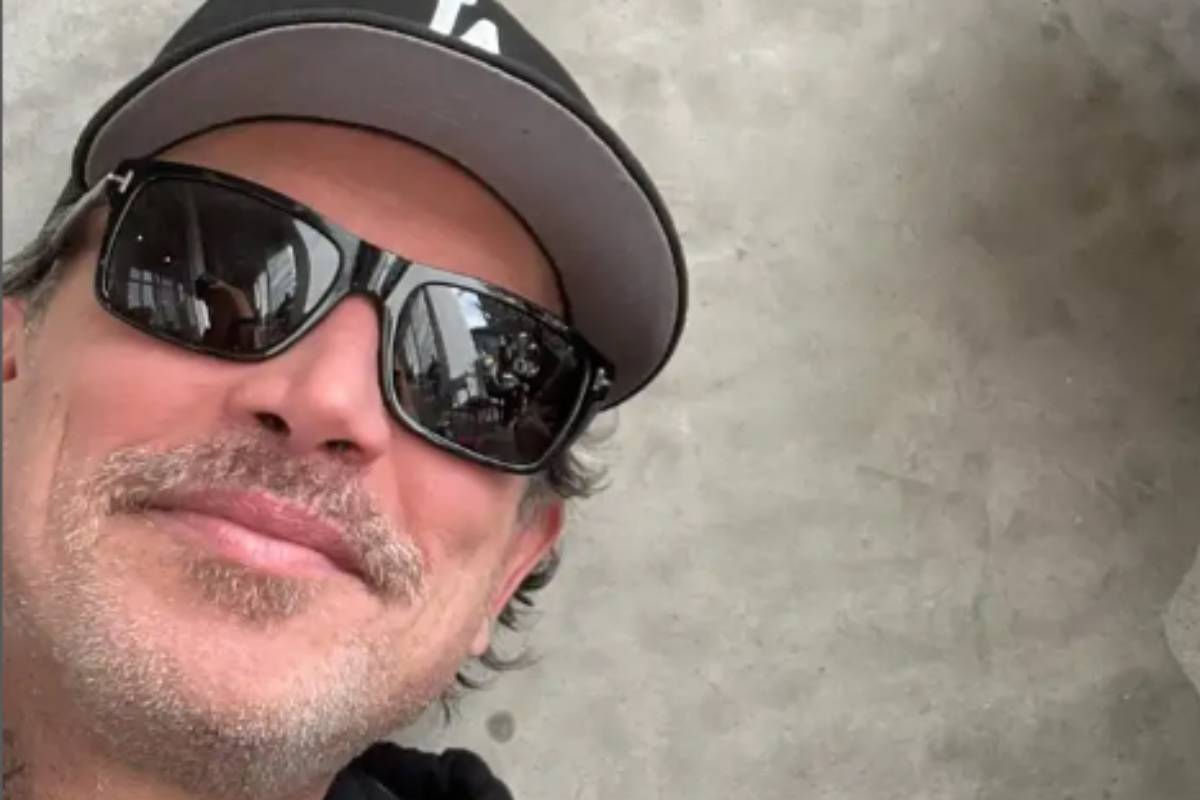
Ashley Hamilton, the American actor, singer, and son of George Hamilton and Alana Stewart, has been a prominent figure in public discussions regarding cancer diagnosis and treatment. His journey with cancer—specifically his experience with skin cancer—has transformed his public profile from that of a Hollywood performer to an advocate for early detection, dermatological screenings, and the importance of proactive health management. His story serves as a critical reminder of the risks associated with sun exposure and the necessity of monitoring personal health changes.
The Reality of Skin Cancer Diagnosis
For many individuals, a cancer diagnosis arrives unexpectedly, often following the discovery of an unusual skin lesion or a routine check-up that escalates into a biopsy. In the case of Ashley Hamilton, the public revelation of his health struggles brought attention to a condition that is often dismissed by younger, healthy-appearing adults. Skin cancer, particularly melanoma and non-melanoma types like basal cell carcinoma, remains one of the most common malignancies diagnosed in the United States.
When Hamilton shared his experiences, he highlighted the psychological and physical toll of treatment. A diagnosis of this nature often involves more than just a medical procedure; it encompasses a rigorous recovery period, the anxiety of potential recurrence, and the shift in lifestyle required to minimize future risk. By bringing his diagnosis into the public eye, Hamilton contributed to the de-stigmatization of medical struggles within the entertainment industry, encouraging others to prioritize health over professional optics.
Transitioning to Advocacy
Advocacy following a major health event is a common path for those who wish to transform personal suffering into a mechanism for public good. For Ashley Hamilton, the transition into advocacy centered on the promotion of dermatological awareness. Advocacy in this niche is not merely about awareness; it is about education regarding the physical signs of skin cancer, such as the ABCDEs of melanoma (Asymmetry, Border, Color, Diameter, and Evolving).
His advocacy efforts underscore a fundamental truth: skin cancer is highly treatable when caught in its early stages. By leveraging his platform, Hamilton has utilized his personal narrative to reach demographics that might otherwise ignore the necessity of annual skin exams. This form of advocacy serves a "preventative" role, moving the needle from reactive treatment to proactive detection.
The Importance of Early Detection and Screening
Medical professionals consistently emphasize that the prognosis for skin cancer is directly correlated with the stage of diagnosis. Early detection programs, often supported by public awareness campaigns led by figures like Hamilton, focus on three primary pillars of action:
- Professional Skin Examinations: An annual check-up with a board-certified dermatologist allows for the tracking of moles and skin irregularities over time.
- Self-Monitoring: Individuals are encouraged to conduct monthly skin checks using a mirror or with the assistance of a partner to identify any new or changing spots.
- Risk Mitigation: Understanding personal risk factors, such as family history and cumulative UV exposure, helps individuals decide on the frequency of their screenings.
The following table summarizes the key distinctions between common skin cancer warning signs and standard skin conditions to assist in understanding when a professional consultation is required.
| Feature | Healthy Skin / Benign Mole | Potential Warning Sign |
|---|---|---|
| Symmetry | Symmetrical (one half mirrors other) | Asymmetrical (uneven shape) |
| Borders | Smooth, defined edges | Irregular, notched, or blurred edges |
| Color | Uniform shade of brown or tan | Multiple colors (black, blue, red) |
| Diameter | Typically smaller than 6mm | Growing larger than 6mm |
| Evolution | Stable over time | Rapid change in size, shape, or texture |
Navigating the Treatment Landscape
When a patient receives a confirmed diagnosis, the treatment pathway depends heavily on the type and depth of the cancer. Common interventions include surgical excision, where the lesion is removed along with a margin of healthy skin to ensure all cancer cells are cleared. In more complex or advanced cases, therapies such as Mohs surgery, immunotherapy, or targeted radiation may be required.
For an individual in the public eye like Ashley Hamilton, navigating these treatments involves balancing the need for privacy with the desire to be an authentic voice for the community. The medical journey is rarely linear. Patients often face issues such as post-operative scarring, the need for reconstructive procedures, and the emotional exhaustion associated with follow-up monitoring. This "survivorship" phase is often the period where advocacy becomes most intense, as patients realize the lifelong commitment to sun protection and medical vigilance.
Lifestyle Adjustments and Long-term Health
Advocacy often translates into fundamental changes in daily living. For those who have navigated a cancer battle, the "new normal" usually involves a strict regimen of photoprotection. This includes, but is not limited to:
- Broad-Spectrum Sunscreen: Utilizing SPF 30 or higher daily, regardless of the season or cloud cover.
- Physical Barriers: Wearing UV-protective clothing, wide-brimmed hats, and sunglasses during peak UV hours (typically 10 a.m. to 4 p.m.).
- Environmental Awareness: Monitoring the UV index and avoiding tanning beds, which are clinically proven to increase the risk of skin malignancies.
These lifestyle adjustments are central to the message propagated by advocates like Hamilton. By normalizing the use of sun protection, these public figures help shift societal norms away from the aesthetic pursuit of tanning toward a model of health-conscious living.
The Role of Support Systems
A major aspect of the "battle" against cancer is the support structure available to the patient. Hamilton’s journey highlighted the role of family and friends in the recovery process. Cancer advocacy often branches into the importance of caregiver support, as the mental health of both the patient and their loved ones is significantly taxed during the diagnosis and treatment phases.
Advocacy groups often provide resources for:
- Psychological Counseling: Managing the anxiety associated with "scanxiety"—the fear surrounding upcoming follow-up appointments.
- Support Networks: Connecting patients with others who have undergone similar procedures, providing a sense of community and shared understanding.
- Insurance and Financial Guidance: Navigating the complexities of medical billing and coverage for dermatological procedures and follow-up care.
Common Misconceptions Regarding Skin Cancer
A primary objective of ongoing advocacy is the correction of common myths that deter people from seeking help. Many individuals believe that if a spot does not hurt or bleed, it cannot be cancerous. This is inaccurate. Many skin cancers, especially in their early, most curable stages, are asymptomatic.
Another misconception is that individuals with darker skin tones are immune to skin cancer. While the risk profile varies, skin cancer can and does affect people of all ethnicities. Advocacy efforts have increasingly moved to address these disparities, emphasizing that skin health is a universal necessity. Public figures who use their experiences to speak on these truths perform a vital service by dismantling the false sense of security that keeps people from pursuing necessary screenings.
Frequently Asked Questions
What are the first steps after finding a suspicious mole?
The first step is to schedule an appointment with a board-certified dermatologist. Do not attempt to treat, remove, or ignore the lesion. A dermatologist will use specialized tools, such as a dermatoscope, to evaluate the tissue and determine if a biopsy is necessary.
How often should one get a skin cancer screening?
The frequency depends on your medical history. Generally, dermatologists recommend a full-body skin exam once a year. If you have a personal history of skin cancer or a strong family history, your doctor may suggest screenings every three to six months.
Does health insurance cover skin cancer screenings?
In most cases, yes. Skin cancer screenings are considered preventative or diagnostic care. However, it is vital to check with your specific provider regarding your deductible, co-pays, and whether the clinic is "in-network" before your appointment to avoid unexpected costs.
What is the most effective way to protect against UV damage?
The most effective approach is a combination of methods. Use broad-spectrum, water-resistant sunscreen with at least SPF 30 every day, seek shade when the sun is strongest, and wear protective clothing including UV-blocking sunglasses and hats.
Can skin cancer be cured if detected early?
Yes. When detected early, most types of skin cancer, including basal cell and squamous cell carcinoma, have very high cure rates. Even melanoma, which is more aggressive, is highly treatable if caught in the early stages before it spreads to deeper layers or other parts of the body.
Where can I find more resources on skin cancer advocacy?
Organizations such as the American Academy of Dermatology and the Skin Cancer Foundation provide extensive, verified resources. They offer patient education, guidance on finding a specialist, and information on how to support cancer awareness initiatives.
Conclusion and Recommended Next Actions
The journey of Ashley Hamilton serves as a testament to the power of using one's personal health narrative to educate the public. His commitment to highlighting the reality of a cancer battle—from diagnosis to ongoing vigilance—provides a practical framework for others.
If you have not had a dermatological exam within the last 12 months, your next action should be to contact a board-certified dermatologist to schedule a screening. Do not wait for symptoms to appear; early detection remains the most effective tool in the fight against skin cancer. Prioritizing your skin health today is the most significant step you can take toward ensuring long-term wellness.