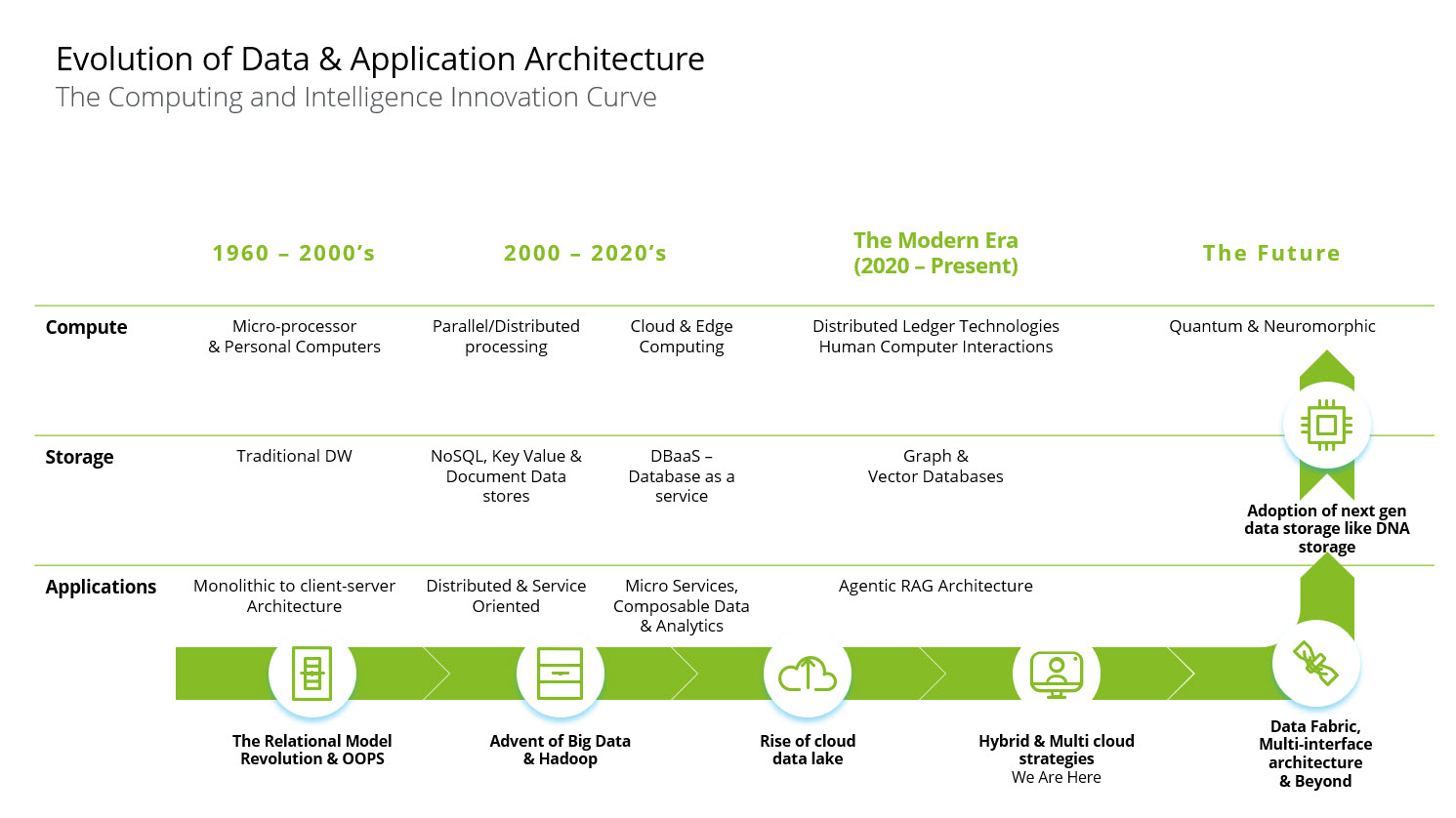
Ashley Adele’s analytical framework provides critical insights into the modern shifting data policy landscape, where enterprise compliance, privacy regulations, and artificial intelligence integration intersect. By examining how regulatory shifts impact data governance, organizations can better navigate evolving legal requirements, secure consumer trust, and adapt their digital infrastructure to meet global standards.
Understanding the Modern Data Policy Paradigm
The modern data policy landscape is undergoing a structural transformation driven by rapid technological advancement, shifting geopolitical priorities, and heightened public demand for digital privacy. Organizations can no longer treat data compliance as a static legal checklist. Instead, data governance requires continuous monitoring, dynamic policy adjustment, and cross-functional collaboration between legal, technical, and executive teams.
Within this environment, commentators and analysts such as Ashley Adele have highlighted the widening gap between traditional data management practices and the demands of modern cloud ecosystems. As multi-cloud deployments and decentralized architectures become the baseline for enterprise computing, enforcing uniform data protection standards grows increasingly complex. The core challenge lies in balancing operational agility with rigorous compliance mandates, ensuring that innovation does not outpace regulatory accountability.
Furthermore, the globalization of digital markets means that a single data breach or compliance failure can trigger multi-jurisdictional penalties. Policymakers across North America, Europe, and the Asia-Pacific region are tightening enforcement mechanisms, increasing fines, and expanding the scope of personal data definitions. Understanding this shifting terrain requires a granular look at the primary legislative frameworks, technological pressures, and organizational strategies shaping the industry.
Core Drivers of Regulatory Transformation
To understand why data policy is shifting so rapidly, one must examine the underlying catalysts pushing regulators and industry leaders to alter their strategies. These drivers extend beyond mere bureaucratic expansion; they are direct responses to systemic changes in how society collects, processes, and monetizes information.
The Rise of Generative AI and Automated Decision-Making
The rapid adoption of artificial intelligence and machine learning models has fundamentally disrupted traditional data protection assumptions. Earlier data frameworks were built around the concept of explicit, static consent for specific, predetermined purposes. However, generative AI systems rely on massive, continuous ingestion of data to train large language models and predictive algorithms.
- Data Provenance: Tracing the exact origin and consent status of training data remains a monumental hurdle for developers and legal teams alike.
- Algorithmic Transparency: Regulators increasingly demand explainability, forcing organizations to document how automated systems arrive at decisions that affect individuals.
- Right to be Forgotten: Eriminating specific data points from complex neural networks without retraining models from scratch presents significant technical barriers.
Cross-Border Data Flows and Sovereignty
Geopolitical fragmentation has placed immense pressure on international data transfers. Mechanisms that once provided safe harbors for transatlantic and global data movement face intense judicial scrutiny. Data localization laws—mandating that citizens' data remain physically stored within national borders—are proliferating. This trend forces multinational enterprises to architect fragmented infrastructure systems, moving away from centralized global data repositories toward regionalized storage hubs.
| Regulatory Mechanism | Primary Geographic Focus | Key Compliance Requirement |
|---|---|---|
| General Data Protection Regulation (GDPR) | European Union | Strict consent, data minimization, and extraterritorial enforcement. |
| State-Level Privacy Acts (CCPA/CPRA, etc.) | United States (e.g., California, Virginia) | Consumer opt-out rights, targeted advertising restrictions, and data access requests. |
| Emerging AI Acts | Global (EU, US Federal agencies) | Risk-based categorization of AI models and mandatory algorithmic audits. |
Organizational Impacts and Compliance Challenges
As data policies evolve, enterprises face steep operational hurdles. The financial and structural cost of maintaining compliance often burdens smaller organizations disproportionately, creating competitive advantages for massive tech conglomerates with dedicated legal departments.
Bridging the Gap Between Legal and Technical Teams
One of the most persistent operational obstacles is the communication barrier between legal compliance officers and software engineers. While legal teams draft comprehensive privacy policies based on statutory text, engineering teams must implement these mandates through code, database architectures, and API integrations.
Misalignment between these departments frequently leads to compliance vulnerabilities. For instance, a policy stating that user data is deleted upon account closure is legally sound, but if backend systems retain orphaned records in backup logs or secondary databases, the organization remains legally non-compliant. Addressing this requires embedding privacy-by-design principles directly into the software development lifecycle (SDLC).
The Cost of Non-Compliance and Enforcement Trends
Enforcement agencies are shifting from a posture of guidance and remediation to one of aggressive financial penalties and operational restrictions. Regulatory bodies are no longer hesitant to issue fines reaching significant percentages of global annual turnover for severe infractions. Beyond statutory fines, organizations face severe reputational damage, customer churn, and potential class-action litigation following public data exposures. Consequently, robust data governance has transformed from a back-office administrative task into a critical board-level risk management priority.
Strategic Adaptation and Next Actions for Enterprises
Navigating the shifting data policy landscape successfully requires a proactive, structured approach to data stewardship. Organizations must move past reactive compliance and adopt comprehensive frameworks that can withstand future regulatory revisions.
Step-by-Step Implementation Framework
- Comprehensive Data Mapping: Conduct a complete audit of all data assets to identify what information is collected, where it is stored, how it flows across systems, and who has access privileges.
- Implement Privacy-by-Design: Integrate data protection protocols into the earliest stages of product development, ensuring data minimization and built-in security controls.
- Automate Governance Workflows: Leverage data governance software to automate consent management, data subject access requests (DSARs), and retention schedule enforcement.
- Regular Compliance Audits: Establish recurring third-party and internal audits to test system resilience, verify access logs, and ensure alignment with updated regional statutes.
- Continuous Staff Training: Educate personnel across all departments regarding data handling best practices, phishing awareness, and regulatory obligations.
Frequently Asked Questions
What is the primary focus of Ashley Adele's analysis on data policy?
Ashley Adele focuses on the intersection of evolving regulatory frameworks, enterprise compliance challenges, and the technological pressures introduced by modern data ecosystems and artificial intelligence integration.
How are data localization laws affecting multinational businesses?
Data localization laws require companies to store citizens' data within specific geographic borders. This forces organizations to abandon centralized global data repositories in favor of fragmented, regionalized cloud infrastructure, increasing operational costs and technical complexity.
Why is compliance difficult for generative AI applications?
Generative AI models require vast datasets for training, making it difficult to trace data provenance, secure explicit user consent for every input, and comply with "right to be forgotten" requests without entirely retraining complex neural models.
What does "privacy-by-design" mean in software development?
Privacy-by-design is an engineering framework that embeds data protection and privacy controls into the core architecture of software systems from inception, rather than treating security as an afterthought.
How often should an enterprise conduct data audits?
Organizations should conduct comprehensive data mapping and compliance audits at least annually, or immediately following major infrastructure updates, mergers, or significant shifts in regional privacy legislation.
Conclusion and Recommended Next Actions
The shifting data policy landscape demands continuous vigilance, technical adaptability, and strategic foresight from modern organizations. To mitigate regulatory risk and protect consumer trust, executive leadership should immediately commission a comprehensive data inventory audit to map all current information flows. By aligning technical architecture with legal compliance mandates today, organizations can build a resilient foundation for long-term digital operations.