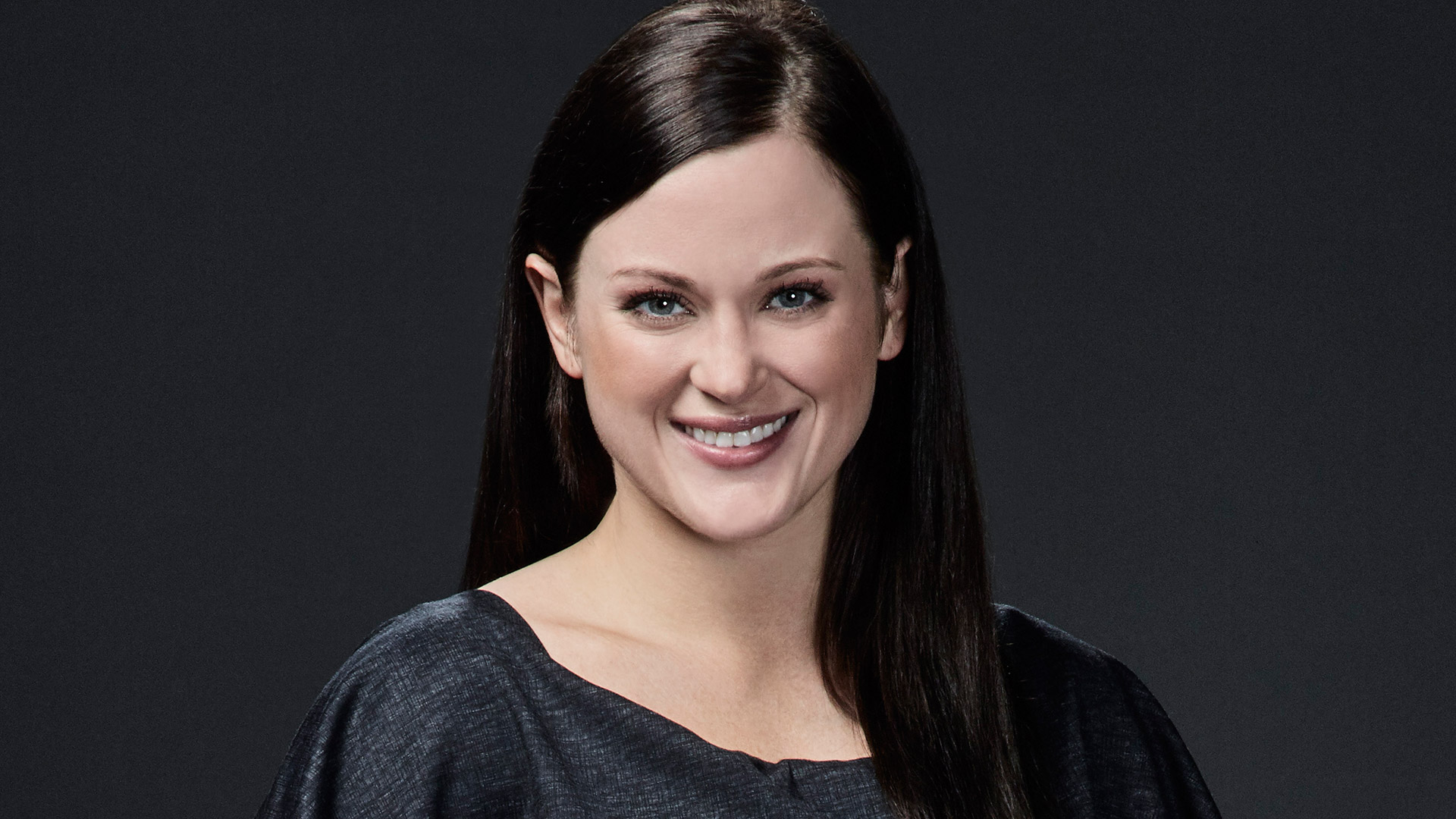
Ashleigh Baker’s participation in the A&E reality television series 60 Days In offers a compelling look into the psychological and physical challenges of undercover incarceration. Entering a correctional facility under a false identity to expose internal corruption, contraband flow, and operational vulnerabilities requires navigating high-stakes environments where safety depends entirely on deception and emotional regulation. Her tenure on the show highlights the friction between civilian expectations and the harsh realities of jail culture, providing viewers with insight into the structural mechanics of modern detention facilities.
Understanding the Premise of 60 Days In
60 Days In operates on a unique and controversial premise: placing innocent civilian volunteers into a jail or prison system for two months without the general population knowing their true identities. The primary objective is to gather unfiltered intelligence for facility administrators, identifying security lapses, staff misconduct, illicit drug networks, and extortion rings that traditional correctional oversight often misses.
For participants like Ashleigh Baker, the experience is not merely a social experiment or a television appearance; it is a rigorous psychological trial. Volunteers must adopt a convincing cover story, memorize biographical details of their fabricated past, and maintain a consistent persona under intense scrutiny from both inmates and correctional officers. The psychological weight of maintaining a lie while surrounded by individuals with genuine criminal histories creates an environment of chronic stress and hyper-vigilance.
Selection, Preparation, and Risk Mitigation
Before entering the facility, participants undergo vetting processes designed to evaluate their emotional stability, conflict-resolution skills, and ability to handle isolation and intimidation. While production companies and facility wardens attempt to screen for candidates who can withstand the pressure, the unpredictable nature of jail populations means that every participant faces distinct, unforeseen perils.
Preparation typically involves briefing on facility rules, emergency protocols, and behavioral strategies to avoid drawing unwanted attention. However, no amount of classroom preparation fully replicates the sensory overload of booking, processing, and entering a housing unit. Participants must quickly learn unwritten codes of conduct, establish neutral or positive rapport with influential inmates, and manage their own physiological responses to fear and confinement.
The Psychological Toll of Undercover Incarceration
The core of Ashleigh Baker’s experience—and that of similar participants—lies in the profound psychological adjustment required to survive inside a correctional facility. Key psychological dynamics include:
- Hyper-Vigilance: Participants must constantly monitor their surroundings, tone of voice, and body language to avoid appearing weak or deceptive.
- Social Isolation: Building genuine connections is dangerous because trust can be weaponized, yet isolation increases vulnerability to depression and anxiety.
- Loss of Agency: Complete surrender of personal autonomy, dietary choices, schedule control, and privacy exacerbates mental fatigue.
- Cognitive Dissonance: Constantly balancing the reality of one's actual life outside with the immediate survival demands of the fabricated identity strains cognitive endurance.
These factors combine to test the resilience of even the most well-prepared individuals, frequently leading to emotional breakthroughs, breakdowns, or premature withdrawals from the program.
Programmatic Impact and Institutional Findings
The utility of placing undercover civilians into correctional environments has been a subject of ongoing debate among criminologists, penal reformers, and correctional officials. Proponents argue that the initiative provides an unvarnished, bottom-up perspective that administrative audits and security cameras cannot capture. Insights gained from participants often lead to tangible reforms, such as:
- Seizing hidden contraband, including improvised weapons and unauthorized medications.
- Identifying specific staff members engaging in inappropriate relationships or smuggling operations with inmates.
- Highlighting deficiencies in medical response times and mental health triage.
- Uncovering systemic bullying or extortion schemes among housing unit factions.
Conversely, critics contend that the presence of television cameras and untrained civilian operatives introduces unnecessary liabilities, potential safety hazards, and distractions for correctional staff whose primary mandate is maintaining institutional security.
Comparative Overview of Participant Experiences in 60 Days In
To understand how Ashleigh Baker's journey fits into the broader context of the series, it is helpful to examine the common structural phases experienced by participants across different seasons.
| Phase of Experience | Primary Objective | Key Challenges | Potential Risks |
|---|---|---|---|
| Recruitment & Briefing | Establishing cover identity and security clearance | Memorizing background details; psychological screening | Rejection during vetting; inadequate preparation |
| Booking & Intake | Entering the facility without blowing cover | Enduring strip searches, processing, and hostility | Immediate suspicion from booking officers or inmates |
| Initial Integration | Finding a place in the housing unit | Establishing daily routines; avoiding conflicts | Being targeted by dominant inmate cliques |
| Information Gathering | Observing illicit activities and operational flaws | Documenting intelligence covertly without writing tools | Discovery of true identity by inmates |
| Extraction & Debriefing | Safely exiting the facility and reporting findings | Managing residual trauma; transitioning back to normal life | Emotional distress, lingering paranoia, or PTSD |
Frequently Asked Questions
What was the main objective of Ashleigh Baker participating in 60 Days In?
Ashleigh Baker participated to provide facility administrators with an objective, insider perspective on security breaches, contraband smuggling, and inmate dynamics, helping authorities implement necessary internal reforms.
How do participants maintain their cover while inside the facility?
Participants rely on strict cover stories, neutral body language, and careful avoidance of suspicious behaviors like excessive note-taking or asking overly direct investigative questions. They must blend into the daily rhythms of the housing unit.
Are participants given any protection while inside the jail?
While participants are monitored via surveillance cameras and maintain secret emergency communication channels with production and security teams, physical intervention is deliberately delayed unless a life-threatening situation arises to prevent compromising their cover.
What happens after a participant finishes their time in the facility?
Upon completing their tenure or opting out early, participants undergo immediate extraction, medical evaluations, and psychological debriefings to process the trauma of the experience before returning to their families.
Did Ashleigh Baker's insights lead to facility changes?
Insights gathered by participants typically result in administrative reviews, increased shakedowns for contraband, disciplinary actions against compromised staff members, and policy adjustments regarding inmate supervision.
Conclusion and Next Actions
Ashleigh Baker's time on 60 Days In underscores the intense realities of institutional confinement and the complexities of undercover intelligence gathering. For viewers seeking to understand the deeper systemic issues within modern correctional facilities, examining the firsthand accounts of participants provides a sobering look at the criminal justice system. Those interested in further exploration can review criminological studies on prison reform, official oversight board reports, and analyses of correctional administration practices to contrast television portrayals with empirical data on penal institutions.