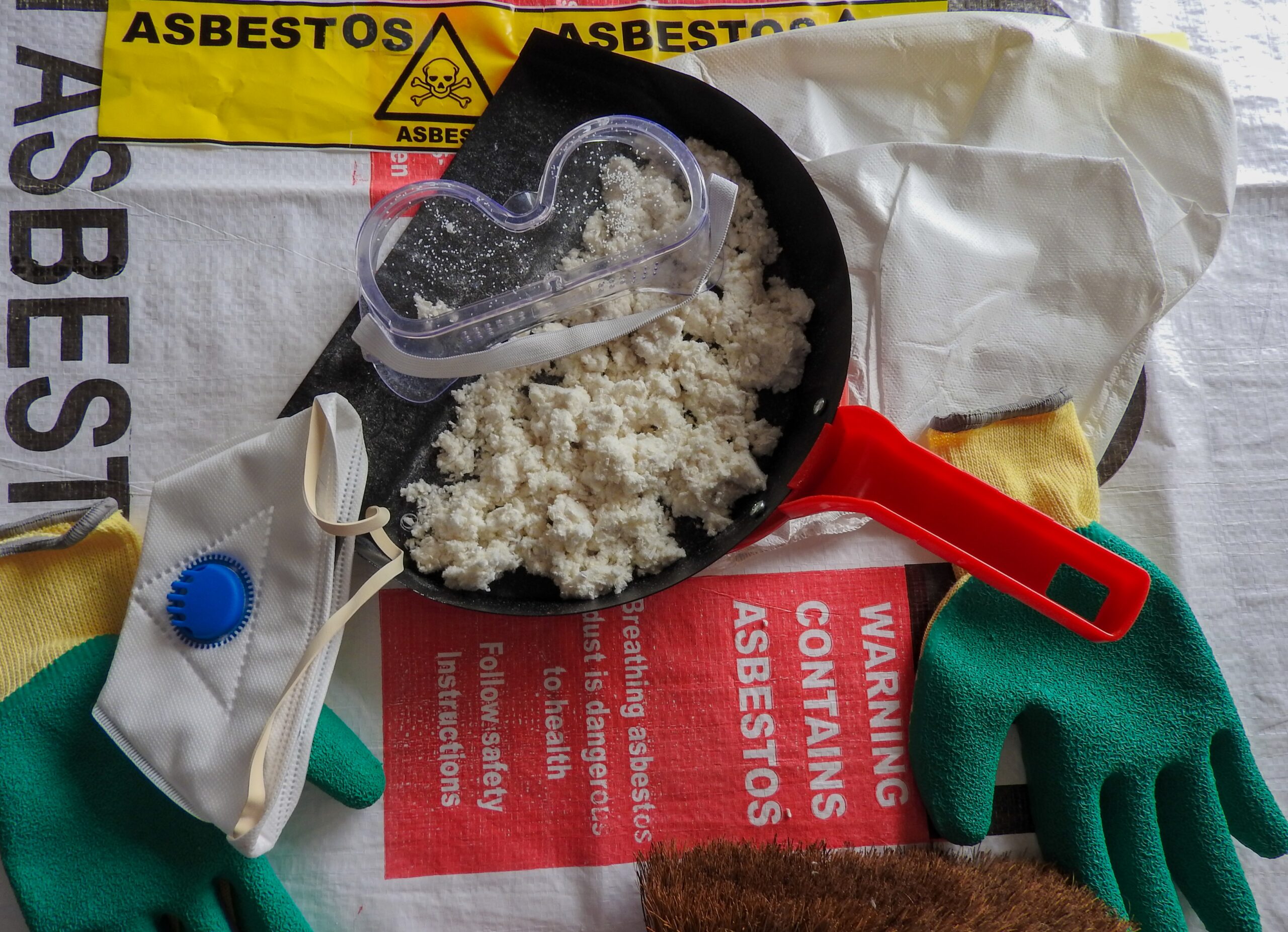
Staffing agencies operating in industries where asbestos exposure is a potential risk factor face a unique and high-stakes landscape regarding workers compensation insurance. Because asbestos-related diseases often have long latency periods and severe health implications, insurers categorize these risks as high-hazard. Agencies must secure specialized policies that accurately classify employee duties, maintain meticulous exposure documentation, and ensure that client-site safety protocols are contractually integrated into their coverage strategy to avoid premium volatility and coverage denials.
Understanding the Risk Profile of Asbestos Exposure
Asbestos, a naturally occurring mineral fiber, was extensively used in construction, shipbuilding, and manufacturing throughout the 20th century. For staffing firms, the risk is not merely the presence of the material, but the active disturbance of it during renovation, abatement, or demolition. When staffing agencies provide temporary labor to contractors engaged in these activities, they are often considered the legal "employer" for workers compensation purposes.
The fundamental difficulty for staffing agencies is the "long-tail" nature of asbestos claims. A worker may be exposed to asbestos fibers during a temporary assignment in 2026, but symptoms of conditions like mesothelioma or asbestosis may not manifest for decades. Consequently, the insurance carrier covering the agency at the time of the exposure—not the carrier at the time of diagnosis—is generally responsible for the claim. This creates significant underwriting hurdles, as insurers must assess the historical and future liability of the agency based on the nature of the industries they serve.
Class Codes and Workers Compensation Classification
In the realm of workers compensation, every role is assigned a class code that dictates the base premium rate. Asbestos-related work is rarely a standalone code; it is usually bundled under broader categories such as "Asbestos Abatement," "Demolition," or "General Construction."
If a staffing agency misclassifies its employees—for example, coding an asbestos abatement technician as a general laborer—they risk severe financial penalties, audit adjustments, and the possibility of having a claim denied for misrepresentation. Insurance auditors in 2026 are increasingly diligent about reviewing client contracts to ensure that the actual work performed on-site aligns with the payroll reports submitted to the insurance provider.
Managing Client Contracts and Indemnification
The relationship between a staffing agency and its host client is governed by the Service Agreement. In high-risk environments involving hazardous materials, this document is the primary shield against liability.
- Indemnification Clauses: Agencies should ensure that host clients provide strong hold-harmless and indemnification language. If an employee is injured due to a failure in the client’s safety protocol or an undisclosed asbestos hazard, the client should bear the legal and financial burden.
- Additional Insured Status: Staffing agencies must require that they be named as an "additional insured" on the client’s General Liability policy. While this does not replace workers compensation, it provides a layer of protection if the agency is sued in tort for negligence related to the exposure.
- Safety Verification: Before placing workers, agencies must conduct a site assessment. Relying solely on a client’s word that a site is "asbestos-free" is a common failure point. Reviewing the client’s Asbestos Management Plan and current inspection reports is a standard requirement for maintaining insurability.
Financial Impacts and Premium Mitigation
The cost of workers compensation insurance for companies involved in hazardous environments is significantly higher than for general administrative staffing. To manage these costs, agencies should adopt several strategic financial practices:
- Experience Modification Rate (EMR) Management: An agency's EMR is a multiplier based on its historical claim frequency and severity. By implementing rigorous safety training and return-to-work programs, agencies can lower their EMR, which directly reduces annual premiums.
- Loss Control Programs: Insurers look favorably upon agencies that provide documented asbestos awareness training to their temporary staff. Providing proof of certification (such as OSHA-compliant training records) can sometimes lead to premium credits or more favorable deductible structures.
- Deductible Programs: For large-scale operations, opting for a higher deductible can lower fixed premium costs. However, this requires the agency to maintain sufficient cash reserves to handle the immediate costs of smaller claims that fall under the deductible threshold.
Comparison of Insurance Strategies for Staffing Agencies
| Strategy | Benefit | Potential Downside |
|---|---|---|
| Guaranteed Cost Policy | Predictable monthly or annual premiums. | No savings for having an excellent safety record. |
| Loss Sensitive/Retrospective | Significant premium savings for low claims. | Risk of large, unexpected premium spikes if losses occur. |
| Captive Insurance | Greater control and long-term cost reduction. | Requires significant capital and administrative oversight. |
| OCIP/CCIP Integration | Client covers insurance for the project duration. | Agency loses control over claim management and EMR impact. |
Note: The choice of insurance structure should be reviewed annually with a broker specializing in high-hazard staffing.
Addressing Regulatory and Compliance Hurdles
In 2026, the regulatory environment regarding hazardous materials remains stringent. Agencies must navigate overlapping requirements from federal bodies like the Occupational Safety and Health Administration (OSHA) and the Environmental Protection Agency (EPA).
Staffing firms are often held to the same standards as prime contractors. If an inspector finds that temporary workers were not provided with appropriate Personal Protective Equipment (PPE) or were not fit-tested for respiratory protection, the agency can be cited for direct violations. These citations frequently trigger insurance audits, which can lead to increased premiums or, in extreme cases, the cancellation of coverage.
Common Mistakes in Managing Coverage
- Failing to Update Payrolls: Keeping outdated job descriptions leads to incorrect audit results and premium underpayments, which creates a large "catch-up" bill at the end of the policy term.
- Ignoring Subcontractor Certificates: If the staffing agency uses subcontractors to fulfill orders, they must collect certificates of insurance (COI) from those subcontractors. If a subcontractor has no coverage, the staffing agency’s policy may be forced to pick up the liability in the event of an injury.
- Lack of Incident Reporting: Waiting to report a potential asbestos exposure until a formal claim is filed can jeopardize coverage. Reporting "near misses" or potential exposures immediately allows the insurer to initiate investigation and record-keeping early.
Frequently Asked Questions
Does workers compensation cover a claim if an employee develops an asbestos-related illness 20 years later? Yes, but the claim will generally be processed by the insurance carrier that was active during the specific period of exposure. This is why maintaining historical records of which employees worked at which sites is critical for any staffing firm.
Can a staffing agency avoid liability by having workers sign a waiver? No. In almost all jurisdictions, employees cannot waive their right to workers compensation benefits, regardless of whether they have signed an agreement acknowledging the risks of asbestos exposure.
How does an "Asbestos Exclusion" affect a staffing agency? Some insurance policies contain an asbestos exclusion, which means the policy will not pay for any medical or disability costs related to asbestos-related diseases. If your policy has this exclusion, you are effectively uninsured for your primary risk in high-hazard environments.
Is there a specific certification for workers that insurers look for? Insurers look for OSHA-compliant certifications, such as the Asbestos Abatement Worker certification (or equivalent state-specific requirements). Proof that workers have completed the mandatory initial training and annual refresher courses is essential for underwriting.
Should staffing agencies use an Owner Controlled Insurance Program (OCIP)? An OCIP can be beneficial if the client provides the insurance, but it also means the agency loses the ability to manage the claim itself. This can be risky if the claim is mishandled by the client, as the impact on the industry’s reputation and safety record remains.
Next Steps for Agencies
Staffing agencies should begin by conducting a comprehensive audit of all active and past client sites to map where potential asbestos exposure has occurred. Following this, consult with a specialized commercial insurance broker to review current policy language for asbestos exclusions. Finally, formalize a mandatory safety orientation and record-keeping system that tracks every site-specific exposure event.