An Advanced Practice Nurse (APN)—interchangeably referred to as an Advanced Practice Registered Nurse (APRN)—is a Registered Nurse who has attained advanced clinical training, a graduate degree (Master of Science in Nursing or Doctor of Nursing Practice), and national board certification. APNs possess the legal authority to evaluate patients, diagnose medical conditions, order and interpret diagnostic tests, formulate management plans, and prescribe medications within their designated specialty and regulatory framework.
Disclaimer: Nursing regulation and scope of practice are governed by regional statutes, national licensing boards, and local legislation. Healthcare professionals and students should consult their specific state or national Board of Nursing for binding legal definitions and licensure requirements.
What Is an Advanced Practice Nurse?
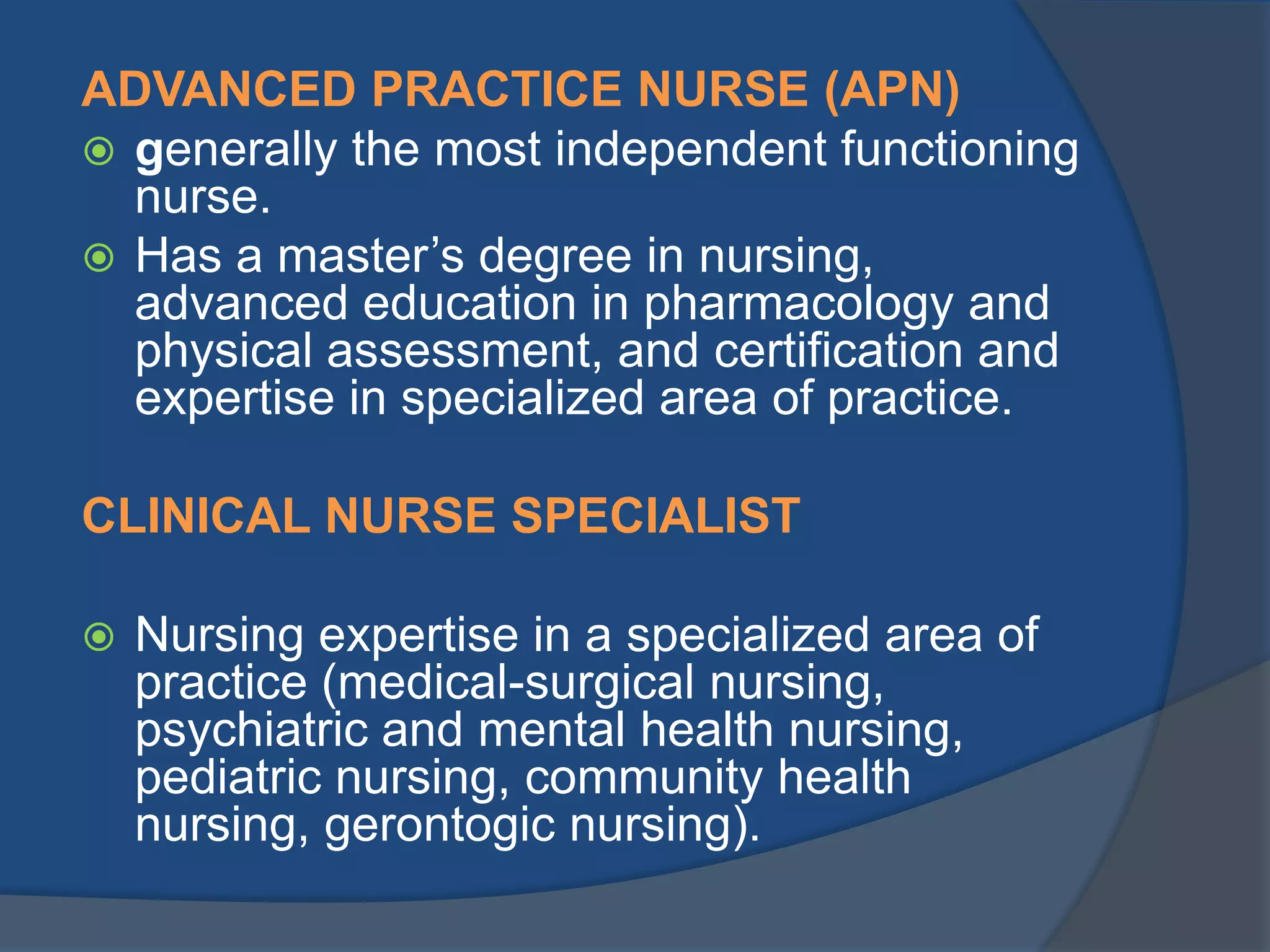
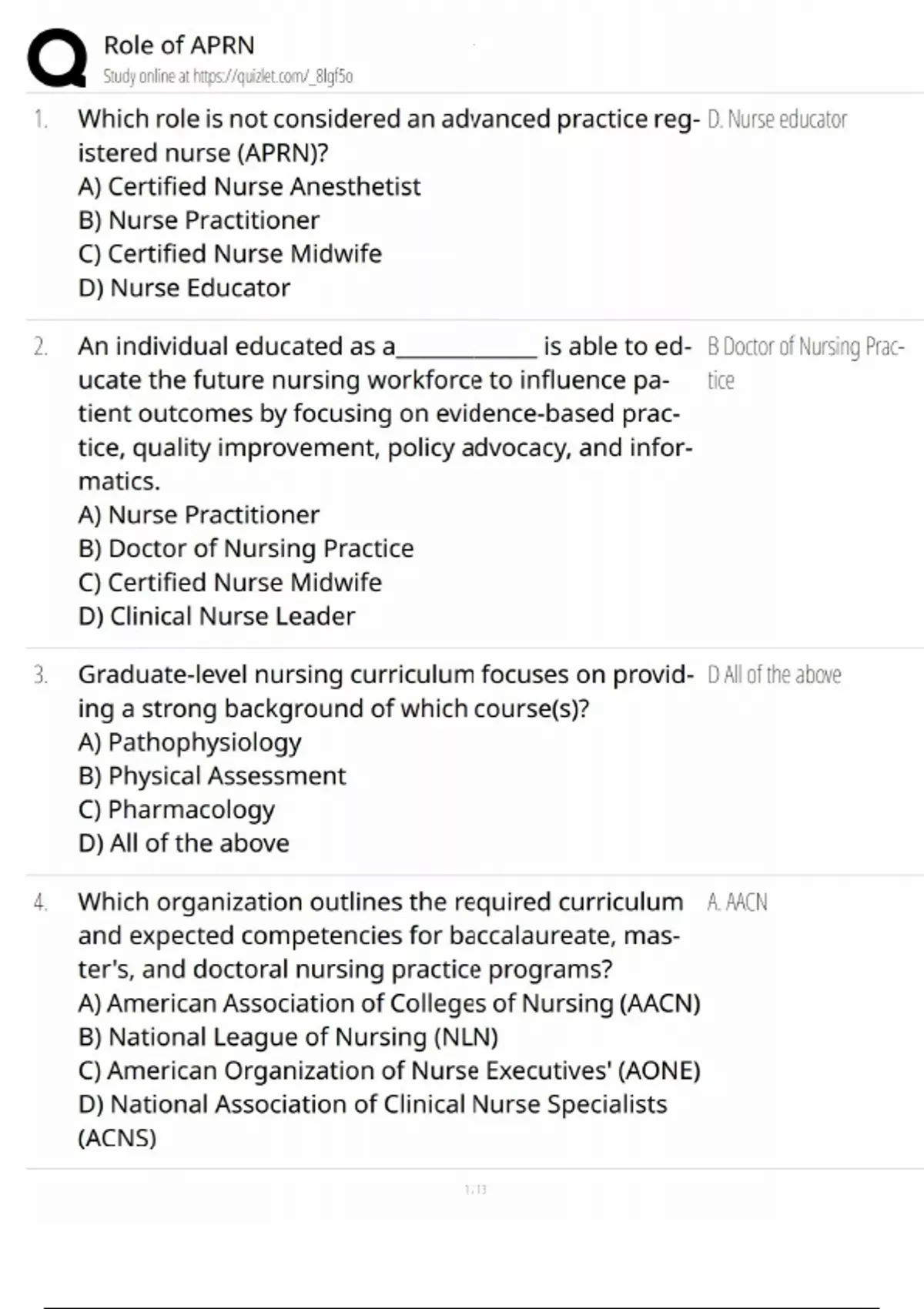
An Advanced Practice Nurse (APN) represents the highest level of direct-care clinical nursing practice. Built upon the foundational competencies of general registered nursing, advanced practice nursing integrates advanced physiology, pathophysiology, pharmacology, and physical assessment with specialized expert clinical judgment.
APNs bridge the gap between traditional bedside nursing and independent medical evaluation. Unlike registered nurses (RNs) who primary execute care plans, monitor patient status, and administer treatments under a physician's or team's directives, APNs independently evaluate clinical presentations, establish differential diagnoses, and initiate therapeutic regimens.
APN vs. APRN: Terminology and Standards
In professional healthcare literature and regulatory governance, the terms APN (Advanced Practice Nurse) and APRN (Advanced Practice Registered Nurse) are often used interchangeably. However, modern credentialing bodies and national regulatory structures—such as the National Council of State Boards of Nursing (NCSBN) in the United States—formally adopt the designation APRN under the Consensus Model for APRN Regulation: Licensure, Accreditation, Certification & Education.
This standardized model ensures that advanced practice clinicians complete an accredited graduate program, obtain national certification through a validated testing body, and hold an active state license to practice within one of four defined roles.
Core Responsibilities Across Clinical Settings
While daily duties vary based on clinical specialty, setting, and jurisdiction, all APNs perform core high-level responsibilities:
- Comprehensive Assessment: Conducting health histories, physical examinations, and biological-psychosocial evaluations across diverse patient populations.
- Diagnostic Reasoning: Ordering, performing, and interpreting diagnostic imaging, laboratory analyses, electro-cardiographic studies, and diagnostic procedures.
- Treatment Formulation: Developing, implementing, and modifying evidence-based therapeutic treatment plans for acute, chronic, and complex healthcare conditions.
- Pharmacological Management: Prescribing legend drugs, biological agents, and controlled substances appropriate to patient diagnoses.
- Care Coordination and Referral: Collaborating with interprofessional teams, specialist physicians, therapists, and social workers to deliver integrated care.
- Patient Advocacy and Education: Translating complex medical data for patients and families, promoting preventive health measures, and managing long-term health outcomes.
The Four Recognized APN Roles
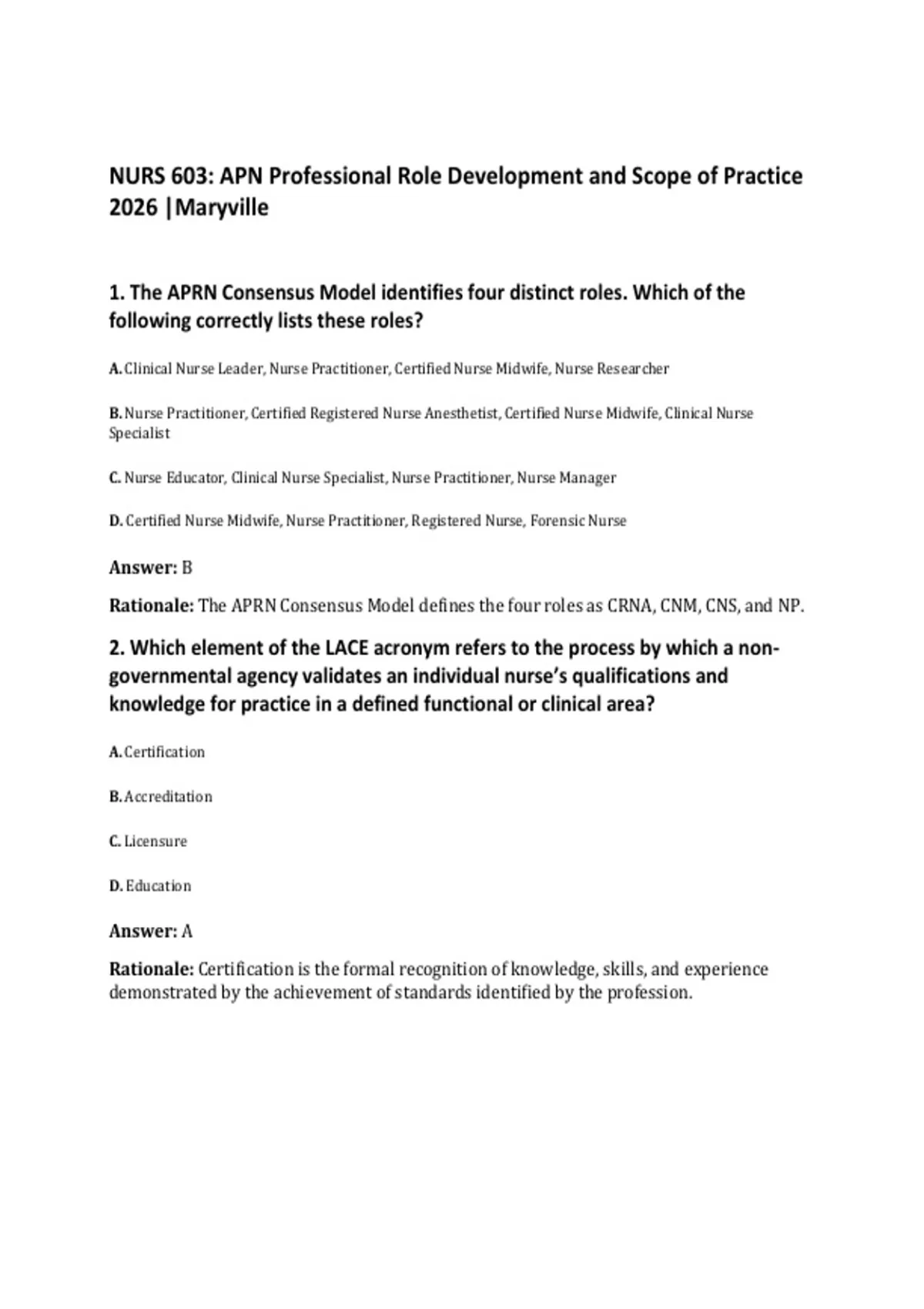
Advanced practice nursing is structured into four distinct, recognized operational roles. Each role demands a specific educational track, clinical experience requirement, and specialty board examination.
- Advanced Practice Nurse (APN/APRN)
- Nurse Practitioner (NP)
- Certified Registered Nurse Anesthetist (CRNA)
- Certified Nurse-Midwife (CNM)
- Clinical Nurse Specialist (CNS)
1. Nurse Practitioner (NP)
Nurse Practitioners represent the largest segment of the APN workforce. NPs deliver primary, acute, specialty, and long-term healthcare to patients across the lifespan depending on their chosen population focus.
NPs work in ambulatory clinics, private practices, hospitals, urgent care centers, and long-term care facilities. Their care model emphasizes disease prevention, health promotion, comprehensive diagnosis, and patient-centered chronic disease management. Primary Care NPs frequently act as designated primary care providers (PCPs), while Acute Care NPs manage critically ill hospitalized patients.
2. Certified Registered Nurse Anesthetist (CRNA)
Certified Registered Nurse Anesthetists specialize in the administration of anesthesia, pain management modalities, and perioperative care. CRNAs practice in surgical suites, obstetrical delivery rooms, pain management centers, and critical care units.
Before entering an accredited CRNA program, candidates must complete intensive clinical care nursing experience (typically a minimum of one to two years in an Intensive Care Unit). CRNAs evaluate patients preoperatively, formulate individualized anesthesia plans, administer general and regional anesthesia, monitor intraoperative physiological stability, and oversee post-anesthesia recovery.
3. Certified Nurse-Midwife (CNM)
Certified Nurse-Midwives provide comprehensive sexual and reproductive healthcare, gynecological services, family planning, prenatal care, labor and delivery management, and newborn care during the first 28 days of life.
CNMs emphasize low-intervention obstetrical care, supporting natural childbirth while maintaining the clinical training necessary to identify and manage high-risk obstetric emergencies. They practice in hospitals, birth centers, outpatient gynecological clinics, and home birth services.
4. Clinical Nurse Specialist (CNS)
Clinical Nurse Specialists are advanced practice experts who drive clinical excellence across three primary spheres of influence: the patient, the nursing personnel, and the organizational system.
Unlike NPs who maintain a continuous direct patient panel, the CNS integrates advanced direct patient management with clinical leadership, staff education, evidence-based practice implementation, and system-level quality improvement. CNSs frequently specialize in focused populations or medical specialties (e.g., oncology, cardiovascular, critical care, pediatrics, or wound care).
Understanding APN Scope of Practice: Regulatory Models
The "scope of practice" defines the legal parameters, clinical actions, and operational boundaries an APN is authorized to perform. Unlike general registered nursing, which remains relatively standard across jurisdictions, APN autonomy varies significantly depending on national, state, or provincial legislation.
In the United States, the scope of practice for APRNs is dictated by individual State Boards of Nursing, leading to three distinct practice environments:
| Full Practice | Reduced Practice | Restricted Practice |
|---|---|---|
| Autonomy to evaluate, diagnose & prescribe | Requires formal collaborative agreement with a physician for specific elements | Requires direct supervision/delegation by a physician |
Full Practice Authority (FPA)
Under a Full Practice framework, APNs operate under the exclusive licensure authority of the State Board of Nursing. They possess the independent legal authorization to:
- Evaluate and examine patients.
- Diagnose acute and chronic illnesses.
- Order, perform, and interpret diagnostic tests.
- Initiate, manage, and modify medical treatments.
- Prescribe medications, devices, and controlled substances without mandatory physician supervision, signed collaborative agreements, or delegated oversight.
Full practice authority is supported by the National Academy of Medicine and the NCSBN, as research consistently demonstrates that FPA expands healthcare access—particularly in rural and underserved areas—without compromising patient safety or quality of care.
Reduced Practice Authority
In Reduced Practice jurisdictions, state statutes limit the ability of an APN to engage in at least one element of practice. To provide patient care, the APN must maintain a formal collaborative agreement with a licensed physician or practice within a regulated institutional framework.
For instance, an APN may be authorized to diagnose and treat patients independently but require a written physician agreement to obtain prescriptive authority for Schedule II–V controlled substances.
Restricted Practice Authority
In Restricted Practice states or regions, APNs face statutory limitations across multiple areas of care. APNs in these jurisdictions cannot engage in independent evaluation, diagnosis, or treatment planning.
Under this model, the APN operates under mandatory delegation, direct supervision, or rigid institutional oversight by a licensed physician throughout their clinical career. The physician retains ultimate responsibility for patient management protocols.
Comparative Overview of APN Roles
The following table summarizes the four core APN credentials, required education standards, typical practice environments, and core clinical focus areas.
| APN Role | Abbreviation | Primary Educational Requirement | Primary Practice Environments | Core Clinical Focus |
|---|---|---|---|---|
| Nurse Practitioner | NP / APRN | Master of Science in Nursing (MSN) or Doctor of Nursing Practice (DNP) | Primary care clinics, hospital acute units, specialty centers, urgent care | Comprehensive physical assessment, diagnostic evaluation, disease management, health maintenance |
| Certified Registered Nurse Anesthetist | CRNA | Doctor of Nursing Anesthesia Practice (DNAP) or DNP (Mandatory doctoral degree entry) | Hospital operating rooms, surgical centers, trauma units, pain clinics | Pre-anesthesia assessment, general/regional anesthesia delivery, intraoperative monitoring, acute pain management |
| Certified Nurse-Midwife | CNM | MSN or DNP | Hospitals, birth centers, outpatient women’s health clinics, private practices | Well-woman gynecology, family planning, low-risk prenatal/postpartum care, labor and delivery |
| Clinical Nurse Specialist | CNS | MSN or DNP | Hospitals, health systems, specialty outpatient clinics, academic centers | Complex direct patient consultation, nursing staff mentorship, clinical protocol development, systemic quality improvement |
Education, Credentials, and Population Foci
Achieving an APN license requires an extensive academic and clinical commitment beyond standard Registered Nurse preparation.
Educational Pathways: MSN vs. DNP
Historically, a Master of Science in Nursing (MSN) was the terminal degree required to sit for APN national certification examinations. However, the professional nursing landscape has increasingly transitioned toward the Doctor of Nursing Practice (DNP).
- Master of Science in Nursing (MSN): Focuses heavily on advanced pathophysiological concepts, clinical skills execution, pharmacology, and core role preparation. MSN programs typically take 2 to 3 years of post-baccalaureate study.
- Doctor of Nursing Practice (DNP): A practice-focused doctorate that incorporates advanced clinical training alongside health systems leadership, implementation science, clinical data analytics, executive management, and healthcare policy formulation.
For Nurse Anesthetists, national accreditation standards require all entry-level CRNA educational programs to offer doctoral degrees. Other APN roles continue to maintain both MSN and DNP pathways, though regulatory bodies strongly encourage the DNP for entry into clinical practice.
The Six Recognized Population Foci
Under the APRN Consensus Model, an APN's formal education and board certification must align with at least one of six recognized population foci:
- Family/Individual Across the Lifespan: Broad-spectrum primary care serving pediatric, adult, and geriatric patients.
- Adult-Gerontology: Focused on adolescent, adult, and aging populations, divided into Primary Care or Acute Care tracks.
- Pediatrics: Dedicated to infant, child, and adolescent development, divided into Primary Care or Acute Care tracks.
- Neonatal: Specialized care for high-risk neonates, infants, and critically ill newborns in Neonatal Intensive Care Units (NICUs).
- Women’s Health/Gender-Related: Comprehensive gynecological, reproductive, and primary care specifically structured for women across the lifespan.
- Psychiatric-Mental Health: Specialized diagnosis, psychotherapy delivery, and psychotropic medication management for psychiatric disorders across the lifespan.
- APRN Role (NP, CRNA, CNM, CNS)
- Must align with Six Recognized Foci:
- Family / Lifespan
- Adult-Gerontology (PC/AC)
- Pediatrics (PC/AC)
- Neonatal
- Women's Health
- Psychiatric-Mental Health
- Must align with Six Recognized Foci:
Board Certification and Maintenance of Licensure
Graduation from an accredited university program alone does not confer an APN license. Candidates must successfully complete a national certification examination administered by an accredited certifying agency. Prominent credentialing organizations include:
- American Nurses Credentialing Center (ANCC)
- American Association of Nurse Practitioners (AANP)
- National Certification Corporation (NCC)
- National Board of Certification and Recertification for Nurse Anesthetists (NBCRNA)
Once certified, the APN must apply for an advanced practice state license through their governing regulatory board. Maintaining licensure requires ongoing clinical practice hours, continuous learning education credits (CEUs), and periodic recertification.
Prescriptive Authority and Clinical Autonomy
Prescriptive authority empowers APNs to order pharmacological agents, medical supplies, devices, physical therapy, and laboratory tests.
Legend Drugs vs. Controlled Substances
Prescriptive privileges fall into two primary regulatory categories:
- Legend Drugs: Non-controlled prescription medications (e.g., antihypertensives, antibiotics, insulin, cholesterol-lowering agents). In almost all jurisdictions, APNs possess independent or collaborative authority to prescribe legend medications upon receiving their advanced practice credential.
- Controlled Substances: Medications regulated under strict drug control acts due to their potential for misuse or dependency (e.g., opioids, stimulants, sedatives). Prescribing controlled substances requires a federal or regional registration—such as a Drug Enforcement Administration (DEA) registration number in the U.S.—alongside state-level prescriptive authority approval.
Operational Autonomy and Collaborative Agreements
Where full practice authority is restricted, an APN must execute a legal instrument often termed a Collaborative Practice Agreement (CPA) or Delegated Prescriptive Agreement.
These contracts outline:
- The specific categories of drugs the APN is authorized to prescribe.
- The required frequency of chart reviews and supervisory meetings with a collaborating physician.
- Emergency referral protocols and clinical consultation boundaries.
- Geographic distance parameters between the collaborating physician and the APN's clinical site.
The Impact of APNs on Healthcare Systems
The expansion of the APN workforce plays a crucial role in modernizing global healthcare systems, addressing provider shortages, and controlling expenditure.
| Increased Access | High Quality Care | Cost-Effective Solutions |
|---|---|---|
| Fills physician shortages in rural regions | Comparable outcome metric scores and high satisfaction | Reduces emergency room visits and lowers readmission rate burdens |
Addressing Primary Care and Specialty Shortages
Physician shortages—particularly in rural communities, inner-city clinics, and community health centers—present a persistent challenge to health systems. APNs fill these critical gaps by operating primary care practices, managing community health centers, and delivering specialty care in high-demand clinical sectors.
Clinical Outcomes and Patient Satisfaction
Decades of peer-reviewed comparative health services research demonstrate that patient outcomes delivered by APNs are equivalent in quality and safety to those provided by physicians. Studies measuring chronic disease management (such as hypertension, diabetes, and asthma), emergency room visit rates, and patient satisfaction scores consistently report high performance levels among APN-managed patient panels.
Health Economics and System Efficiency
APNs optimize resource utilization within hospital networks and private practices. By emphasizing preventive interventions, comprehensive counseling, and early management of chronic conditions, APN-led care helps prevent avoidable hospital readmissions and reduces emergency department visits, producing substantial cost savings for insurance payers and health systems.
Frequently Asked Questions
What is the primary difference between a Registered Nurse (RN) and an Advanced Practice Nurse (APN)?
A Registered Nurse holds an associate or bachelor's degree in nursing, providing direct bedside care, administering medications, and implementing care plans under physician or institutional orders. An APN has completed a master's or doctoral degree, holds national board certification, and possesses the legal authority to evaluate patients, formulate differential diagnoses, order diagnostic tests, and prescribe medications independently or collaboratively.
Can an Advanced Practice Nurse prescribe controlled substances?
Yes. APNs can prescribe controlled substances (Schedules II through V), provided they hold the appropriate state-level prescriptive authority credentials and maintain a registered DEA (or equivalent regional regulatory body) license. In reduced or restricted practice states, controlled substance prescribing may require a formal collaborative agreement with a supervising physician.
Are Nurse Practitioners (NPs) allowed to operate independent private practices?
In jurisdictions that grant Full Practice Authority (FPA), NPs can legally open, own, and operate independent healthcare practices without physician supervision or collaborative agreements. In reduced or restricted states, NPs must maintain formal legal agreements with collaborating physicians to operate a practice.
What is the difference between a Physician Assistant (PA) and an Advanced Practice Nurse (APN)?
While both diagnose conditions, order tests, and prescribe medications, their foundational education models differ. APNs are educated using the nursing model, which emphasizes holistic patient-centered care, disease prevention, health promotion, and specialized population foci built upon foundational registered nursing experience. Physician Assistants are trained under the medical model, focusing primarily on disease pathophysiology and clinical medical management under a generalized curriculum.
How long does it take to become an Advanced Practice Nurse?
Becoming an APN typically requires 6 to 8 years of higher education and clinical preparation. This includes completing a 4-year Bachelor of Science in Nursing (BSN), passing the NCLEX-RN exam to gain licensure, working 1 to 3 years as a bedside RN (especially for critical care roles like CRNA), and completing a 2- to 4-year graduate program (MSN or DNP).
Strategic Guidance for Aspiring APNs and Healthcare Organizations
Selecting the correct educational pathway or establishing organizational frameworks for APN integration requires structured planning.
For Prospective Advanced Practice Students
- Determine Your Population Focus Early: Identify whether your long-term clinical passion lies in primary care, acute hospital care, pediatrics, mental health, or specialized procedures (anesthesia/midwifery). Programs require specialization upon entry.
- Verify Program Accreditation: Ensure any graduate program under consideration holds active accreditation from recognized bodies such as the Commission on Collegiate Nursing Education (CCNE) or the Accreditation Commission for Education in Nursing (ACEN).
- Evaluate Regional Scope-of-Practice Laws: Understand the legal landscape of the state or region where you intend to practice. Determine whether your target state operates under Full, Reduced, or Restricted Practice regulations.
For Healthcare Facilities and System Administrators
- Optimize Scope Utilization: Operate APNs to the top of their legal scope of practice. Restricting advanced clinicians to basic nursing tasks leads to clinical burnout and system inefficiencies.
- Streamline Collaborative Protocols: In reduced and restricted environments, establish clear, efficient collaborative agreements that facilitate rapid patient consultations without imposing excessive administrative hurdles.
- Integrate Interprofessional Care Models: Combine physician specialists, APNs, pharmacists, and allied health clinicians into collaborative care teams to optimize patient throughput, control operational overhead, and maintain clinical safety standards.