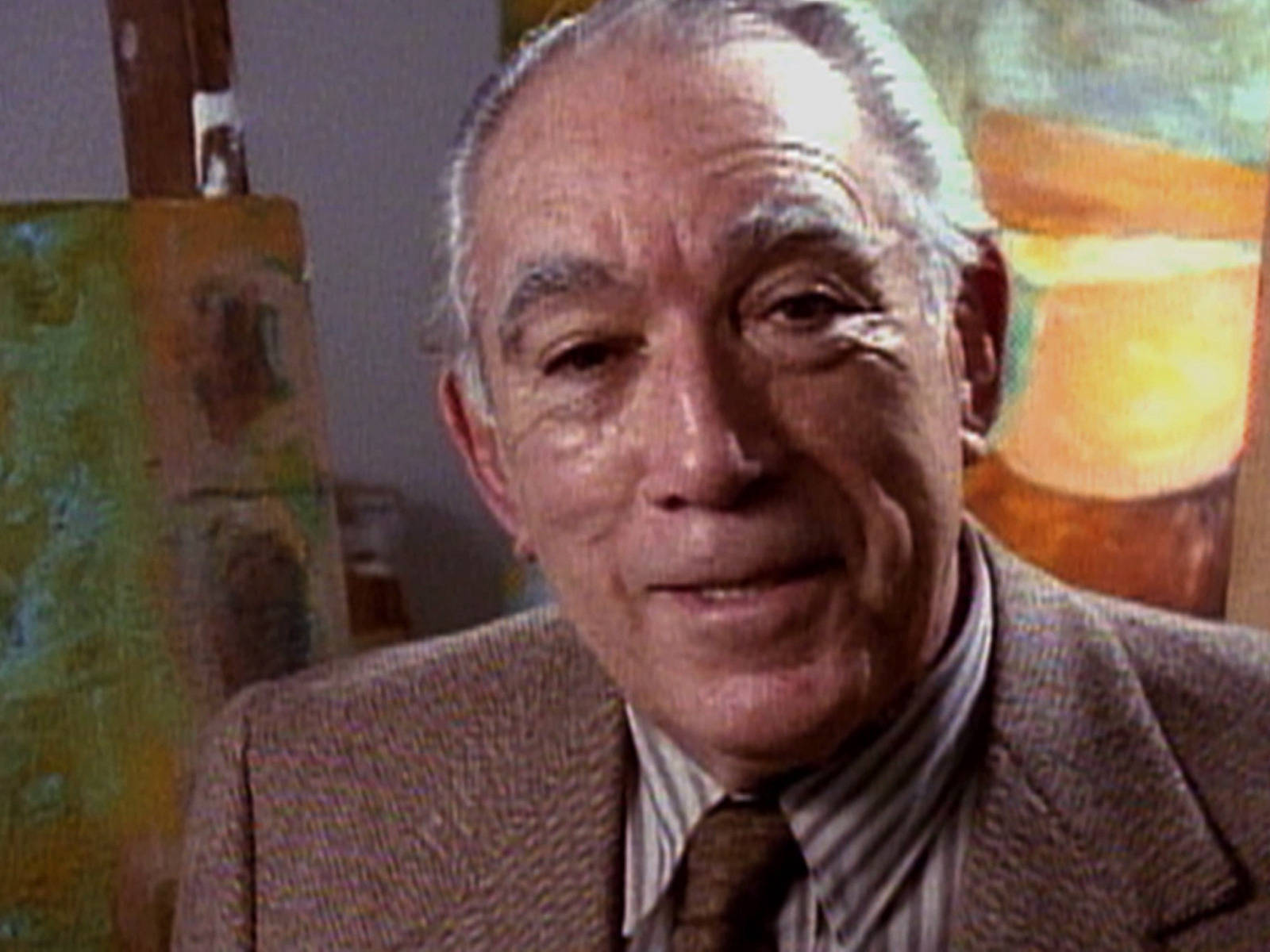
Anthony Quinn was a complex figure whose religious life spanned a wide spectrum, beginning with a strict Roman Catholic upbringing in Mexico, transitioning into a high-profile role as a Pentecostal youth preacher in Los Angeles, and ultimately evolving into a deeply personal, non-dogmatic spirituality. While he identified most closely with his Catholic roots in his later years, his faith remained a mosaic of cultural heritage and philosophical inquiry.
The Dual Heritage: Catholic Foundations and Mexican Roots
To understand Anthony Quinn’s religious identity, one must first look at the environment of his birth. Born Manuel Antonio Rodolfo Quinn Oaxaca in 1915 in Chihuahua, Mexico, Quinn was the product of a tumultuous period in Mexican history—the Mexican Revolution. His father, Francisco Quinn, was of Irish and Mexican descent, while his mother, Manuela "Nellie" Oaxaca, was of Aztec heritage.
In the Mexican culture of the early 20th century, Roman Catholicism was not merely a religion; it was the social and cultural fabric of life. Quinn’s early years were steeped in the rituals of the Church, guided largely by the women in his life, particularly his grandmother, Sabina. This foundation established a permanent "Catholic lens" through which he viewed the world, even when his formal adherence to the Church wavered. The iconography of the suffering Christ and the Virgin of Guadalupe left an indelible mark on his psyche, often manifesting in the intense, tortured characters he would later portray on screen.
However, the instability of the revolution forced the family to migrate to the United States. This migration triggered a spiritual shift as the family moved from the homogeneous religious landscape of Mexico to the diverse and "awakening" religious environment of Los Angeles in the 1920s and 30s.
The Angelus Temple and the Pentecostal Influence
One of the most fascinating and often overlooked chapters in Anthony Quinn’s life is his deep involvement with the Pentecostal movement. As a teenager in Los Angeles, Quinn became a follower of the charismatic evangelist Aimee Semple McPherson, the founder of the Foursquare Church.
McPherson was a media pioneer and one of the most famous women in the world at the time. She operated out of the Angelus Temple, a massive facility that blended religious revivalism with theatrical production. For the young Quinn, who was struggling with his identity and poverty, the Angelus Temple provided more than just spiritual solace; it provided a stage.
From Saxophonist to Youth Preacher
Quinn’s involvement was not passive. He played the saxophone in the temple’s band and eventually rose to become a youth preacher. Because of his bilingual abilities, he often served as a translator for McPherson, helping her reach the growing Spanish-speaking population in Los Angeles.
This period was critical for two reasons:
- Oratorical Training: Quinn learned how to command an audience, use his voice as an instrument, and project emotion—skills that are essential for both a preacher and an actor.
- Theatricality of Faith: He witnessed firsthand how faith could be expressed through performance. This blurred the lines between the pulpit and the stage, a theme that would recur throughout his career.
Despite his success within the Foursquare Church, Quinn eventually drifted away from Pentecostalism. In his autobiography, The Original Sin, he reflected on this period with a mix of nostalgia and skepticism, suggesting that while he was moved by the fervor, he began to question the rigid moral constraints and the cult of personality surrounding religious leaders.
Catholicism and the Struggle with Dogma
As Quinn transitioned into adulthood and his acting career began to flourish, he returned to a more traditional, albeit complicated, relationship with the Roman Catholic Church. This return was less about theological conviction and more about cultural reconciliation. For a man of Mexican and Irish descent, Catholicism was the "home" he returned to, even if he did not always agree with the "rules of the house."
The Conflict of Personal Life and Doctrine
Quinn’s personal life often placed him at odds with Catholic doctrine. He was married three times and fathered twelve children, some of whom were born out of wedlock. These life choices created a tension between his lifestyle and the sacramental requirements of the Church.
Throughout the mid-20th century, Quinn was often viewed by the public as a "lapsed Catholic." However, he never fully renounced the faith. Instead, he adopted a more "Mediterranean" view of Catholicism—one that emphasizes the mystery of God and the importance of ritual over the strict adherence to canon law. He remained a man who prayed, often in private, and sought spiritual counsel during times of personal crisis.
Religious Roles as a Mirror of Faith
Anthony Quinn’s filmography is arguably one of the most religiously significant of any actor in Hollywood history. He did not just play religious characters; he inhabited them with a ferocity that suggested a personal search for meaning.
Barabbas (1961)
In Barabbas, Quinn played the biblical criminal who was released instead of Jesus. The film is a profound exploration of "survivor’s guilt" and the agonizing search for faith. Quinn’s portrayal of a man who literally walked in the shadow of Christ but struggled to believe is often cited by critics as a reflection of his own spiritual ambiguity.
The Shoes of the Fisherman (1968)
In one of his most iconic roles, Quinn played Kiril Lakota, a Russian political prisoner who is unexpectedly elected Pope. To prepare for the role, Quinn spent time observing the clergy and studying the inner workings of the Vatican. His performance was noted for its humanity; he portrayed a Pope who was more concerned with the suffering of the poor than with the pomp of the office. This role solidified Quinn's image in the public consciousness as a man deeply connected to the heart of the Catholic Church, regardless of his private life.
The Message (1976)
Quinn’s religious exploration extended beyond Christianity. In The Message, he played Hamza, the uncle of the Prophet Muhammad. During the filming, Quinn showed immense respect for Islamic traditions and reportedly studied the Quran to ensure his portrayal was dignified. This project demonstrated his universalist approach to spirituality—the belief that the "divine spark" could be found in all major religions.
Comparison of Religious Influences on Anthony Quinn
The following table summarizes the different stages of Quinn's religious journey and how they influenced his life and career.
| Life Stage | Religious Affiliation | Nature of Influence | Lasting Impact |
|---|---|---|---|
| Childhood | Roman Catholicism | Cultural & Familial | Established a foundation of ritual and Aztec-Catholic syncretism. |
| Adolescence | Pentecostalism | Charismatic & Performative | Developed public speaking skills and an understanding of emotional appeal. |
| Adulthood | Lapsed/Cultural Catholic | Professional & Philosophical | Influenced his choice of roles; focused on the "struggle" for faith. |
| Later Years | Spiritual Universalist | Personal & Private | Moved toward a broader view of God, transcending specific denominations. |
The Later Years: A Return to the "First Church"
By the time of his death in 2001, Quinn’s religious views had settled into a form of rugged individualism. He lived his final years in Bristol, Rhode Island, a place where he felt a deep connection to the land and his art.
While he remained a cultural Catholic, his funeral service provided a final glimpse into his eclectic spiritual path. The memorial service was held at the First Baptist Church in America in Providence, Rhode Island. This choice was largely practical and aesthetic; the church is a historic landmark and offered the space needed for such a monumental figure. However, the ecumenical nature of the service—attended by people of all faiths—was a fitting tribute to a man who had spent a lifetime crossing religious and cultural borders.
Quinn was buried on his estate in Bristol, beneath a favorite tree. This final act suggested a return to a more primal, earth-centered spirituality, reminiscent of his Aztec ancestors, yet sheltered by the broad umbrella of the Christian tradition he had navigated for 86 years.
Frequently Asked Questions
Was Anthony Quinn a born-again Christian?
During his teenage years in the 1930s, Anthony Quinn was deeply involved in the Pentecostal movement led by Aimee Semple McPherson. In that context, he would have been considered a "born-again" Christian, as he actively preached the Gospel and participated in the charismatic life of the Angelus Temple. However, he did not maintain this specific religious identity into his adulthood, moving instead toward a more traditional Catholic and later universalist perspective.
Did Anthony Quinn ever convert to Islam?
No, Anthony Quinn did not convert to Islam. This misconception often arises because of his powerful portrayal of Hamza in the 1976 film The Message. Quinn was highly respected in the Muslim world for his sensitive and accurate depiction of a foundational figure in Islamic history, and he expressed great admiration for the faith's commitment to social justice, but he remained a Christian by heritage and personal identification.
What did Anthony Quinn say about God?
Quinn often spoke of God as a "creative force" or a "great mystery." In various interviews and his autobiography, he expressed that his "dialogue with God" was constant but rarely happened inside a church building. He believed that acting was a way of exploring the human soul, which he viewed as the ultimate evidence of the divine. He famously said that he felt closest to the creator when he was painting or sculpting.
Why was his funeral held in a Baptist church?
Anthony Quinn’s memorial service was held at the First Baptist Church in America in Providence, Rhode Island, primarily because of its historical significance and capacity. As an inhabitant of Rhode Island in his later years, Quinn was a beloved local figure. The choice of venue was more about honoring his status as a "giant of the arts" in a space that could accommodate the public, rather than a late-life conversion to the Baptist denomination.
Did his Irish or Mexican heritage influence his religion more?
Both played significant roles, but they manifested differently. His Mexican heritage provided the "color" and "intensity" of his faith—the focus on the Virgin Mary, the acceptance of suffering, and the mystical elements. His Irish heritage (from his father) connected him to the more institutional, "fighting" spirit of Catholicism. Quinn often described himself as a "man of the world" who felt the conflict between these two powerful cultural identities within his soul.
Practical Legacy and Next Actions
For those looking to understand the intersection of faith and art through the life of Anthony Quinn, the following steps provide a deeper dive into his spiritual legacy:
- Read "The Original Sin": Quinn's 1972 autobiography provides his firsthand account of his time at the Angelus Temple and his struggles with the Catholic Church. It is essential for understanding his psychological and spiritual development.
- View the "Religious Trilogy": Watch Barabbas, The Shoes of the Fisherman, and The Message back-to-back. Observe how Quinn’s approach to faith evolves from the doubt of a criminal to the responsibility of a Pope, and finally to the protective strength of a warrior for a new faith.
- Explore the Foursquare Church History: To understand the environment that shaped his youth, research the history of Aimee Semple McPherson and the Angelus Temple in Los Angeles during the Great Depression. It provides context for Quinn’s early performative skills.
- Visit Bristol, Rhode Island: For those interested in his final years, the town of Bristol preserves the memory of Quinn as a local artist and thinker. His connection to the landscape there represents the final, peaceful stage of his spiritual journey.
Anthony Quinn’s life reminds us that religion is rarely a straight line. For him, it was a circling back—a continuous process of questioning, performing, and eventually finding peace in the complexity of his own multi-faceted identity.